Toronto Pearson International Airport
Facts on YYZ
The 'YZ' in Toronto's YYZ code has nothing to do with 'Toronto' — it comes from the old railway/telegraph code for the Malton, Ontario station, the site where the airport was later built. Canada then added its standard 'Y' prefix used on the majority of its airport codes.
Toronto's airport started out as Malton Airport and wasn't officially renamed Lester B. Pearson International Airport — after Canada's Nobel Peace Prize-winning prime minister — until January 2, 1984.
Pearson is Canada's largest and busiest airport, handling 46.8 million passengers in 2024, with a longest runway stretching 11,120 feet (3,390 m).
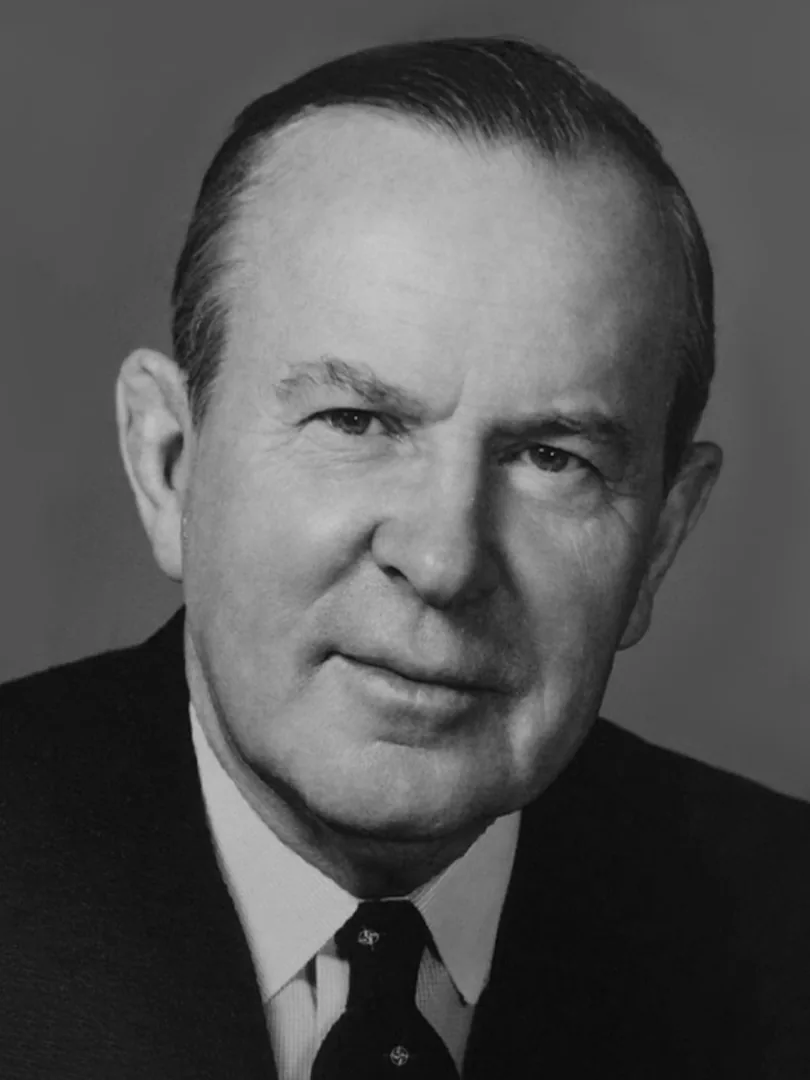
Pearson won the 1957 Nobel Peace Prize for proposing the United Nations Emergency Force to resolve the 1956 Suez Crisis — the first UN peacekeeping force — a role that made him a global figure years before the airport was renamed in his honour.
Source: Wikipedia
Pearson's airport began in 1937 as a planned alternate to the downtown Toronto Islands airport, at a site near the town of Malton. It saw its first scheduled passenger flight, a Trans-Canada Air Lines DC-3, land on August 29, 1939.
Source: Wikipedia
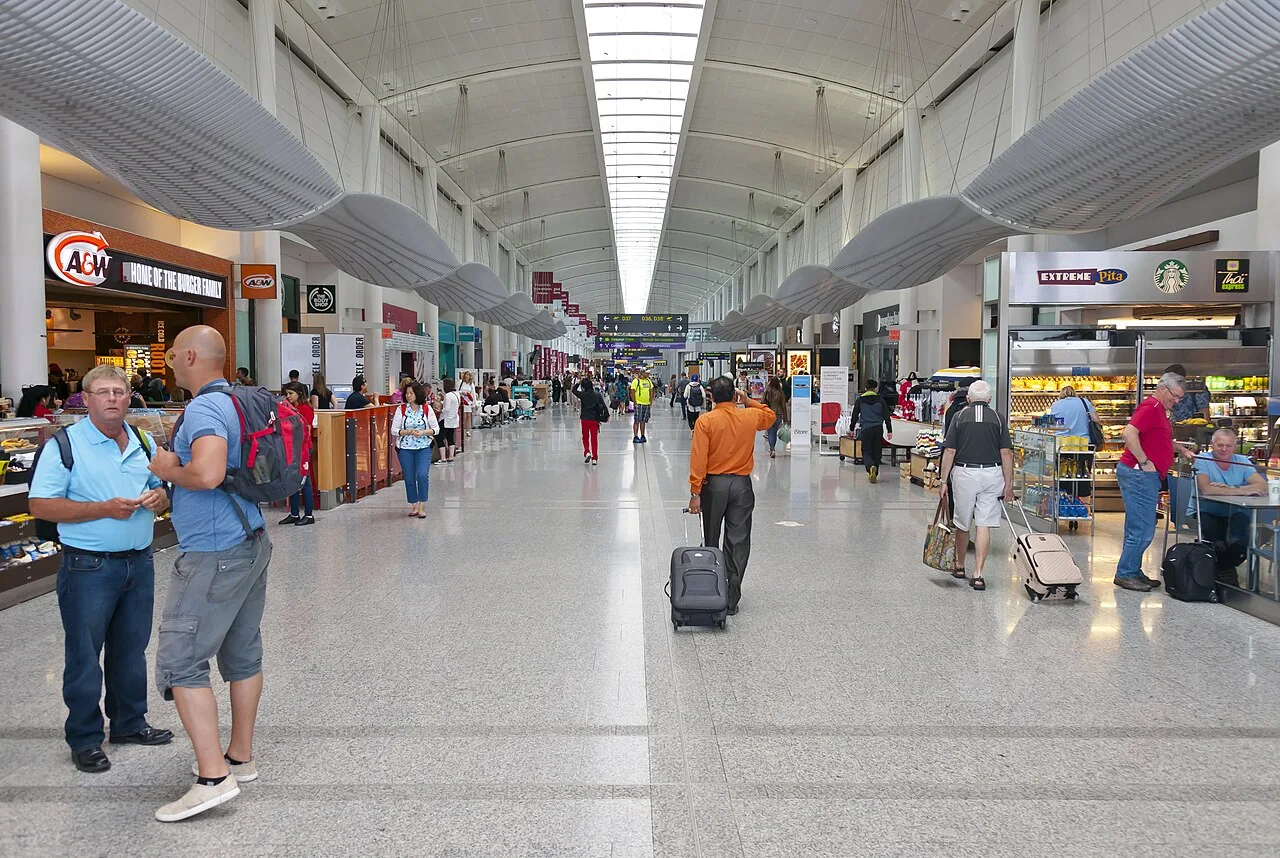
Terminal 1, a 346,000-square-metre building with 58 gates, was designed by Airports Architects Canada — a joint venture of Skidmore, Owings & Merrill, Adamson Associates and Moshe Safdie and Associates — and opened in 2004, replacing the original Aeroquay One terminal.
Source: Wikipedia
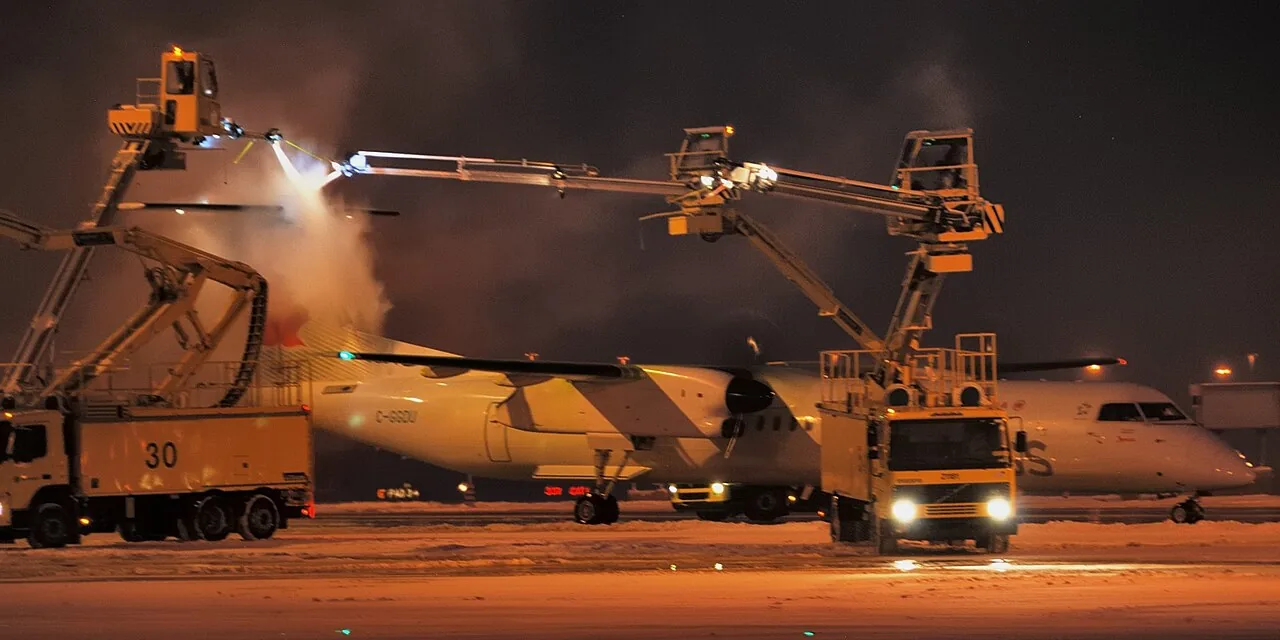
Pearson's Central De-icing Facility is the largest of its kind in the world, with six bays covering roughly 24 hectares that together service more than 10,500 aircraft every winter.
Source: Wikipedia
Toronto Pearson typically sees 110 to 130 centimetres of snow in a winter season. A dedicated team of more than 200 workers runs over 94 pieces of snow-clearing equipment, including snowplows and snowmelters, to keep the airfield open.
Source: Wikipedia