Vancouver International Airport
Facts on YVR
Vancouver's code starts with 'Y,' like most Canadian airports, because of a 1930s convention where 'Y' meant a location had a radio and/or weather tower ('yes,' versus 'W' for without) — IATA simply carried this system over when it expanded to three-letter codes in the 1940s.
Source: Islands.com
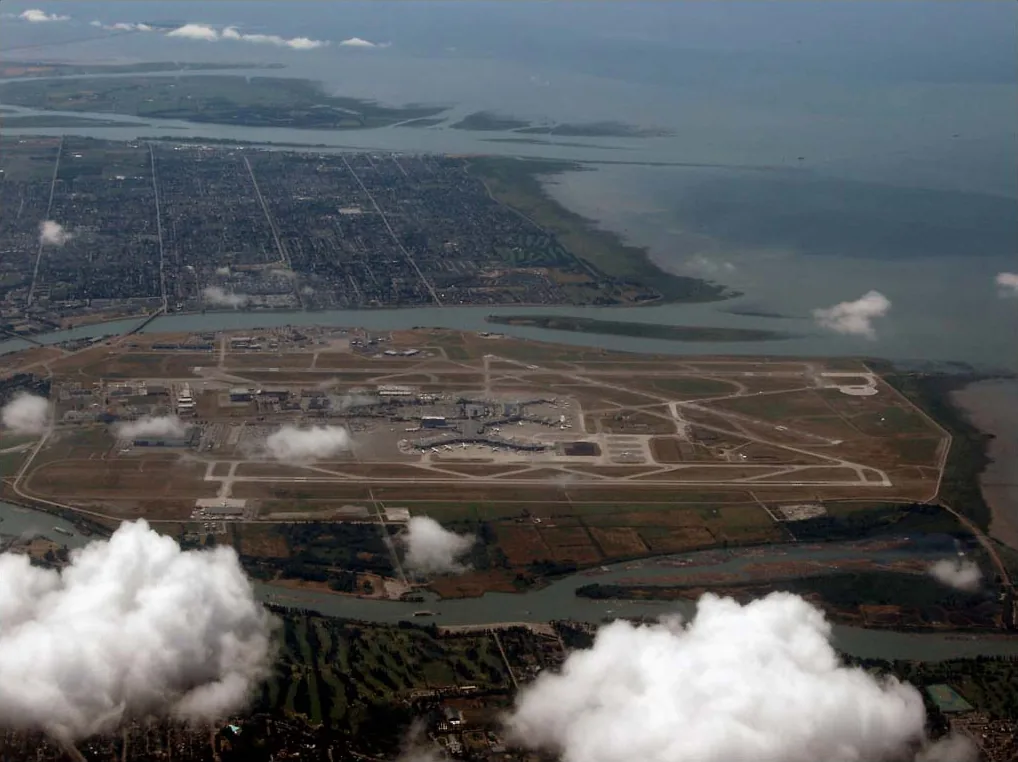
Vancouver International Airport sits on Sea Island in Richmond, BC, and is one of the few major international airports with a dedicated terminal for scheduled floatplane service, alongside trilingual English, French, and Chinese signage throughout the terminals.
YVR is Canada's second-busiest airport by passenger traffic, handling about 26.2 million passengers a year, and serves as the country's main gateway for transpacific flights.
In 1929 the City of Vancouver bought land on Sea Island for the airport, replacing an early grass airstrip at Minoru Park on Lulu Island. During World War II it operated as RCAF Station Sea Island, with air crews and their families housed in a new townsite, Burkeville, named for Boeing Canada president Stanley Burke.
Source: Wikipedia
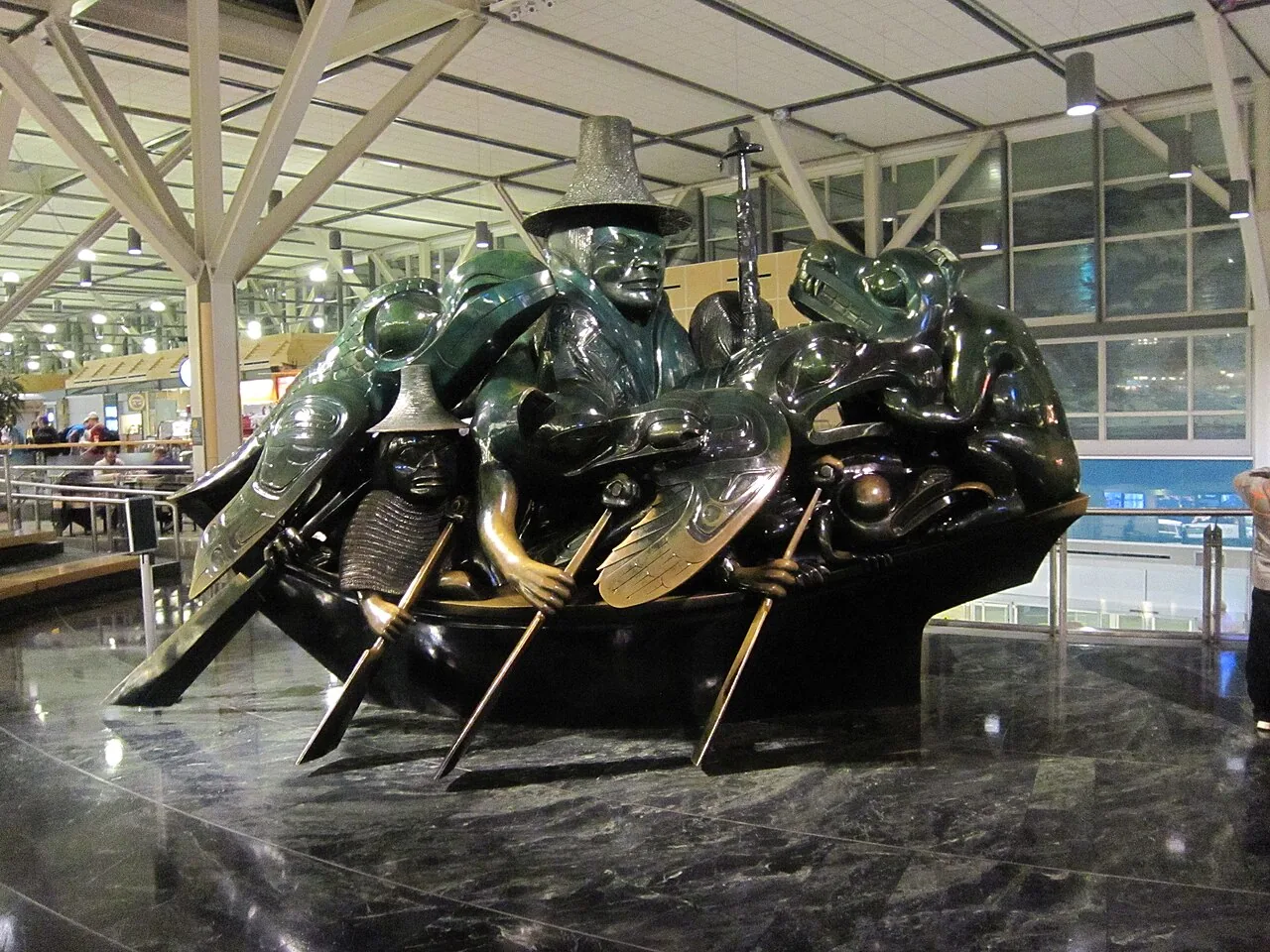
Vancouver International's terminals feature an extensive collection of Pacific Northwest Coast Indigenous art. Bill Reid's bronze sculpture "The Spirit of Haida Gwaii, The Jade Canoe" stands in the international departures area — the second of two castings; the first, "The Black Canoe," is outside the Canadian Embassy in Washington, D.C.
Source: Wikipedia
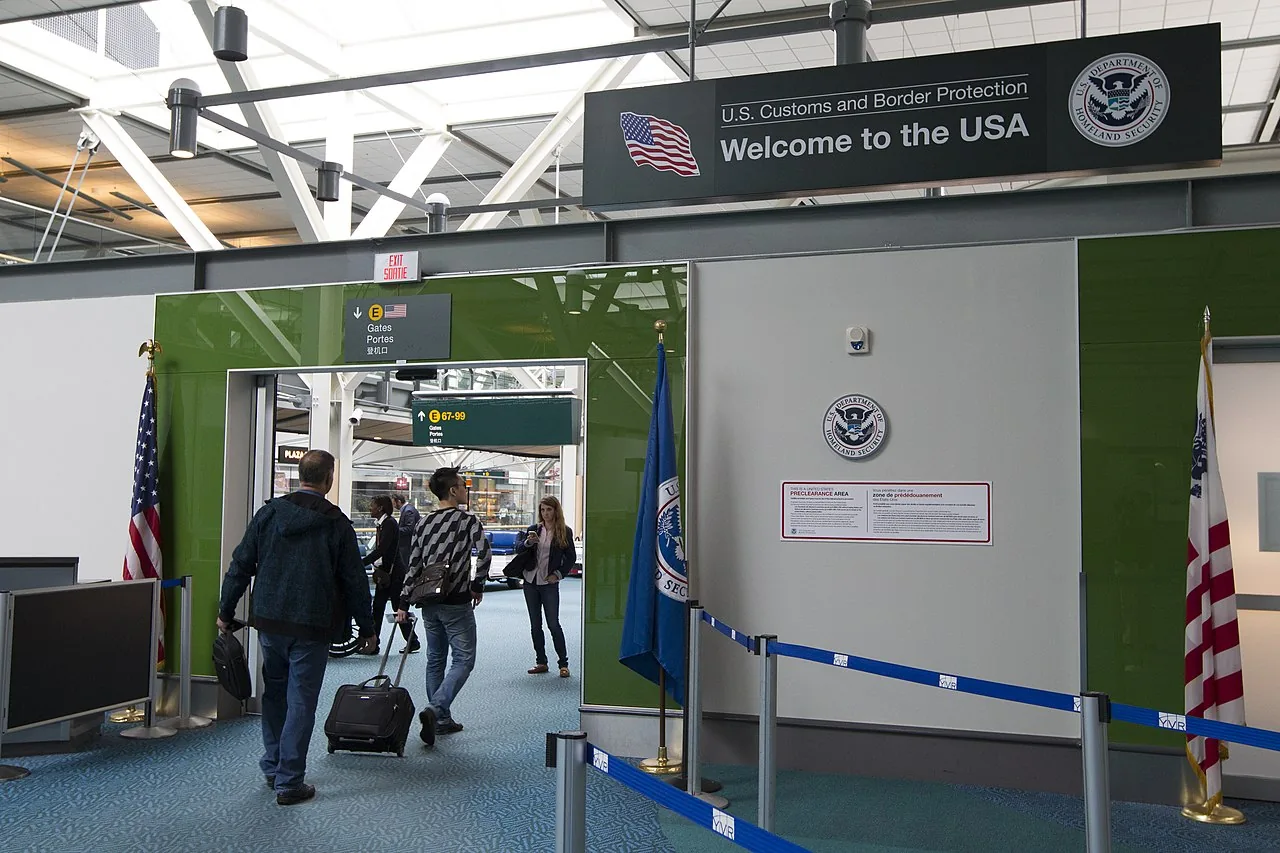
A U.S. border preclearance facility was added at Vancouver in the 1970s. As of 2024 it has the longest operating hours of any U.S. preclearance facility anywhere, running from 4:30 a.m. to midnight the following day.
Source: Wikipedia
Sea Island, where the airport sits, is at sea level and protected by a 22-kilometre system of dikes. The island has been identified as vulnerable to future storm surges and extreme weather driven by climate change, prompting plans for new pump stations and a raised dike.
Source: Wikipedia
Vancouver International won the Skytrax award for Best Airport in North America every year from 2010 through 2022 — twelve years running — and again in 2024 and 2026, in addition to being repeatedly recognized as Best Canadian Airport.
Source: Wikipedia