Ottawa Macdonald–Cartier International Airport
Facts on YOW
Days before the new terminal's scheduled December 1959 opening, a USAF F-104 Starfighter went supersonic in a low pass over the airport. The sonic boom shattered most of the glass, including the entire north wall, causing over $500,000 in damage and delaying the opening to April 1960.
Source: Wikipedia
The first half of the airport's name belongs to Sir John A. Macdonald, born in Scotland in 1815, who became Canada's first prime minister (1867–73, 1878–91) and the dominant architect of Confederation. He used patronage to build the Conservative Party and pushed the National Policy tariff that funded the transcontinental Canadian Pacific Railway.
Source: Wikipedia
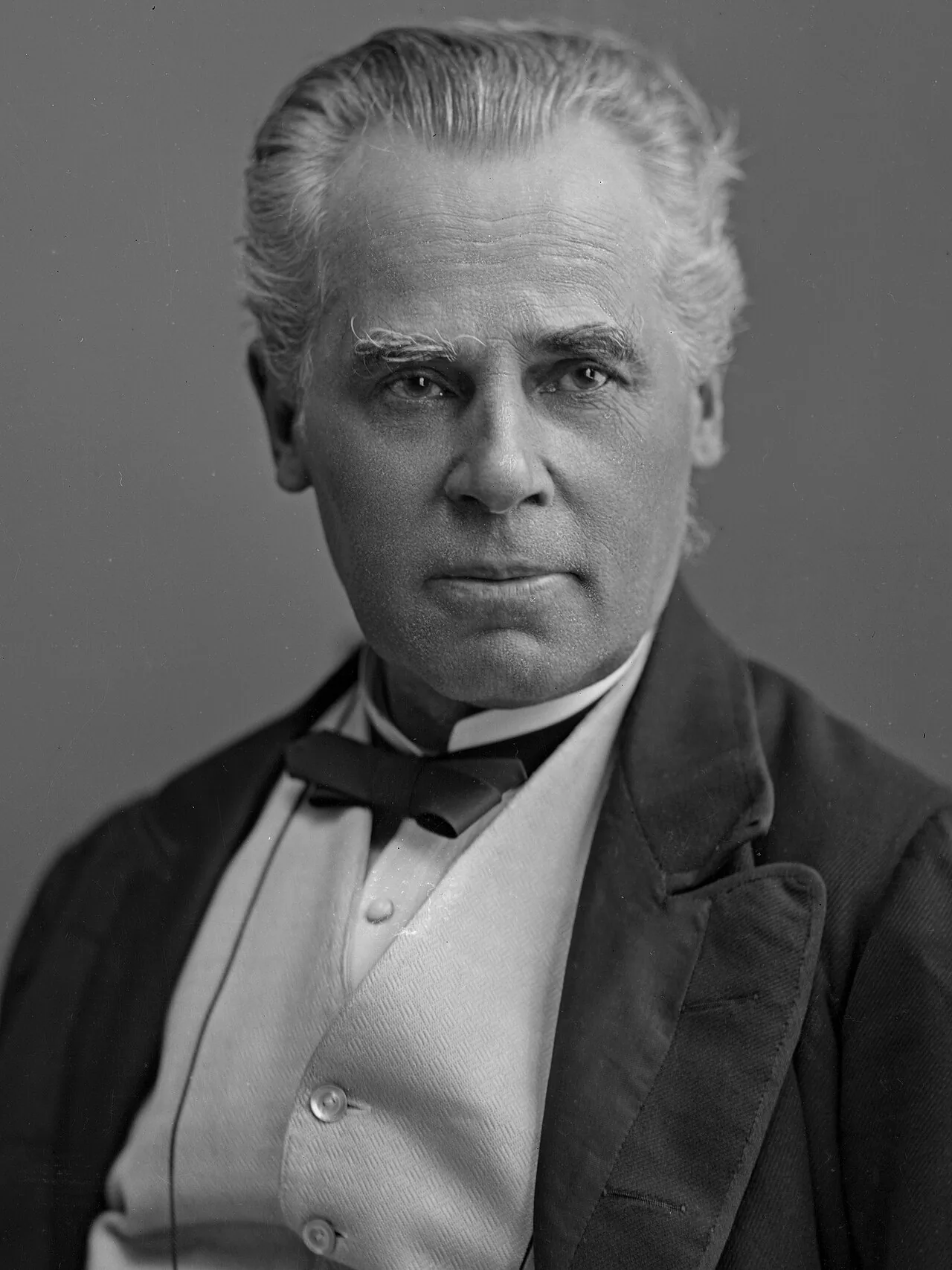
The second half of the airport's name belongs to Sir George-Étienne Cartier, a Montreal lawyer, railway promoter and co-premier alongside Macdonald from 1857 to 1862. He rallied French-Canadian support for Confederation at the Charlottetown, Quebec and London conferences and is sometimes called "The Kingpin of Confederation."
Source: Wikipedia
In 1950 the farming community of Bowesville, settled in 1821, was expropriated to allow the airport to expand southward; the last residents left and the village school was torn down in 1951. Today's main terminal stands on the site of the old village crossroads.
Source: Wikipedia
The airport, then known as Uplands, was the busiest in Canada by takeoffs and landings during the 1950s, peaking at 307,079 aircraft movements in 1959 — nearly double its more recent traffic.
Source: Wikipedia
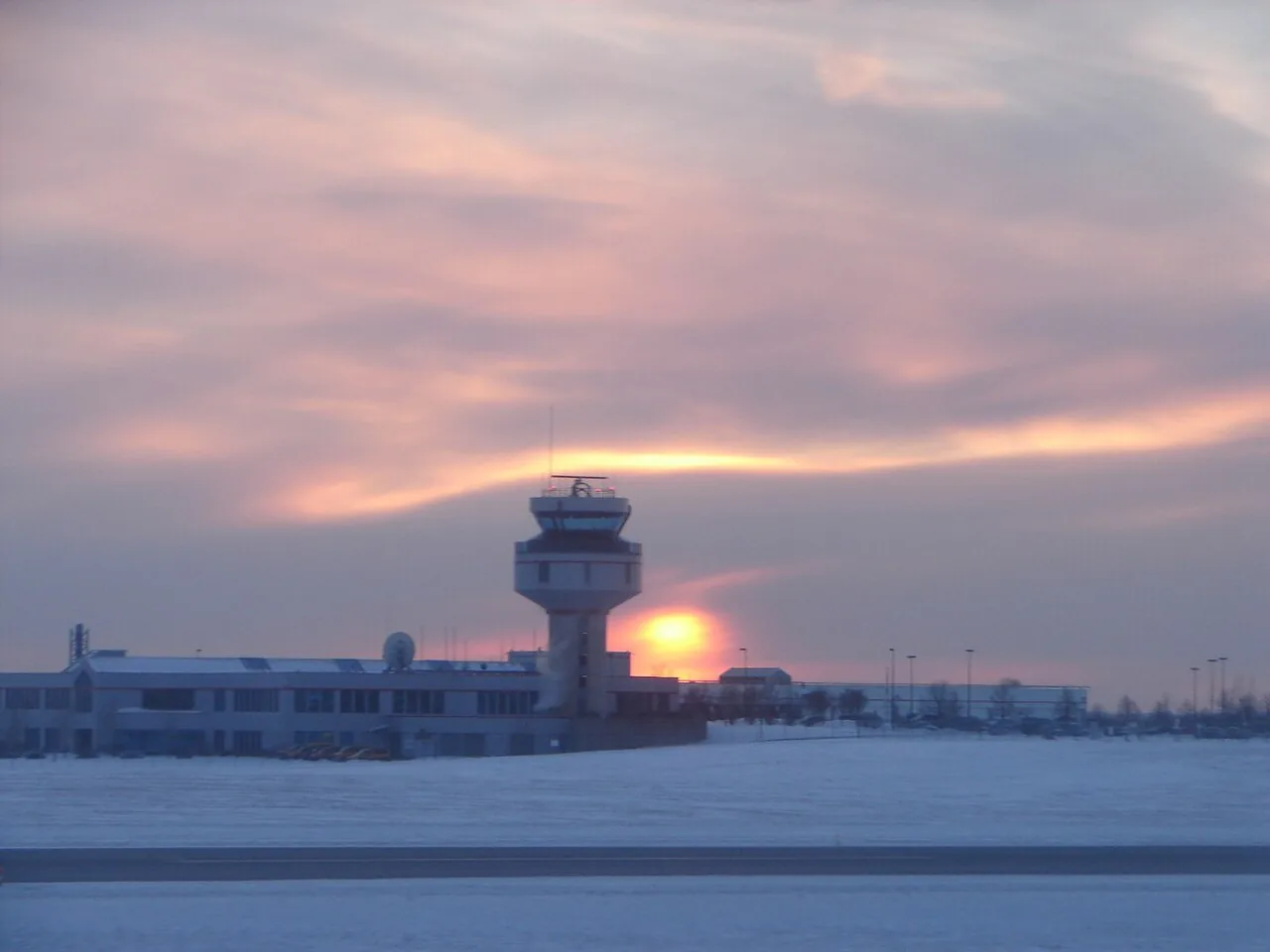
Ottawa's airport is still home to the Royal Canadian Air Force's 412 Transport Squadron, which flies Canadian and foreign government officials, and is one of nine Canadian airports staffed with U.S. border preclearance facilities.
Source: Wikipedia
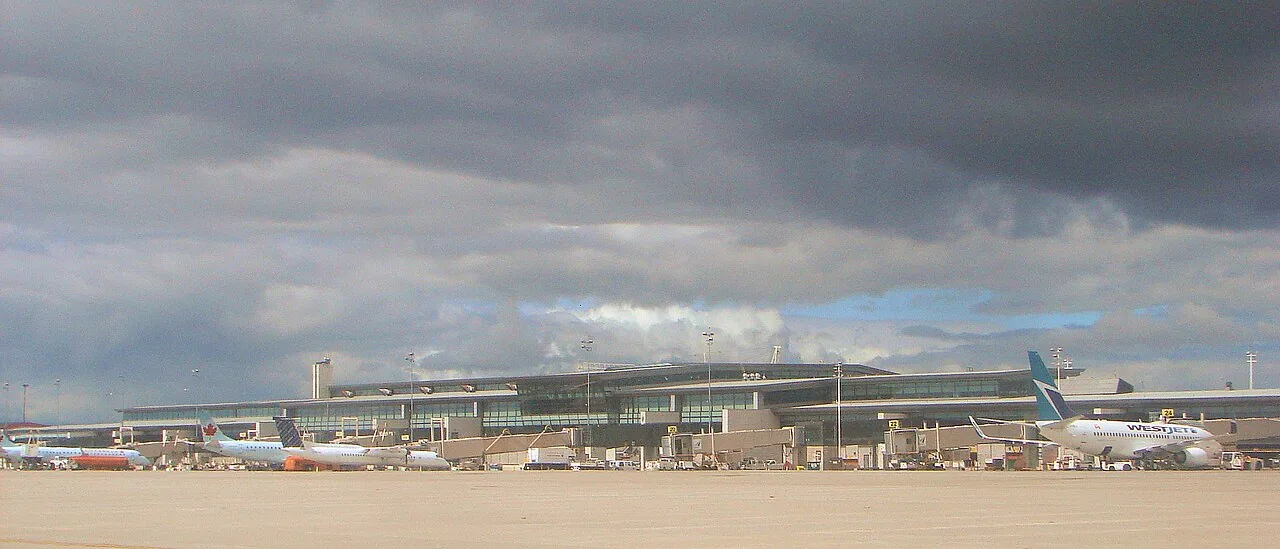
Ottawa Macdonald–Cartier is Canada's sixth-busiest airport and Ontario's second-busiest by passenger traffic, handling 4,866,236 passengers in 2025 across roughly 1,686 hectares (4,170 acres) of airport property.
Source: Wikipedia