Warsaw Chopin Airport
Facts on WAW
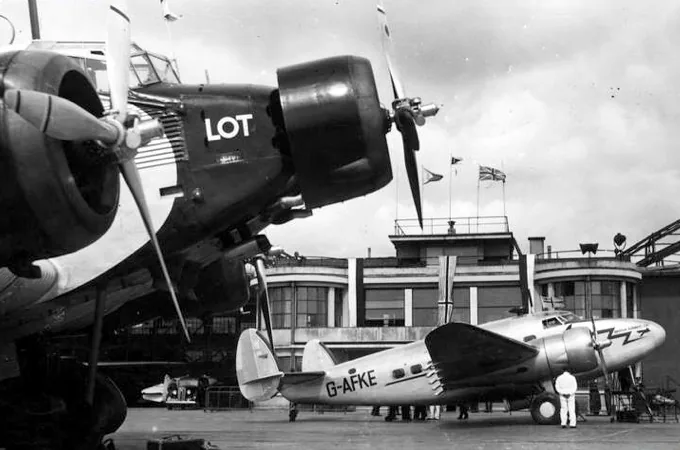
Warsaw's Central Airport at Okęcie was opened by Polish president Ignacy Mościcki on 29 April 1934, replacing the aerodrome at Mokotów Field whose traffic was increasingly hemmed in by the city's growth. It served over 10,000 passengers in its first year.
Source: Wikipedia
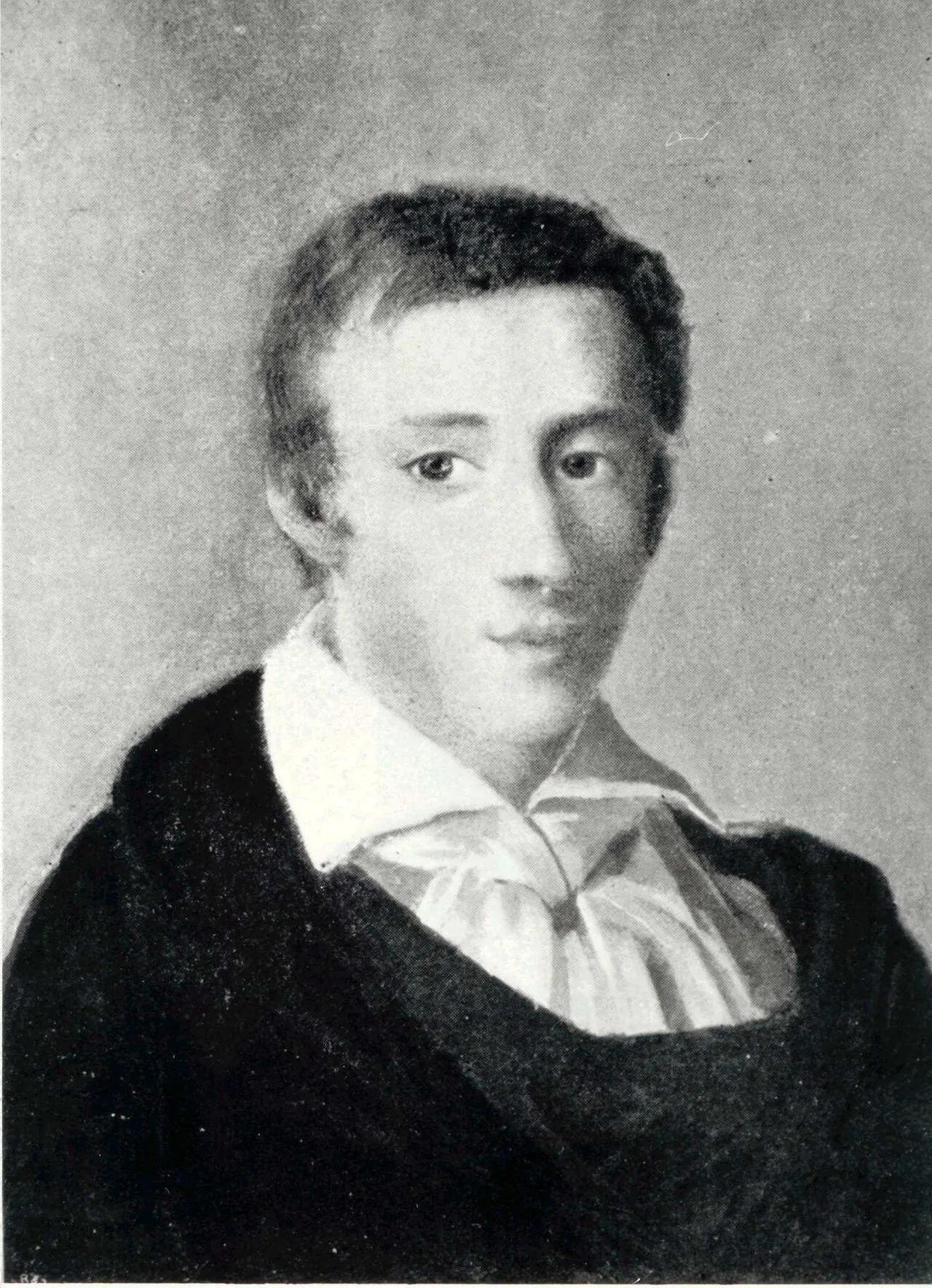
The airport is named for Frédéric Chopin, a Polish composer and virtuoso pianist, born near Warsaw in 1810, whose mazurkas, nocturnes and études made him one of the defining figures of the Romantic era before his death in Paris in 1849 at age 39. He left Poland at 20 and never returned.
Source: Wikipedia
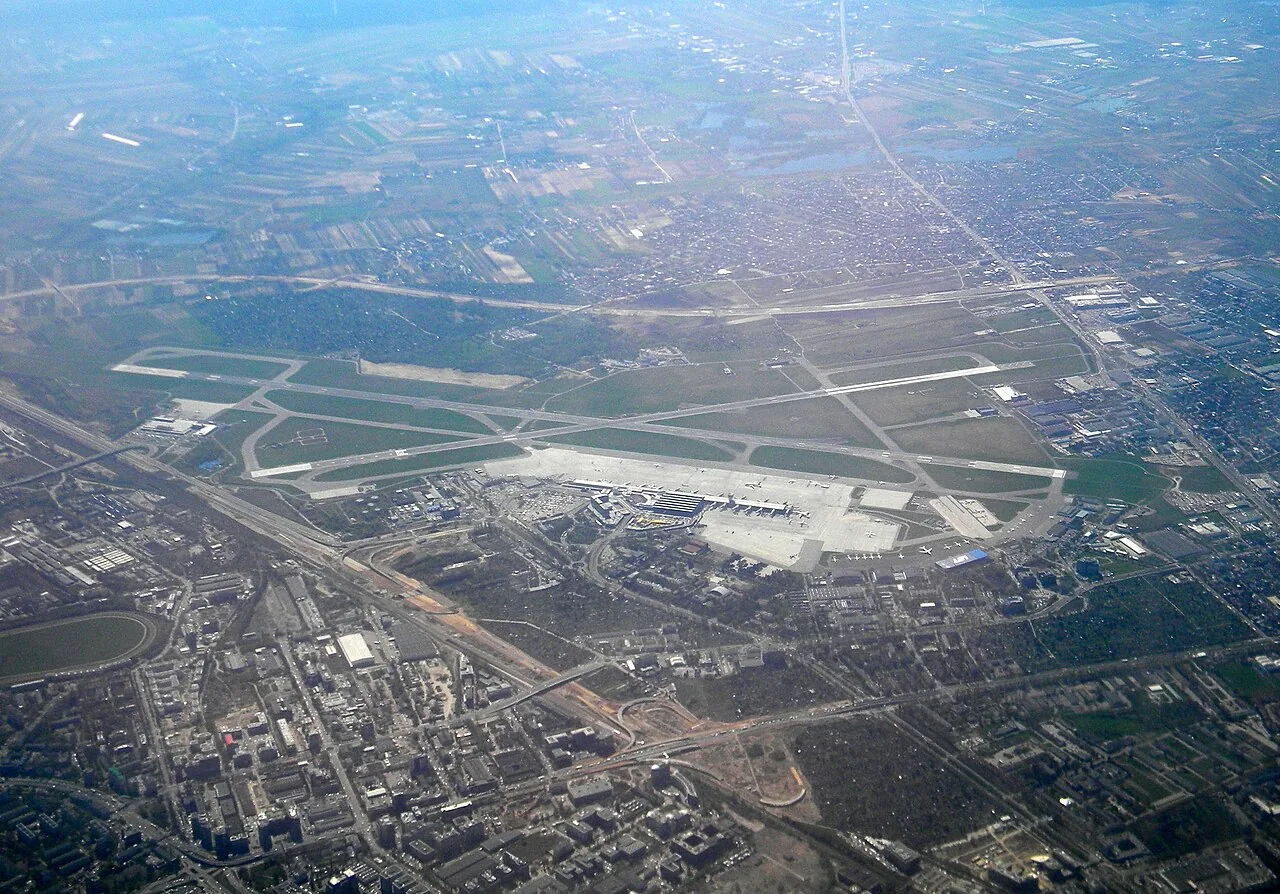
The airport was known as Warsaw Okęcie for its entire history, after the neighbourhood where it was built, until it was renamed in honour of composer Frédéric Chopin in 2001. The old name never fully disappeared — 'Okęcie' is still used in everyday speech and in air traffic references.
Source: Wikipedia
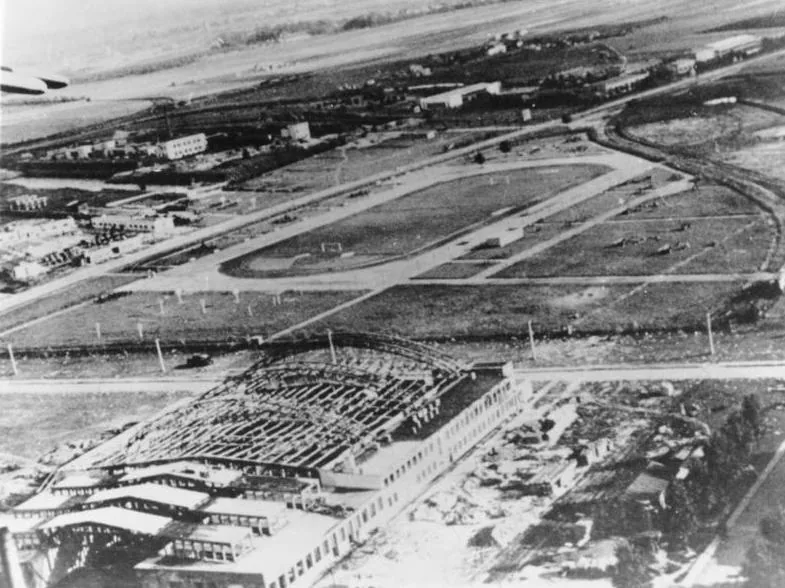
During the Second World War the airport was a Luftwaffe target from the first day of the German invasion, then hosted German aviation schools and a Junkers repair works under occupation; retreating German forces deliberately destroyed its remaining buildings and runway before the Red Army's arrival.
Source: Wikipedia
By 1938, on the eve of the war, Okęcie already had 16 immigration checkpoints staffed by the Polish Border Guard and used Lorenz beam radio navigation for safe landings in poor visibility, with scheduled flights reaching 17 foreign airports including Tel Aviv and Beirut.
Source: Wikipedia
An underground railway station linking the airport to Warsaw's suburban rail network opened in June 2012, timed for the Euro 2012 football championships that Poland co-hosted.
Source: Wikipedia
The airport welcomed its first 10-millionth passenger in a single year on 25 November 2013, then doubled that milestone just eleven years later, greeting its 20-millionth passenger of the year on 6 December 2024.
Source: Wikipedia
In 2025 the airport handled 24.1 million passengers — the busiest in Poland, carrying roughly a third of the country's total air traffic — across 834 hectares of land and about 300 scheduled flights a day.
Source: Wikipedia