Vienna International Airport
Facts on VIE
Vienna's airport began in 1938 as a Luftwaffe airfield, and from 1942 the Heinkel aircraft works built He 219 night-fighters and He 162 jet fighters on the site; after WWII the British ran it as "RAF Schwechat" before it became Austria's civilian gateway.
Source: Wikipedia (German)
Vienna Airport's ground staff have been named "Best Airport Staff in Europe" by Skytrax five times (2015, 2016, 2017, 2019 and 2025), more than almost any other airport in the region.
Source: Vienna Airport (official site)
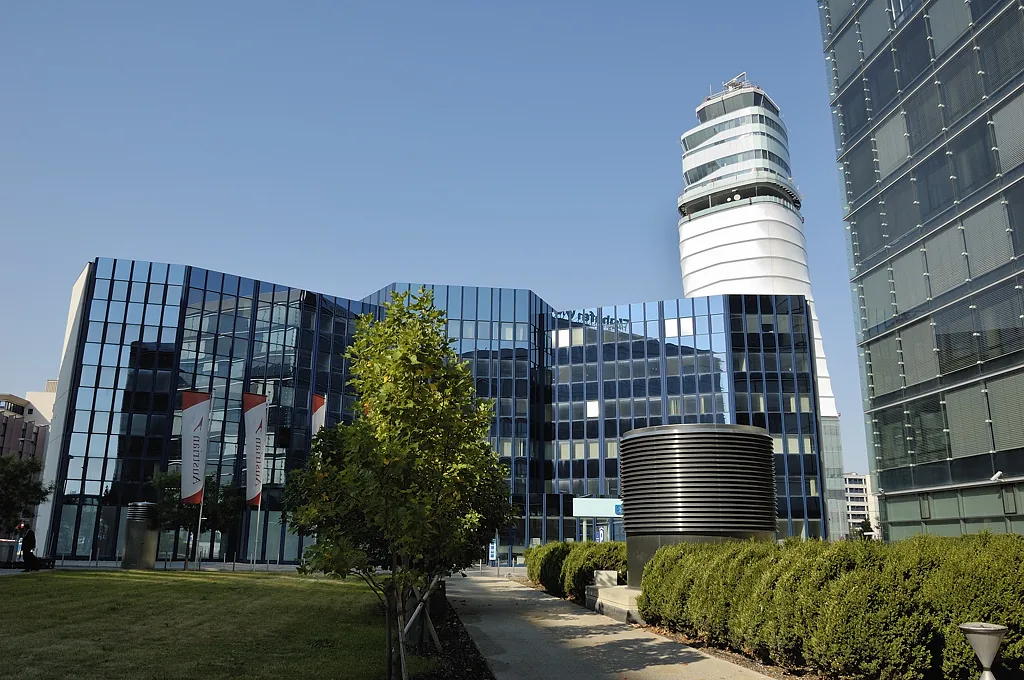
Vienna Airport opened in 1938 and sits at an elevation of 183 metres (600 ft) in the town of Schwechat, 18 km southeast of the city centre — its official name in Austrian aeronautical documents is still 'Wien-Schwechat Airport'.
Source: Wikipedia
On 27 December 1985, the El Al ticket counter at Vienna Airport was attacked by gunmen from the Abu Nidal Organisation, a Palestinian militant group, in a coordinated assault that also struck Rome's Fiumicino Airport the same day.
Source: Wikipedia
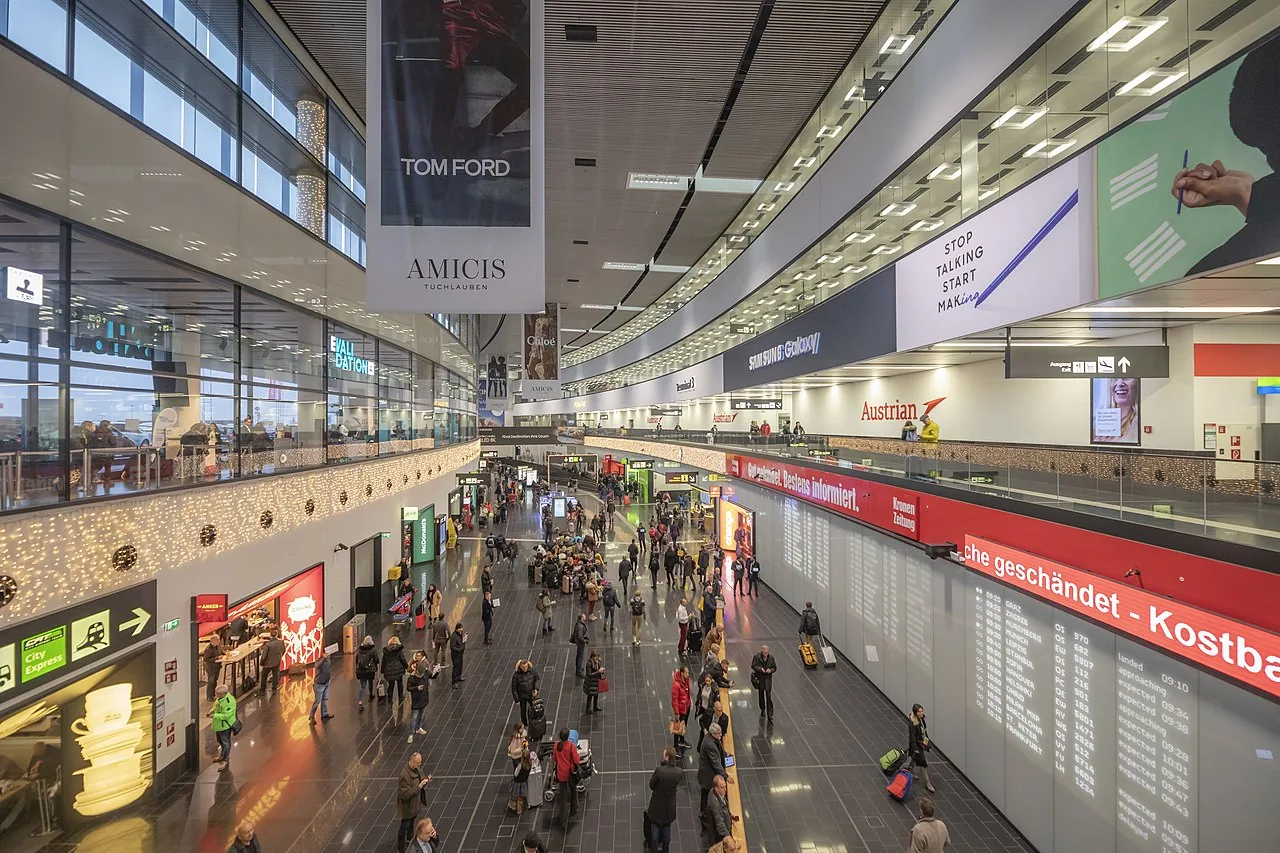
The airport's newest terminal, built as 'Skylink' and opened as Terminal 3 on 5 June 2012, was originally budgeted at €401.79 million in 2002 but ended up costing roughly €849 million after years of delay — more than double the original estimate.
Source: Wikipedia
Vienna Airport is one of the few publicly traded airport operators in Europe. Flughafen Wien AG was privatised in 1992, and today the state of Lower Austria and the City of Vienna each still hold 20% of its shares.
Source: Wikipedia
Vienna sits just 57 km from Bratislava, the capital of Slovakia, making Vienna Airport a shared gateway for two national capitals — the airport's route network lists both Vienna and Bratislava as the cities it serves.
Source: Wikipedia
The airport's longer runway, 16/34, stretches 3,600 metres, and Vienna is rated able to handle wide-body aircraft up to the Airbus A380, even though the newer Terminal 3 building itself cannot accommodate the type.
Source: Wikipedia
In 2025 Vienna Airport handled 32,559,135 passengers, up 2.6% on the year before, alongside 240,361 aircraft movements — record traffic that made it Austria's largest airport by a wide margin.
Source: Wikipedia