Mariscal Sucre International Airport
Facts on UIO
Quito's airport code isn't QUI because IATA/ICAO reserve codes starting with 'Q' for other communications purposes, so the airport pulled from the remaining letters of 'QUIto' to form UIO.
Source: Air-Port-Codes
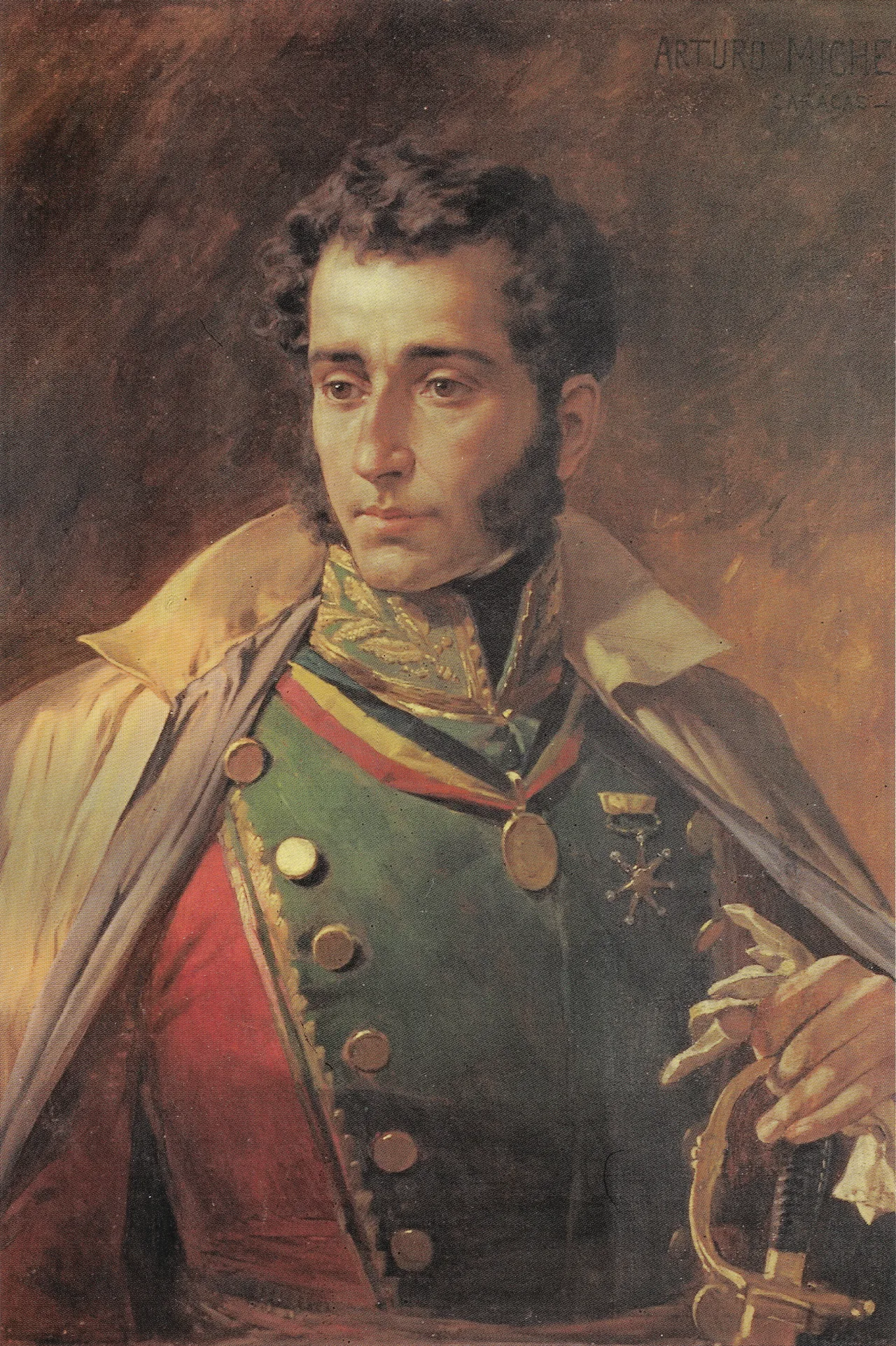
The name Mariscal Sucre was not new in 2013 — the original in-city airport, inaugurated on 5 August 1960 during the government of President Velasco Ibarra, already carried Sucre's name. The new Tababela airport simply continued a naming tradition running back over five decades.
Source: Wikipedia
The airport is named for Antonio José de Sucre, a South American independence leader known as the 'Mariscal' (Marshal), who fought alongside Simón Bolívar.
The current Mariscal Sucre International Airport opened in February 2013 in the Tababela valley about 18 km east of Quito, replacing a 53-year-old in-city airport that had become too dangerous and hemmed in by mountains to expand; the new airport was rated the first 5-star airport in the Western Hemisphere by Skytrax.
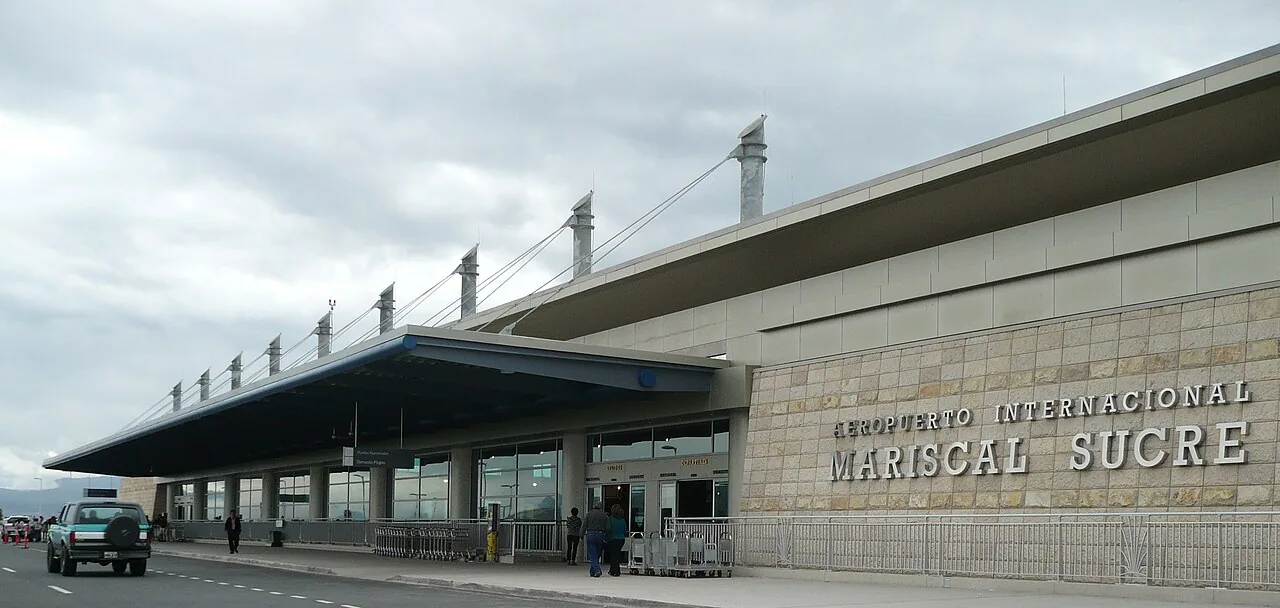
The new airport sits at 2,400 meters elevation, has a single 4,100-meter runway, and covers 1,500 hectares — ten times the footprint of the old in-city airport it replaced. In 2022 it handled about 4.3 million passenger movements.
Source: Wikipedia
Construction on the new airport began in 2006. To certify it before the public opening, Quito's mayor and about 100 other passengers took a 9-minute test flight from the old airport aboard an American Airlines Boeing 757 on 2 July 2012, and the arriving plane was greeted with a water cannon salute.
Source: Wikipedia
The old airport, wedged into Quito's Chaupicruz district amid mountains and high winds, could not be expanded for larger jets and had suffered numerous crashes; the replacement was sited on the Oyambaro plain near Tababela specifically because it offered room to grow.
Source: Wikipedia
The site of the old in-city airport, closed in February 2013, is now Parque Bicentenario, Quito's largest urban park, built on the very runway that once received jets right next to the financial district.
Source: Wikipedia
According to Quiport's 2024 sustainability report, the airport handled roughly 364,674 metric tons of cargo that year, ranking fifth for air cargo in Latin America and the Caribbean — about 92% of the export cargo was cut flowers.
Source: Wikipedia