Tunis Carthage International Airport
Facts on TUN
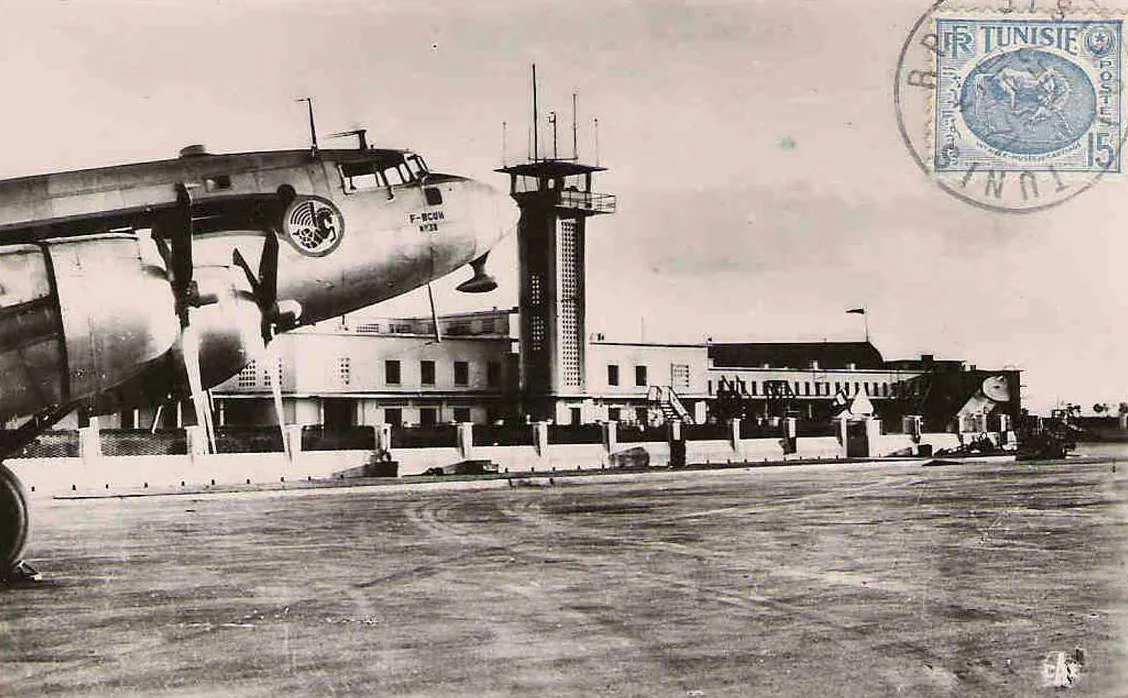
Aviation at the site dates to 1920, when a seaplane base for the Compagnie Aéronavale was built on the Lake of Tunis. A proper airfield followed in 1938, carrying about 5,800 passengers a year on the Paris–Tunis route.
Source: Wikipedia
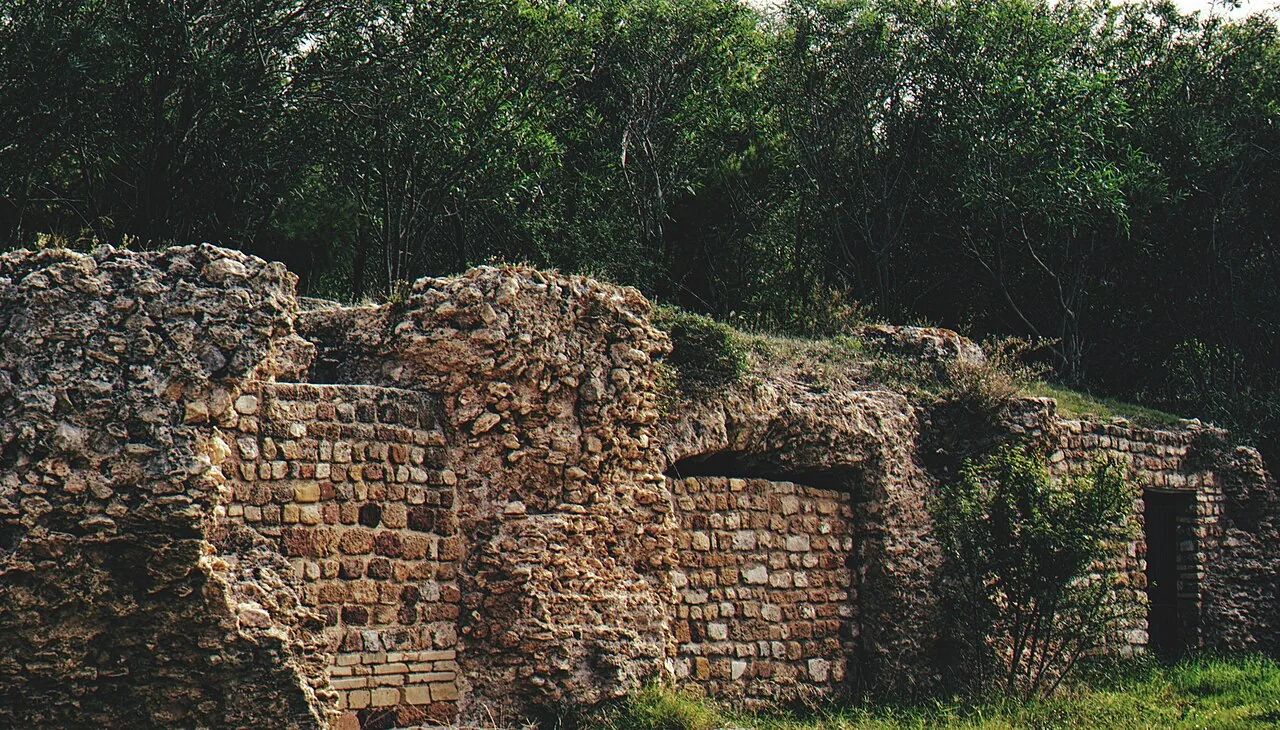
The airport takes its name from Carthage, the ancient Phoenician city on the Lake of Tunis said by legend to have been founded by the queen Dido. It grew into one of the wealthiest trading capitals of the ancient Mediterranean before Rome razed it in the Third Punic War of 146 BC.
Source: Wikipedia
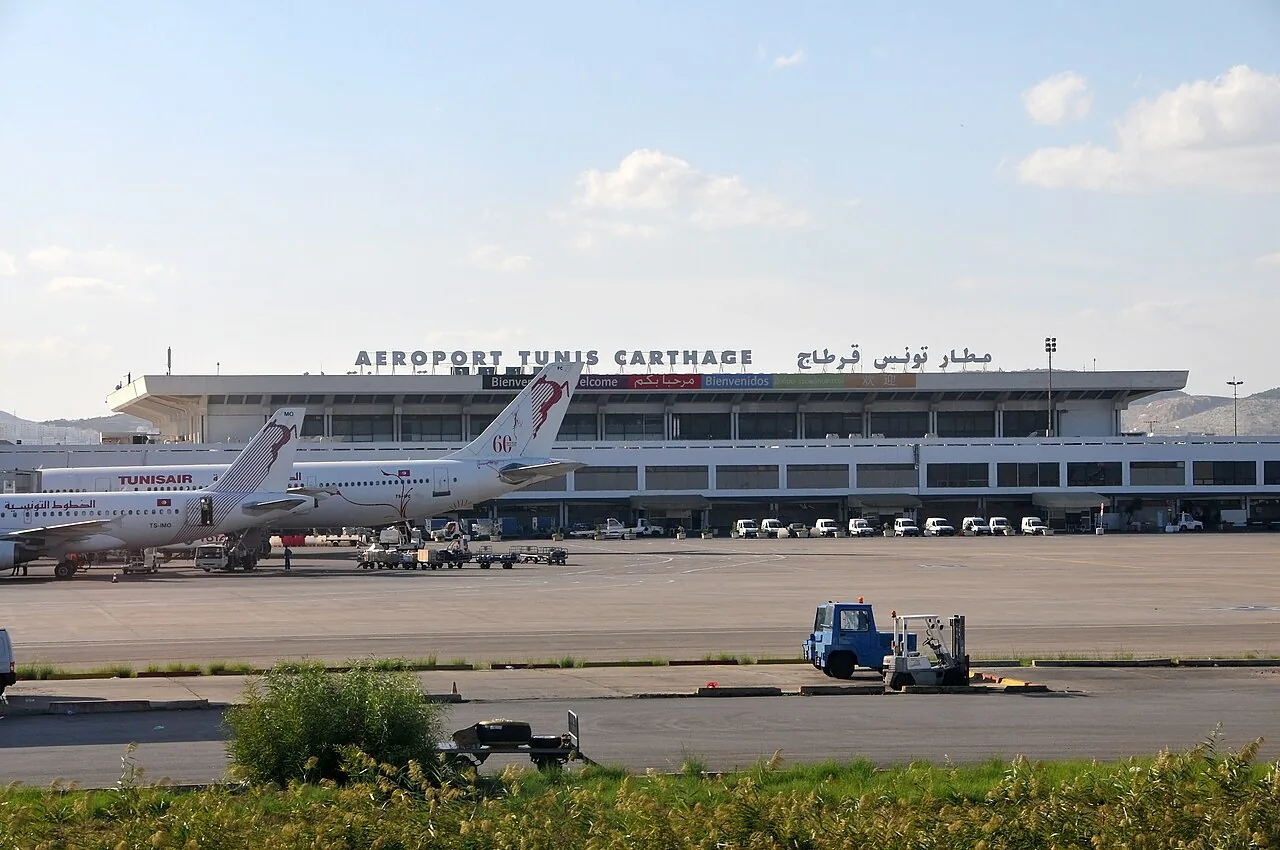
Tunis–Carthage International Airport sits just east of the Carthage ruins. Construction, fully funded by France, began in 1944, and by 1948 the finished airport had become the main hub of the newly formed national carrier, Tunisair.
Source: Wikipedia
During the Second World War the airport served as a headquarters for the US Twelfth Air Force during the 1943 Italian Campaign, hosting reconnaissance groups flying Lockheed F-4/F-5 Lightnings before becoming a major Allied transshipment hub for cargo and personnel.
Source: Wikipedia
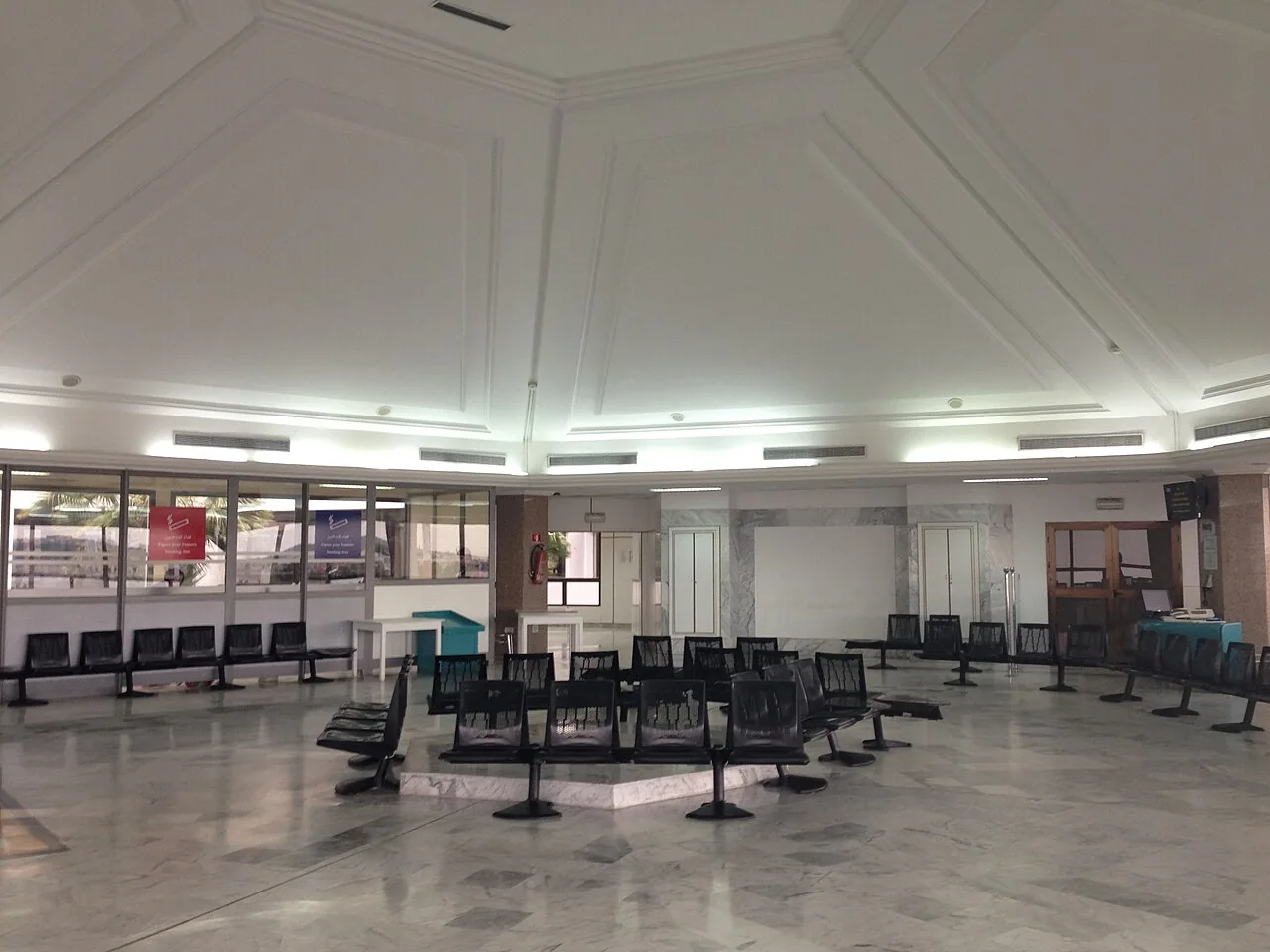
Tunisair launched its Douglas DC-3 network from Tunis–Carthage in 1948, flying to Marseille, Ajaccio, Bastia, Algiers, Rome, Sfax, Djerba and Tripoli. By 1951 the airport was carrying 56,400 passengers a year, nearly 60 percent of them on Air France.
Source: Wikipedia
A 1997 expansion enlarged the terminal to 57,448 square metres across two floors, with capacity for 4.4 million passengers a year. A further 2005 expansion added 5,500 square metres and 500,000 passengers of additional capacity.
Source: Wikipedia
On 7 May 2002, EgyptAir Flight 843, a Boeing 737 arriving from Cairo, crashed four miles from Tunis–Carthage International Airport. Of the 62 people aboard, 14 were killed.
Source: Wikipedia
Tunis–Carthage is the home base for four carriers — Tunisair, Tunisair Express, Nouvelair Tunisia and Tunisavia — and the head office of Tunisia's Civil Aviation and Airports Authority (OACA) sits on the airport's property.
Source: Wikipedia