Taiwan Taoyuan International Airport
Facts on TPE
TPE still stands for Taipei, but nothing about the airport does. It sits in Dayuan, Taoyuan, about 40 km west of the capital, and its official name has never contained the word Taipei — it opened as Chiang Kai-shek International and became Taiwan Taoyuan International in 2006.
Source: Wikipedia
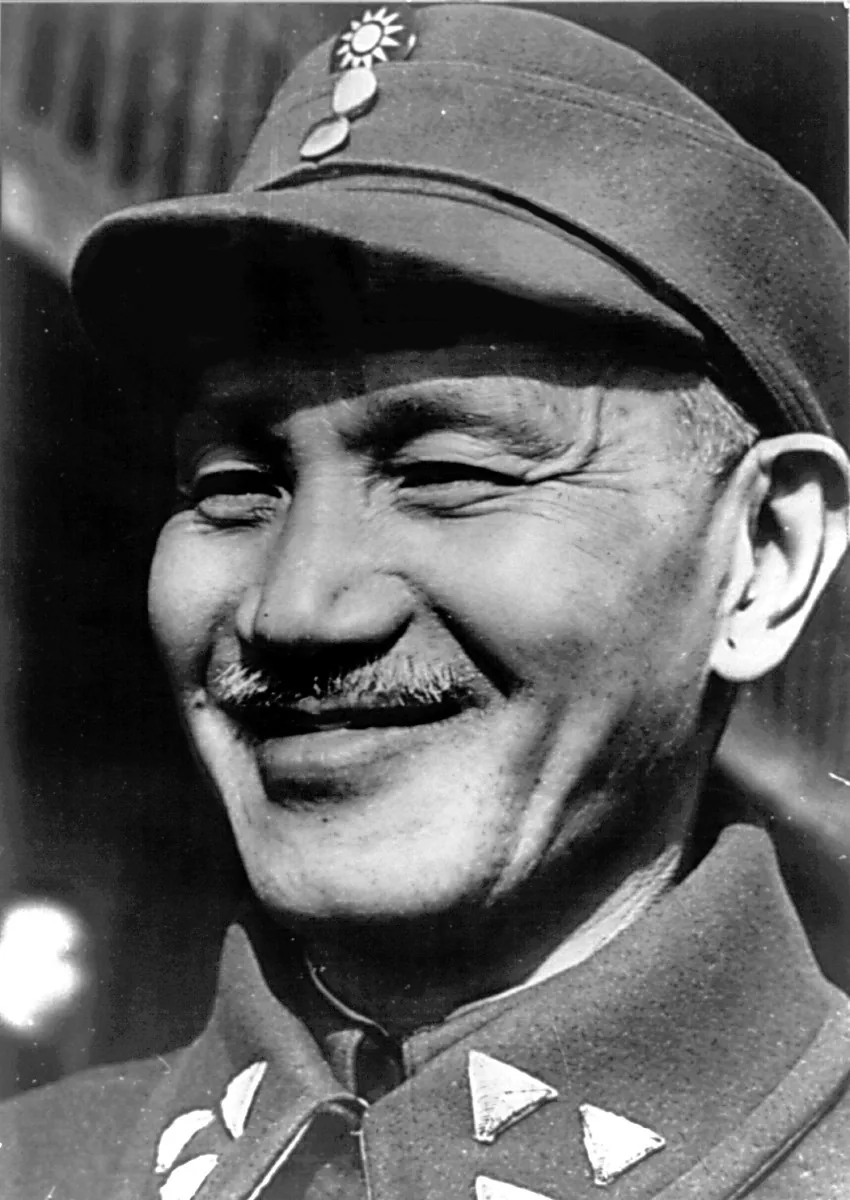
The airport carried Chiang Kai-shek's name until 2006. Born in Zhejiang in 1887, he led the Northern Expedition that unified China under a Nationalist government, commanded China through the war with Japan, then lost the civil war to Mao and moved his government to Taiwan in 1949, ruling as president until his death in 1975.
Source: Wikipedia
In Chinese the old name was 中正國際機場 — Chung-Cheng International Airport. Chung-Cheng, "central and correct", was the name Chiang adopted in 1917 from the sixteenth hexagram of the I Ching; when it was dropped in 2006 the Kuomintang pushed unsuccessfully to keep it in the title.
Source: Wikipedia
Taipei confusingly has two airports with similar-sounding codes: TPE (Taiwan Taoyuan International) is the country's main international gateway, about 40 km west of the city, while TSA (Taipei Songshan) sits right in town and handles mostly domestic and short regional routes — travelers occasionally book the wrong one.
Source: Taiwan Starts Here
TPE opened in 1979 as Chiang Kai-shek International Airport, named for Taiwan's former president, but the name proved politically divisive and it was officially renamed Taiwan Taoyuan International Airport in 2006.
Source: Wikipedia
Taoyuan literally means "peach garden". Qing-era settlers from Fujian and Guangdong planted peach trees across the plateau, and the spring blossom was so striking that they named the place Taozihyuan, peach orchard — the name the airport eventually took.
Source: Wikipedia
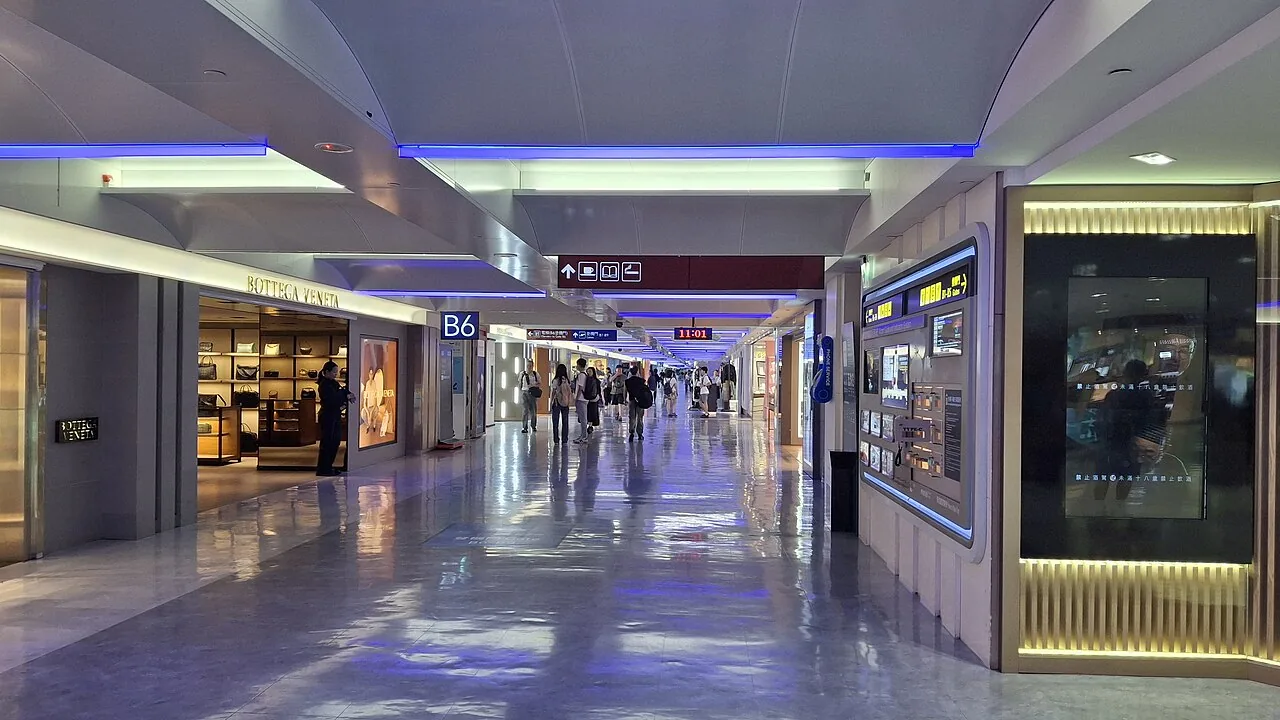
The airport opened on 26 February 1979 as one of Taiwan's Ten Major Construction Projects, built because Songshan in central Taipei was hemmed in and could not grow. Terminal 1 has been in service ever since.
Source: Wikipedia
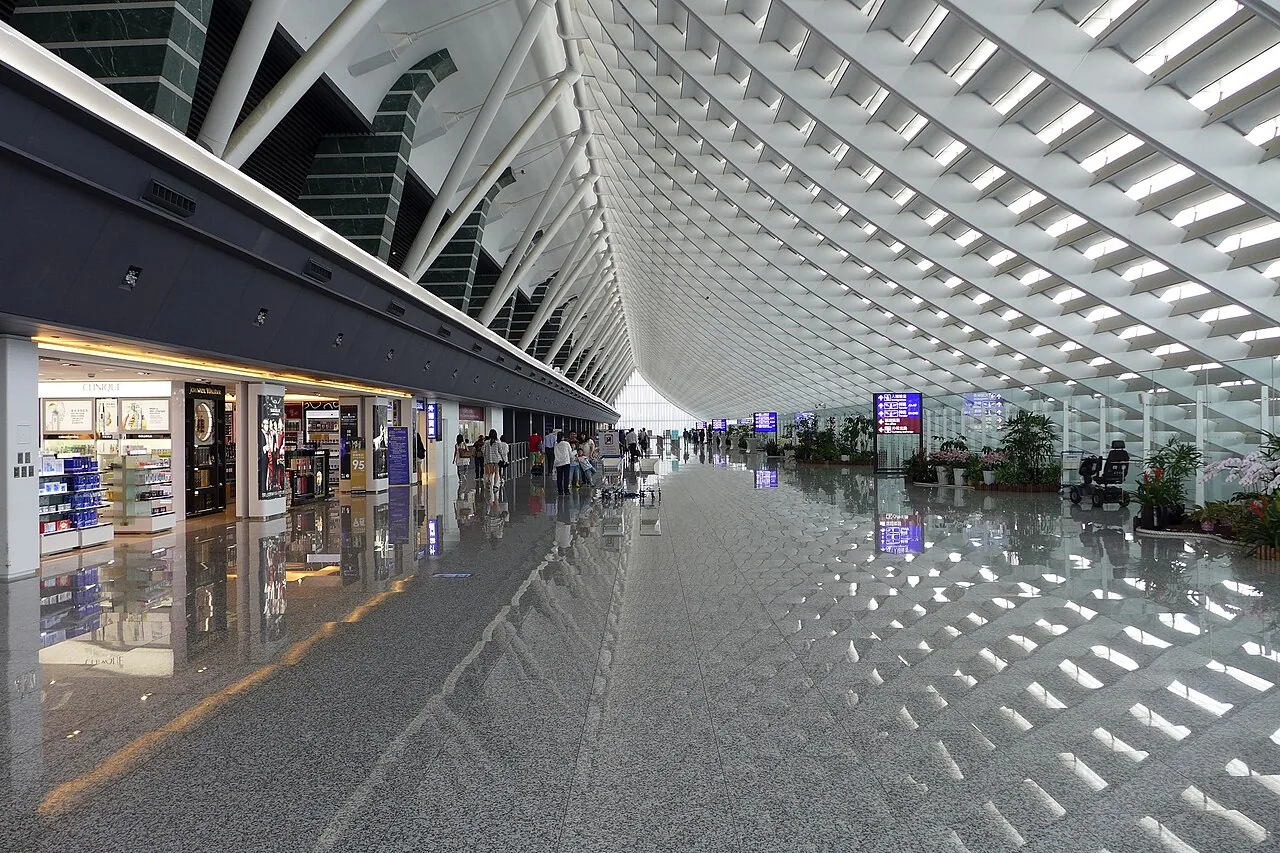
Terminal 1 was designed by the Chinese-born Taiwanese-American structural engineer Tung-Yen Lin, openly influenced by Eero Saarinen's main terminal at Dulles. A 2012 renovation by Japanese architect Norihiko Dan doubled its floor area and won the 2014 Taiwan Architecture Award.
Source: Wikipedia
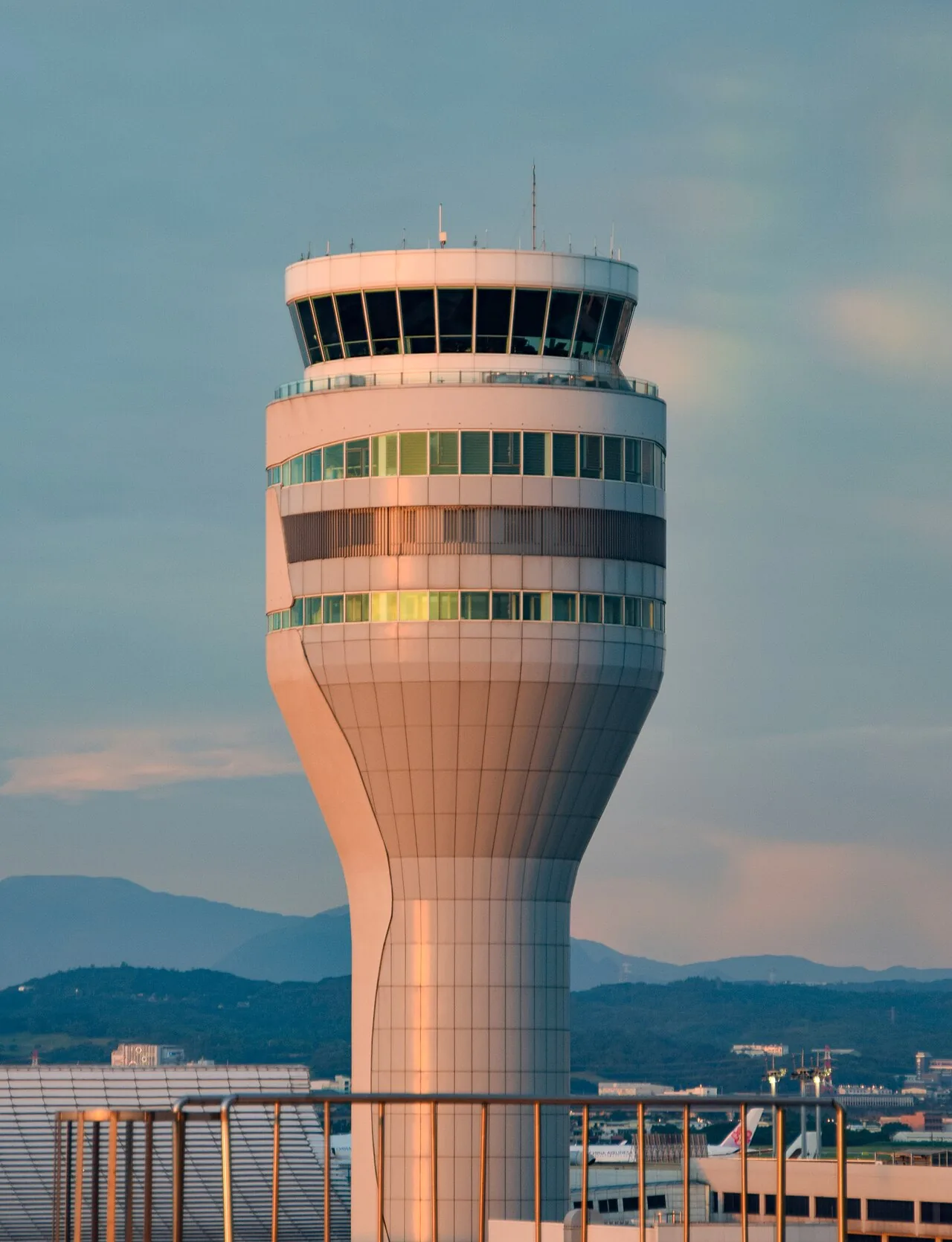
Taoyuan works two parallel runways, one 3,660 metres long and the other 3,800, both 60 metres wide. Both hold a Category II precision approach, letting crews land with just 350 metres of visibility, and together they can absorb over 60 aircraft movements an hour.
Source: Wikipedia
Terminal 3, designed by Richard Rogers's firm Rogers Stirk Harbour + Partners and costing over US$2.3 billion, is one of the most expensive construction projects in modern Taiwanese history. Its wave-like roof carries lights that rise and fall to mirror the flow of passengers below.
Source: Wikipedia
On 31 October 2000 Singapore Airlines Flight 006, a Boeing 747-400, began its takeoff roll on the wrong runway — one closed for construction — and struck the equipment parked on it. Of the 179 people aboard, 83 died. It remains the airport's worst accident.
Source: Wikipedia