Tampa International Airport
Facts on TPA
On January 1, 1914, aviator Tony Jannus flew the St. Petersburg–Tampa Airboat Line's inaugural flight across Tampa Bay in a Benoist Flying Boat — the world's first scheduled airline flight using a heavier-than-air aircraft, making Tampa Bay the birthplace of commercial aviation.
Source: Wikipedia
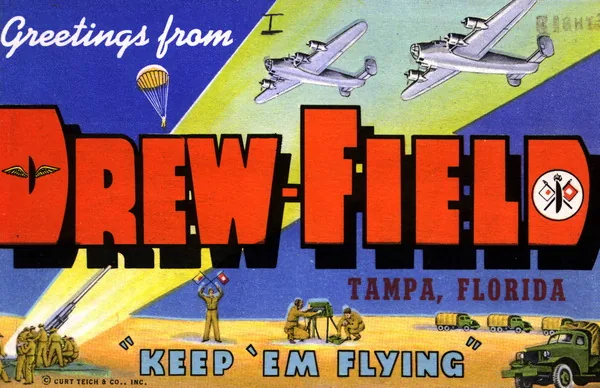
Tampa's airport began in 1928 as the 160-acre Drew Field, named for local developer John H. Drew, who had previously owned the land. During World War II the U.S. Army Air Forces expanded it and trained roughly 120,000 combat air crews there as Drew Army Airfield.
Source: Wikipedia
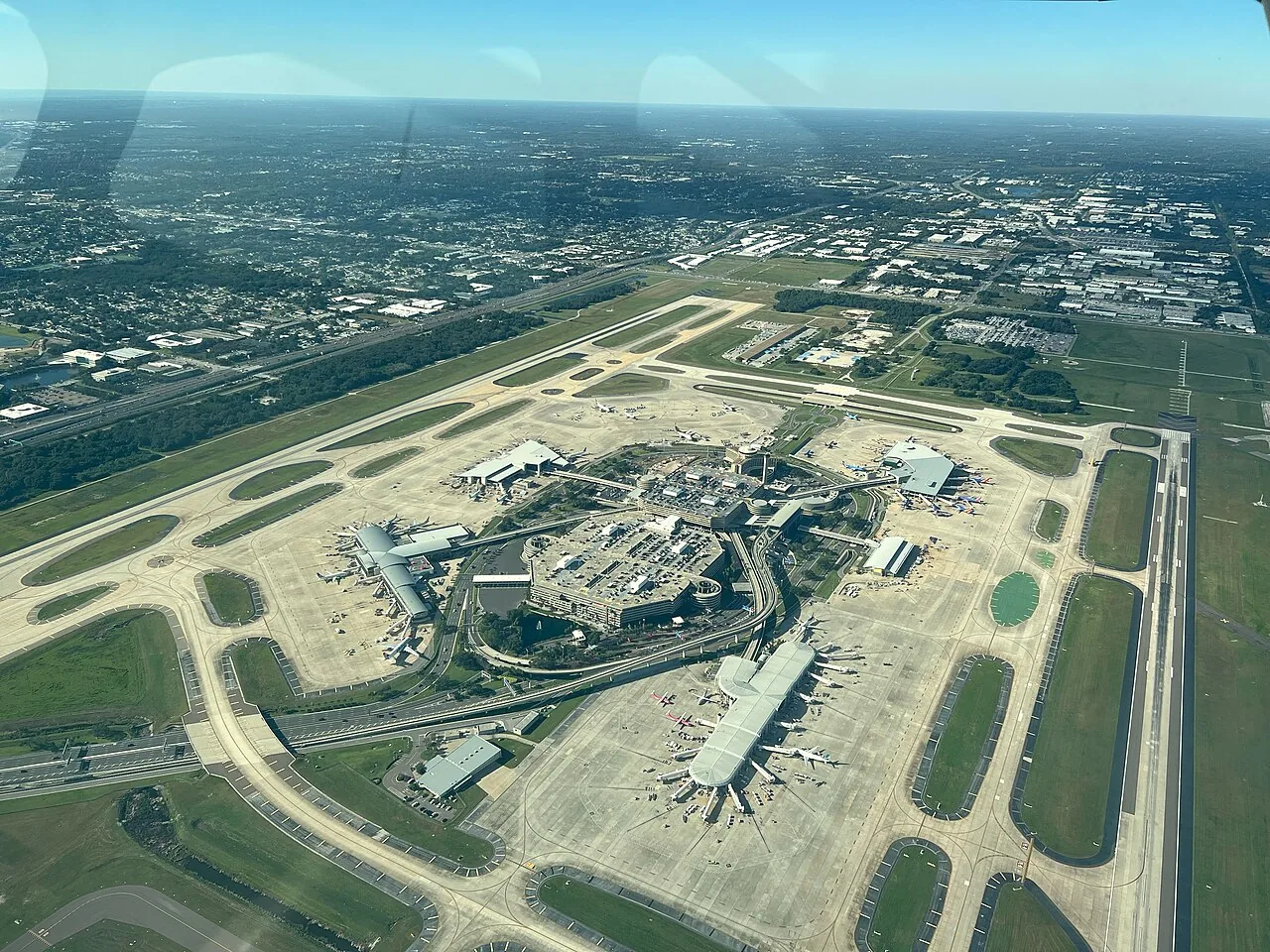
Tampa International's Landside/Airside layout — a central terminal with satellite Airsides reached by automated shuttle — was the first of its kind in the world. Airport leaders chose the design in 1965 after a study, and the terminal opened for passengers on April 15, 1971.
Source: Wikipedia
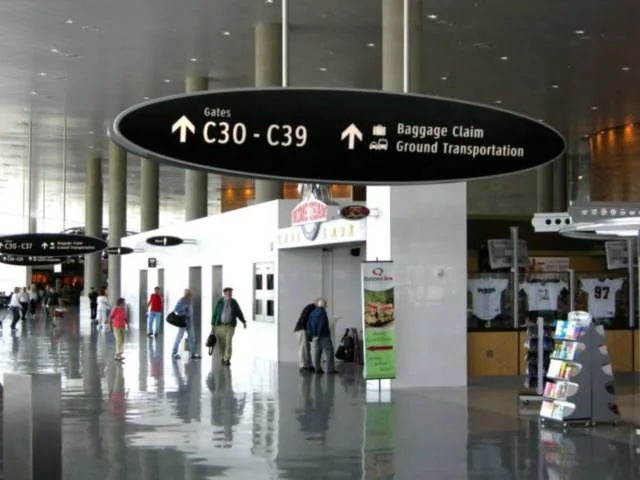
Designer Jane Davis Doggett created Tampa's red-and-blue color-coded wayfinding system, guiding drivers on the approach road to the right airline dropoff and then guiding passengers to their gate. It was the first airport anywhere to use this kind of signage.
Source: Wikipedia
Tampa International was the first airport in the world to deploy a fully automated, driver-free people-mover system, ferrying passengers between the Landside terminal and the Airside satellites; it hosts Bombardier Transportation's longest continuously running automated people-mover system.
Source: Wikipedia
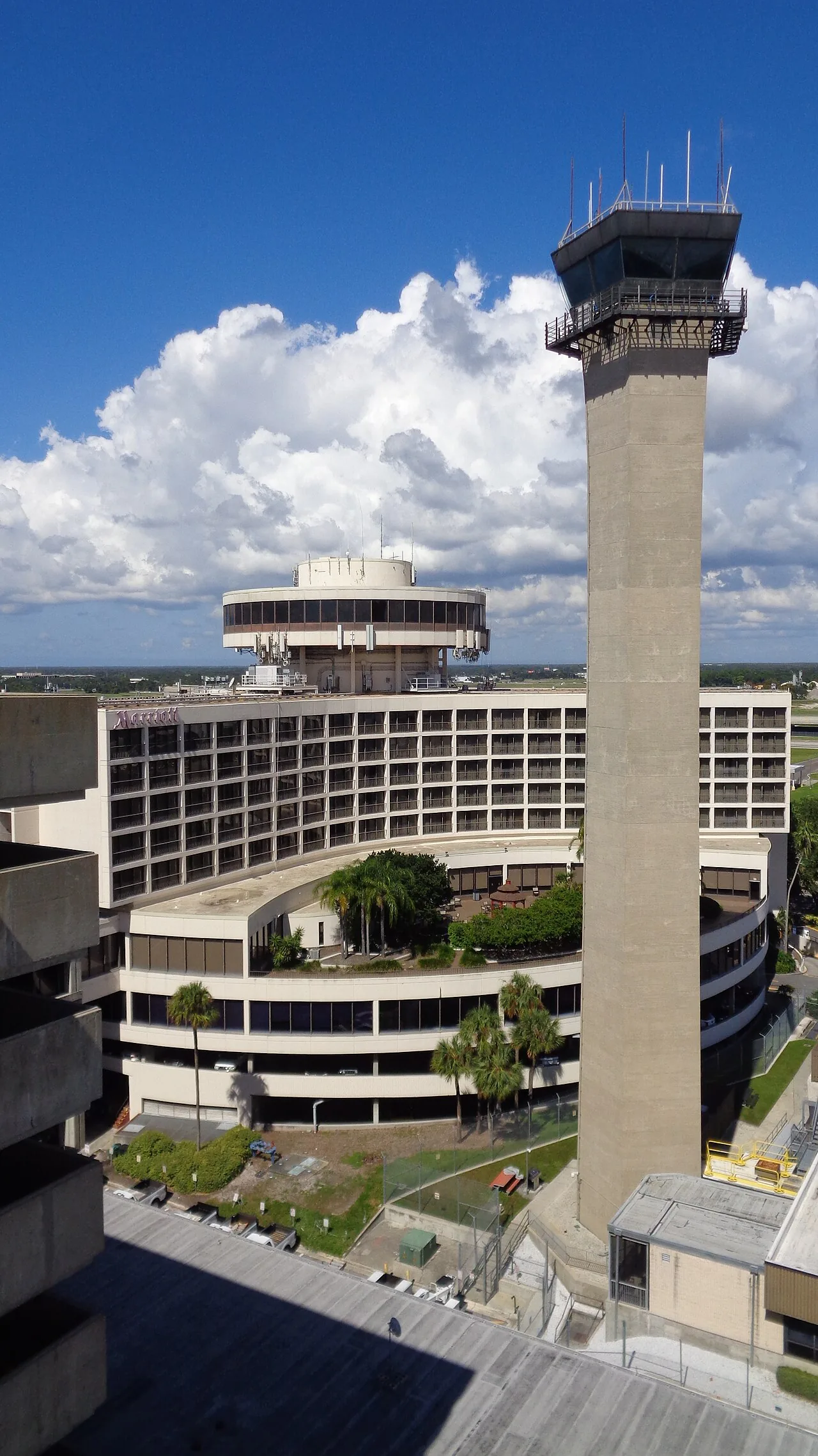
The airport's 207-foot air traffic control tower opened on July 15, 1972, and was the tallest control tower in the United States at the time.
Source: Wikipedia
In August 2022, Tampa International installed a 21-foot bronze flamingo sculpture titled "HOME," nicknamed Phoebe, in its main terminal. American artist Matthew Mazzotta's design was selected from 734 proposals submitted from around the world.
Source: Wikipedia
Tampa International covers 3,300 acres at an elevation of 26 feet above sea level. Its longest runway, 19R/1L, is 11,002 feet of concrete, while the shorter crosswind runway 10/28 measures 6,999 feet of asphalt and concrete.
Source: Wikipedia