Shenzhen Bao'an International Airport
Facts on SZX
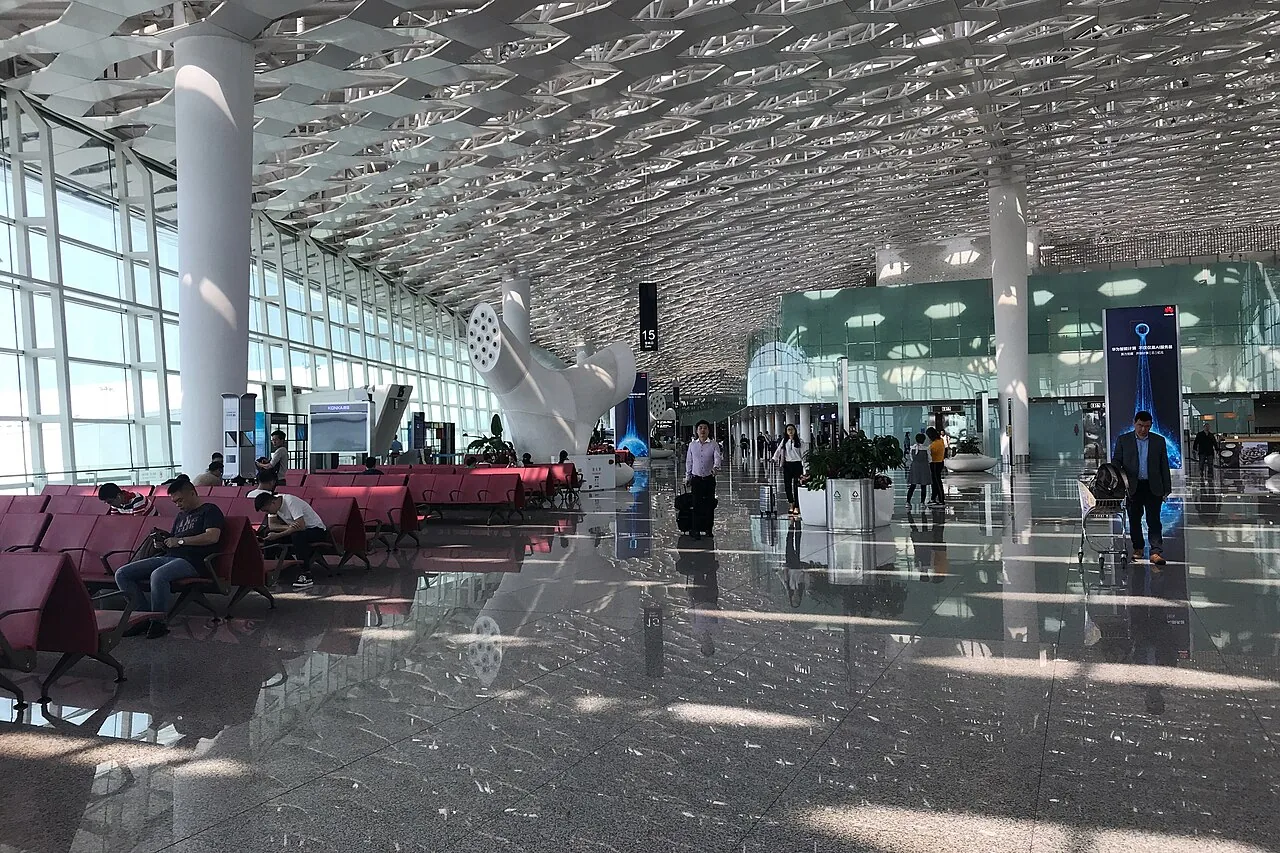
Studio Fuksas won a 2008 competition with a terminal meant to evoke a manta ray. Terminal 3 runs about 1.5 km, spans up to 80 metres of roof, and is wrapped in a double skin of honeycomb metal-and-glass panels; inside, white conical columns rise to the roof at cathedral scale.
Source: designboom
Bao'an is one of the oldest names in the region. The Eastern Jin dynasty founded Bao'an County in 331; renamed Xin'an in 1573, its territory covered what is now both Shenzhen and Hong Kong, until roughly 1,056 of its 3,076 square kilometres were ceded to Britain between 1842 and 1898.
Source: Wikipedia
The airport opened on 12 October 1991 inside what was then Bao'an County — but it was called Shenzhen Huangtian Airport, and only took the Bao'an name in 2001. Bao'an District itself was not created until 1 January 1993, a year and a half after the first flight.
Source: Wikipedia
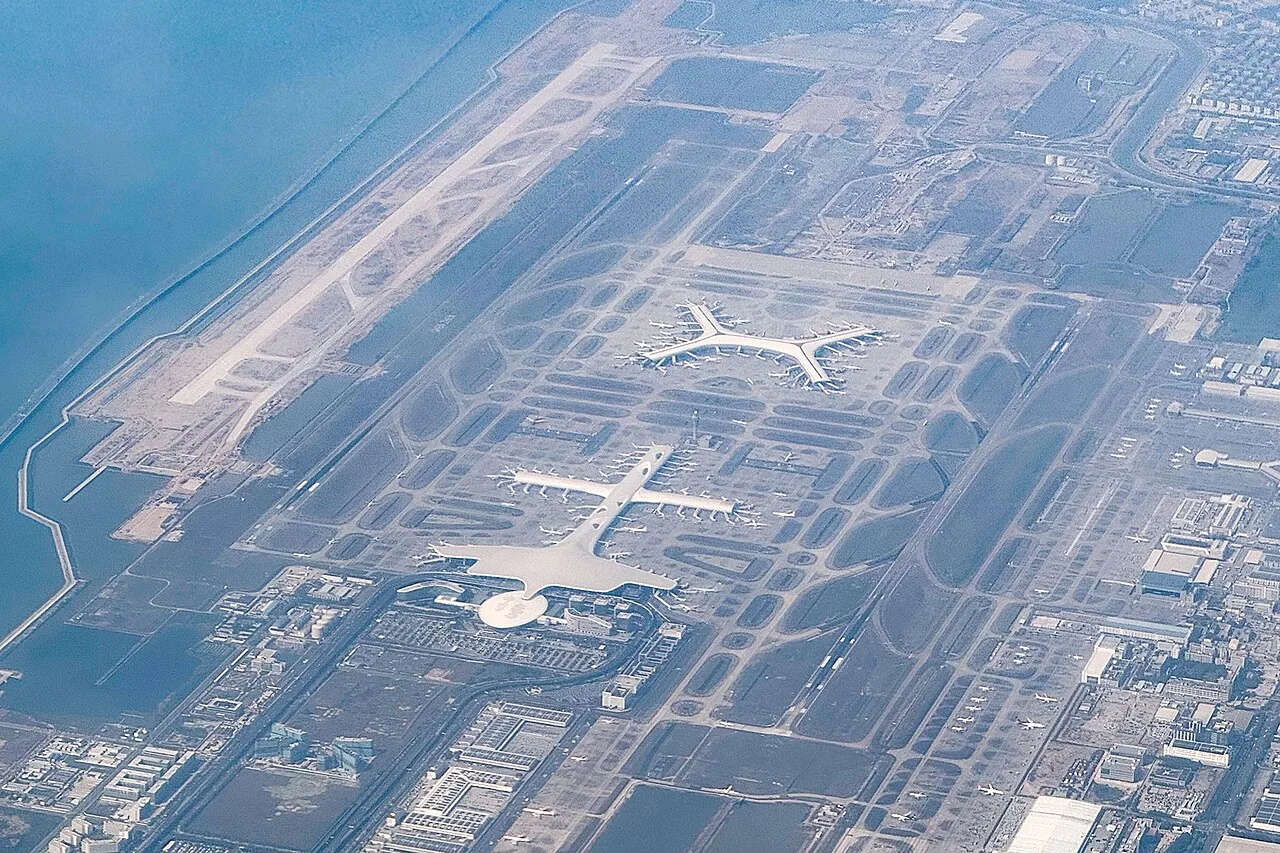
Locals call Terminal 3 the "giant flying fish". It opened on 28 November 2013, the day after Terminals A, B and D all closed at once, and covers 450,000 square metres over six floors with 63 boarding gates, designed for around 14,000 passengers an hour at peak.
Source: Wikipedia
Shenzhen entered its "three-runway era" on 29 November 2025. The new runway is 3,600 metres long and 45 metres wide at the top 4F rating; Shenzhen Airlines ZH9103 took off from it at 10:08 am and China Southern CZ3590 landed on it five minutes later.
In 2023 the airport handled 52,734,934 passengers, making it the fourth-busiest in mainland China according to the Civil Aviation Administration, and moved 1,600,347.7 tonnes of freight — twentieth in the world for cargo that year.
Source: Wikipedia
Shenzhen is one of three big airports crowded into the Pearl River Delta, alongside Hong Kong and Guangzhou. Fast ferries from nearby Fuyong Pier run straight to Hong Kong's SkyPier, letting passengers transfer between the two airports without clearing immigration or customs.
Source: Wikipedia
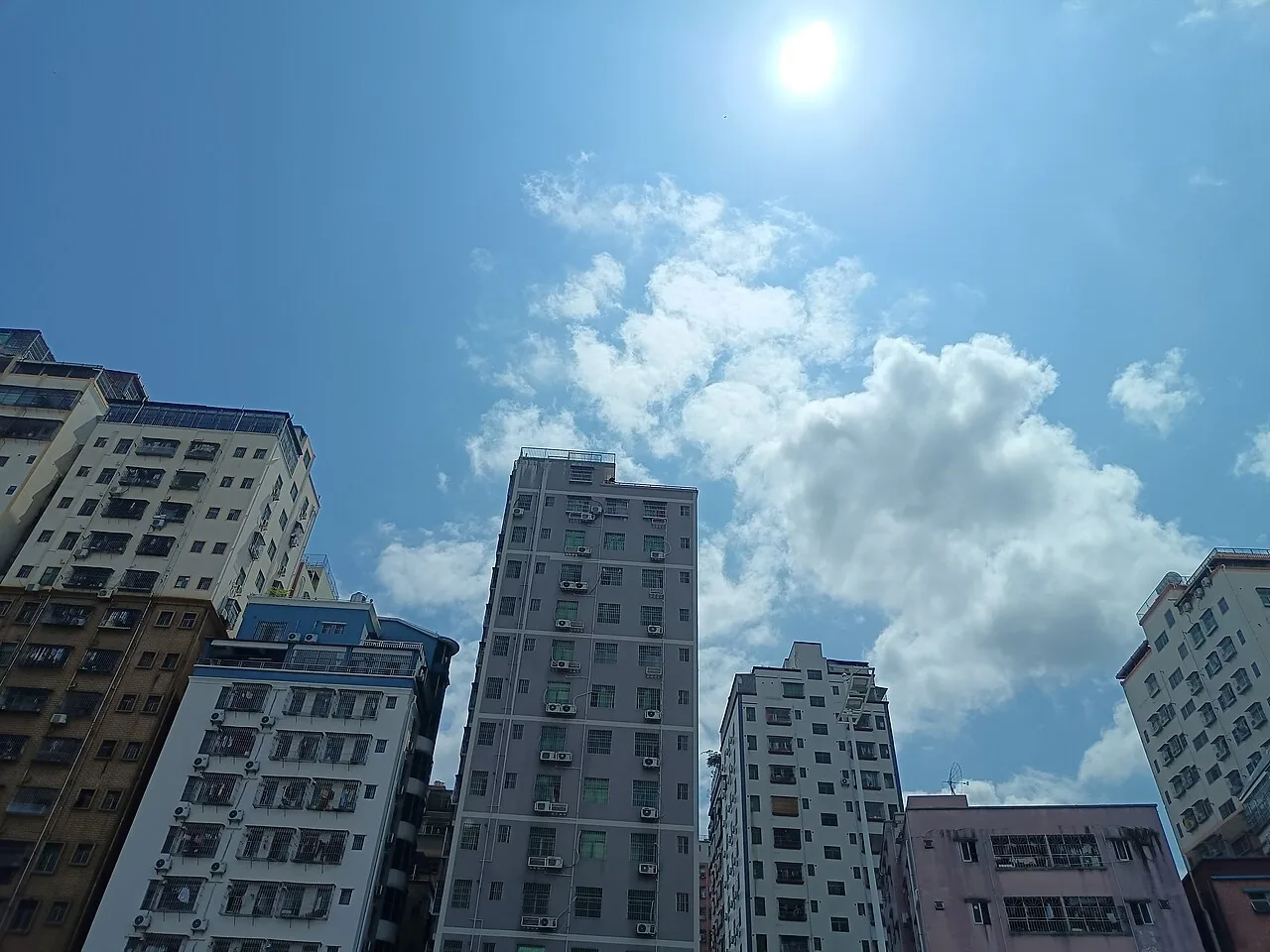
The city's own name is agricultural: locals called the drains in paddy fields zhen, and Shenzhen means roughly "deep ditch", after one such drain. The name was chosen in 1978 by Xi Zhongxun, then Guangdong party secretary, just before the rural area became China's first special economic zone.
Source: Wikipedia
Freight is the airport's quieter speciality. SF Airlines — the cargo arm of SF Express — is headquartered in the No. 1 Freight Depot on the airport's International Shipping Center, Shenzhen Airlines and Donghai Airlines are based here too, and UPS runs an Asia-Pacific hub from the field.
Source: Wikipedia