Sydney Kingsford Smith International Airport
Facts on SYD
Sydney's airport wasn't always Kingsford Smith: it opened in 1920 and was known locally as Mascot Airport for its suburb, only being renamed in August 1936 in honor of pioneering aviator Sir Charles Kingsford Smith, who had gone missing in a plane over the Andaman Sea the previous November.
Source: Wikipedia
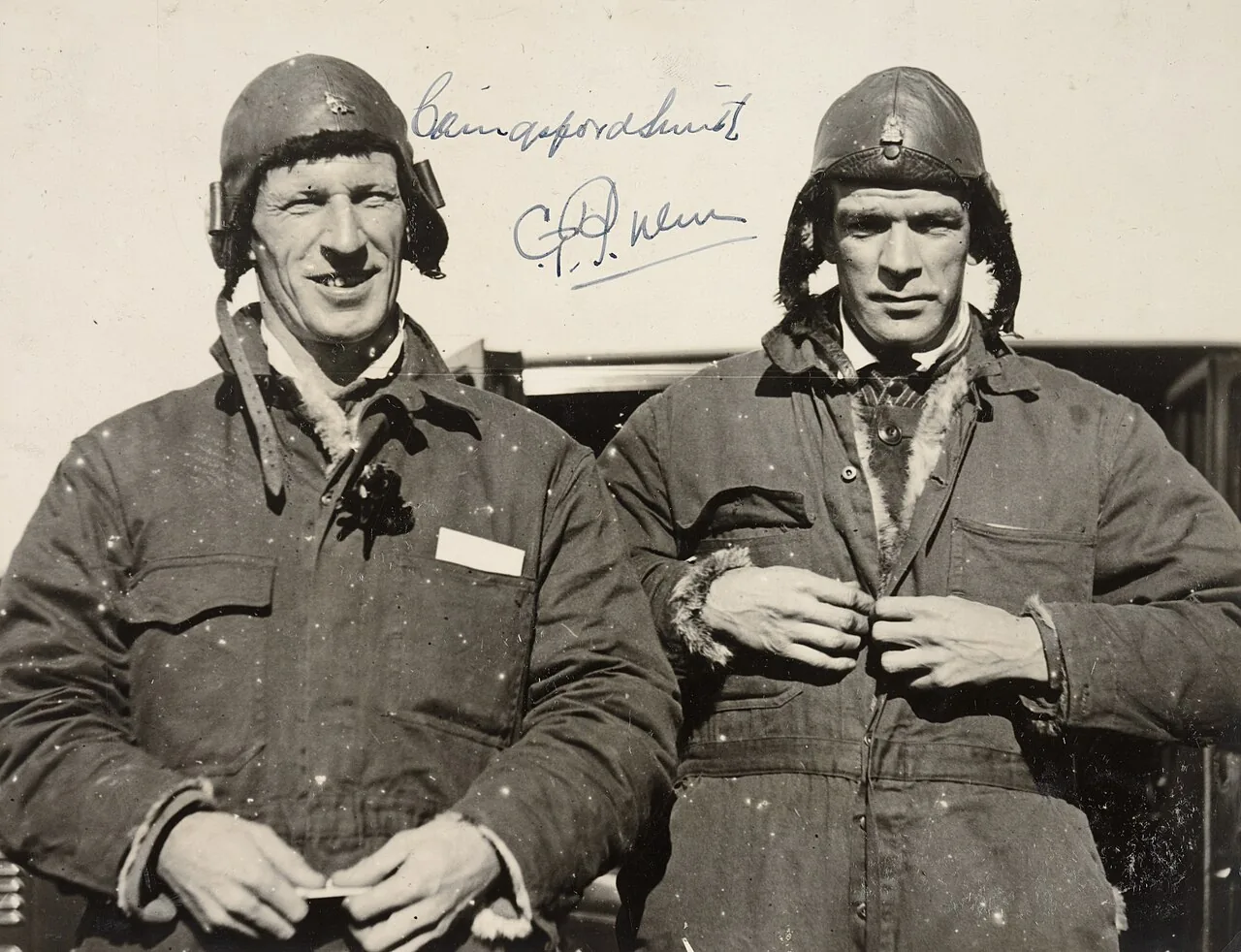
The airport is named for Charles Kingsford Smith, who made the first trans-Pacific flight in 1928, flying the Fokker trimotor Southern Cross from Oakland to Brisbane in three legs — Hawaii, then Fiji through an equatorial lightning storm, then Australia — some 11,566 km in all. A crowd of 26,000 met him.
Source: Wikipedia
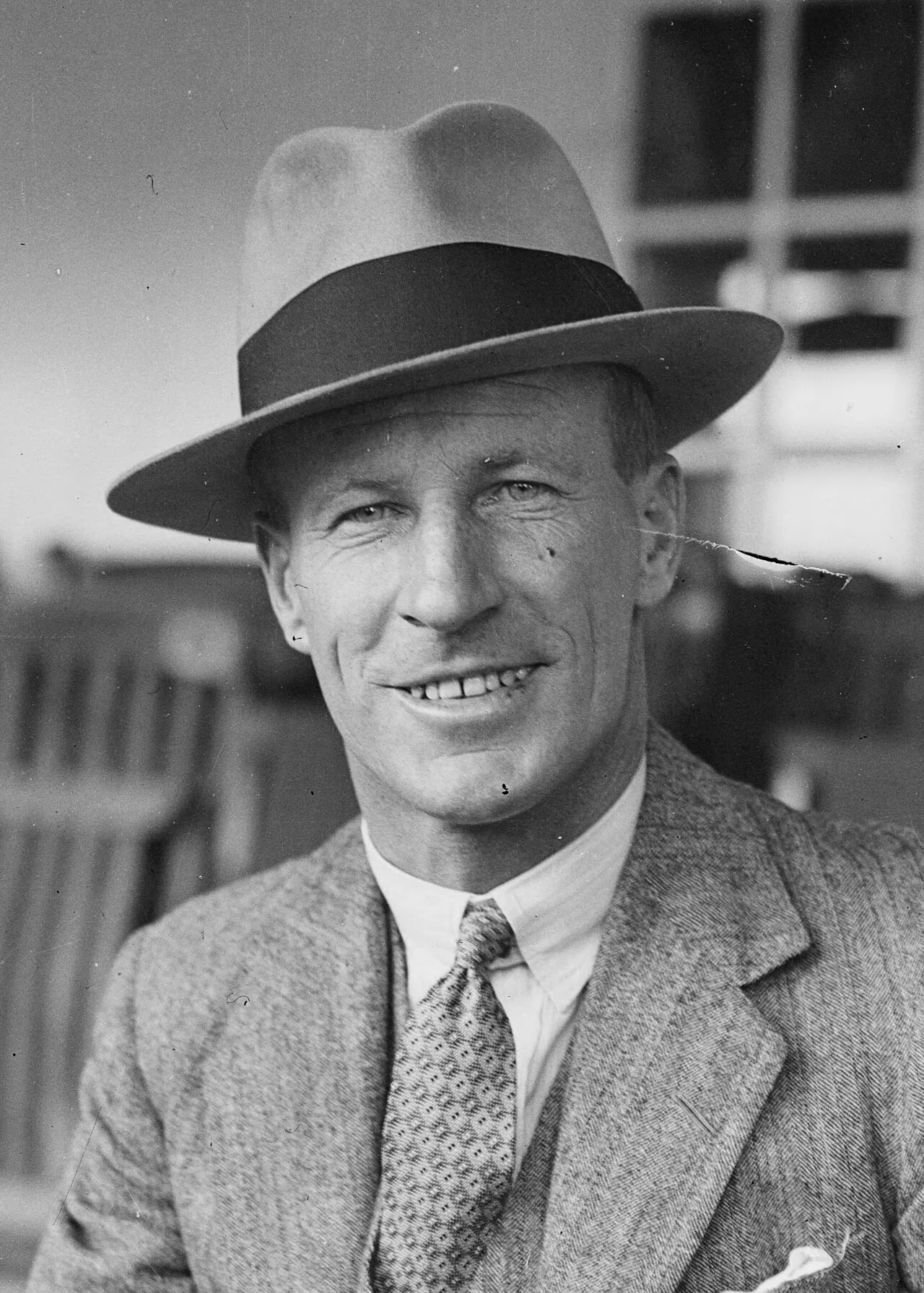
"Smithy" earned the honour the hard way: a dispatch rider at Gallipoli, he transferred to the Royal Flying Corps, was shot down in August 1917 and lost two toes, winning the Military Cross. Knighted in 1932, he later appeared on Australia's $20 note from 1966 to 1994.
Source: Wikipedia
Sydney Airport has been operating continuously since 1920, making it one of the longest continuously operating commercial airports anywhere in the world — and it remains Australia's busiest, handling over 41 million passengers in 2024.
Source: Wikipedia
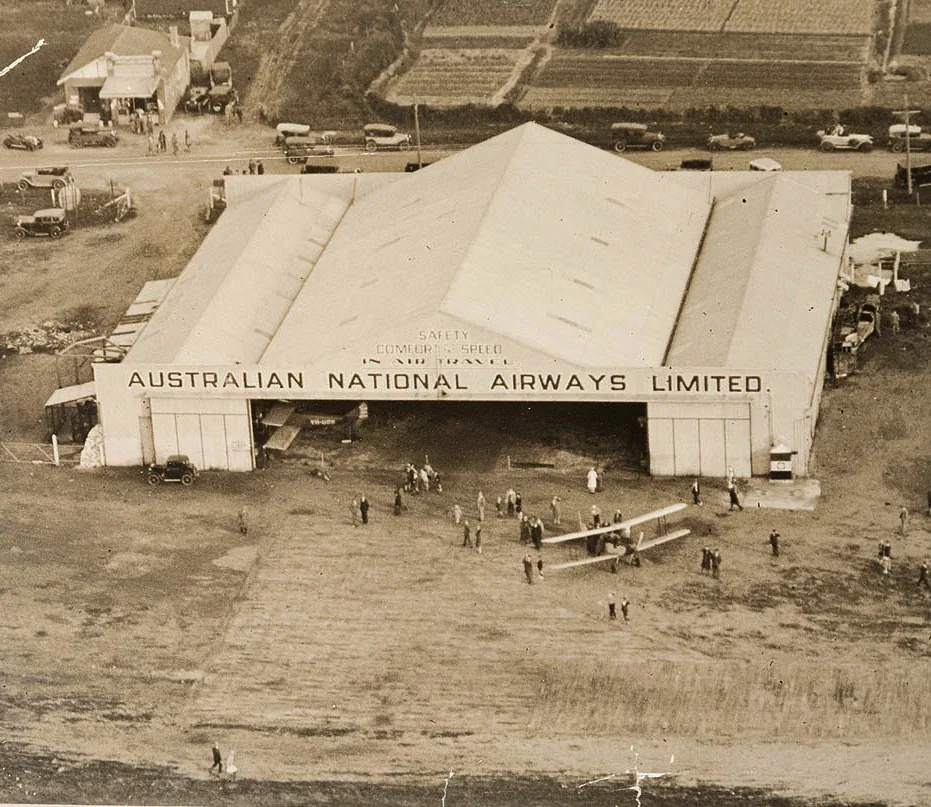
The land was a bullock paddock in swampy Mascot before Nigel Love leased 80 hectares of it from the Kensington Race Club. The first flight left in November 1919 with a freelance movie photographer aboard an Avro; the aerodrome opened officially on 9 January 1920.
Source: Wikipedia
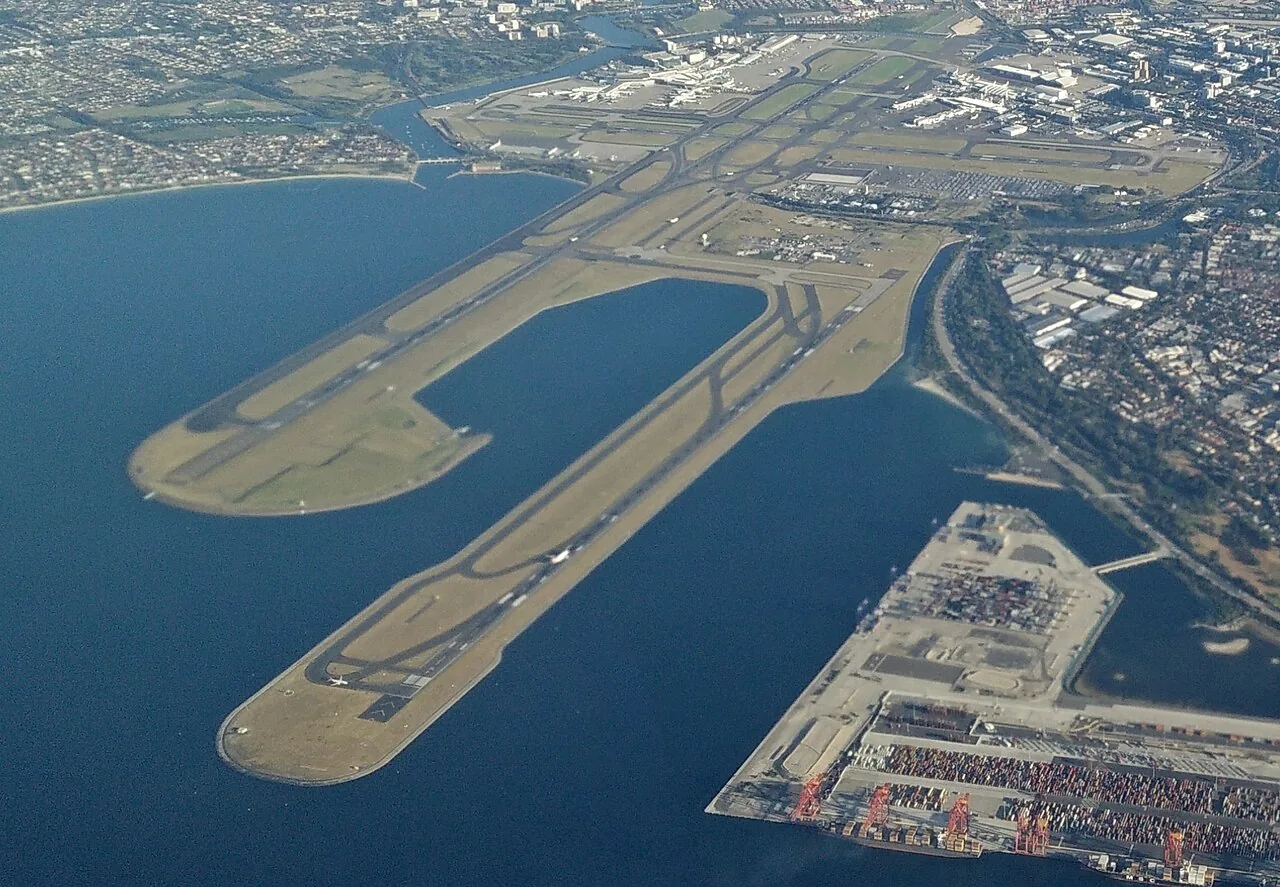
Runway 16R/34L is Australia's longest at 4,400 metres of pavement. It was pushed out into Botany Bay and extended to that length in the late 1970s partly so it could serve as a designated emergency landing site for NASA's Space Shuttle, a role it held until 1986.
Source: Wikipedia
Sydney is one of the few major airports that legally shuts overnight. The Sydney Airport Curfew Act 1995 bans takeoffs and landings between 11 pm and 6 am, with only limited approved movements in the shoulder hours; breaching it can cost an airline up to A$550,000.
Source: Wikipedia
The airport's 1940 terminal, built by the Department of Civil Aviation with a control tower cab on its top floor, was never demolished. It was swallowed by later construction and now sits inside Terminal 3, around gates 17 to 19, though the tower cab is long gone.
Source: Wikipedia
The main runway physically splits the airport: Terminal 1 sits on the far side of 16R/34L from the domestic terminals, so connecting passengers are told to allow 30 minutes to an hour. General Holmes Drive dives into a tunnel beneath that runway and three taxiways.
Source: Wikipedia
Qantas runs sightseeing flights to Antarctica out of Terminal 3 using a Boeing 787. The trips last about thirteen hours, giving a guided aerial tour of the continent before returning to Sydney — the aircraft never lands anywhere else.
Source: Wikipedia