Juan Santamaría International Airport
Facts on SJO
Funding for the airport was secured in 1951, but construction dragged on for seven years before it officially opened in 1958, replacing Costa Rica's old downtown airport — a site that is now San José's Parque La Sabana.
Source: Wikipedia
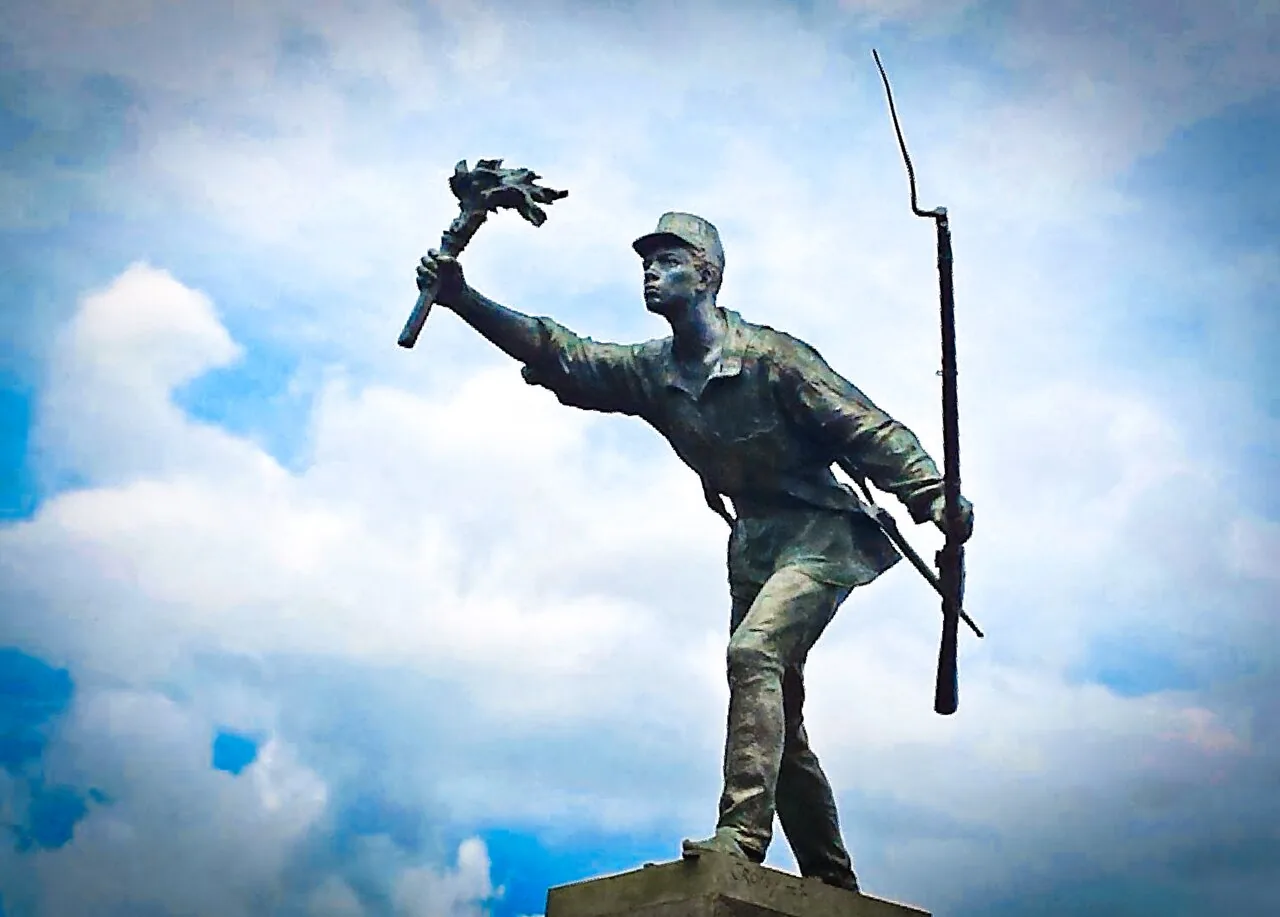
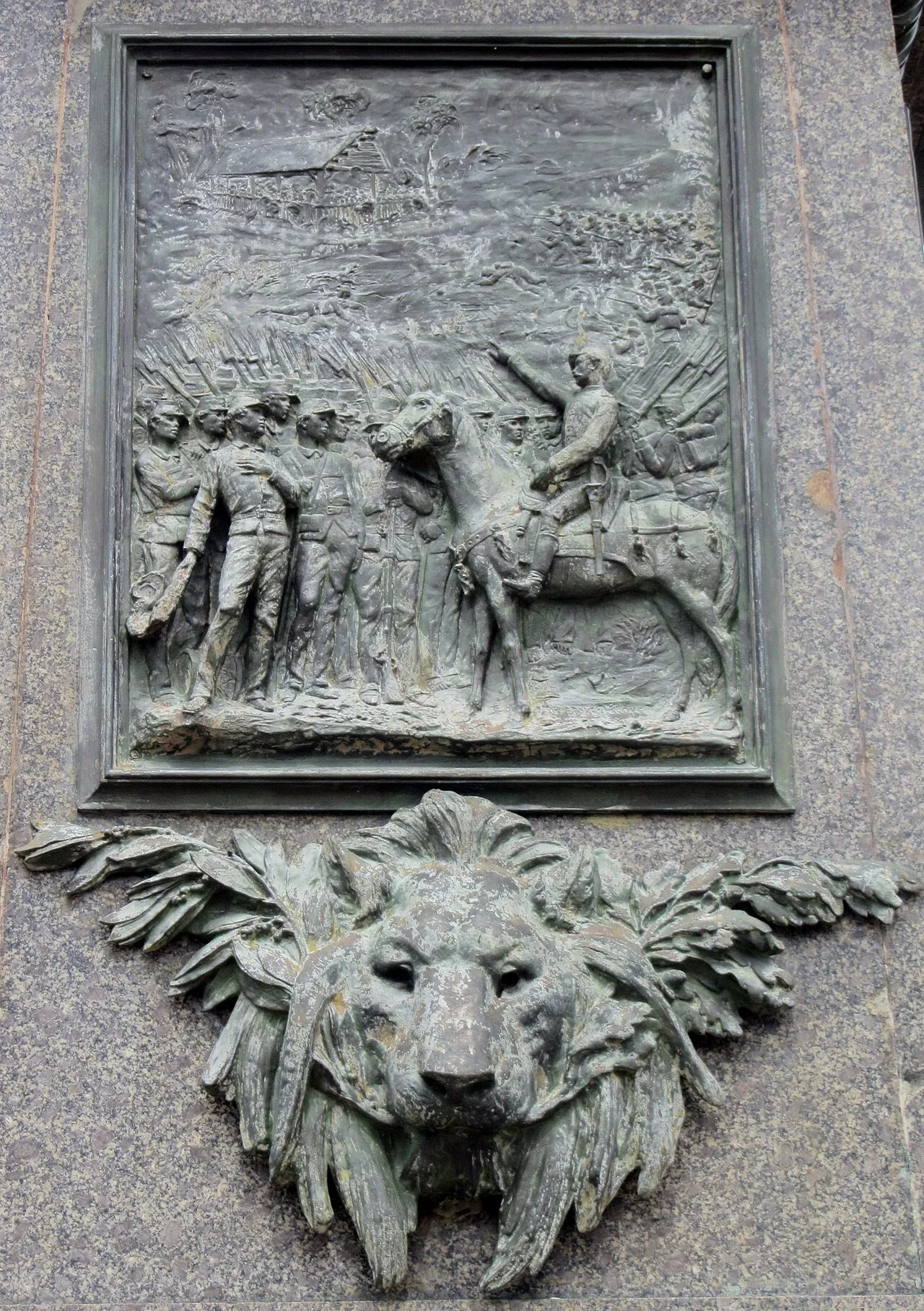
The airport is named for Juan Santamaría, a poor Alajuela laborer turned army drummer boy who became Costa Rica's national hero: at the 1856 Second Battle of Rivas he torched a fortified building held by American filibuster William Walker's forces, dying in the act but securing the battle for Costa Rica.
Source: Wikipedia
The airport opened on May 2, 1958 as 'Aeropuerto Internacional el Coco,' simply named for its location in Alajuela province, and was only later renamed for Santamaría — decades after an 1891 statue in his hometown first turned the drummer boy into a national symbol.
Source: Wikipedia
The airport once had a small hangar nicknamed 'NASA' that housed research aircraft, including a Martin B-57 Canberra high-altitude jet, flying missions in Costa Rican airspace; the hangar was removed once that research program ended.
Source: Wikipedia
A Concorde touched down at Juan Santamaría in 1999 for that year's Costa Rican air show — a rare visit for a supersonic airliner to a Central American runway.
Source: Wikipedia
Management of the airport was privatized in 2001 under a 20-year concession to Alterra Partners, but disputes over financing halted expansion work in 2002; a new operator, later renamed AERIS Holdings, didn't take over until 2009.
Source: Wikipedia
Passenger traffic first broke one million a year in 1991; by 2022 the airport was handling roughly 5 million passengers annually, making it Central America's second-busiest airport, after Panama's Tocumen.
Source: Wikipedia

For years Juan Santamaría was Costa Rica's only international gateway, until an airport opened in Liberia, Guanacaste; today it remains the country's hub for Avianca Costa Rica, Sansa Airlines and Volaris Costa Rica, and a focus city for Copa Airlines.
Source: Wikipedia