Norman Y. Mineta San Jose International Airport
Facts on SJC
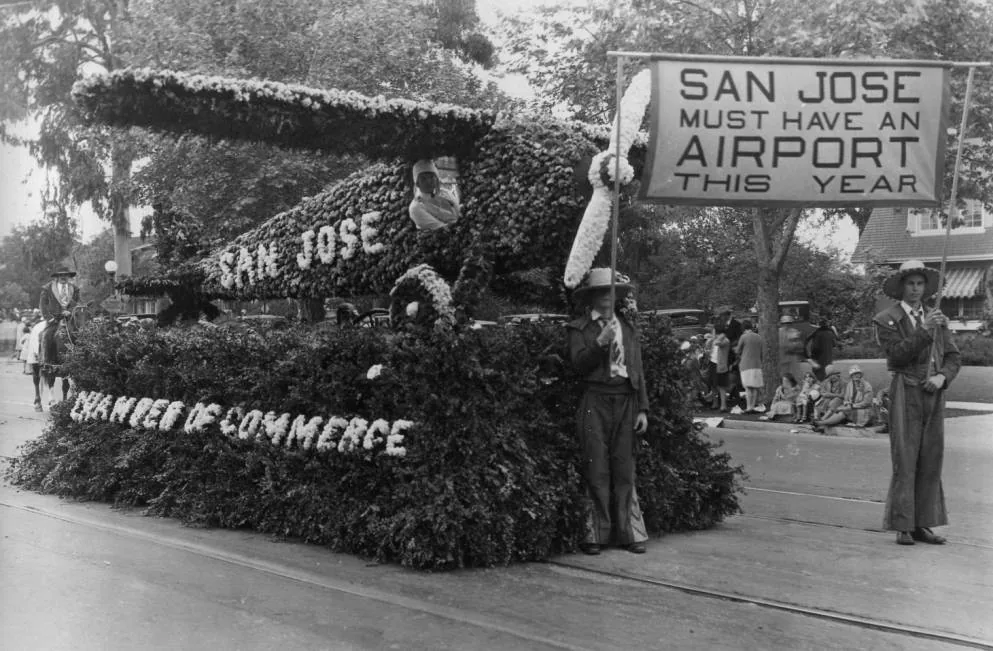
The airport traces back to 1939, when wholesale grocer and future mayor Ernie Renzel led a group that negotiated an option to buy 483 acres of the Stockton Ranch from the Crocker family for San Jose's future airport.
Source: Wikipedia
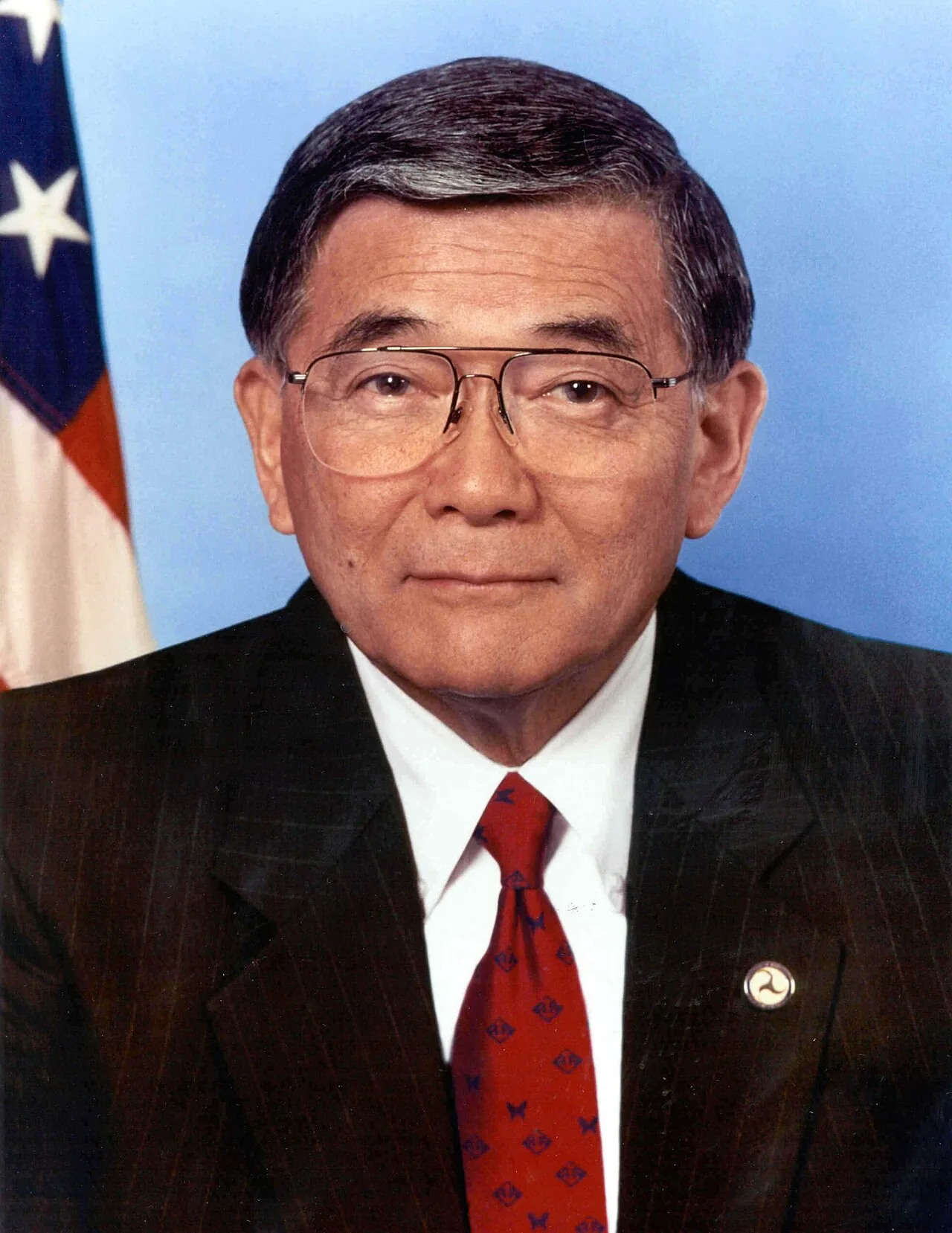
Norman Y. Mineta, whom the airport is named for, was a Japanese American born in San Jose who was interned with his family at the Heart Mountain camp in Wyoming during World War II as a child, an experience that later shaped his opposition to post-9/11 racial profiling of airline passengers.
Source: Wikipedia
Mineta, the airport's namesake, served as San Jose's mayor from 1971 to 1975 -- the first Japanese American mayor of a major U.S. city -- then as a U.S. Secretary of Commerce under Clinton and Secretary of Transportation under Bush; the San Jose airport was renamed for him in November 2001 while he held the latter post.
Source: Wikipedia
American Airlines launched San Jose's first direct link to Asia in March 1991, flying McDonnell Douglas DC-10s to Tokyo -- but the airport's short runway meant the jets couldn't take off with both a full cabin and full fuel tanks, forcing a swap to MD-11s.
Source: Wikipedia
SJC's two runways sit just 700 feet apart at the centerline -- a tighter separation than at many major airports -- and both were later lengthened to 11,000 feet.
Source: Wikipedia
Because the airport sits less than four miles from downtown San Jose, FAA height rules tied to its flight paths limit how tall buildings in the city center can be built.
Source: Wikipedia
On April 21, 2014, a teenage boy scaled a security fence at SJC and stowed away in the wheel well of a Hawaiian Airlines Boeing 767, surviving the five-hour flight to Maui.
Source: Wikipedia
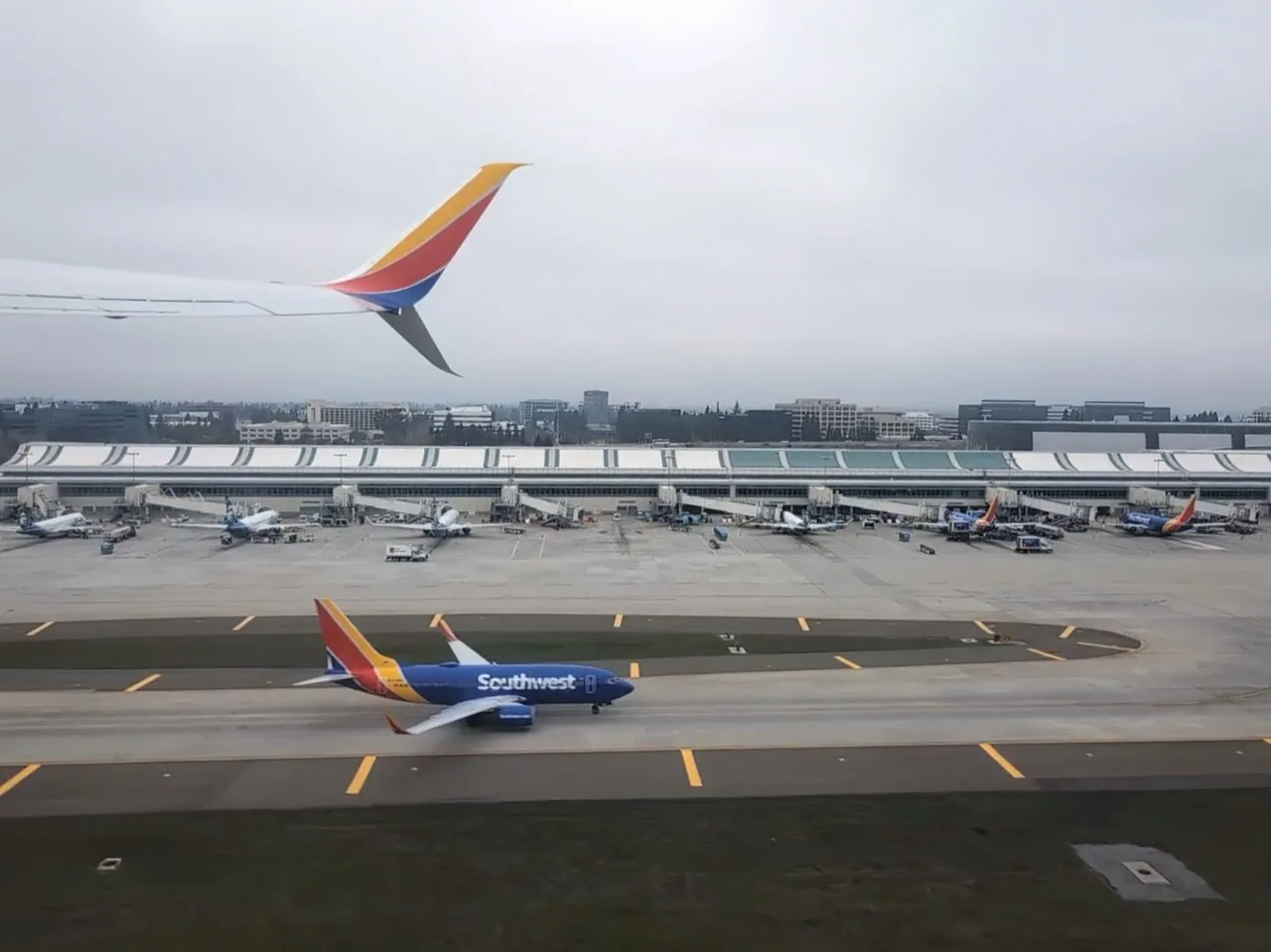
Terminal B, which opened in 2010, earned LEED Silver certification for its daylit spaces and chairs fitted with power and USB ports at every seat -- an early example of build-in device charging at a U.S. airport.
Source: Wikipedia