Singapore Changi Airport
Facts on SIN
Jewel Changi's Rain Vortex is the world's tallest indoor waterfall, plunging 40 meters through a glass oculus in the terminal's domed roof — and it's fed by collected rainwater rather than a pumped external supply.
Source: Wikipedia - Jewel Changi Airport
Changi is a place, not a person. The 1604 Godinho de Eredia map calls Singapore's eastern tip Tanjong Rusa, or Deer Cape; the name Changi appears by the 1820s and, per the Botanic Gardens' first director Henry Ridley, comes from the Chengal tree that grew there.
Source: Wikipedia
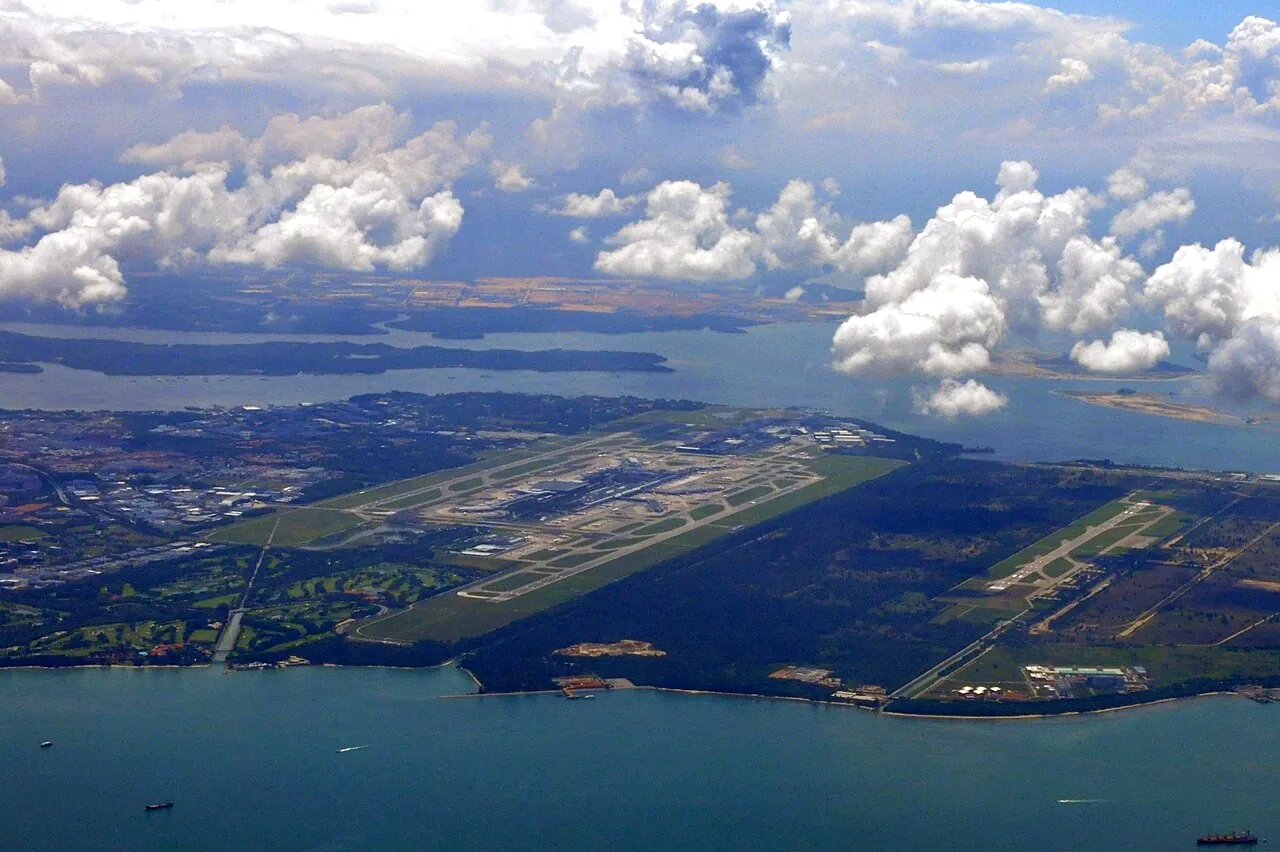
The airport carries the Changi name because of where Singapore chose to put it. In 1975 the government abandoned plans to expand Paya Lebar and picked the island's eastern tip instead, reusing the runway of Changi Air Base so departing jets would climb out over the sea.
Source: Wikipedia
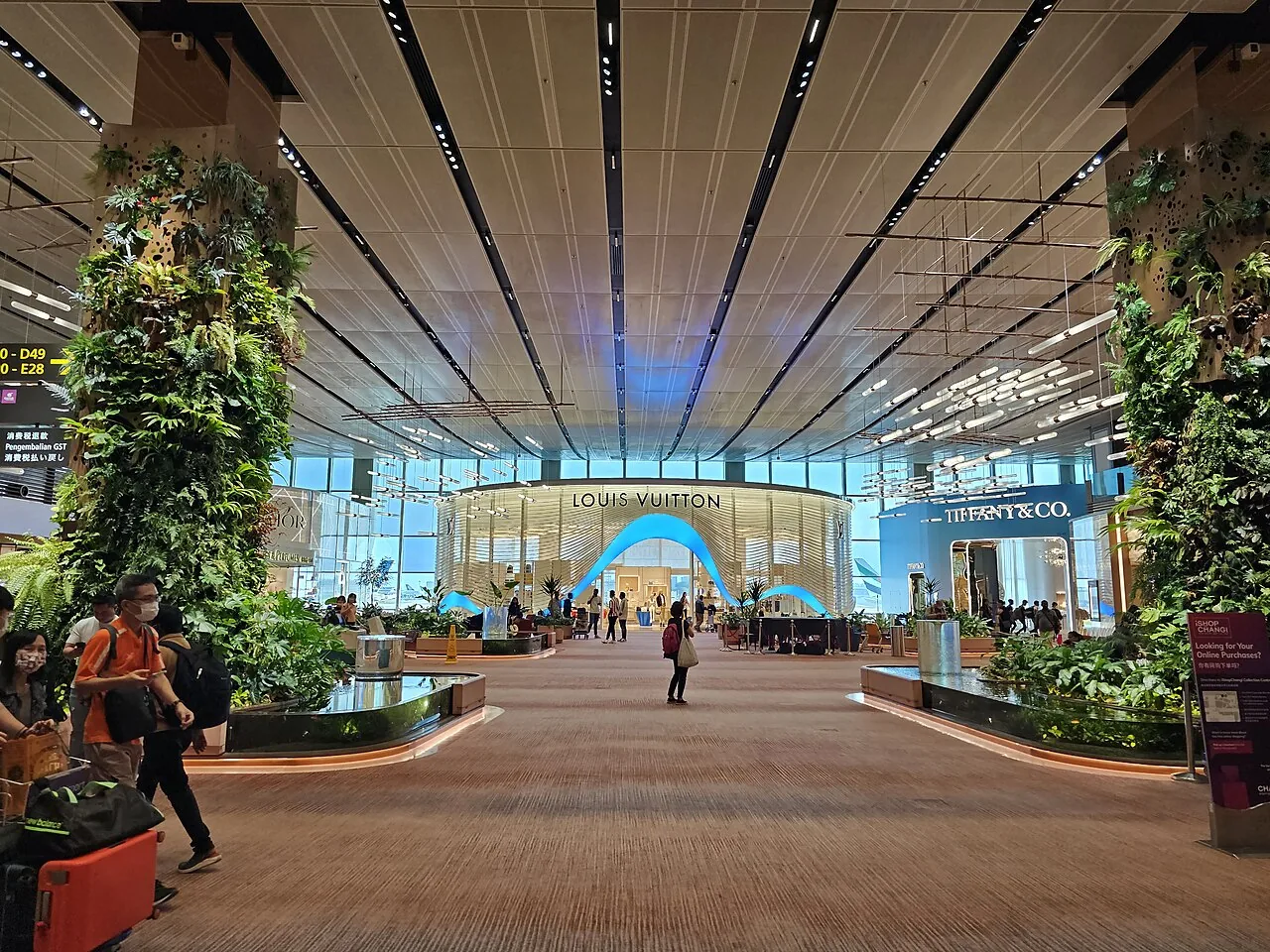
Jewel's rooftop Canopy Park includes Singapore's largest hedge maze, with walls standing 1.8 meters tall, plus a mirror maze, bouncing nets, and slides tucked among more than 2,000 tropical trees and plants.
Source: Wikipedia - Jewel Changi Airport
Changi Airport has been named the world's best airport by Skytrax 14 times, including in 2026, more than any other airport in the award's history.
Source: Skytrax World Airport Awards
Changi's first arrival was Singapore Airlines SQ101 from Kuala Lumpur, which touched down at 7:10 am on 1 July 1981 carrying 140 passengers. The airport was formally opened five months later, on 29 December 1981, and finished its first year with 12.1 million passengers.
Source: Wikipedia
About 7,000 flights arrive or depart each week — roughly one every 80 seconds. In 2025 Changi handled 69,980,000 passengers, 374,000 aircraft movements and 2.08 million tonnes of air freight, with 20 December its busiest day at 223,000 passengers.
Source: Wikipedia
All three of Changi's runways are 4 kilometres long. The third began life as a Republic of Singapore Air Force strip 2.75 km long, opened in 2004; it was lengthened to 4 km and tied into the civil airfield with nearly 40 km of new taxiways.
Source: Wikipedia
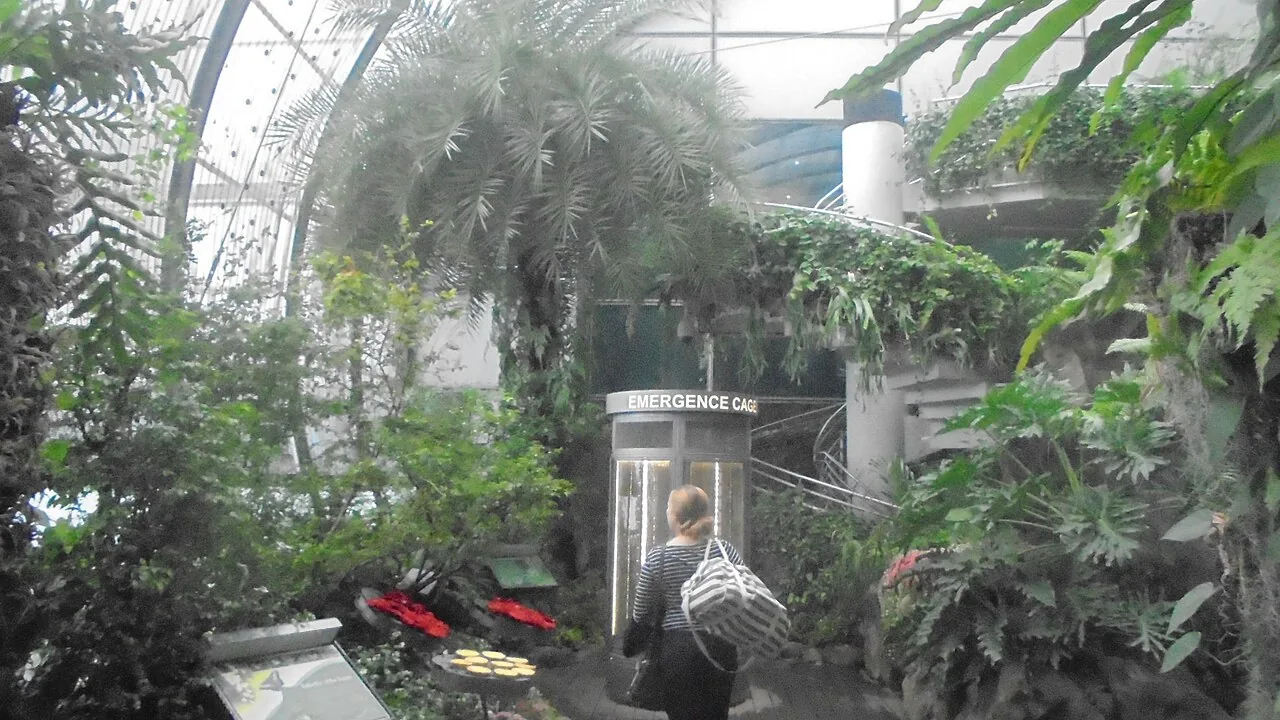
Passengers stuck with more than five hours between flights can get a special pass and leave on a free guided city tour. Those who stay put have ten themed gardens to choose from, spread across all four terminals and all inside the transit areas.
Source: Wikipedia
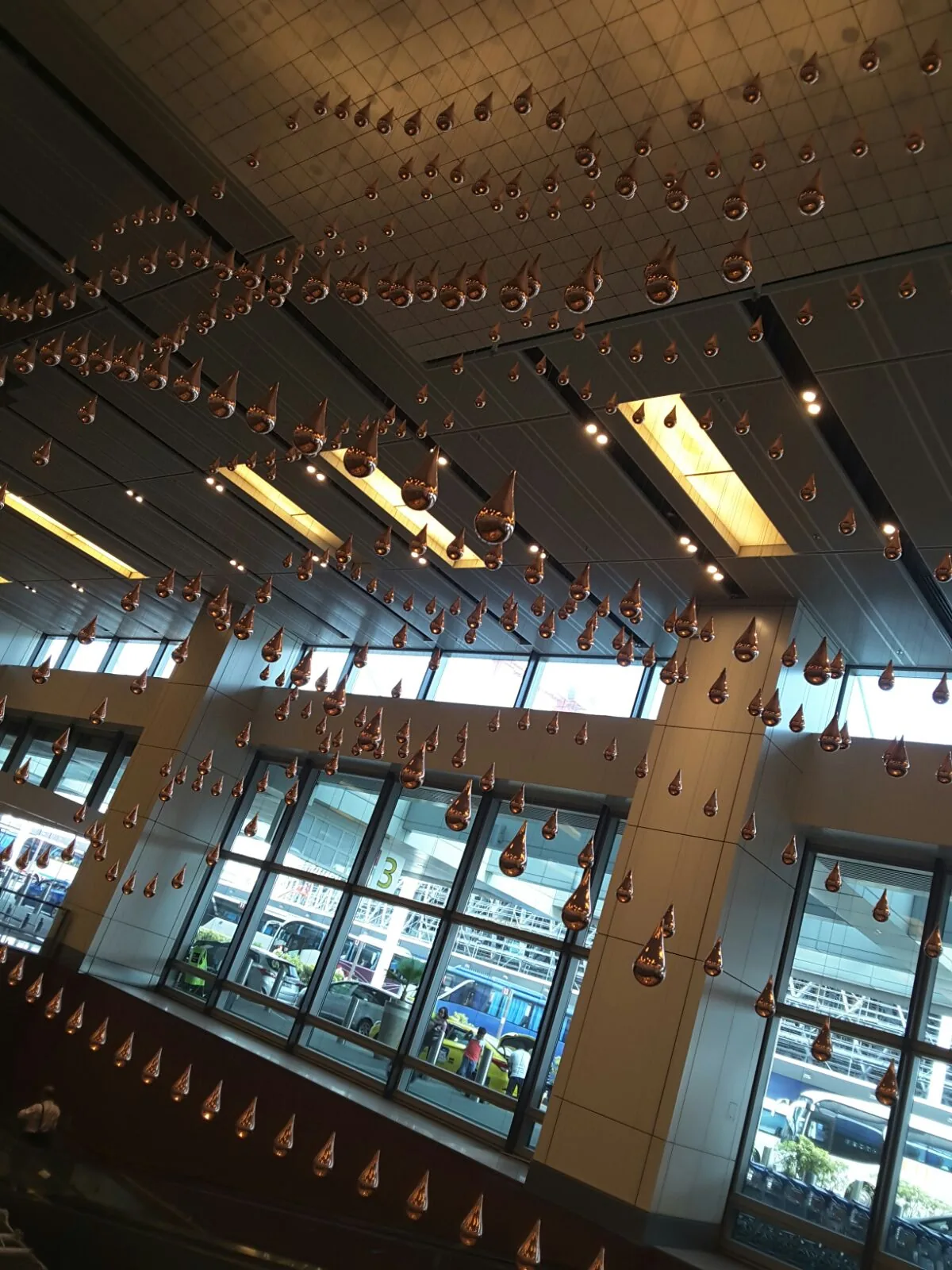
Terminal 1's S$500 million facelift, completed in July 2012, added Kinetic Rain — a two-part hanging sculpture of moving droplets that was billed at the time as the largest kinetic sculpture in the world.
Source: Wikipedia
Changi Airport Group takes 55 percent of its annual revenue from non-aeronautical sources such as rent and retail. In sales the airport outstrips Singapore's shopping malls, including those on Orchard Road, led by duty-free liquor, tobacco, perfume and cosmetics.
Source: Wikipedia
Terminal 5, broken ground on 14 May 2025, is being built on reclaimed land east of the present terminals and will add 50 million passengers a year. In March 2026 the works turned up a 250 kg Second World War bomb, detonated on site by army disposal teams.
Source: Wikipedia