Phnom Penh International Airport
Facts on PNH
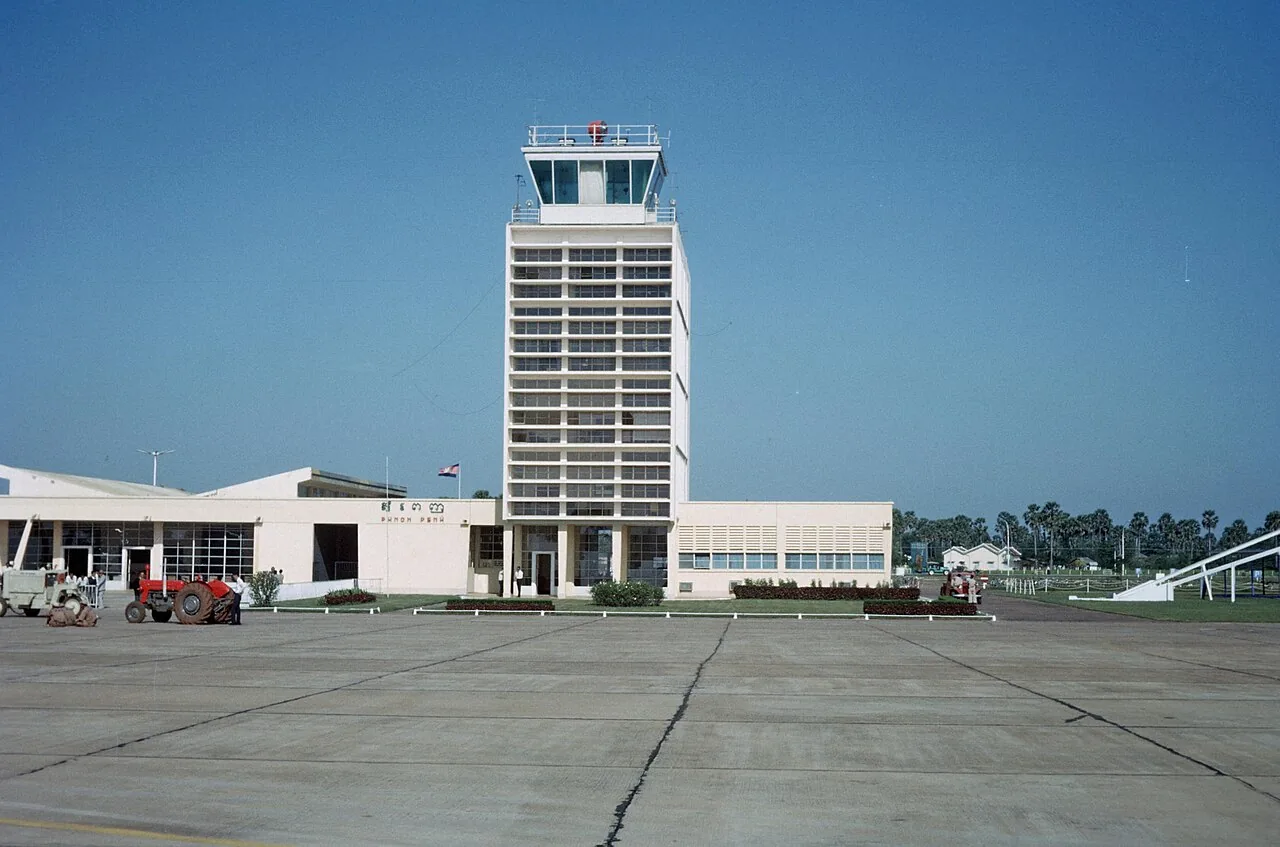
The site has been an airfield since 1924. During the Japanese occupation of Cambodia as many as fifteen airfields were built across the country, this one among them; after independence from France in 1953, King Norodom Sihanouk ordered new airstrips and improvements to the existing sites.
Source: Wikipedia
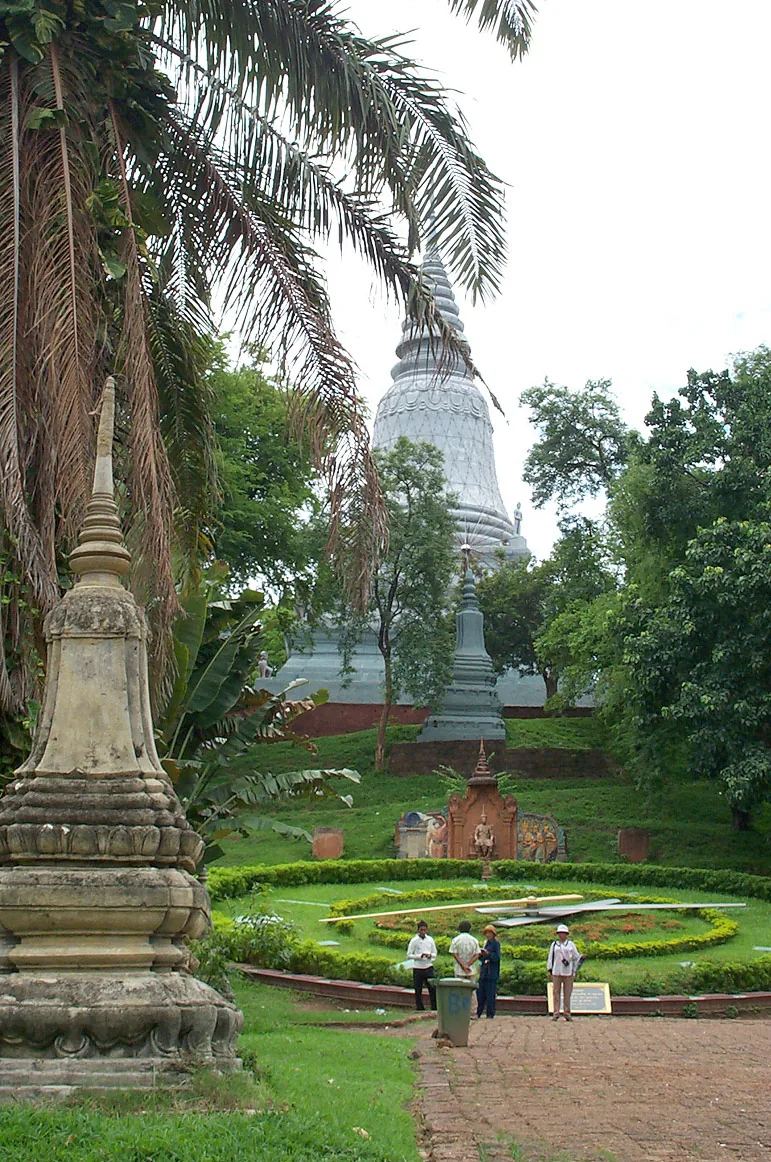
Phnom Penh means 'Penh's hill'. Legend says that in 1372 a wealthy widow named Penh fished a floating koki tree out of the Tonlé Sap and found four Buddha statues and one of Vishnu inside. She raised a hill for them and crowned it with the shrine now called Wat Phnom.
Source: Wikipedia
For most of its life the airport was called Pochentong International Airport, after the area west of the capital where it stands, in what is now Pou Senchey District. In May 2025 Prime Minister Hun Manet said it would be preserved as a historical site, crediting its origins to King Father Norodom Sihanouk.
Source: Wikipedia
In the closing years of the Cambodian war the airport was the city's lifeline. C-130s of the 374th Tactical Airlift Wing flew in 3,000 tons of rice between October and December 1973, and once the last land and river routes fell in April 1975 it was the only way supplies reached Phnom Penh.
Source: Wikipedia
After the Khmer Republic collapsed in 1975 the airport was all but closed to the outside world. The only international flights were from Beijing and Pyongyang, carrying cadres sent to train the new government along with Cambodian intellectuals and diplomats who had volunteered to return.
Source: Wikipedia
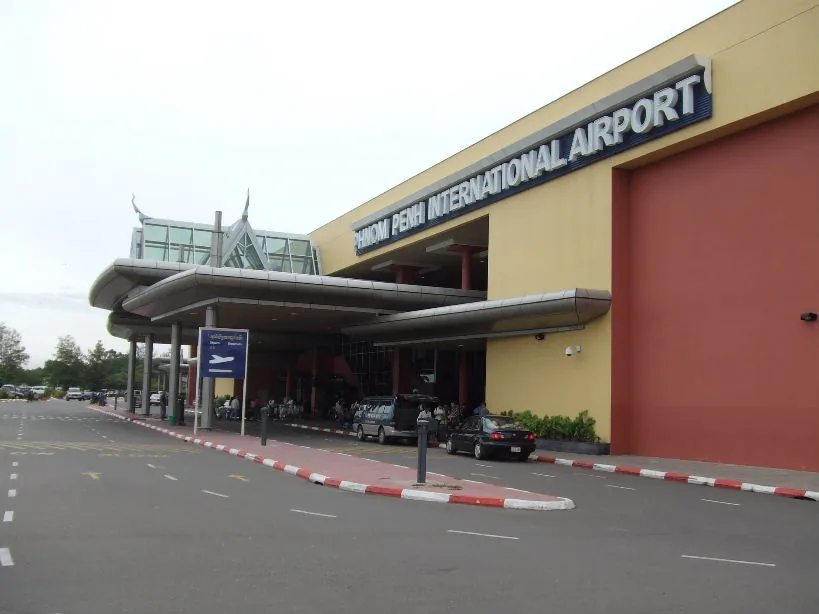
In July 1995 Cambodia handed the airport to Société Concessionaire d'Aéroport — 70% owned by Vinci Airports — on a 20-year concession in return for a $100 million improvement programme. A later expansion completed in 2016–2017 doubled capacity from 2.5 million to 5 million passengers a year.
Source: Wikipedia

The whole operation ran off one runway, 05/23, asphalt, 3,000 by 50 metres (9,840 by 160 ft), at an elevation of just 40 feet (12 m). Four aerobridges were built in 2003 and three more added in the 2016–2017 expansion.
Source: Wikipedia
From April 2018 a Royal Railway Cambodia train ran from the airport car park to Phnom Penh railway station every 30 minutes, taking about half an hour for a one-way fare of US$2.50 — a rare airport rail link in a country with very little passenger rail.
Source: Wikipedia
The last flights left on 8 September 2025. Commercial traffic moved next day to the new Techo International Airport, 19 km south, which uses the code KTI. The government says the old field will become a public park, with its runway kept for emergency landings.
Source: Wikipedia