Philadelphia International Airport
Facts on PHL
PHL's site, once known as Hog Island, began life in 1925 as a Pennsylvania National Guard training airfield. Charles Lindbergh dedicated it as Philadelphia Municipal Airport in 1927, though it had no proper terminal building until 1940.
Source: Wikipedia
The airport became Philadelphia International in 1945, the year American Overseas Airlines began flying direct to Europe from the field, marking its shift from a municipal airfield to an international gateway.
Source: Wikipedia
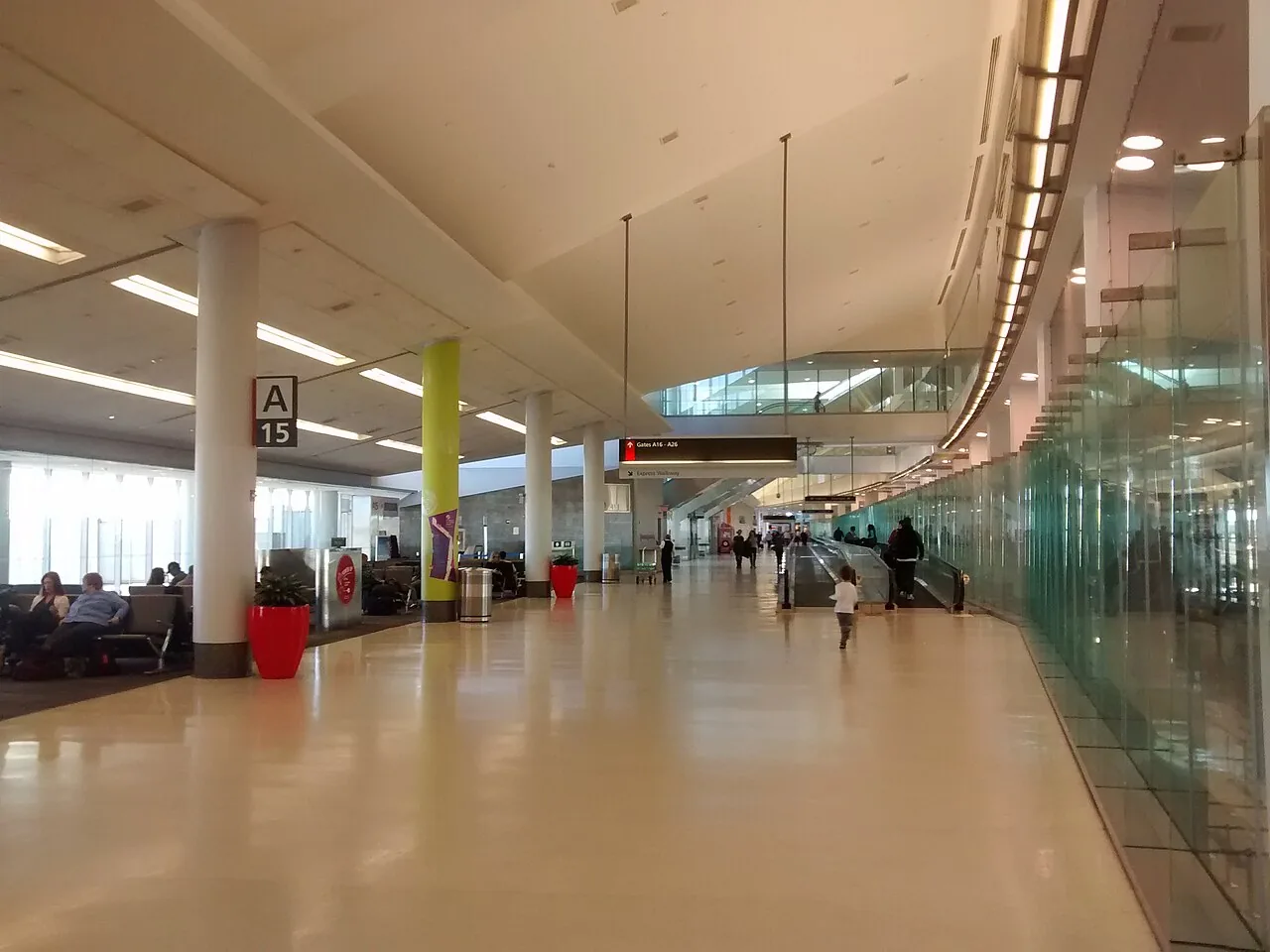
Terminal A West, PHL's international terminal, opened in 2003 with 800,000 square feet of space designed by Kohn Pedersen Fox and two other firms, featuring a check-in lobby whose ceiling rises through the second floor.
Source: Wikipedia
In 2011 more than 800 volunteers spent four months painting an 85,000-square-foot mural of Philadelphians dancing across the parking garage walls facing Interstate 95, based on photographs by local photographer JJ Tiziou.
Source: Wikipedia
The international Arrivals Hall in Terminal A features a 250-foot-long display of the Declaration of Independence, one of several nods to Philadelphia's identity as America's birthplace. In 2022 the hall was renamed for the Reverend Dr. Leon H. Sullivan, the civil rights leader and Philadelphia minister.
Source: Wikipedia
Runway 9R/27L was extended in 2019 to 12,000 feet after a five-year project, making it the longest civil runway anywhere in Pennsylvania and able to accommodate the newest long-haul aircraft.
Source: Wikipedia
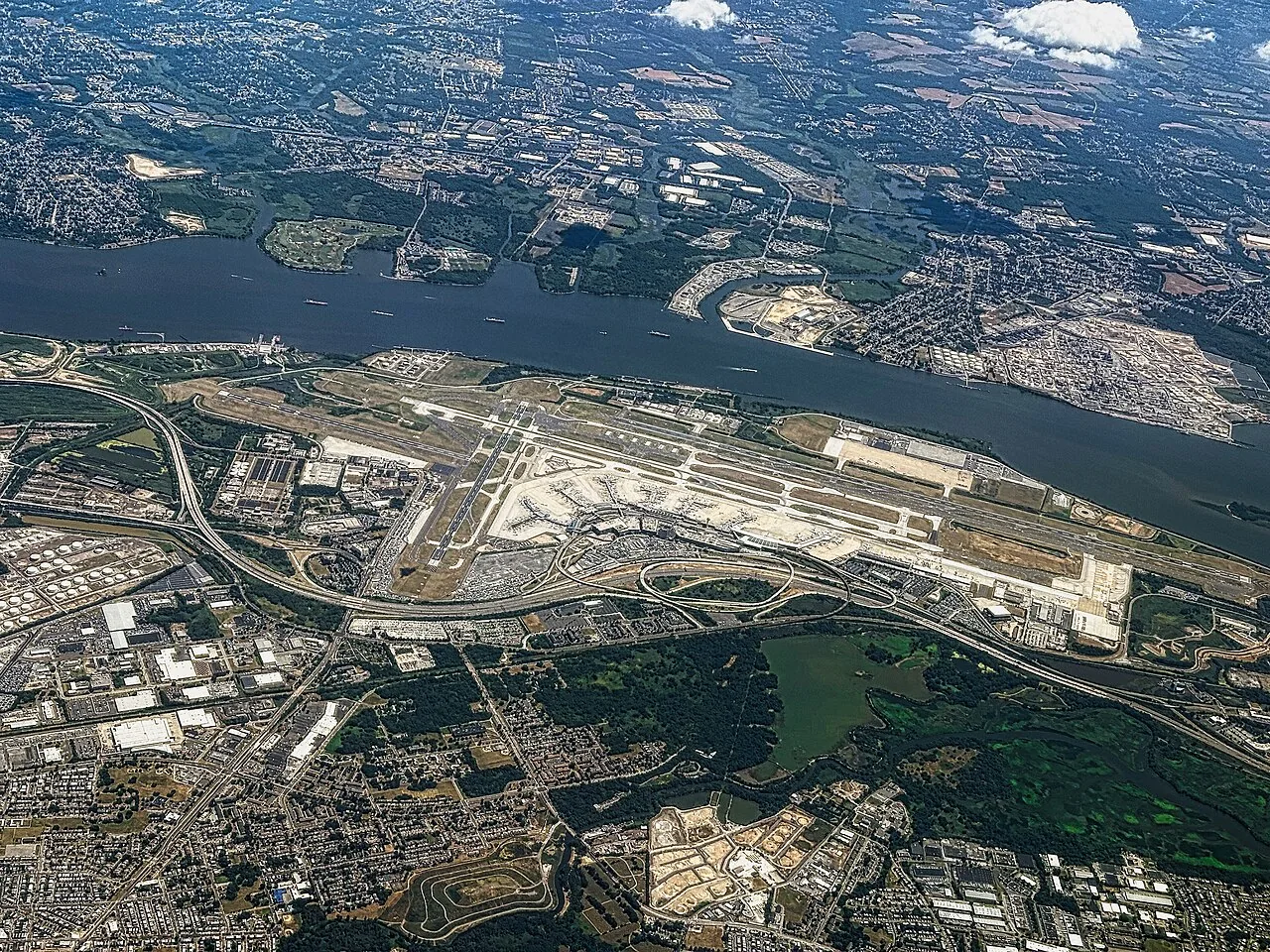
PHL is American Airlines' fifth-largest hub and its primary transatlantic gateway in the northeastern United States. The airport served 30.1 million passengers in 2025, the most of any airport in Pennsylvania.
Source: Wikipedia
A 2023 J.D. Power satisfaction study ranked Philadelphia International last out of 28 "large" U.S. airports, a notably poor showing despite its status as a major American Airlines hub.
Source: Wikipedia