Oslo-Gardermoen International Airport
Facts on OSL
During the German occupation of Norway, the Luftwaffe built Gardermoen's first proper airport facilities, including hangars and two crossing 2,000-metre runways; the Norwegian Air Force took the base over after the war.
Source: Wikipedia
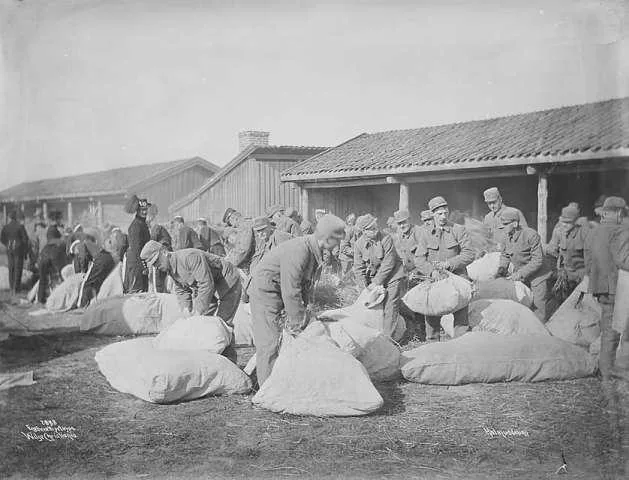
Gardermoen's name is a compound of the old farm name 'Garder' and Norse 'mo', meaning moor or drill-ground. Garder itself derives from Old Norse 'garðr' ('fence') and the farm is first recorded in a document from 1328.
Source: Wikipedia
The Norwegian Army began using the Gardermoen area as a camp in 1740, initially calling it Fredericksfeldt until 1788. When the new civilian airport opened on the same site on 8 October 1998, it inherited the old camp's name.
Source: Wikipedia
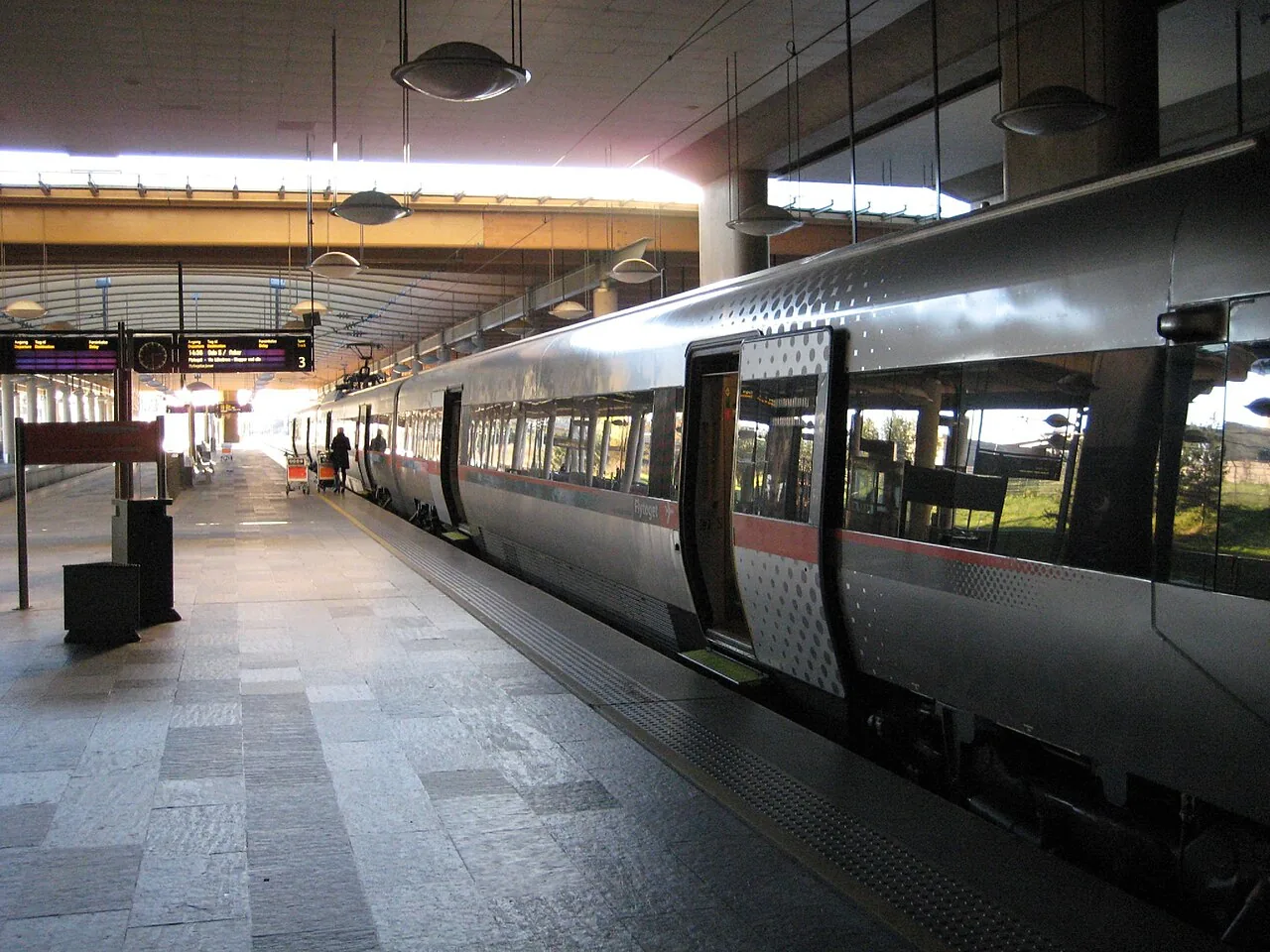
Nearly 70% of passengers reach Oslo Airport by public transport, one of the highest shares of any airport in the world, largely thanks to the Flytoget express train, which reaches the city centre in about 19 minutes.
Source: Wikipedia
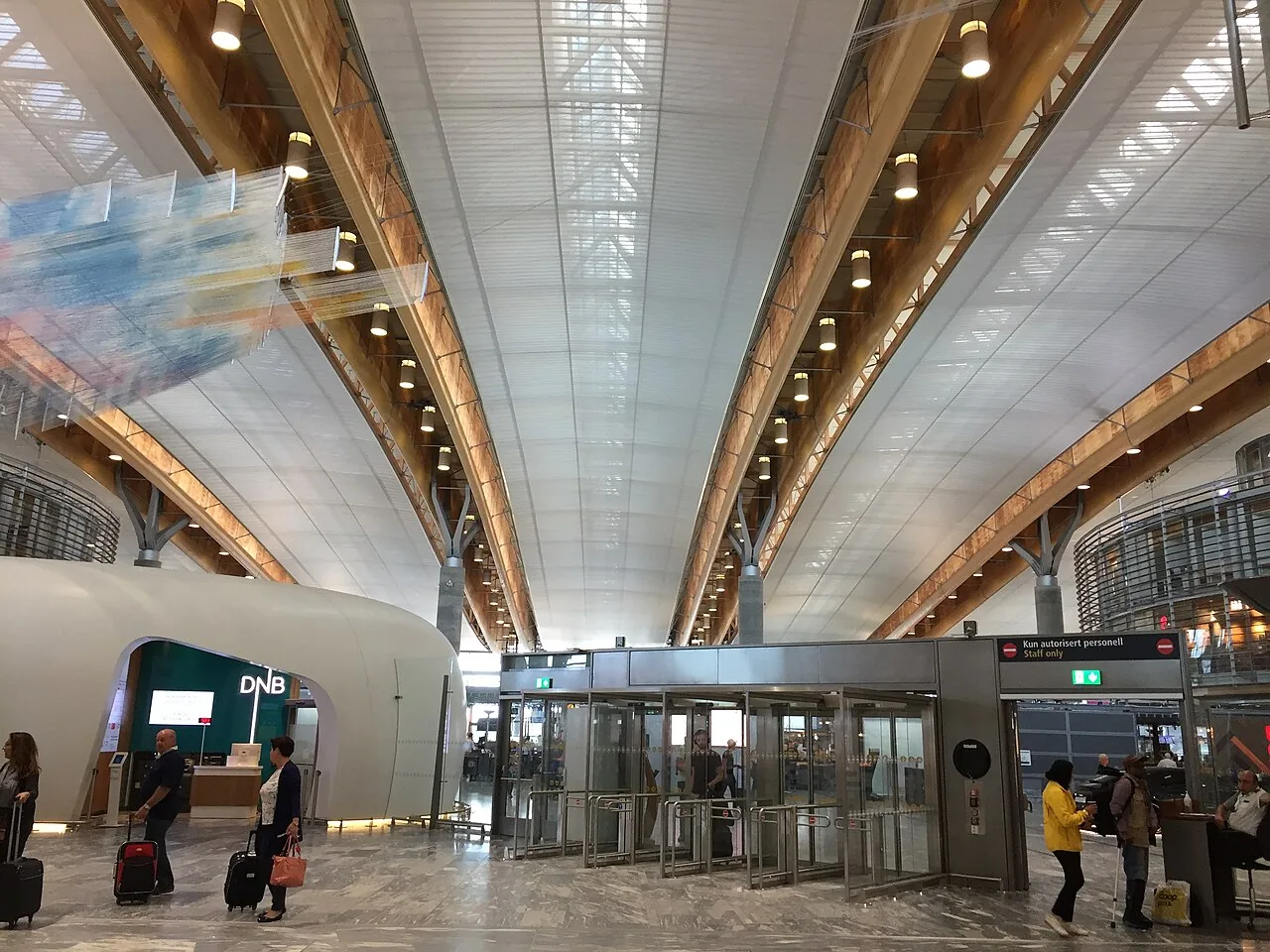
The terminal was designed by Aviaplan, a joint venture of four architecture firms led by Gudmund Stokke; its roof is held up by wooden trusses, and the 2017 north pier was the first terminal in the world to earn an 'excellent' BREEAM sustainability rating.
Source: Wikipedia
Oslo Airport is deliberately 'silent': flight announcements are made only in the immediate vicinity of each departure gate rather than broadcast across the whole terminal, a design choice meant to cut ambient noise.
Source: Wikipedia
The airport's departure duty-free shop covers 1,530 square metres — the largest in Europe — and sits directly in front of the international concourse so that most passengers must walk through it.
Source: Wikipedia
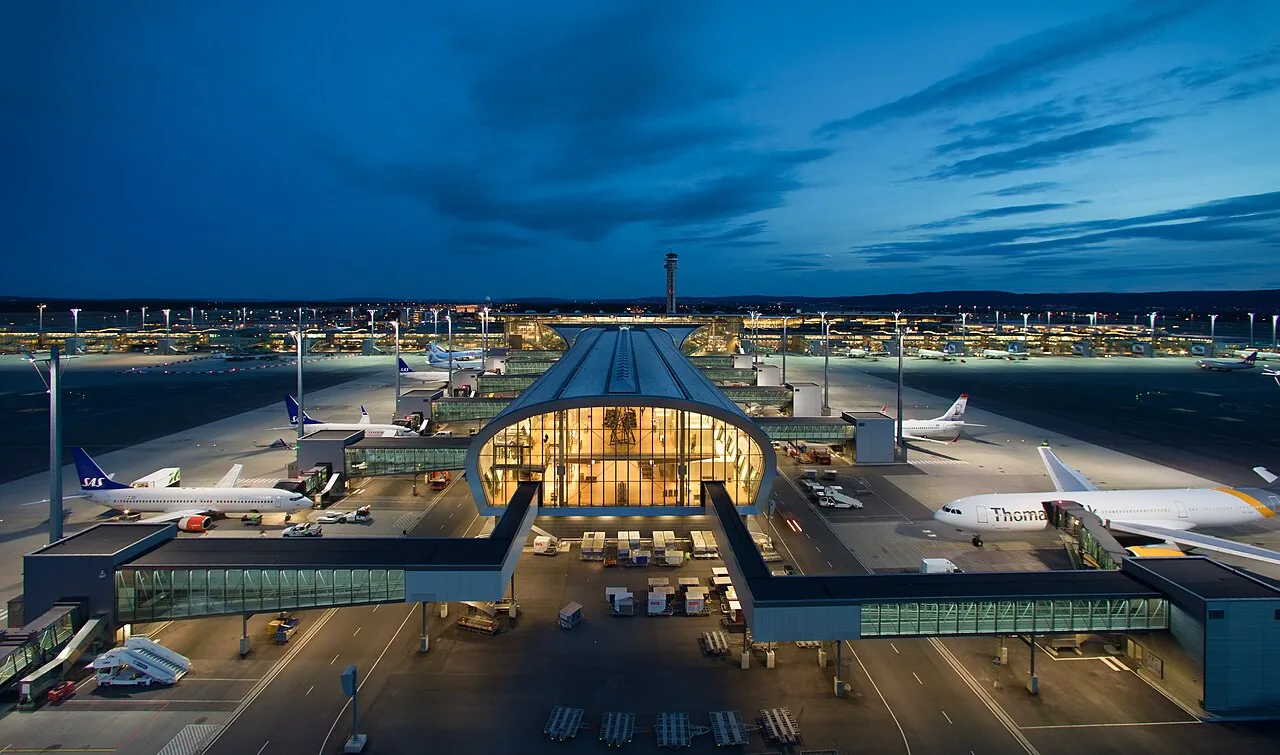
Oslo Airport opened at Gardermoen on 8 October 1998, replacing the older Fornebu Airport; the new airport, its rail line and connecting roads together cost about NOK 22 billion.
Source: Wikipedia