Chicago O'Hare International Airport
Facts on ORD
O'Hare's code ORD is a fossil from its earliest name: the site was once called Orchard Field (later Orchard/Douglas Airport) for its aircraft-manufacturing role in WWII, and even though the airport was renamed in 1949, the IATA code ORD -- from ORcharD -- was never changed, making it one of the few airport codes with no connection to the current airport name.
Source: Wikipedia
In 1949 Chicago renamed Orchard Field to O'Hare Airport to honor Lieutenant Commander Edward "Butch" O'Hare, the U.S. Navy's first flying ace and a Medal of Honor recipient in World War II.
Source: Wikipedia
O'Hare held the title of the world's busiest airport by passenger traffic for 35 years straight, from 1963 to 1998, before Atlanta's Hartsfield-Jackson overtook it.
Source: Wikipedia
O'Hare's split-finger terminal design, devised by engineer Ralph H. Burke, let a terminal building attach to separate concourses for gates and planes -- a break from prewar single-terminal designs like Berlin's Tempelhof. The airport also hosted the world's first jet bridge in 1958.
Source: Wikipedia
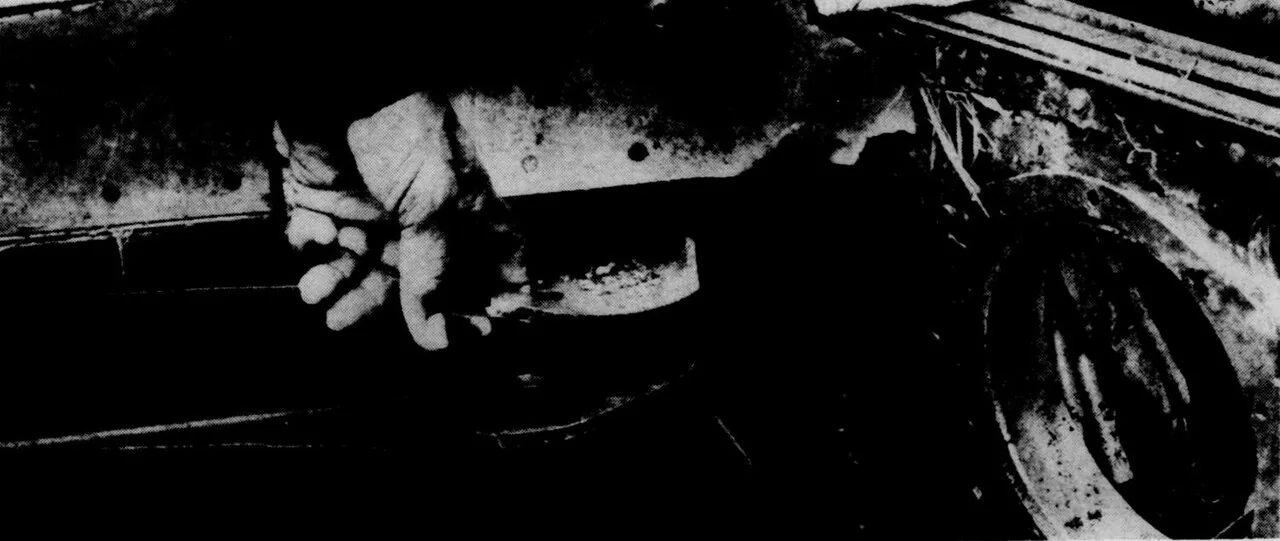
On May 25, 1979, American Airlines Flight 191 lost its left engine on takeoff and crashed into a field near O'Hare, killing 273 people. It remains the deadliest single-aircraft crash in United States history and, until September 11, 2001, the worst U.S. aviation disaster overall.
Source: Wikipedia
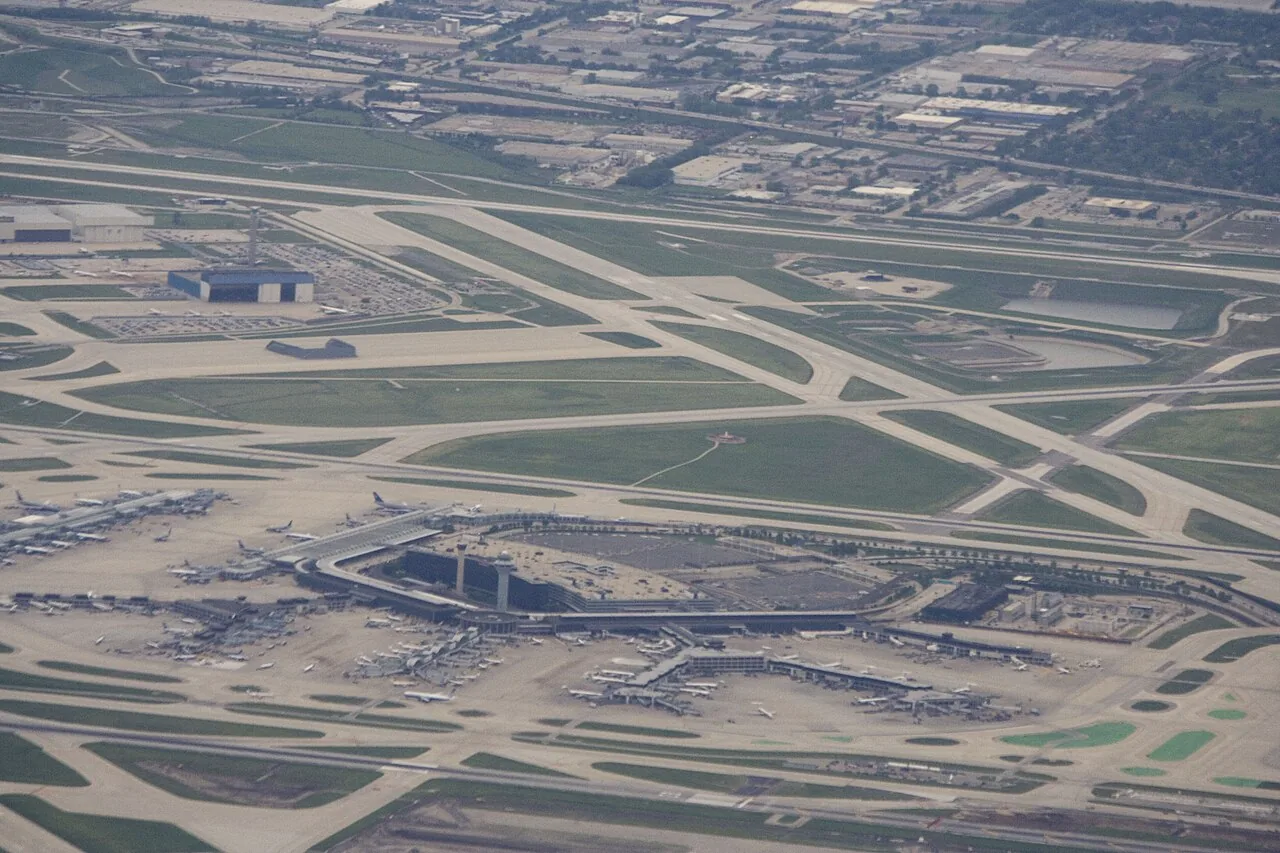
O'Hare has eight runways, more than any other civilian airport in the world. In 2025 it recorded over 857,000 aircraft movements -- an average of 2,340 per day, the most of any airport on Earth.
Source: Wikipedia
In 2011 O'Hare became the first major airport to install an apiary on its property. Every summer it hosts as many as 75 beehives and a million bees, tended by ex-offenders from Chicago's North Lawndale neighborhood who learn beekeeping and turn the honey into soaps and candles sold under the beelove brand.
Source: Wikipedia
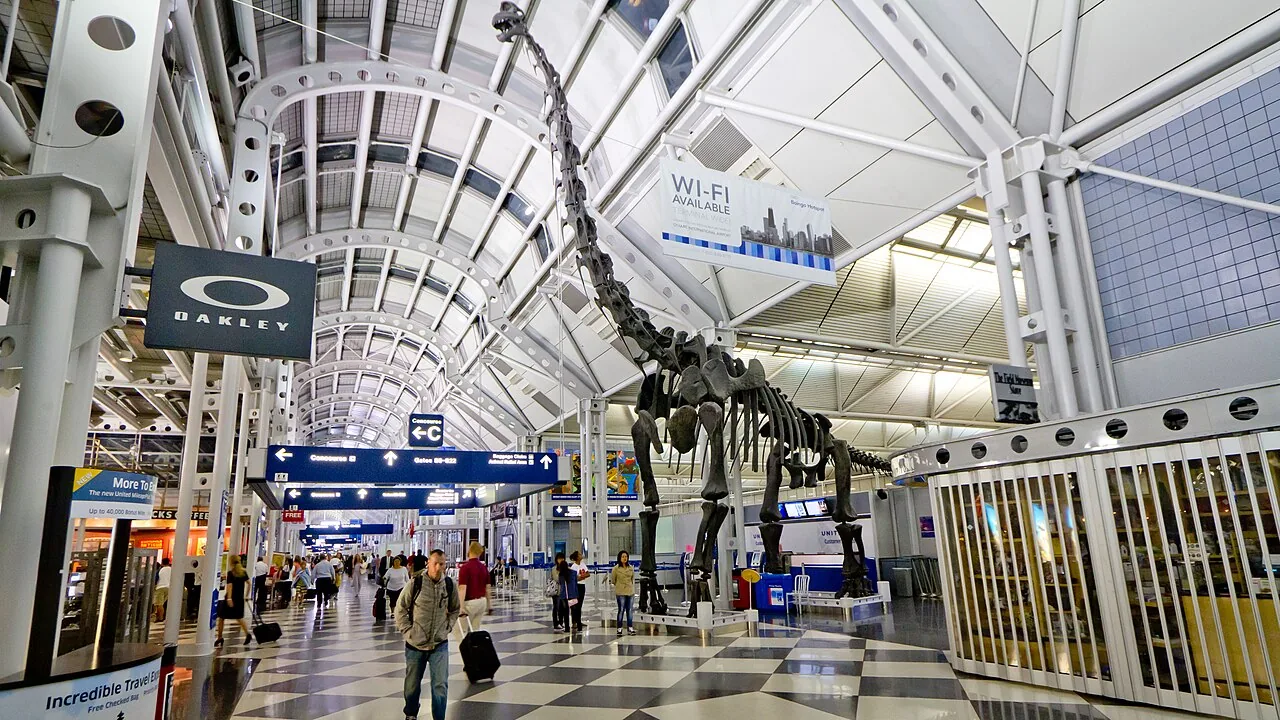
O'Hare is a hub for both American Airlines and United Airlines, whose rival buildouts of Terminal 3 and Terminal 1 in the 1980s still anchor the airport today. The 1960 completion of the Kennedy Expressway, giving direct highway access from downtown, was a key reason airlines finally shifted their operations there from Midway.
Source: Wikipedia