Francisco de Sá Carneiro Airport
Facts on OPO
The airport opened in 1945 as Pedras Rubras Airport, named for the locality ('red rocks') where it was built on former farmland once used to grow cereal crops; locals still call it Pedras Rubras today.
Source: Wikipedia
The airport is named for Francisco de Sá Carneiro, who co-founded Portugal's Social Democratic Party after the 1974 Carnation Revolution and led it to two election victories, becoming prime minister in January 1980 at the head of the country's first majority government since the revolution.
Source: Wikipedia
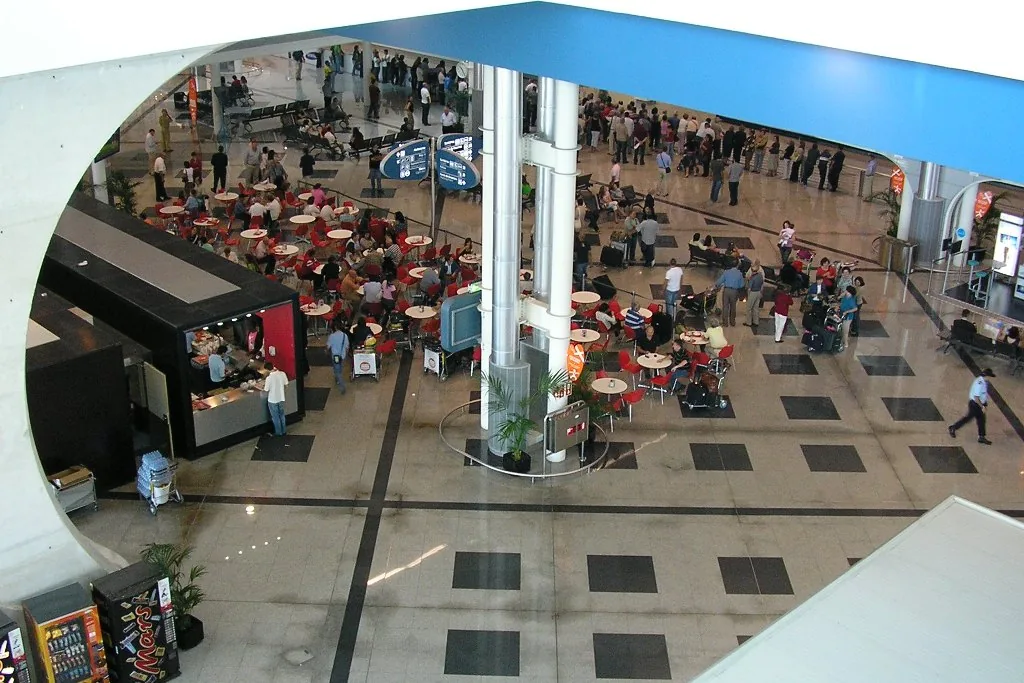
Sá Carneiro, the airport's namesake, died on 4 December 1980 when his plane crashed in Camarate shortly after taking off from Lisbon, en route to a rally near this airport. It was renamed in his honour in 1990, despite objections that naming an airport for a crash victim was tasteless.
Source: Wikipedia
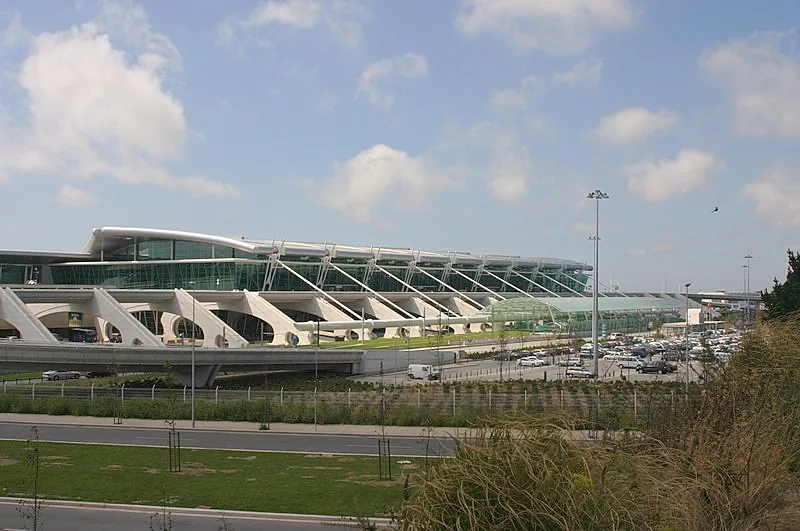
Porto's current terminal, designed by the Portuguese architecture firm ICQ, was built between 2003 and 2006 and opened for operation in the last quarter of 2006, replacing older facilities on the site.
Source: Wikipedia
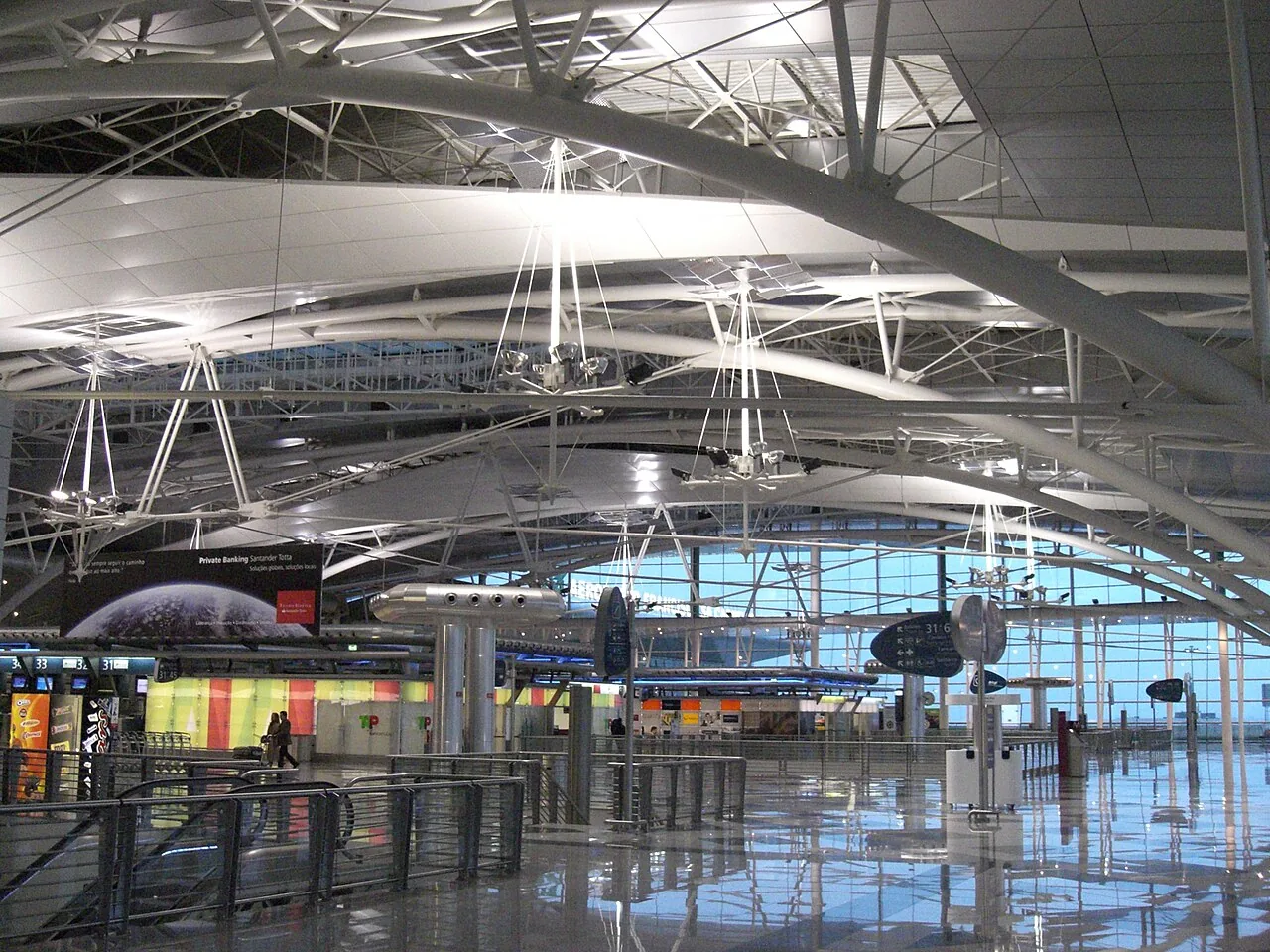
Porto Airport carried ten million passengers in a single year for the first time on 6 December 2017, a milestone reached as budget carriers expanded their networks across the airport's two runways.
Source: Wikipedia
On 27 April 2021, a FedEx cargo jet was cleared for takeoff at Porto while a ground vehicle was still on the runway, coming within four seconds of a collision — an incident regulators rated 'serious.'
Source: Wikipedia
The airport's grounds are split across three municipalities — Maia, Matosinhos and Vila do Conde — and sit about 11 kilometres northwest of Porto's landmark Clérigos Tower.
Source: Wikipedia
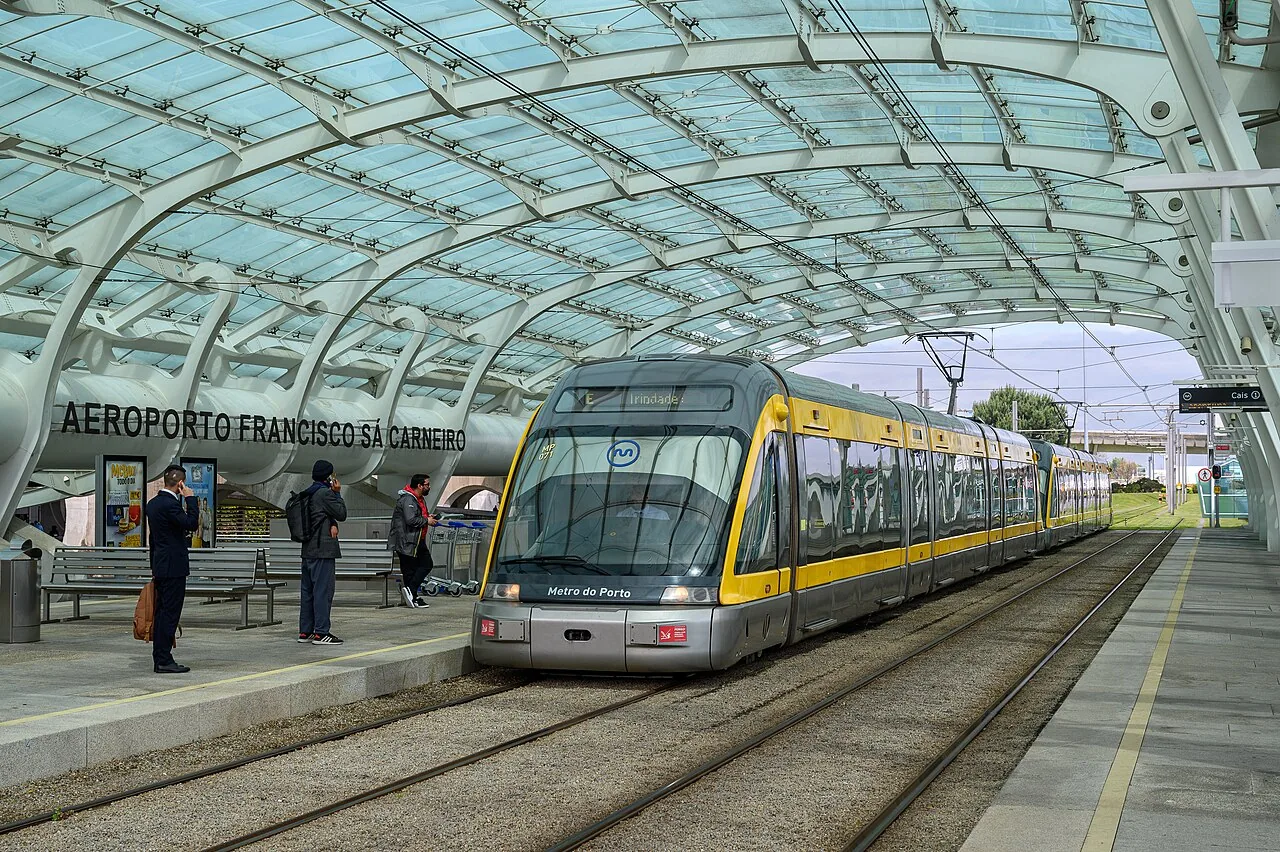
Porto Airport is served by Aeroporto station on line E of the Porto Metro, where trains reverse direction: they arrive on one platform and depart from another rather than continuing straight through.
Source: Wikipedia