Chubu Centrair International Airport
Facts on NGO
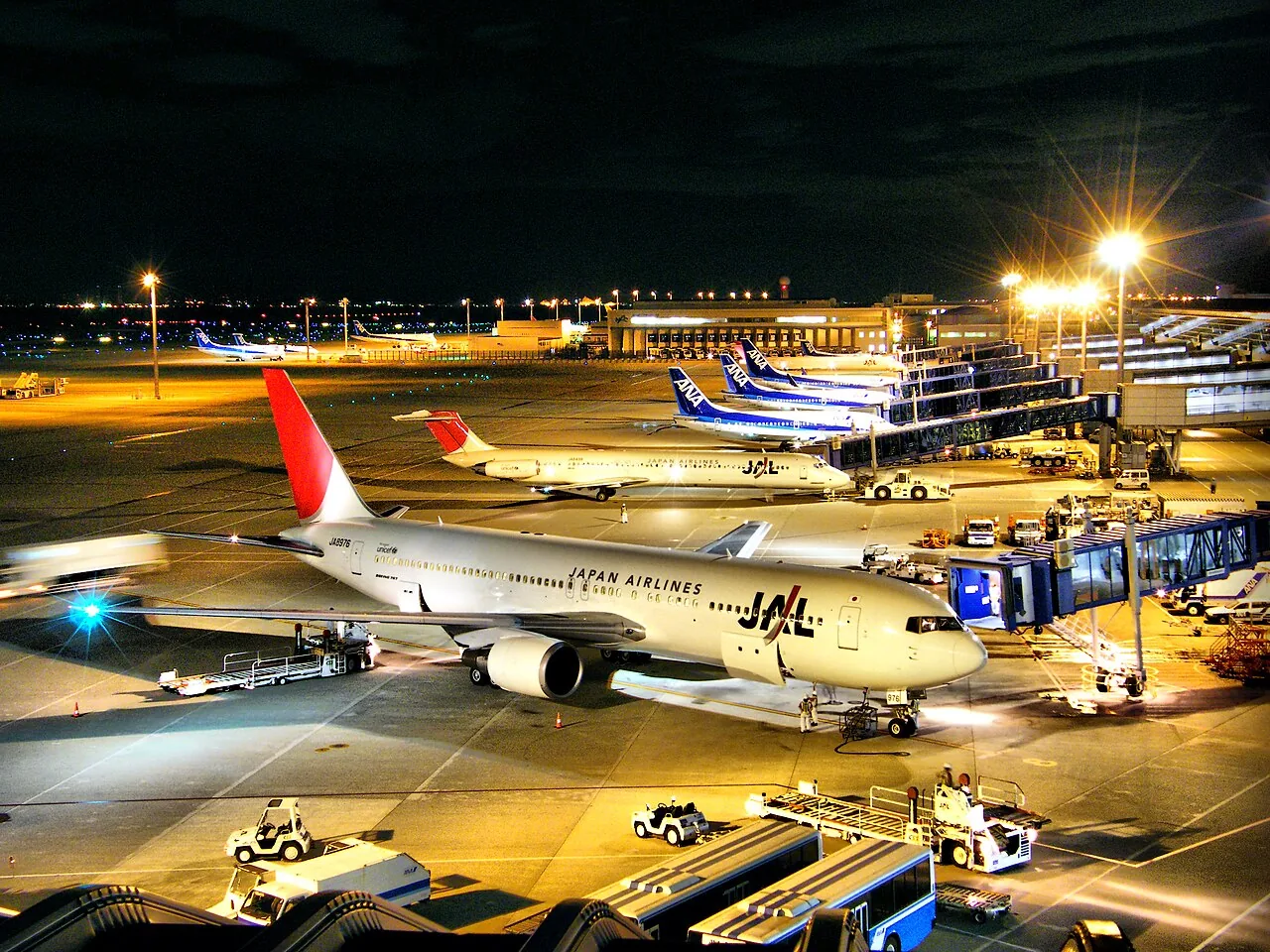
NGO is a hand-me-down code. When Centrair opened it took over almost all commercial flights from the existing Nagoya Airport at Komaki and inherited that airport's IATA code — which is why a brand-new island airport answers to the name of a city 35 km away.
Source: Wikipedia
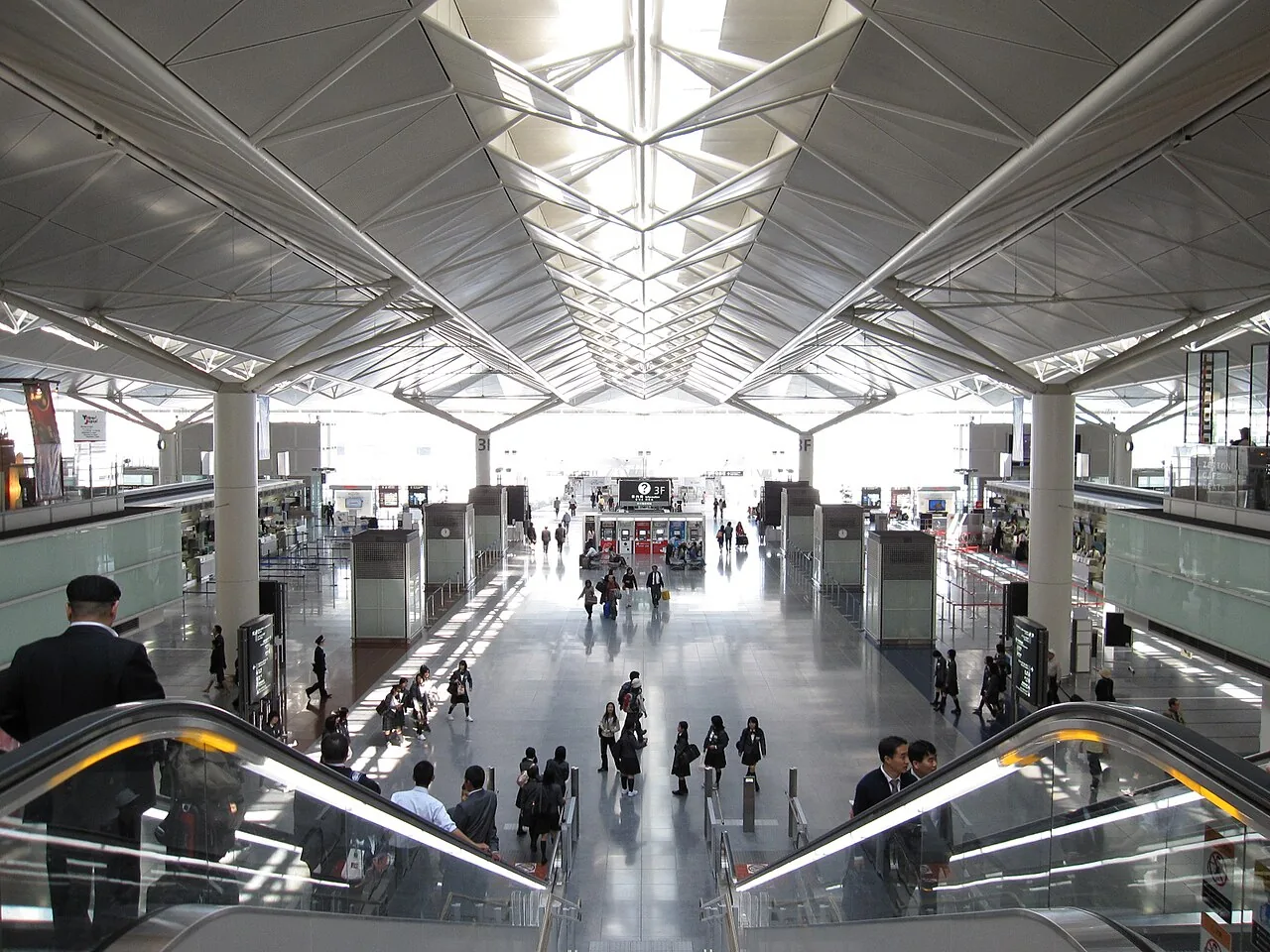
'Centrair' is a squeeze of 'Central Japan International Airport', the English name of the operating company Central Japan International Airport Co., Ltd. The Japanese name, Chūbu Kokusai Kūkō, points at the same thing: Chūbu is the central region of Honshu, not a city.
Source: Wikipedia
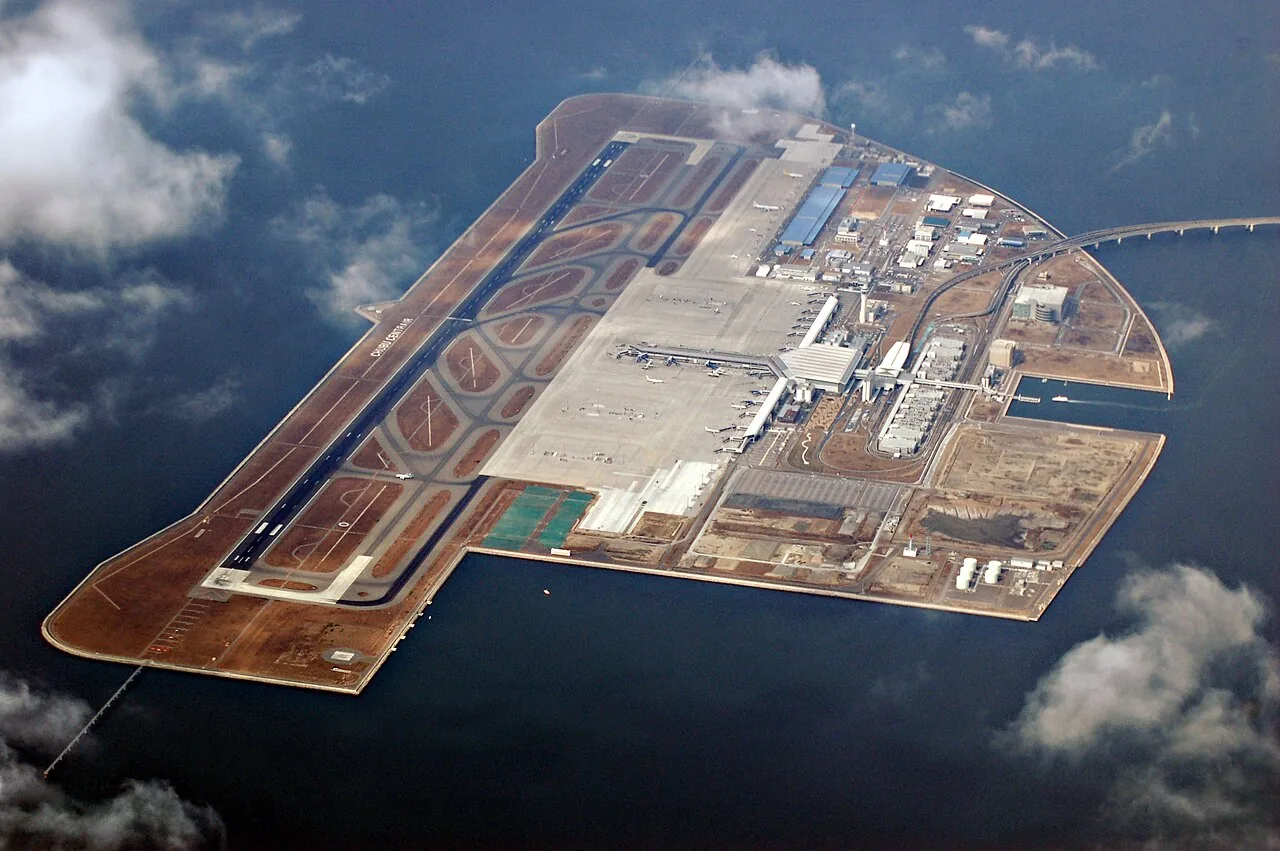
The regional name was earned rather than borrowed: the airport sits 35 km south of Nagoya on an artificial island in Ise Bay, and was pushed for by central Japan's manufacturers — Toyota among them — who wanted 24-hour cargo flights. It opened on 17 February 2005, in time for Expo 2005.
Source: Wikipedia
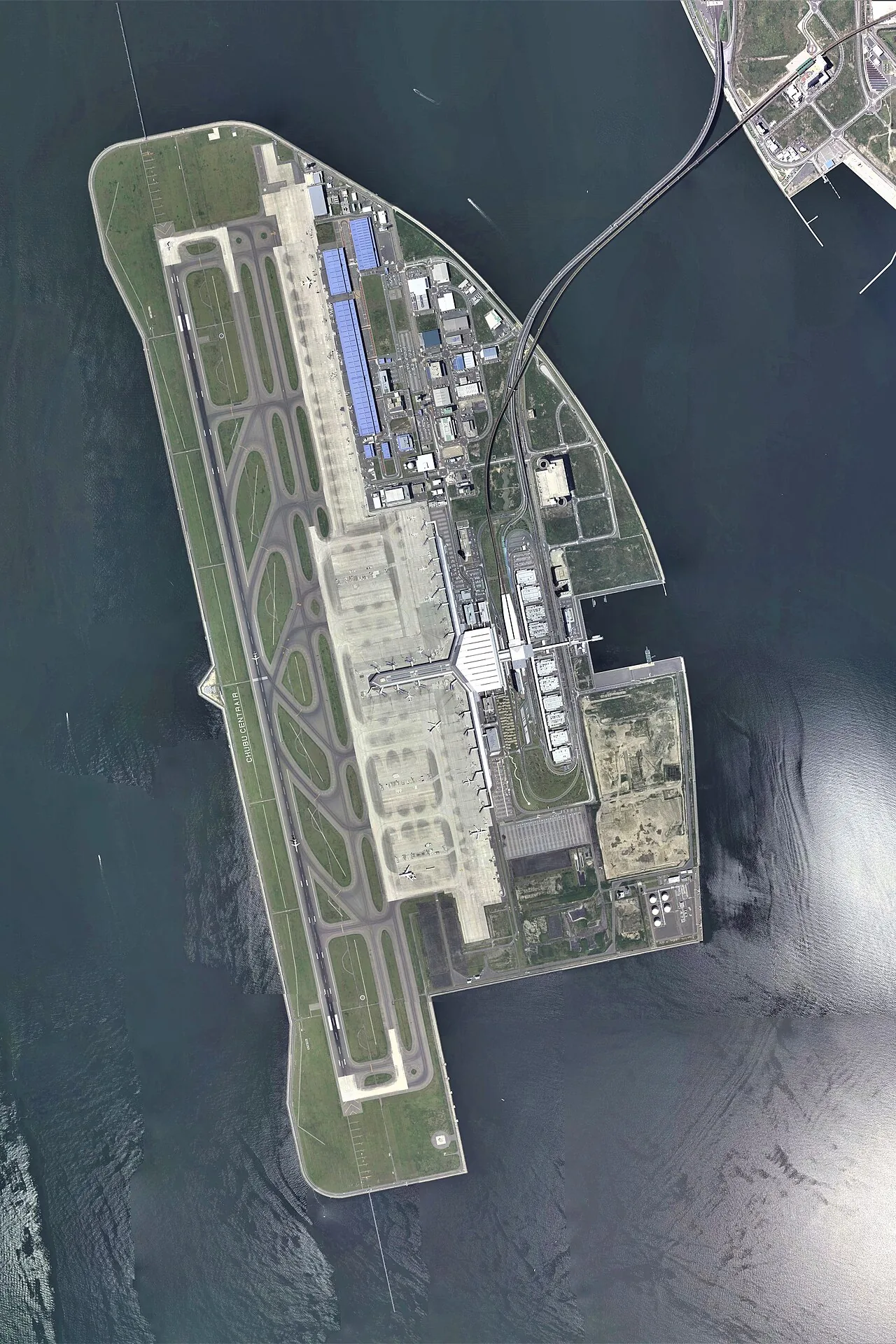
The whole airport is reclaimed ground: about 470 hectares (1,161 acres) of artificial island in Ise Bay, with a single 3,500 m (11,500 ft) runway. A toll road, the Chitaōdan Road, is the only way to drive there.
Source: Wikipedia
Construction started in August 2000 on a budget of 768 billion yen — around $7.3 billion at the time — and came in roughly 100 billion yen under it. Penta-Ocean Construction was a major contractor on the island.
Source: Wikipedia
Centrair has a retail complex called Flight of Dreams, opened in 2018 and themed on Seattle, whose centrepiece is the very first Boeing 787 Dreamliner prototype. The link is real: parts of the 787 are made in Japan and flown out from this airport.
Source: Wikipedia
A Boeing Dreamlifter Operations Center sits on the apron south of the main terminal, storing Japanese-built 787 components including wings. Dreamlifters have flown from Centrair since 2007, making several trips a week to Boeing's assembly plants at Paine Field and Charleston.
Source: Wikipedia
The fourth floor of Terminal 1 is Sky Town, a public shopping deck with 61 shops and restaurants laid out as two streets — Renga-dori and Chochin-yokocho, the latter dressed to look like an old Japanese lantern alley. You do not need a boarding pass to visit.
Source: Wikipedia
The Meitetsu μSky Limited Express covers the run to Meitetsu Nagoya station in 28 minutes at up to 120 km/h. Every seat is reserved, and riding it costs an extra 360-yen limited express ticket on top of the fare.
Source: Wikipedia
A second runway is on the way: 3,290 m (10,790 ft) long, built 210 m east of the existing one, with construction scheduled to start in 2025 and finish in 2027. A longer 3,500 m runway on reclaimed land to the west would eventually replace the current strip.
Source: Wikipedia