Jomo Kenyatta International Airport
Facts on NBO
Nairobi's Jomo Kenyatta International Airport opened in 1958 as Embakasi Airport and was renamed two decades later, in 1978, to honor Kenya's first president and prime minister.
Source: Wikipedia
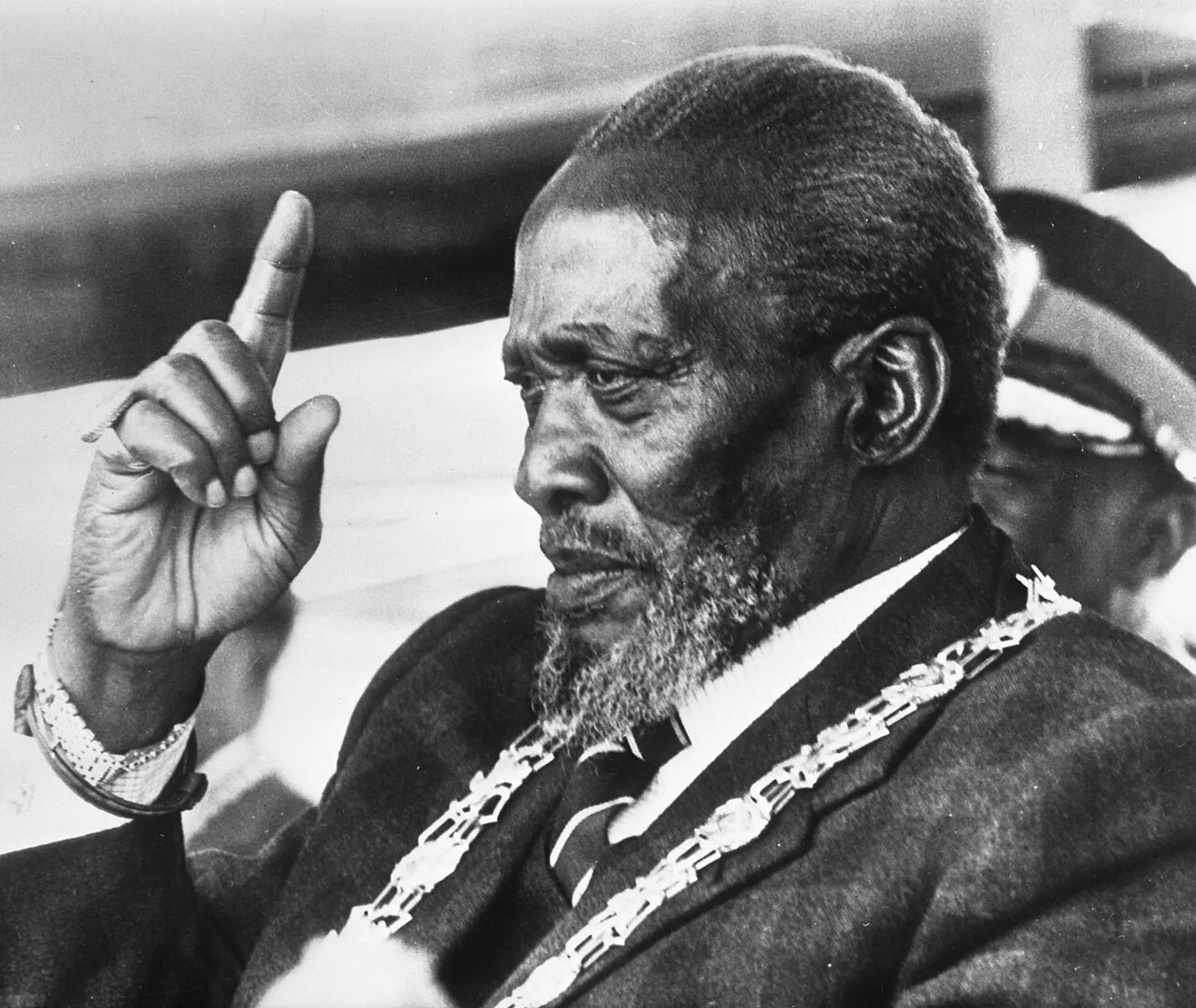
The airport is named for Jomo Kenyatta (c. 1897-1978), who was Kenya's leading anti-colonial activist, becoming its Prime Minister in 1963 and its first President in 1964, after years imprisoned for allegedly masterminding the Mau Mau uprising — a conviction he denied and later historians consider unjust.
Source: Wikipedia
President Kenyatta himself opened the airport's current terminal building on 14 March 1978, work begun under a 1972 World Bank-funded expansion; the airport had already been renamed in his honor and he died just five months after the opening.
Source: Wikipedia
In August 2013, a fire that started in the international arrivals immigration hall (traced to an electrical fault) spread rapidly and gutted much of the airport's international terminal.
Source: Wikipedia
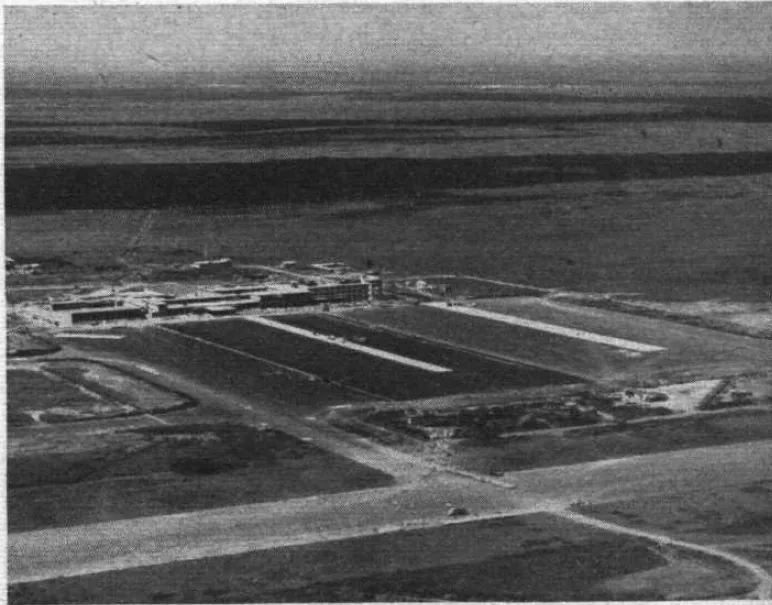
The original 1958 terminal, then called Embakasi Airport, took design cues from Zurich's Kloten Airport, arranging the building so arrivals could see straight through it with a minimum of signage.
Source: Wikipedia
Much of the original airport's construction in the 1950s relied on forced labor, including suspected Kenya Land and Freedom Army members, worked under conditions so harsh that reports described deaths from exhaustion and self-mutilation among the laborers.
Source: Wikipedia
In October 1994, a British Airways Concorde landed at the airport specifically to test the supersonic jet's performance at high altitude.
Source: Wikipedia
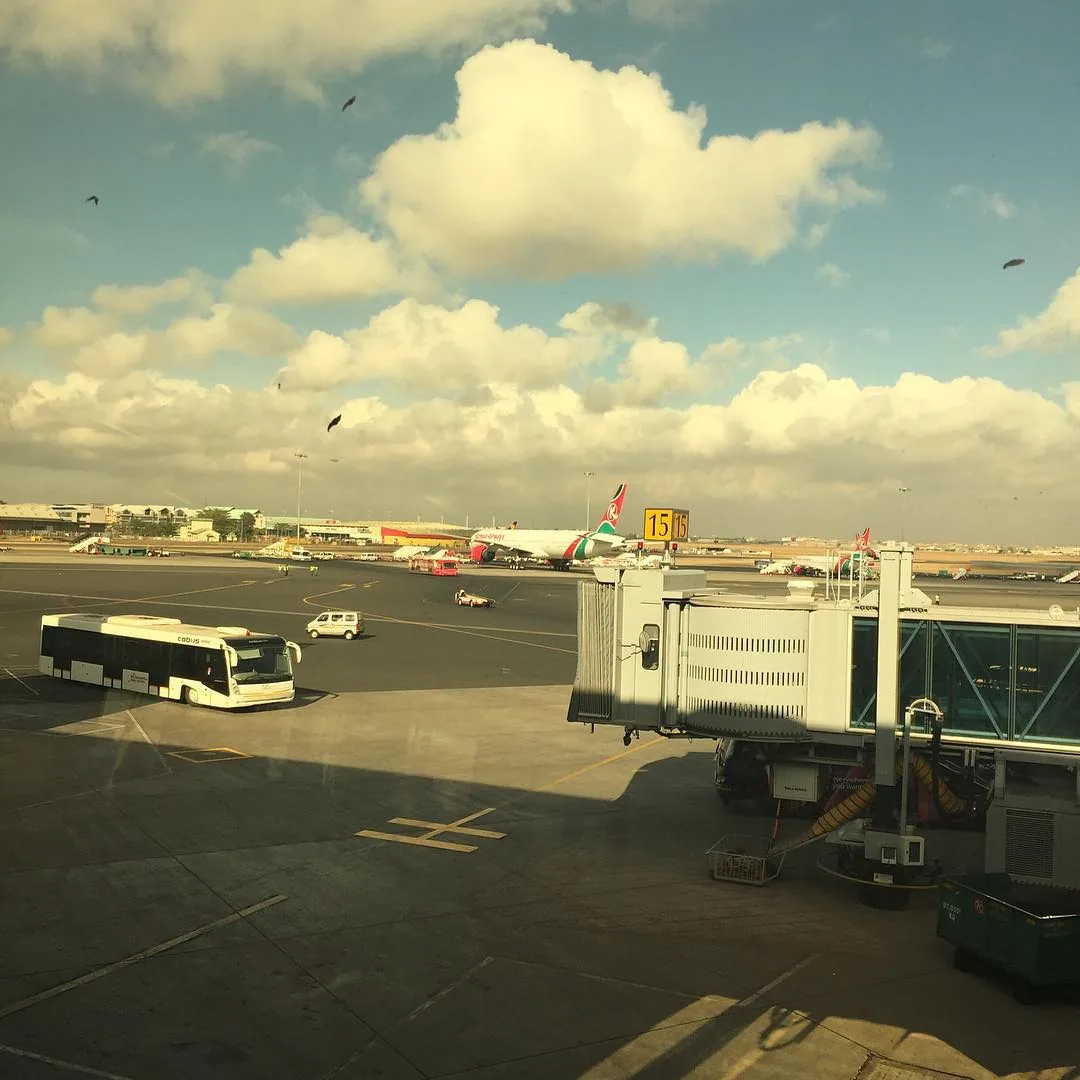
The airport handled more than 9 million passengers and over 364,000 tonnes of cargo in 2024, making it the sixth-busiest airport in Africa by passenger traffic that year.
Source: Wikipedia
A planned "Greenfield Terminal," meant to become the largest in Africa with 20-million-passenger capacity, was terminated in 2016 after its contractor failed to secure financing, ending — at least temporarily — Kenya's bid for that title.
Source: Wikipedia
In September 2024, airport workers went on strike over a proposal to lease the facility to India's Adani Group for 30 years, a plan the Law Society of Kenya challenged in court as endangering a "strategic national asset," leading to its suspension.
Source: Wikipedia