Milan Malpensa International Airport
Facts on MXP
Malpensa's site has hosted aviation since 27 May 1910, when the Caproni brothers test-flew a biplane there; Giovanni Agusta and Gianni Caproni later built aircraft factories on the field, and it switched to civil operation only in 1948.
Source: Wikipedia
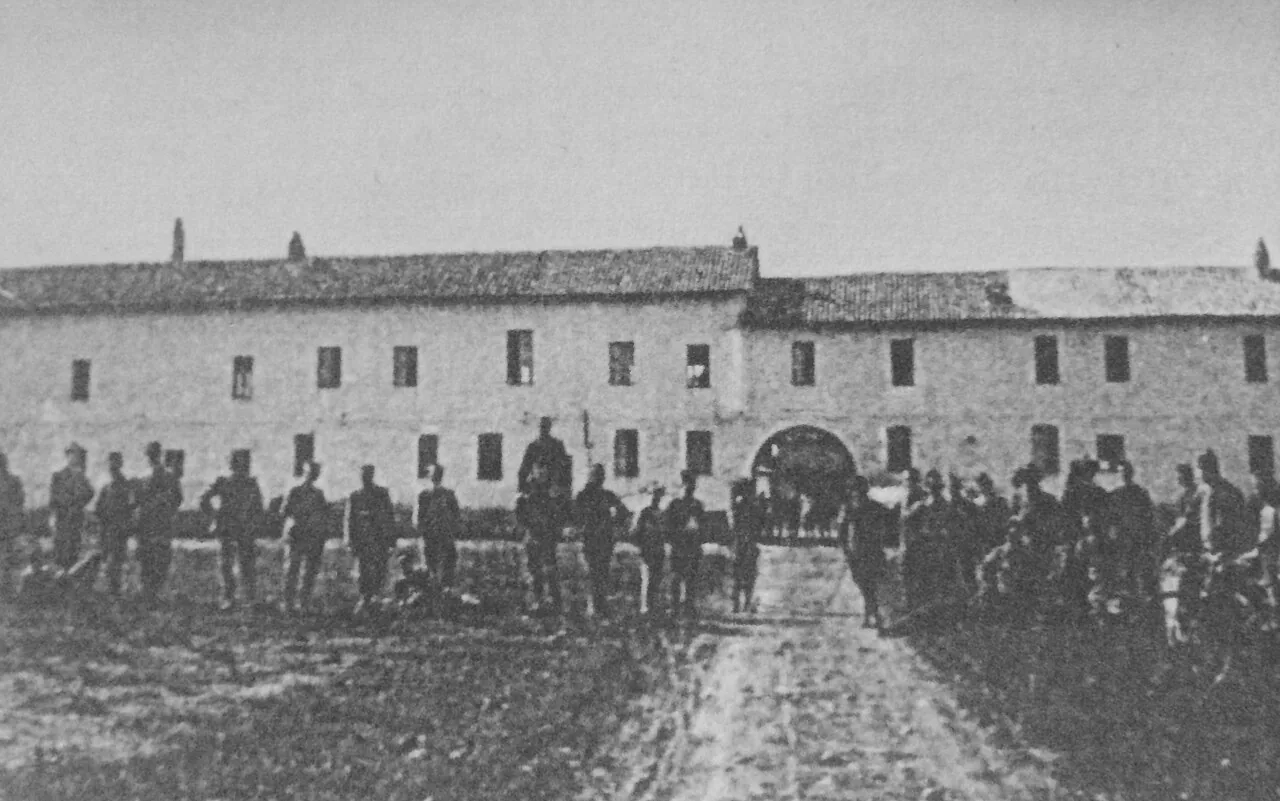
Malpensa takes its name from Cascina Malpensa, a farmstead near Somma Lombardo built in the late 18th century on land so acidic that nothing would grow there — earning it the Lombard nickname 'Mal pensà' ('badly thought out' or 'ill-conceived').
The same 'Malpensata' place name for poor farmland turns up elsewhere in Lombardy too, including a district of Bergamo and several hamlets near Lecco — which is why Italians usually call the airport 'la Malpensa,' treating the old farm name as feminine.
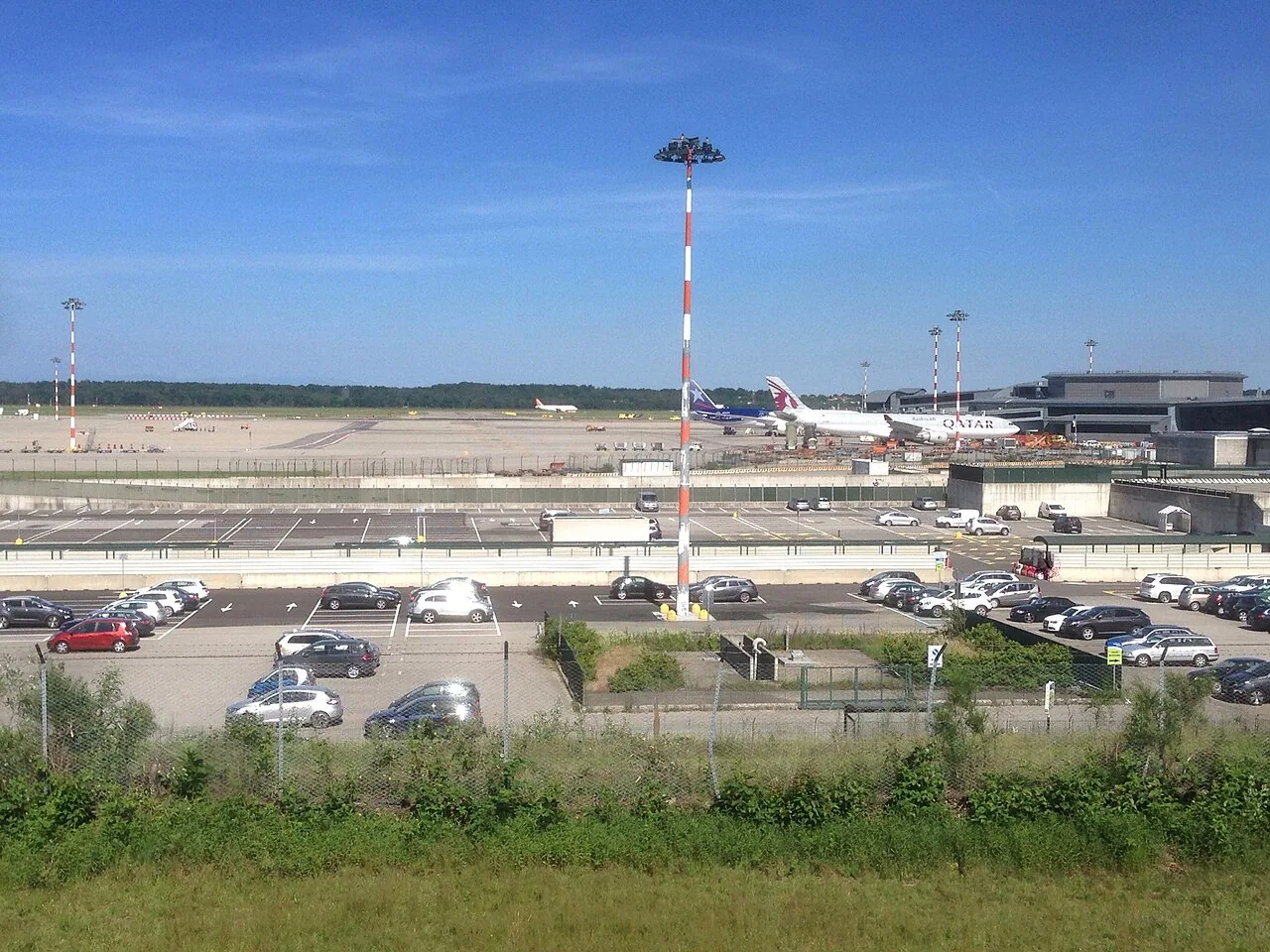
The airport sits inside the Parco Naturale Lombardo della Valle del Ticino, a nature reserve that UNESCO has included in its World Network of Biosphere Reserves, next to the Ticino river that divides Lombardy from Piedmont.
Source: Wikipedia
After the Luftwaffe took over the airfield in September 1943, it laid Malpensa's first concrete runway and deliberately split the site into three sections under different names to make Allied reconnaissance believe it was looking at three separate airfields.
Source: Wikipedia
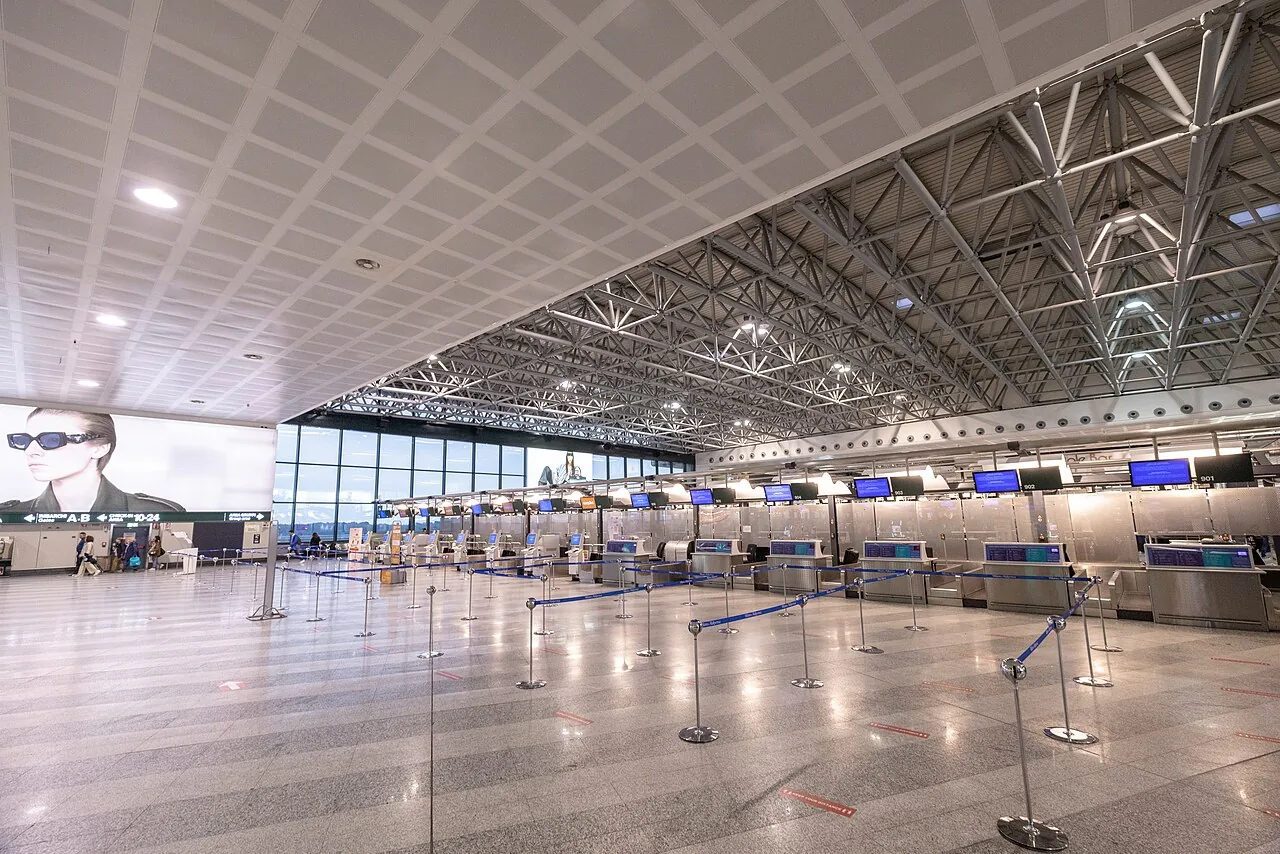
In 2024 Malpensa handled 28.5 million passengers, making it the 22nd-busiest airport in Europe, and moved over 730,000 tons of international freight — more cargo than any other Italian airport that year.
Source: Wikipedia
In July 2024, Italy's civil aviation authority ENAC approved renaming the airport 'Aeroporto internazionale Milano Malpensa Silvio Berlusconi' after the late prime minister, following a request from Lombardy's regional government the previous year.
Source: Wikipedia
EasyJet made Malpensa its main base outside London Gatwick, stationing more than 20 Airbus A319 and A320 aircraft there; rival Ryanair opened its own Malpensa base in December 2015.
Source: Wikipedia
Together with Milan Bergamo and Milan Linate airports, Malpensa forms the Milan airport system, which handled 56.9 million passengers in 2024 — the largest combined airport system, by passenger numbers, in Italy.
Source: Wikipedia
After WWII, manufacturers and politicians led by banker Benigno Ajroldi rebuilt Malpensa's war-damaged runway, extending it to 1,800 metres, and put up a small wooden terminal just to shelter goods and passengers from the weather.
Source: Wikipedia