Louis Armstrong New Orleans International Airport
Facts on MSY
MSY's code has nothing to do with Armstrong: it comes from Moisant Stock Yards, a cattle yard named for daredevil aviator John Moisant, who died there in a plane crash on December 31, 1910. The site became Moisant Field when the airport was built, and the IATA code stuck even after later renamings.
Source: Wikipedia
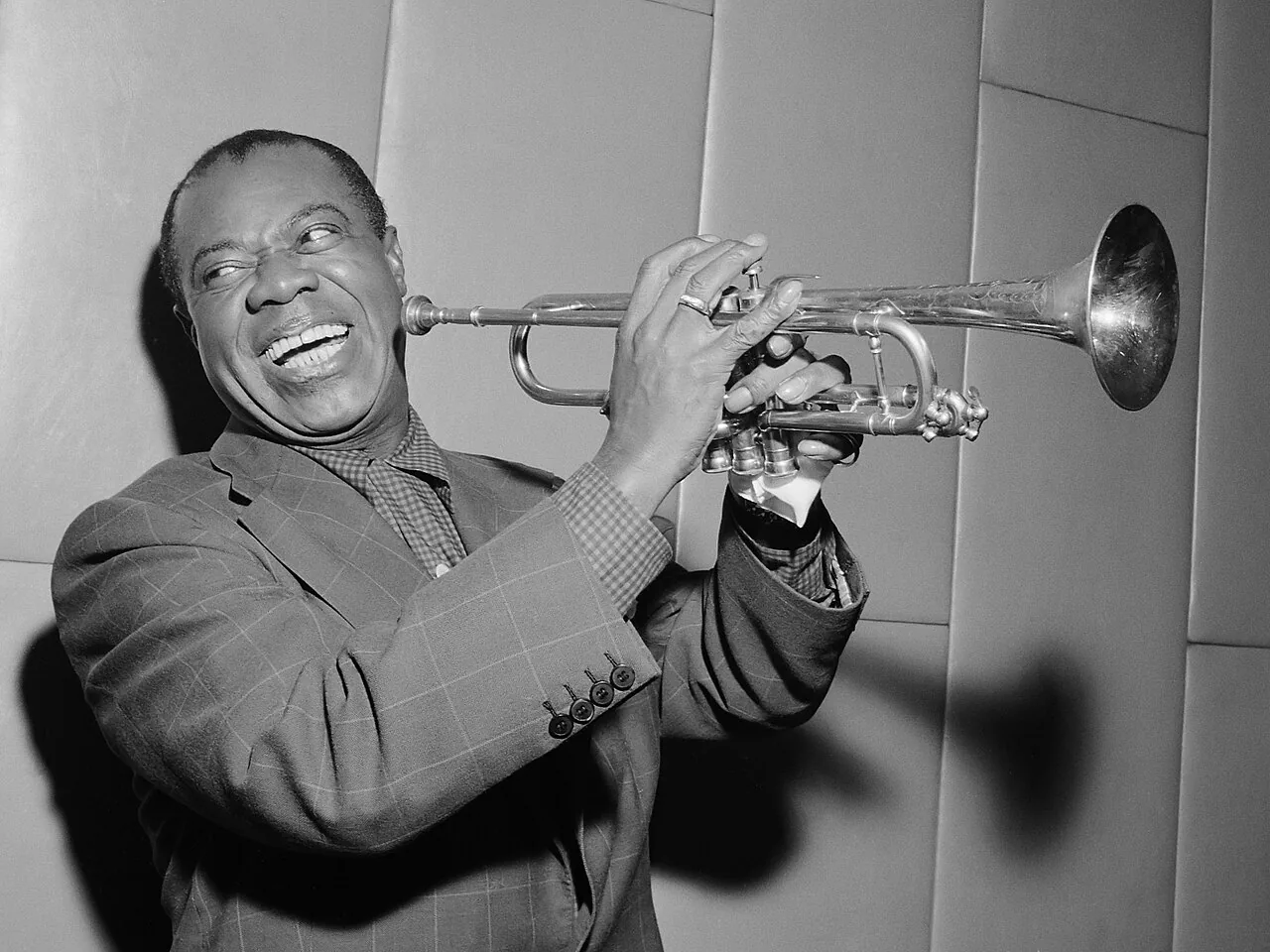
The airport is named for Louis Armstrong, a New Orleans-born trumpeter and vocalist whose innovations shifted jazz from collective improvisation toward the solo performance we know today. Nicknamed 'Satchmo,' he became an international icon and a U.S. cultural ambassador, with hits including 'Hello, Dolly!' and 'What a Wonderful World.'
Source: Wikipedia
In July 2001, to mark the centennial of Armstrong's August 4, 1901 birth, New Orleans International Airport was renamed Louis Armstrong New Orleans International Airport. A statue of him playing his cornet now stands at the entrance to the airport's former terminal building.
Source: Wikipedia
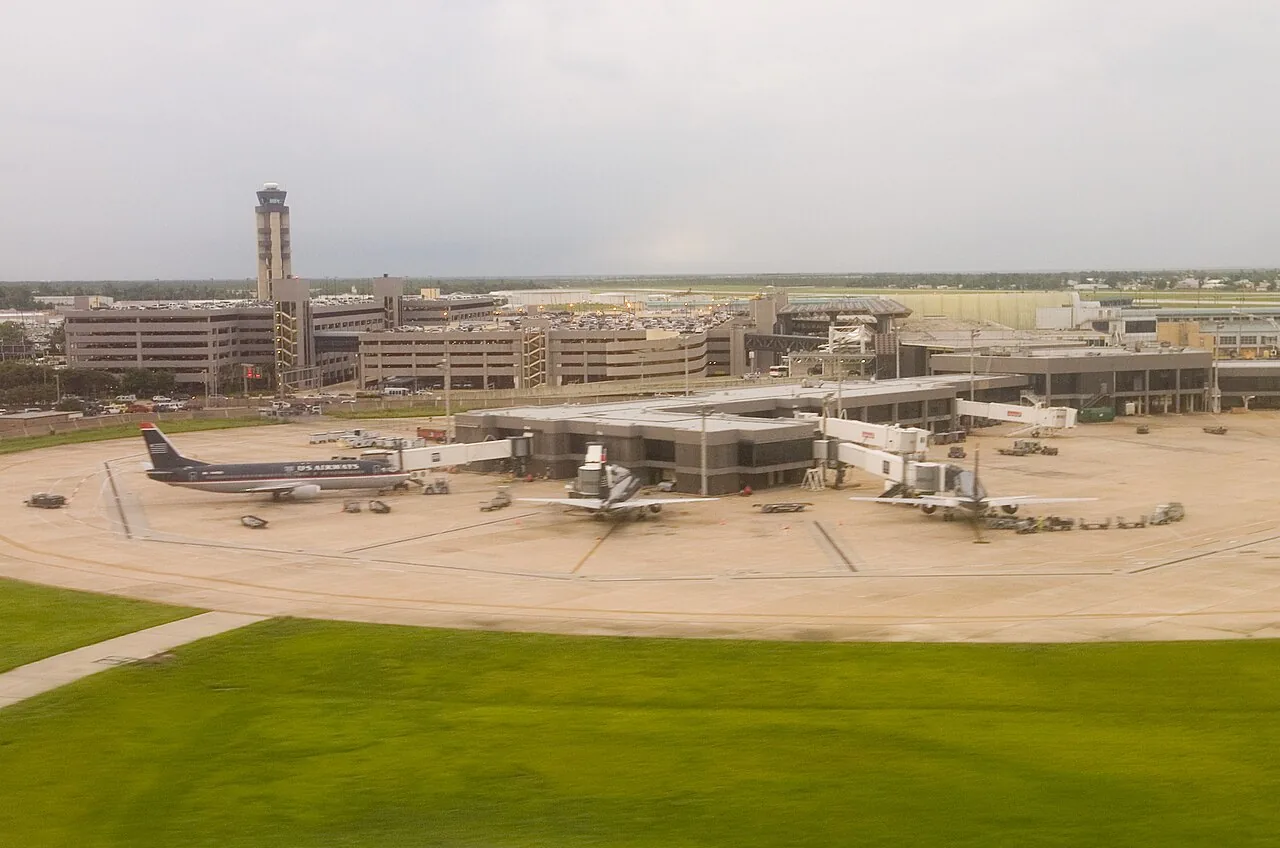
At an average of just 4.5 feet above sea level, MSY is the third-lowest-lying international airport in the world, behind only Amsterdam's Schiphol Airport (11 feet below sea level) and Atyrau International in Kazakhstan (72 feet below sea level).
Source: Wikipedia
Hurricane Katrina forced MSY to close in August 2005; when it reopened on September 13 that year, service amounted to just four Delta flights to Atlanta and a single Northwest Airlines flight to Memphis. Passenger numbers didn't exceed their pre-Katrina level again until 2014.
Source: Wikipedia

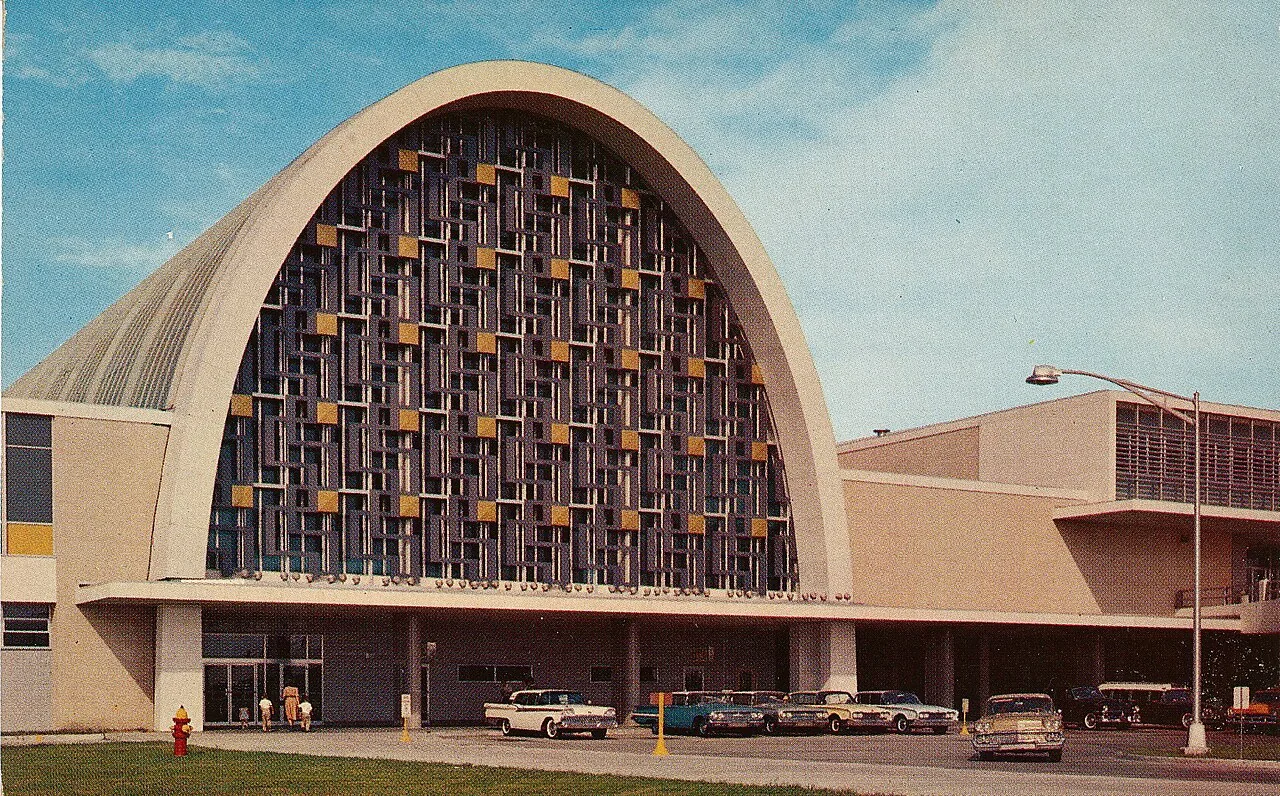
A $1.3 billion terminal designed by architect Cesar Pelli opened in November 2019, replacing the 1959 terminal complex that had served the airport for six decades. The new building has three concourses and 35 gates, versus the old terminal's eventual 47.
Source: Wikipedia
National Airlines flew MSY's first nonstop transatlantic route, to Amsterdam, starting in July 1978; British Airways later routed a London-to-Mexico City flight through New Orleans in 1981-82, and resumed direct London Heathrow service with Boeing 787s in March 2017.
Source: Wikipedia
By the time its 1959 terminal opened, the airport was known as Moisant International Airport; the name changed again, to New Orleans International Airport, in 1961 -- four decades before it became Louis Armstrong International in 2001.
Source: Wikipedia