Minneapolis–Saint Paul International Airport
Facts on MSP
Minneapolis-Saint Paul's airport began in 1919 as Speedway Field, built on the site of a bankrupt race track, the Twin City Speedway. Its first hangar, a wooden structure for airmail service, went up in 1920, with passenger service arriving in 1929.
Source: Wikipedia
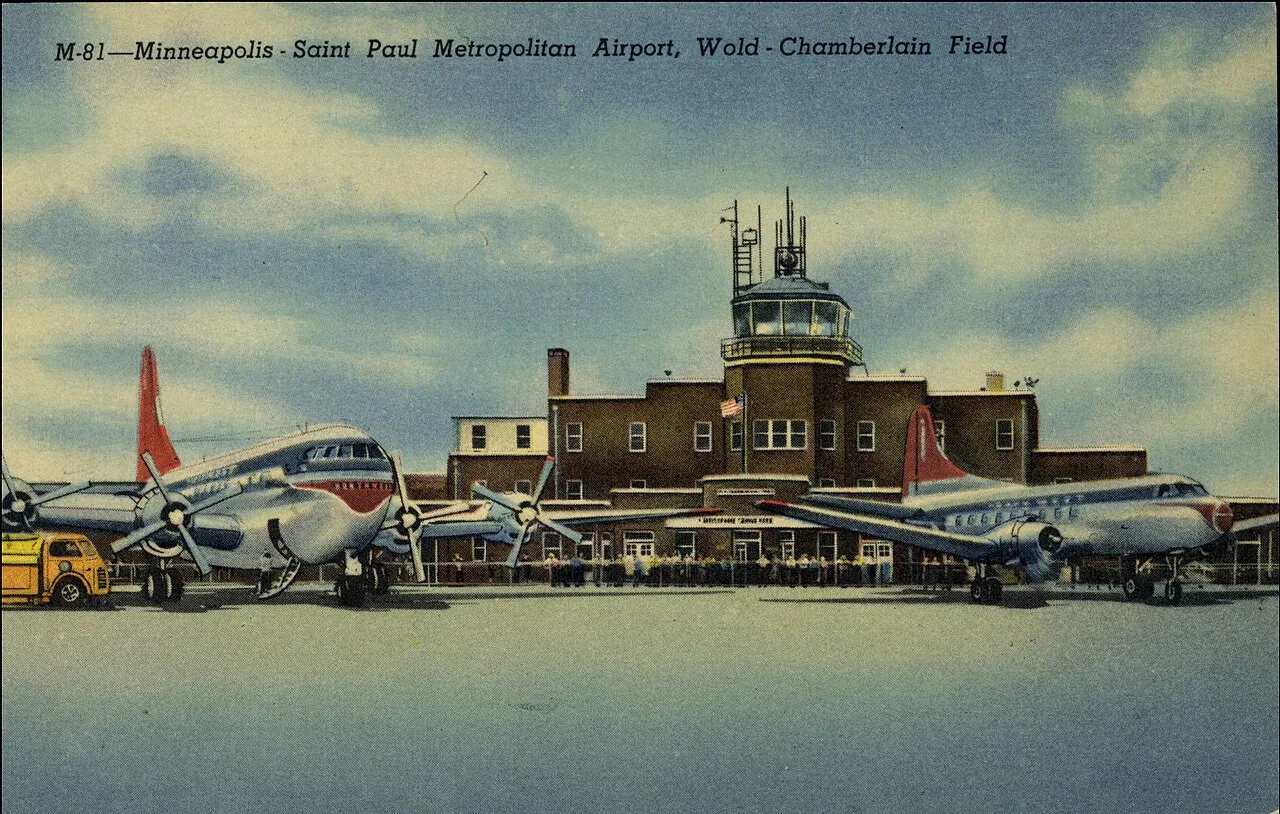
In 1923 the field was renamed Wold-Chamberlain Field for two World War I pilots, Ernest Groves Wold and Cyrus Foss Chamberlain. The name persists as an official alternate title even though it's rarely used today for what became Minneapolis-Saint Paul International.
Source: Wikipedia
MSP's two terminals carry Minnesotans' names: Terminal 1 (Lindbergh) honors aviator Charles Lindbergh, who was raised in the state, while Terminal 2 (Humphrey) honors Hubert Humphrey, who represented Minnesota in Congress and later served as U.S. vice president.
Source: Wikipedia
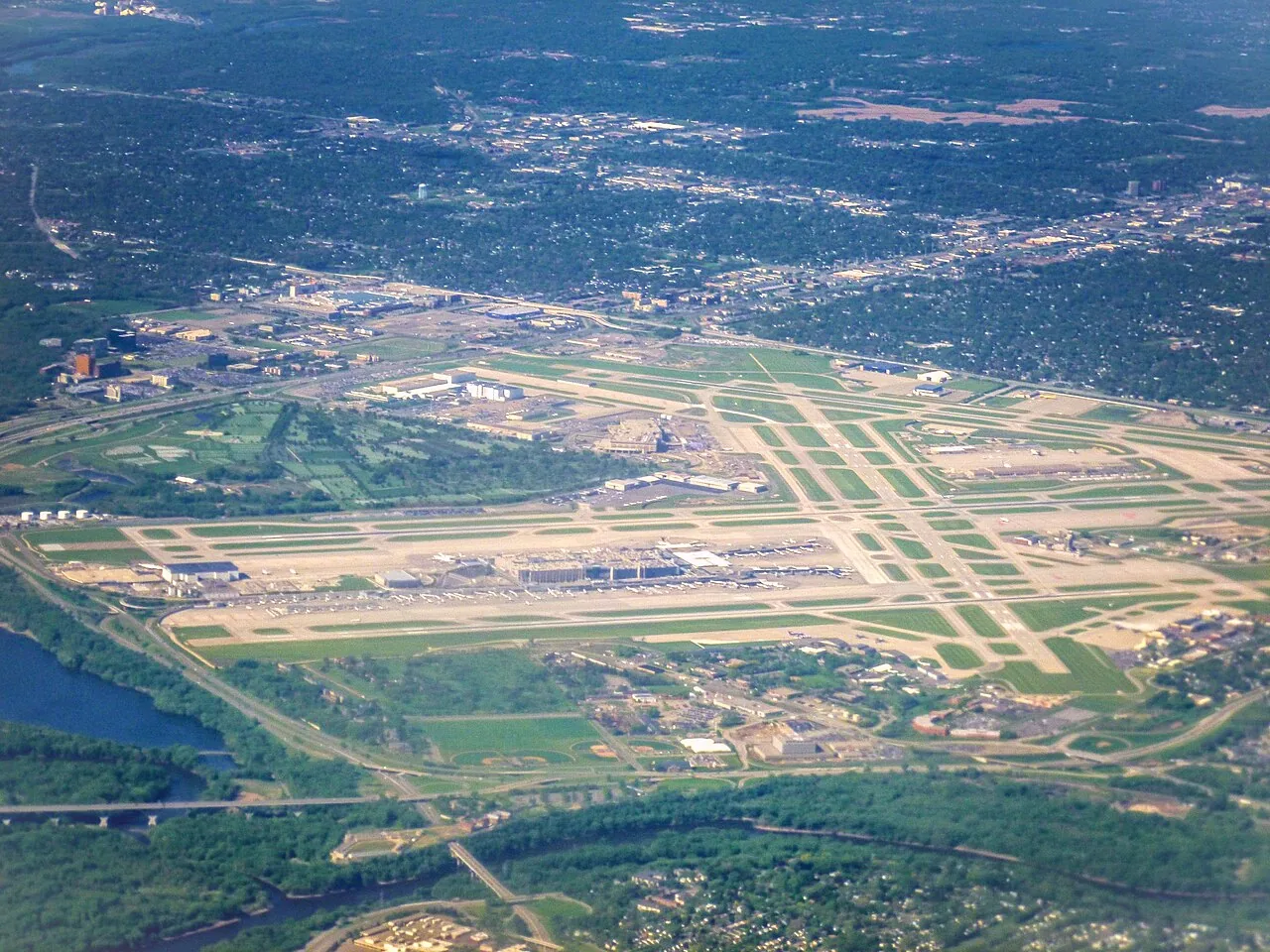
The airport covers 2,930 acres and is estimated to generate $15.9 billion a year for the Twin Cities economy, supporting an estimated 87,000 jobs.
Source: Wikipedia
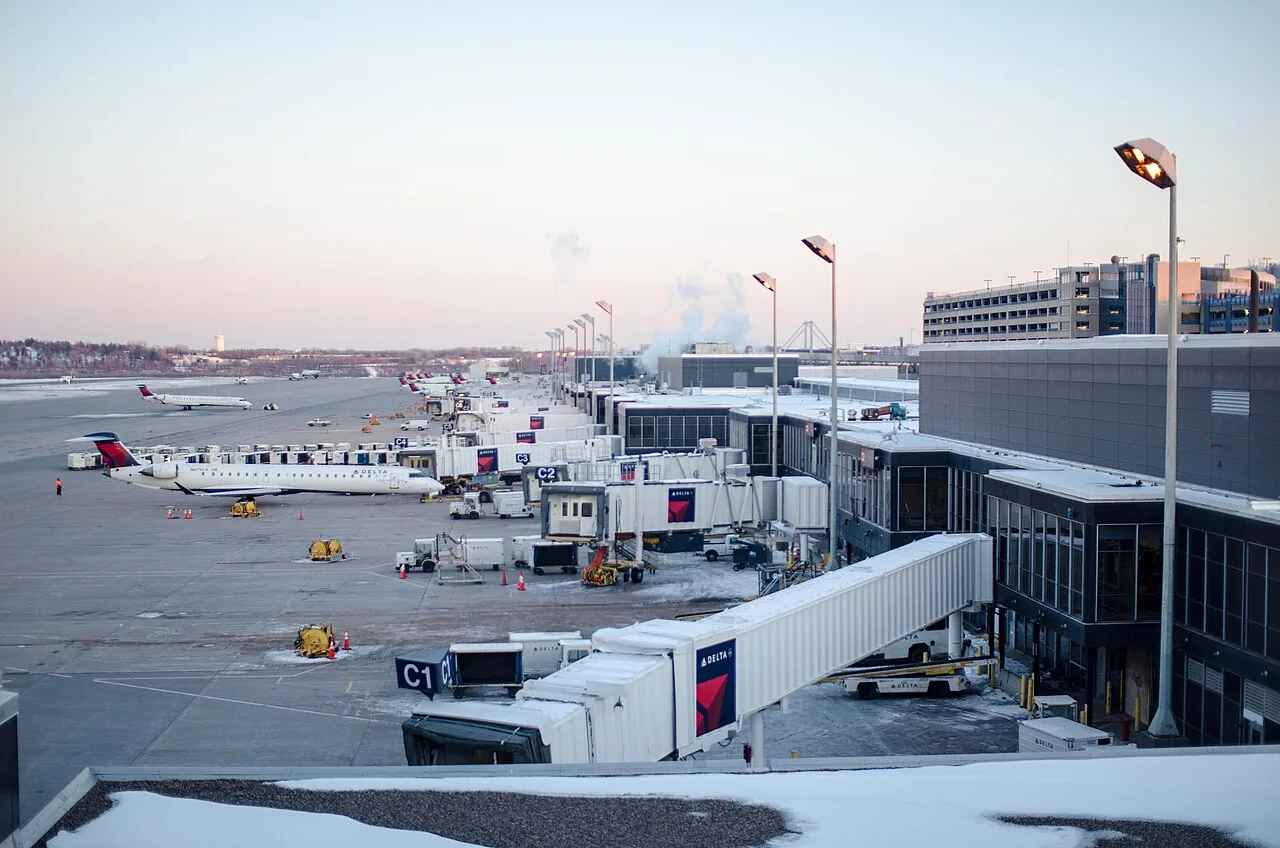
Delta Air Lines and its regional affiliates account for about 65% of MSP's passenger traffic, making it one of the airline's largest hubs; Minnesota-based Sun Country Airlines and Delta subsidiary Endeavor Air also call the airport home.
Source: Wikipedia
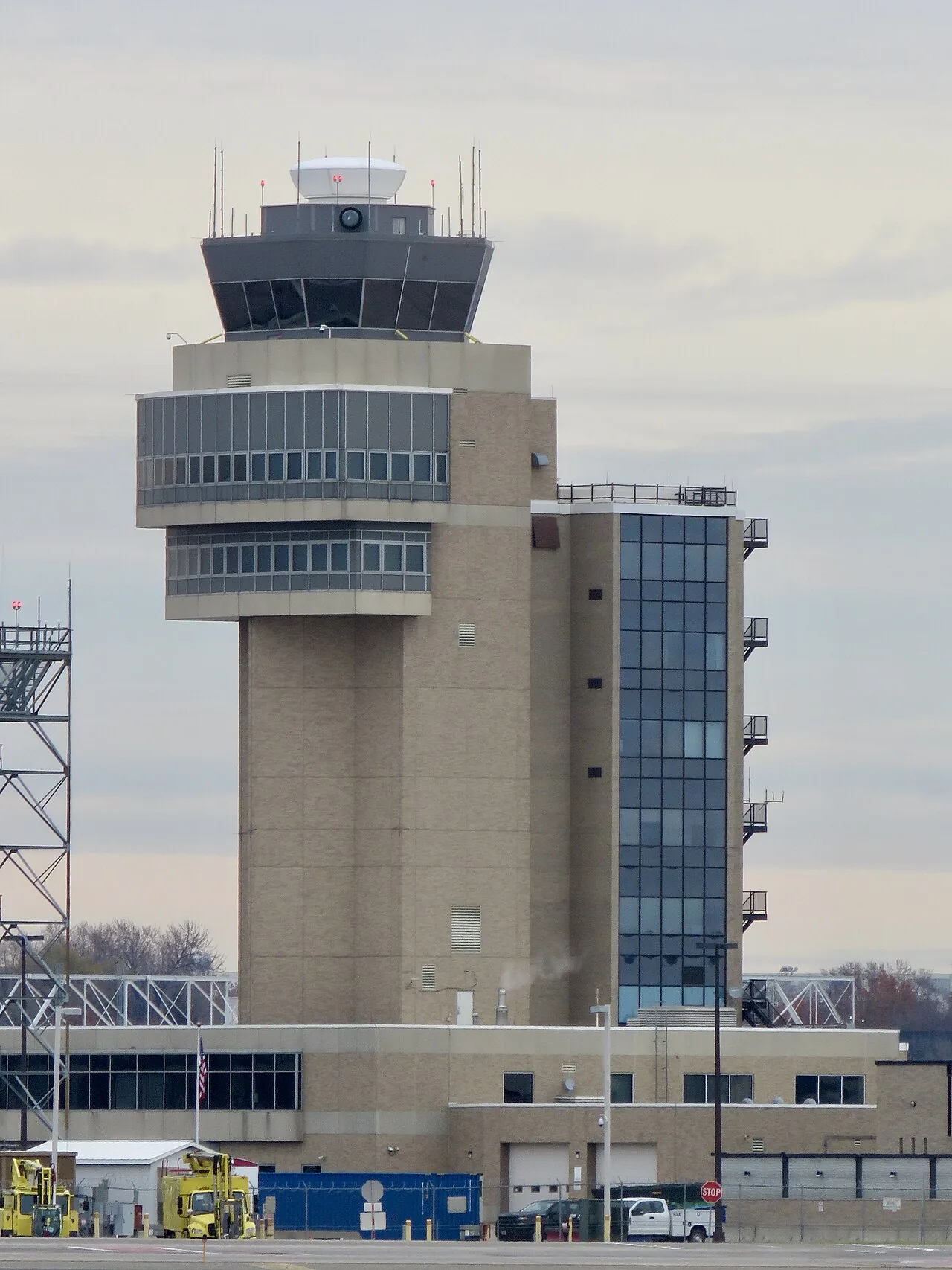
A 2022 J.D. Power survey scored MSP 800 out of 1,000 for traveler satisfaction, ranking it the best large airport in the U.S. and Canada. The following year, analytics firm Cirium named it the world's most punctual international airport, with on-time rates above 84% for both departures and arrivals.
Source: Wikipedia
MSP is a joint civil-military airport: its Air Reserve Station is home to the Air Force Reserve's 934th Airlift Wing and the Minnesota Air National Guard's 133rd Airlift Wing, both flying C-130 Hercules transports, for a combined military presence of more than 2,600 personnel.
Source: Wikipedia
MSP's two terminals sit about a mile apart, reached from separate highway exits and not connected within the airport grounds -- so a wrong turn can cost drivers several extra minutes. A free light-rail shuttle on the Blue Line connects them at all hours, even overnight.
Source: Wikipedia