Mexico City International Airport
Facts on MEX
Mexico City's airport sits 2,230 meters (7,320 feet) above sea level, high enough that it's classified as a 'hot and high' airport, where thinner air reduces how much aircraft engines and wings can perform.
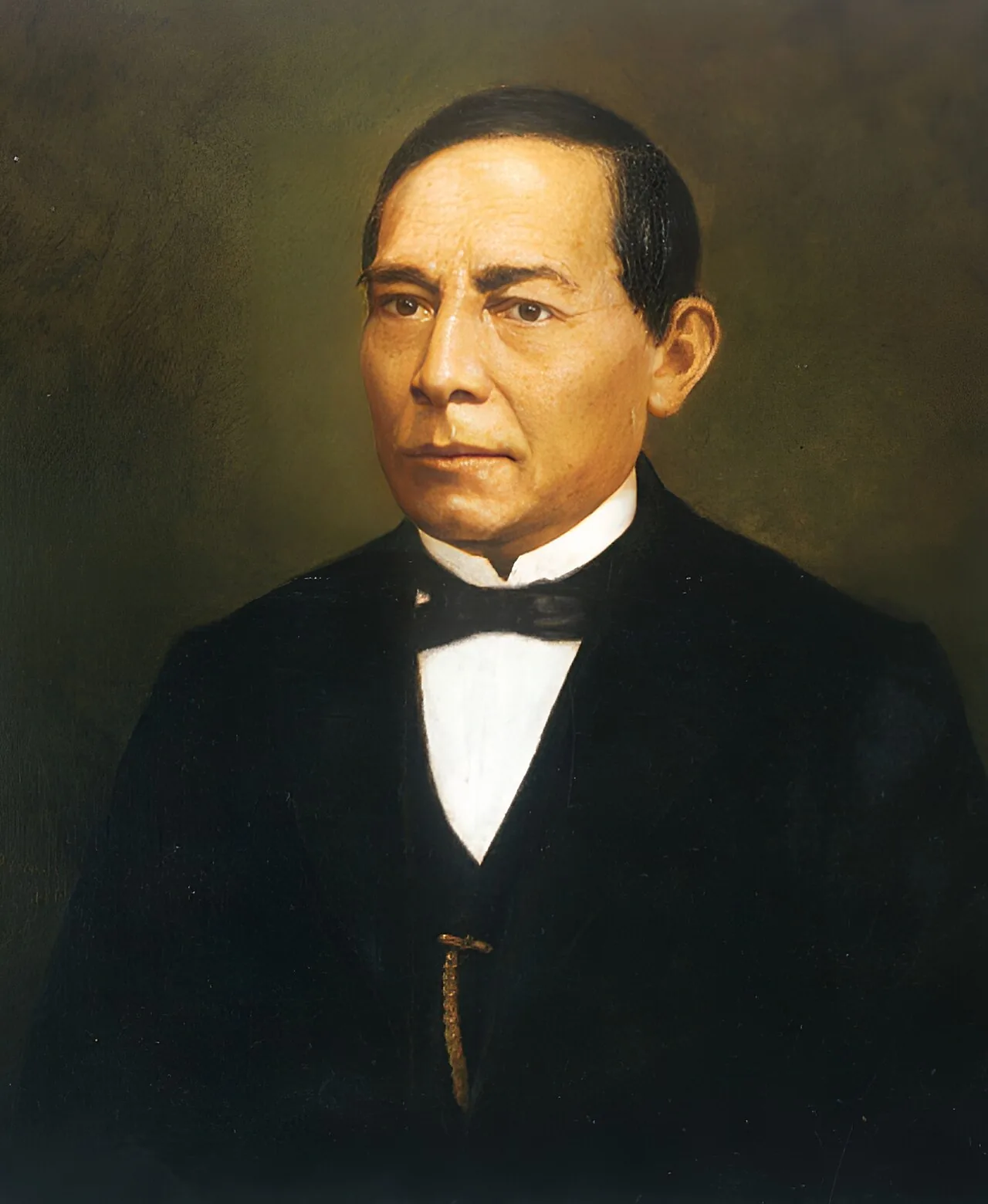
The airport's full name honours Benito Juárez (1806–1872), who was Mexico's 26th president and its first Indigenous head of state, a Zapotec who rose from an orphaned childhood in Oaxaca to lead the Liberal Party to victory in the Reform War and against French intervention.
Source: Wikipedia
The airport wasn't officially named for 19th-century Mexican president Benito Juárez until December 2, 1963 — before that it was simply called 'Aeropuerto Central' (Central Airport). It first opened for service back on May 15, 1931.
Despite carrying the most air traffic of any airport in Mexico, MEX operates with only two runways, making it one of the busiest two-runway airports in the world, handling roughly 850 aircraft movements a day.
The airport's site, Llanos de Balbuena, has hosted aviation since 1910, when Alberto Braniff made the first powered flight over Mexican soil in a French Voisin aircraft; the following year President Francisco I. Madero became the world's first head of state to fly in an airplane there.
Source: Wikipedia
Until 2007, Mexico City's airport was one of only a handful worldwide — alongside Washington-Dulles, Montreal, New York-JFK, Paris-Charles de Gaulle and Jeddah — to move passengers with mobile lounges: elevated bus-like vehicles that carried them from the gate to remote aircraft parking positions.
Source: Wikipedia
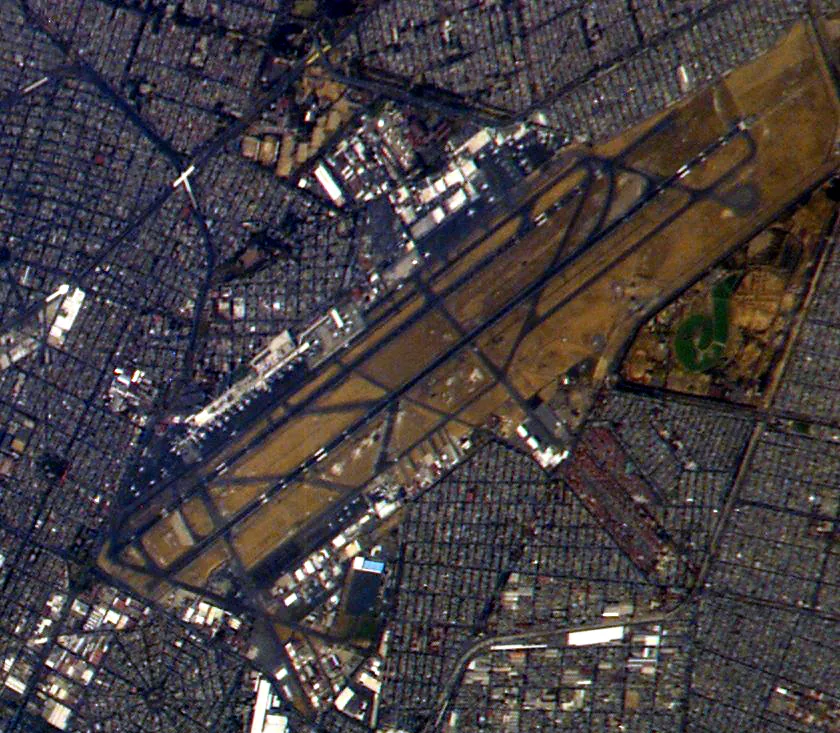
The airport's two parallel runways sit less than 300 meters (980 feet) apart, too close for fully independent simultaneous operations; aligned southwest-northeast, they funnel aircraft noise into central neighborhoods, especially during northeast-wind landings.
Source: Wikipedia
Mexico City International Airport serves as the primary hub for Aeroméxico, Mexico's flag carrier and a member of the SkyTeam alliance, and is also a base for low-cost carriers Volaris and Viva alongside a focus-city operation for Magnicharters.
Source: Wikipedia
President Enrique Peña Nieto's government broke ground on a six-runway replacement airport at Texcoco in 2014, but successor Andrés Manuel López Obrador cancelled it after a public referendum, building the smaller Felipe Ángeles International Airport at Santa Lucía instead, which opened in 2022.
Source: Wikipedia