Melbourne Airport
Facts on MEL
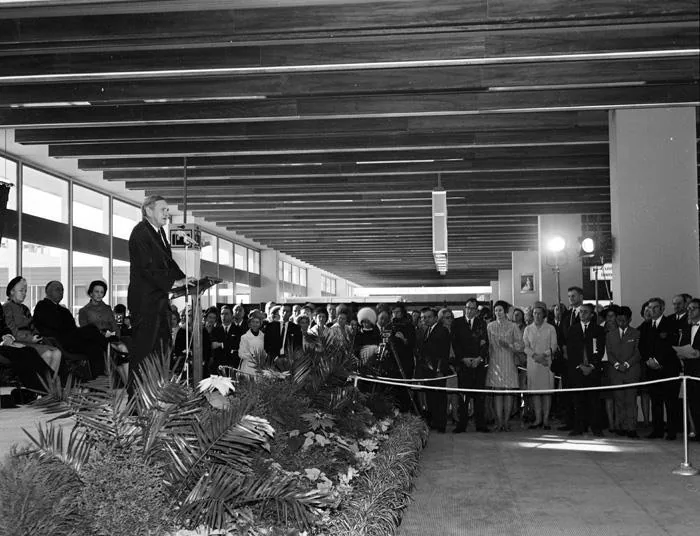
When Melbourne Airport opened at Tullamarine on 1 July 1970, replacing Essendon Airport, it was built as a self-styled 'airport city' with a 300-seat cinema, an observation deck, and a restaurant helmed by a chef from a three-Michelin-star kitchen — amenities meant to make the airport a destination in itself.
Source: Melbourne Airport
Tullamarine, the suburb everyone actually calls the airport, probably takes its name from Tullamareena, a Wurundjeri man who in 1838 burned down the bark hut in which he was being held prisoner. Other accounts make it a boy's name, or an Aboriginal word for a native forest flower.
Source: Wikipedia
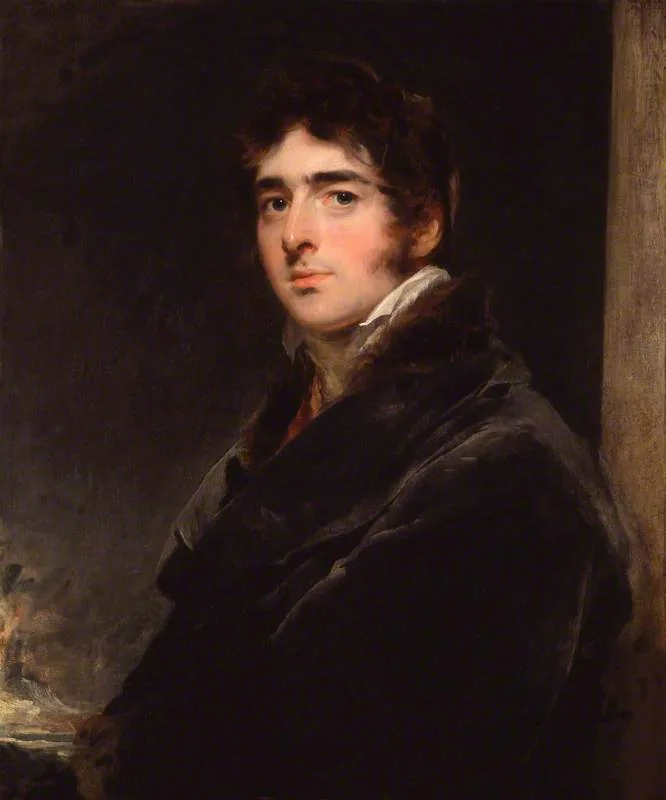
Melbourne itself is named after a British prime minister. Governor Richard Bourke named the settlement on 10 April 1837 after William Lamb, 2nd Viscount Melbourne, whose seat was Melbourne Hall in the market town of Melbourne, Derbyshire; before that it went by names including Dootigala.
Source: Wikipedia
The site for Melbourne Airport was chosen back in 1959, but it took over a decade of construction before the first international flight — a Qantas service to San Francisco — departed on opening day in 1970.
Source: Melbourne Airport
Most of the airport sits on a farm called Gowrie Park. During the 1920s the property was used as a landing ground, and in the Second World War aircraft were parked there overnight in case Essendon aerodrome was bombed. Gowrie Park Drive is the only name left of it.
Source: Wikipedia
Melbourne was deliberately built with no curfew and runs 24 hours a day, which makes it Australia's busiest round-the-clock airport. Between 2 am and 4 am freighters generally outnumber passenger aircraft on the field.
Source: Wikipedia
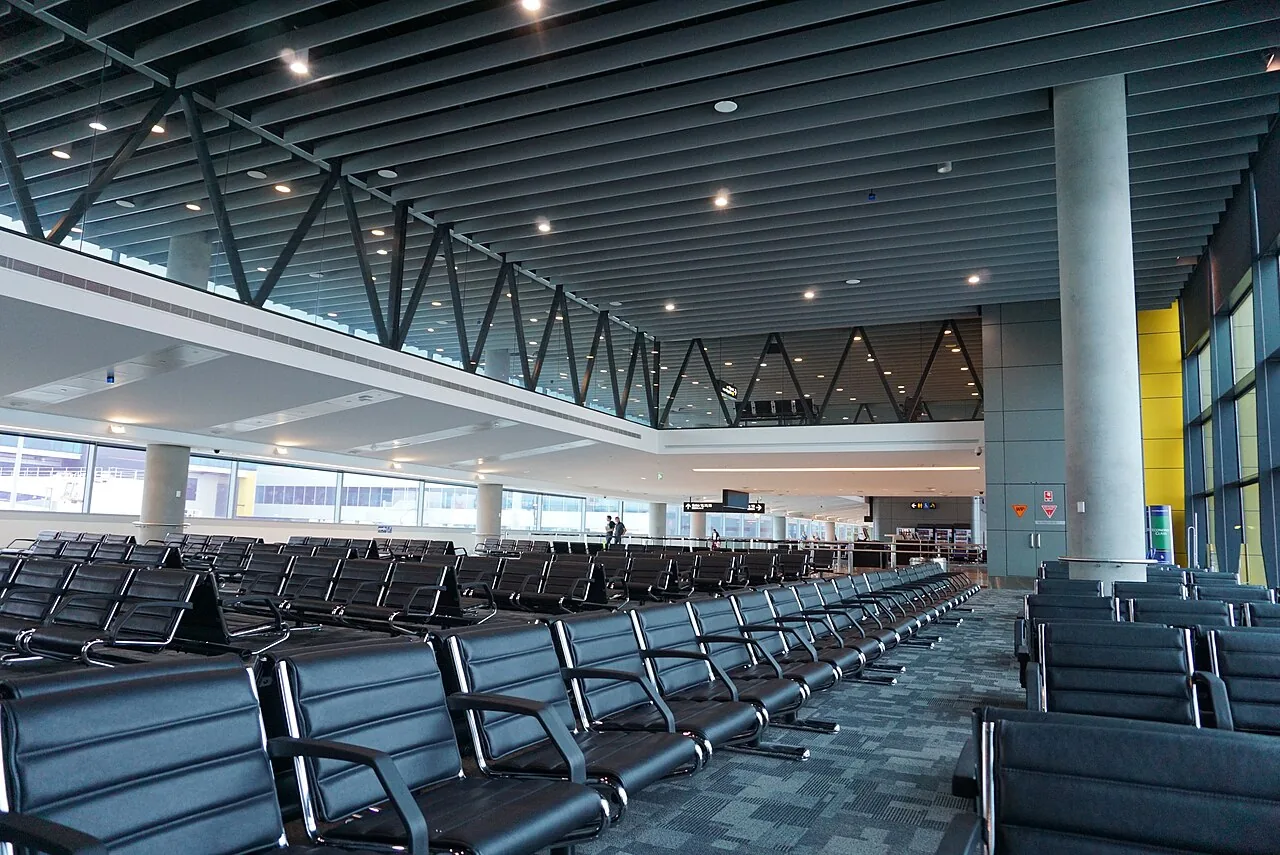
It was the first airport in Australia able to take an Airbus A380. The main north-south runway was widened by 15 m in a 29-day blitz in May 2005, dual airbridges were fitted so both decks could board at once, and the A380 flew in on test on 14 November 2005.
Source: Wikipedia
The airport hosts Melbourne Centre, the control facility for Australia's busiest flight information region — covering Victoria, Tasmania, southern New South Wales, most of South Australia, the southern half of Western Australia and ocean beyond. In total it manages about 6% of the world's airspace.
Source: Wikipedia
Melbourne's fog problem was solved with money: a Category III landing system, the first of its kind in Australia, was commissioned in March 2010 at a cost of $10 million, letting aircraft land in visibility that would otherwise close the field.
Source: Wikipedia
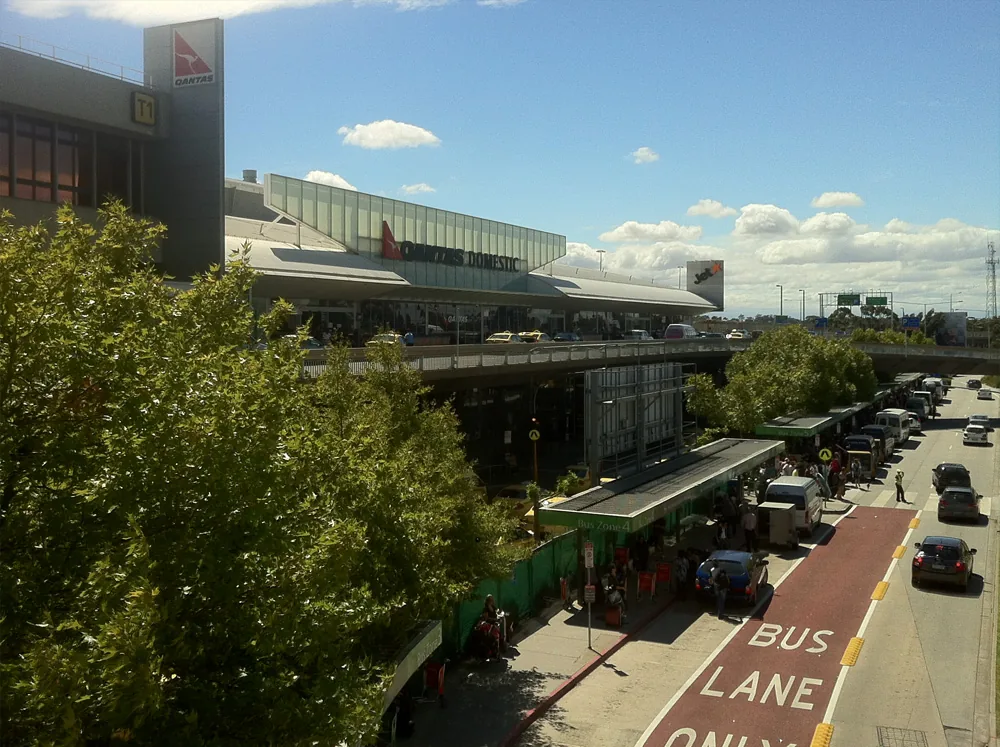
Qantas flies sightseeing services over Antarctica out of Terminal 1 using a Boeing 787. The flights run about thirteen hours in total, give a guided aerial tour of the continent and return to Melbourne without ever landing on the ice.
Source: Wikipedia
Fifty-five years after opening, Melbourne still has no train to the city. Early construction on the 27 km Melbourne Airport Rail link began in 2022 for a 2029 opening, but a dispute over whether the airport station should be elevated or underground pushed completion out to 2033.
Source: Wikipedia
The international terminal doubles as a gallery of Australian Indigenous art, hanging works by artists including Daisy Jugadai Napaltjarri and Gloria Petyarre where arriving passengers meet the country for the first time.
Source: Wikipedia