Manchester Airport
Facts on MAN
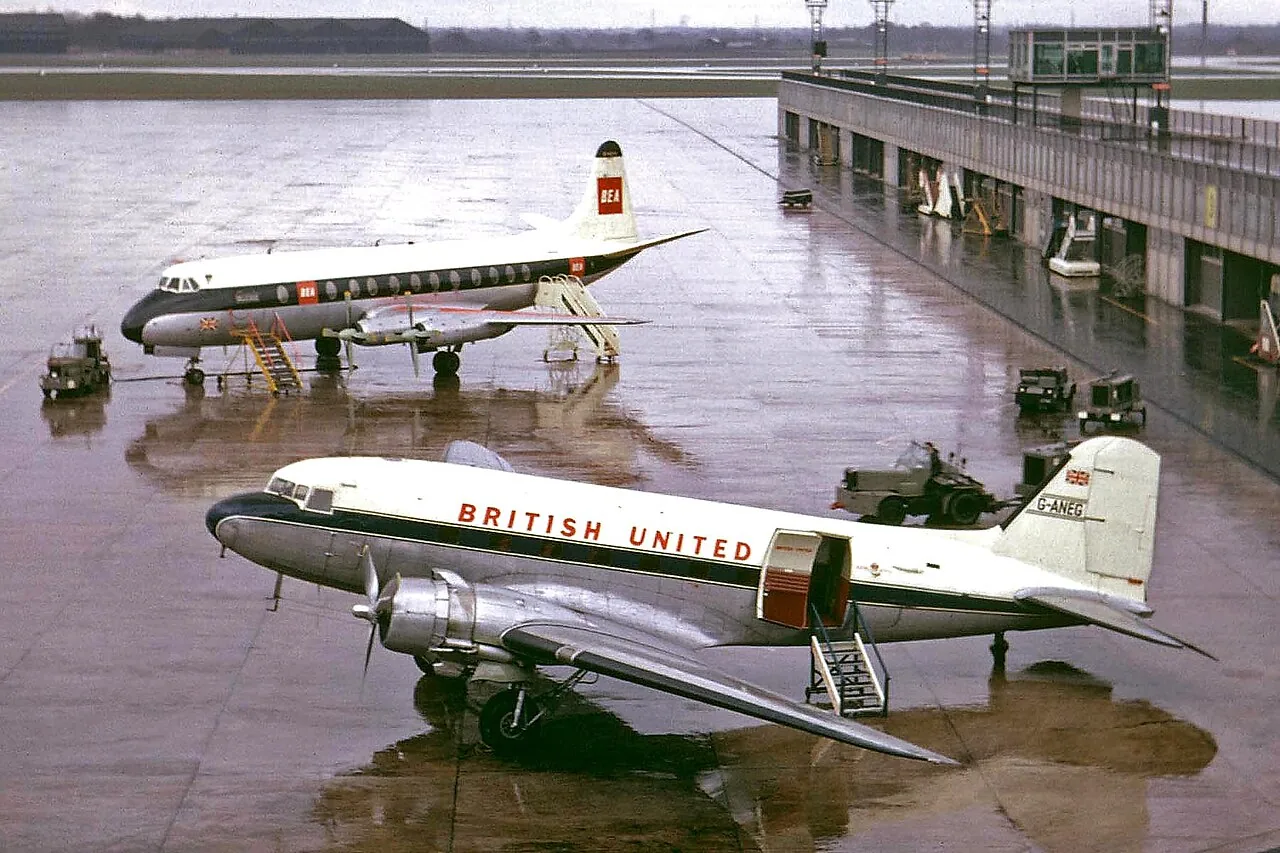
Officially opened on 25 June 1938 as Ringway Airport, it took its name from Ringway, the small village with a church at the airport's western edge; it was renamed Manchester International Airport in 1975.
Source: Wikipedia
During the Second World War the site operated as RAF Ringway, playing an important role in military aircraft production and in training parachutists for airborne operations.
Source: Wikipedia
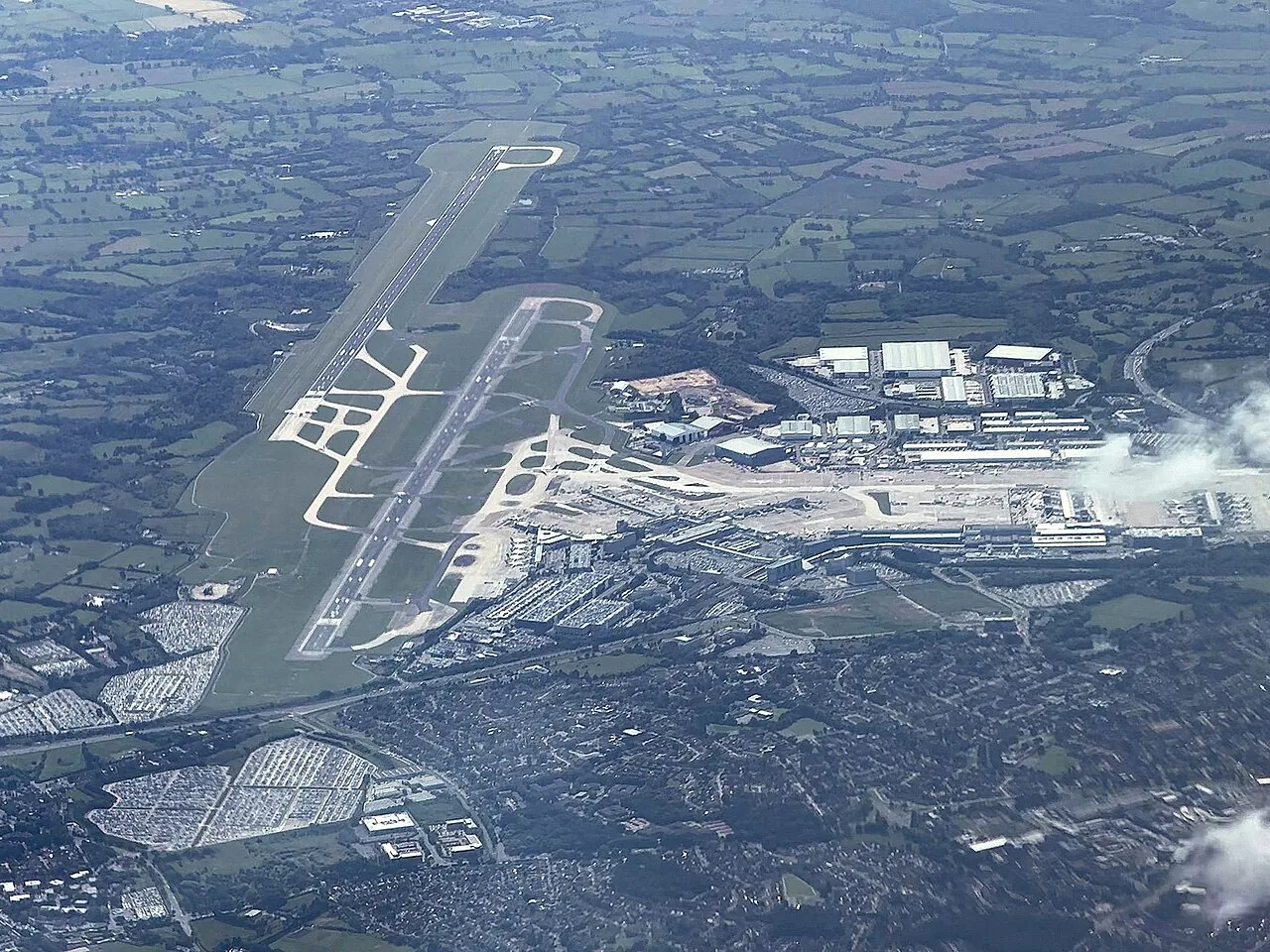
By the 1960s Manchester was already Britain's second-busiest airport after Heathrow; in 2024 it served 32.1 million passengers, making it the UK's third-busiest airport overall and the busiest outside London.
Source: Wikipedia
The purpose-built terminal that opened in 1962 to replace the old RAF buildings featured a departures hall with large Venetian glass chandeliers and the first covered airport passenger piers in Europe.
Source: Wikipedia
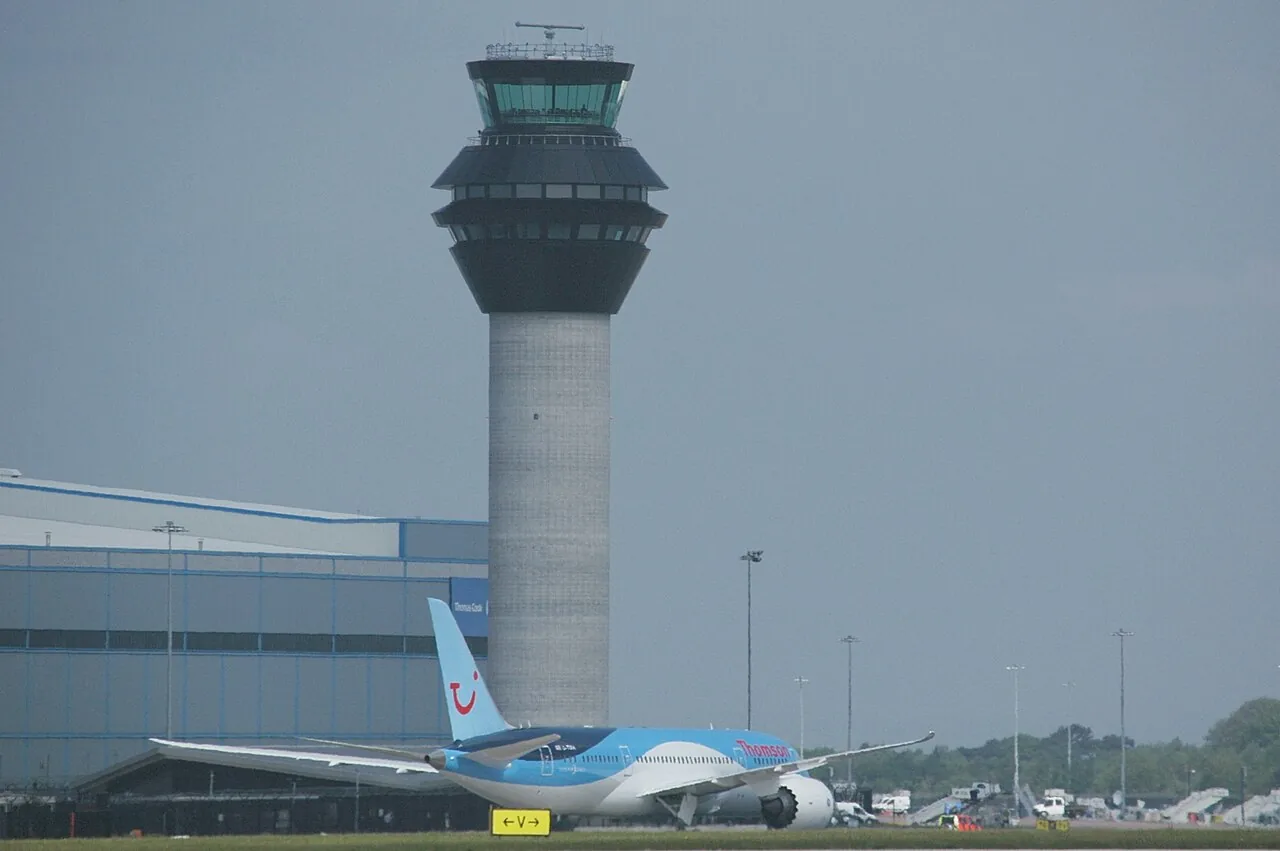
Manchester's air traffic control tower, opened on 25 June 2013, stands 60 metres (200 ft) tall, making it the second-tallest control tower in the UK after Heathrow's.
Source: Wikipedia
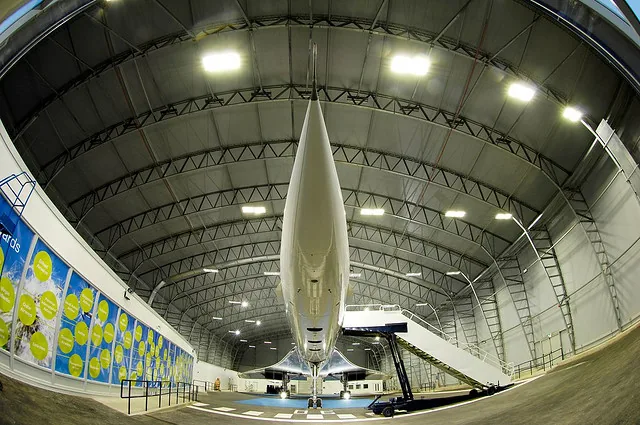
The airport's Runway Visitor Park, which draws about 300,000 visitors a year, displays a retired British Airways Concorde registered G-BOAC, a nod to the airline's forerunner BOAC and the plane's status as the fleet's flagship.
Source: Wikipedia
On 22 August 1985, an uncontained engine failure on takeoff caused a fire aboard British Airtours Flight 28M that killed 55 of the 137 people aboard, an accident that led to major improvements in aircraft fire resistance and evacuation procedures industry-wide.
Source: Wikipedia
Manchester's two parallel runways are staggered 1,850 metres (6,070 ft) apart so landings and takeoffs can run independently; the second runway, opened in 2001 for £172 million, was Britain's first new full-length commercial runway in over 20 years.
Source: Wikipedia