Adolfo Suárez Madrid–Barajas Airport
Facts on MAD
Madrid's airport takes both its MAD code city reference and its name from Barajas, the small district on the city's northeastern edge where 330 hectares of barren land were chosen for the airfield back in 1927.
Source: Wikipedia
The airport is named for Adolfo Suárez, appointed prime minister in 1976 despite being a relatively obscure figure, who pushed the Political Reform Act through the Francoist parliament, legalised Spain's political parties including the Communists, and led his party to victory in 1977's first free election in 41 years.
Source: Wikipedia
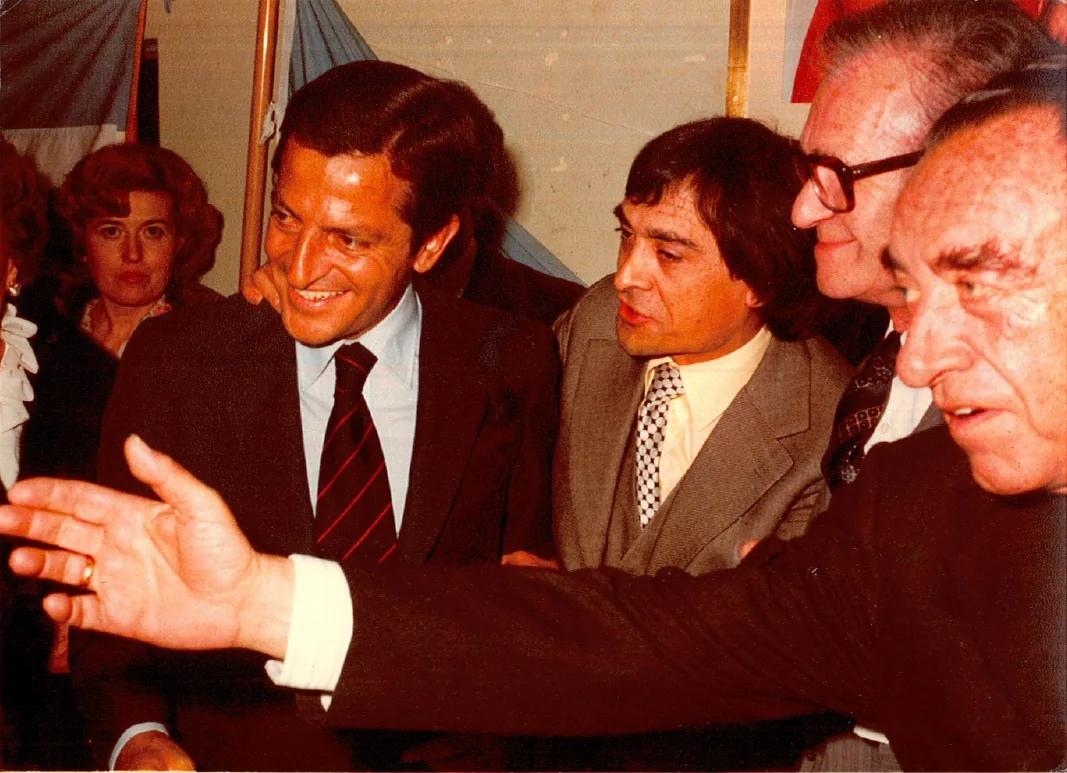
The airport's namesake had a famous moment of nerve. During the 1981 coup attempt, when Lieutenant-Colonel Antonio Tejero and around 200 Civil Guards stormed parliament and held lawmakers hostage for 22 hours, Suárez was one of only three deputies who stayed defiantly seated rather than take cover.
Source: Wikipedia
In 2014 the airport was renamed Adolfo Suárez Madrid-Barajas in honor of Spain's first democratically elected prime minister after the Franco dictatorship, who died that year; today the airport's roughly 3,050-hectare footprint makes it Europe's second-largest by physical size, after Paris-CDG.
Source: Wikipedia
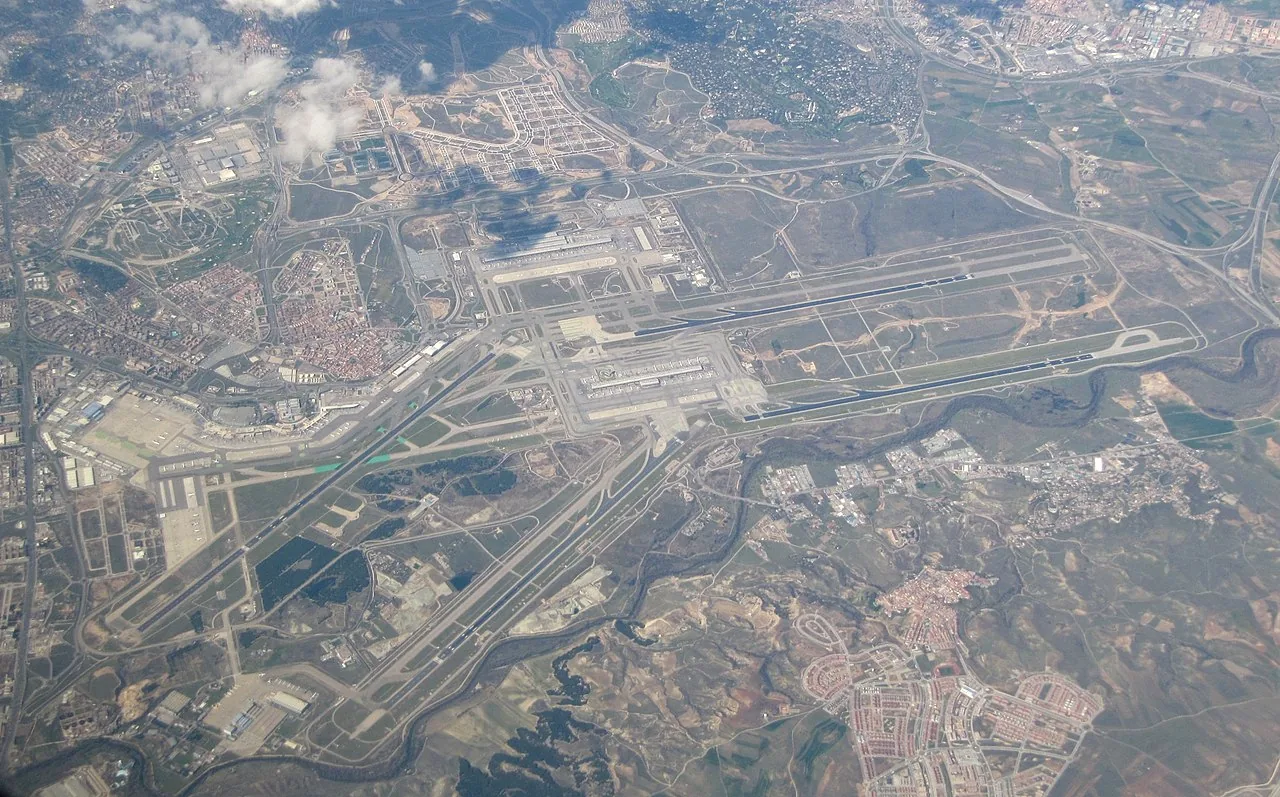
In 2025, 68.1 million passengers passed through Madrid–Barajas, making it Spain's busiest airport and the fifth-busiest in Europe.
Source: Wikipedia
Terminal 4, designed by Antonio Lamela, Richard Rogers and Luis Vidal and completed in 2006, won that year's Stirling Prize; its 760,000 m2 of main and satellite buildings use glass panes and skylights instead of walls to flood the interior with natural light.
Source: Wikipedia
Barajas's four runways, arranged as two crossing pairs, let the airport run 120 operations an hour, meaning a takeoff or landing roughly every 30 seconds at peak capacity.
Source: Wikipedia
On 30 December 2006, an ETA car bomb containing 800 kg of explosives destroyed a module of the Terminal 4 car park, killing two people who were sleeping in their vehicles and leaving around 40,000 tonnes of debris.
Source: Wikipedia