Lisbon Humberto Delgado Airport
Facts on LIS
Lisbon's airport opened in 1942 as Portela Airport and wasn't renamed until 2016, when it became Humberto Delgado Airport in honor of the 'Fearless General' who defied Portugal's Salazar dictatorship and later helped found the national airline TAP.
Source: Wikipedia
The airport is named for Humberto Delgado, a Portuguese Air Force general who ran as an independent against the Salazar dictatorship's candidate in the 1958 presidential election, earning the nickname "Fearless General" after vowing on the campaign trail to fire Salazar if elected.
Source: Wikipedia
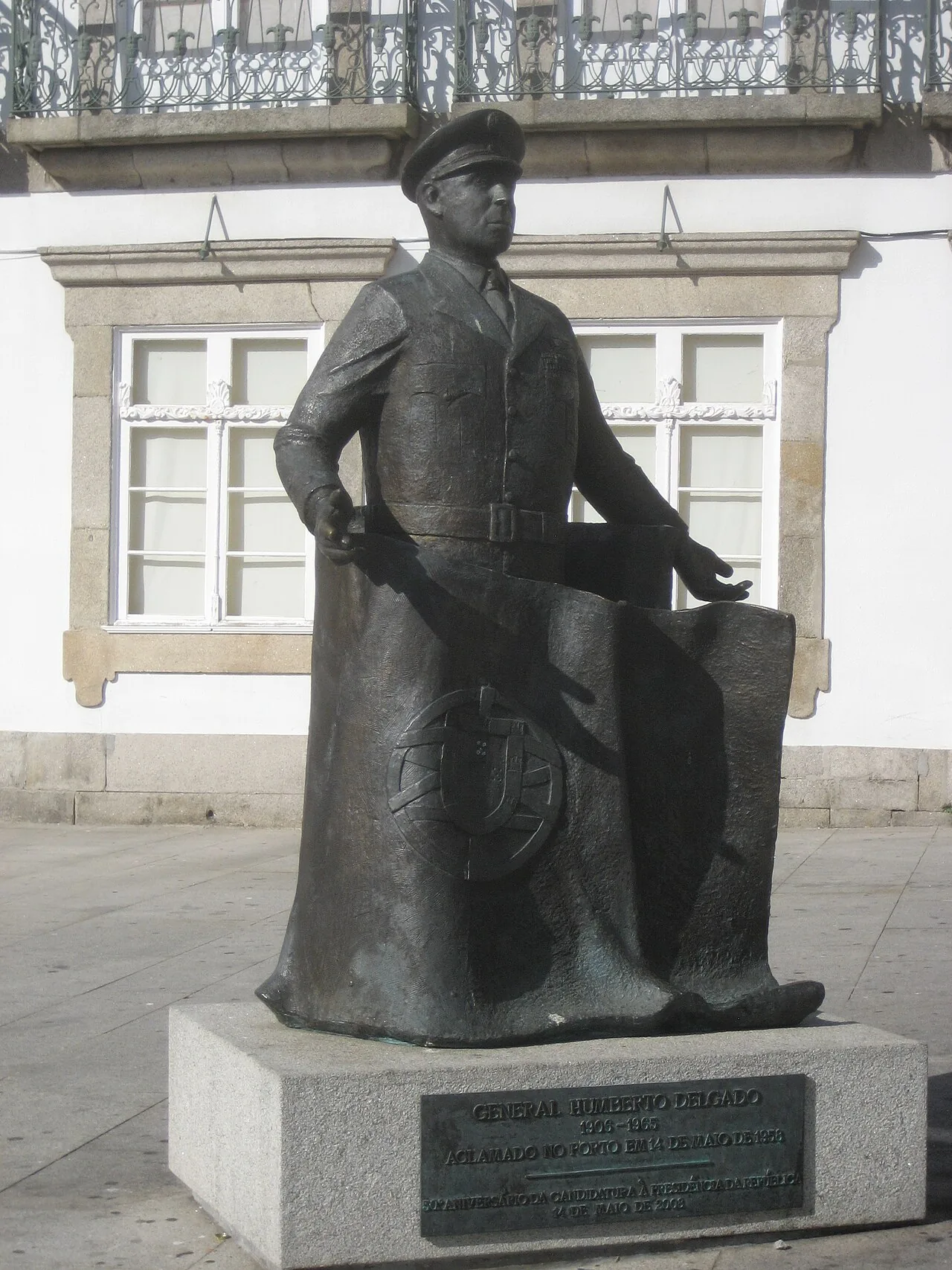
Delgado, the airport's namesake, was lured into an ambush and assassinated by agents of Salazar's secret police near the Spanish border in 1965; in 1990 he was posthumously promoted to Marshal of the Portuguese Air Force, the only person ever to hold that rank after death.
Source: Wikipedia
Despite the 2016 renaming, the airport's IATA code stayed simply LIS, taken straight from the city name Lisbon, so decades-old luggage tags and ticketing systems never had to change.
Source: Wikipedia
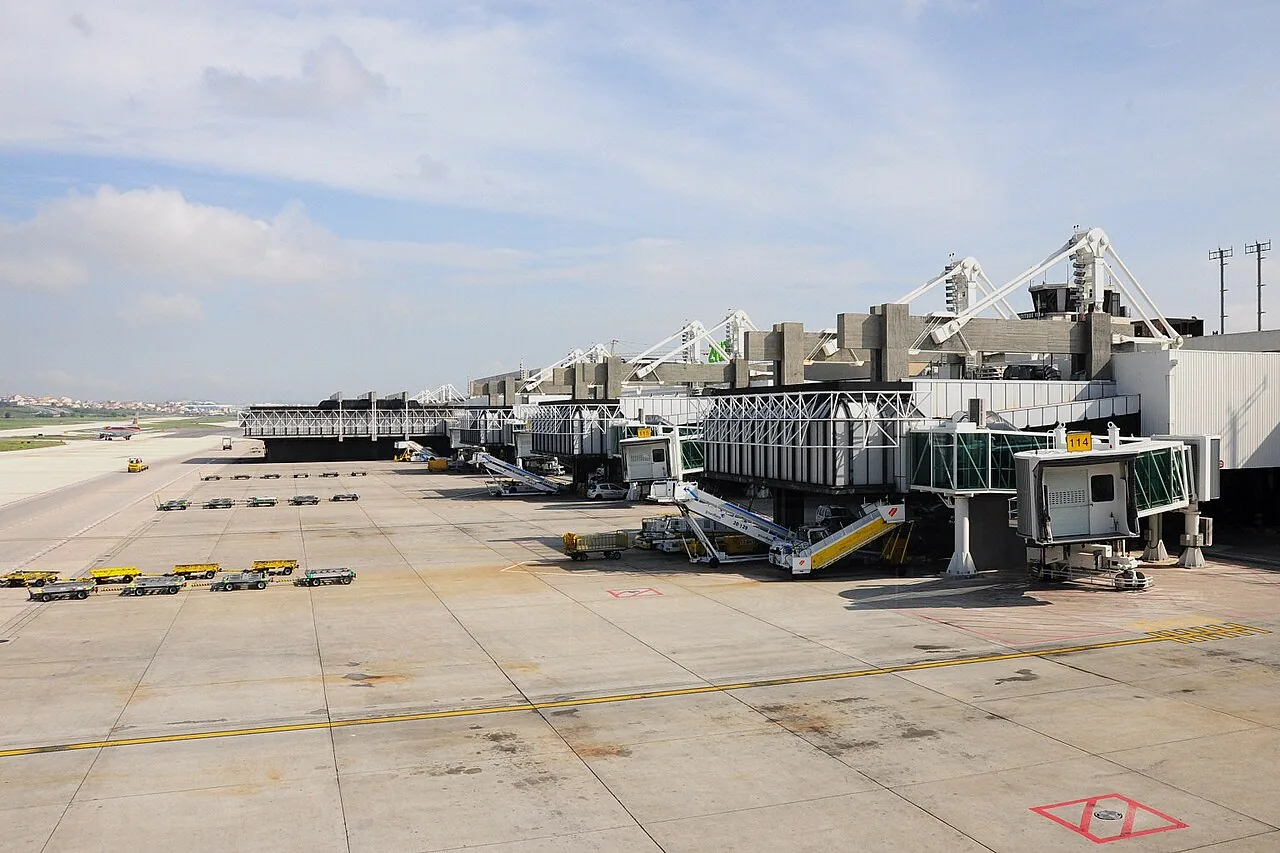
Opened on 15 October 1942 while Portugal stayed neutral in the Second World War, the airport was open to both German and Allied airlines and became a hub for smuggling people across Europe, the wartime backdrop referenced in the film Casablanca.
Source: Wikipedia
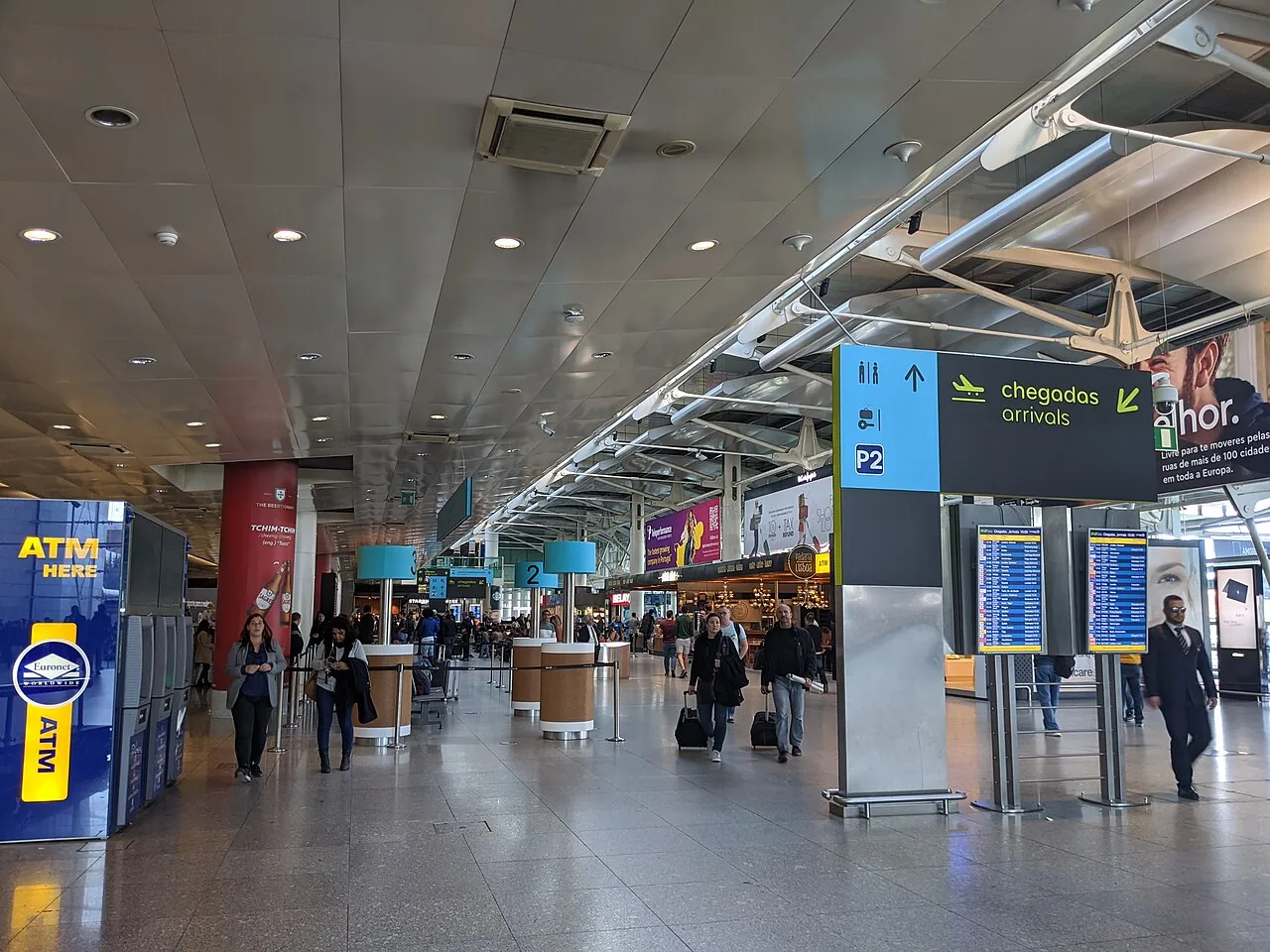
With more than 36 million passengers a year, Lisbon's airport ranks as the 13th-largest in Europe by passenger volume and also handles roughly 200,000 tonnes of air cargo annually.
Source: Wikipedia
TWA operated the airport's first direct flight to New York using a Boeing 707, and the same carrier later flew Lisbon's first Boeing 747 service in 1970, as Portugal's flag carrier TAP prepared to order its own 747s two years later.
Source: Wikipedia
More than 414,000 people live within 5 km of Lisbon's airport, the highest number for any major European airport, one reason the site is due to close once the new Lisbon Luís de Camões Airport opens, expected in 2034.
Source: Wikipedia