London Heathrow Airport
Facts on LHR
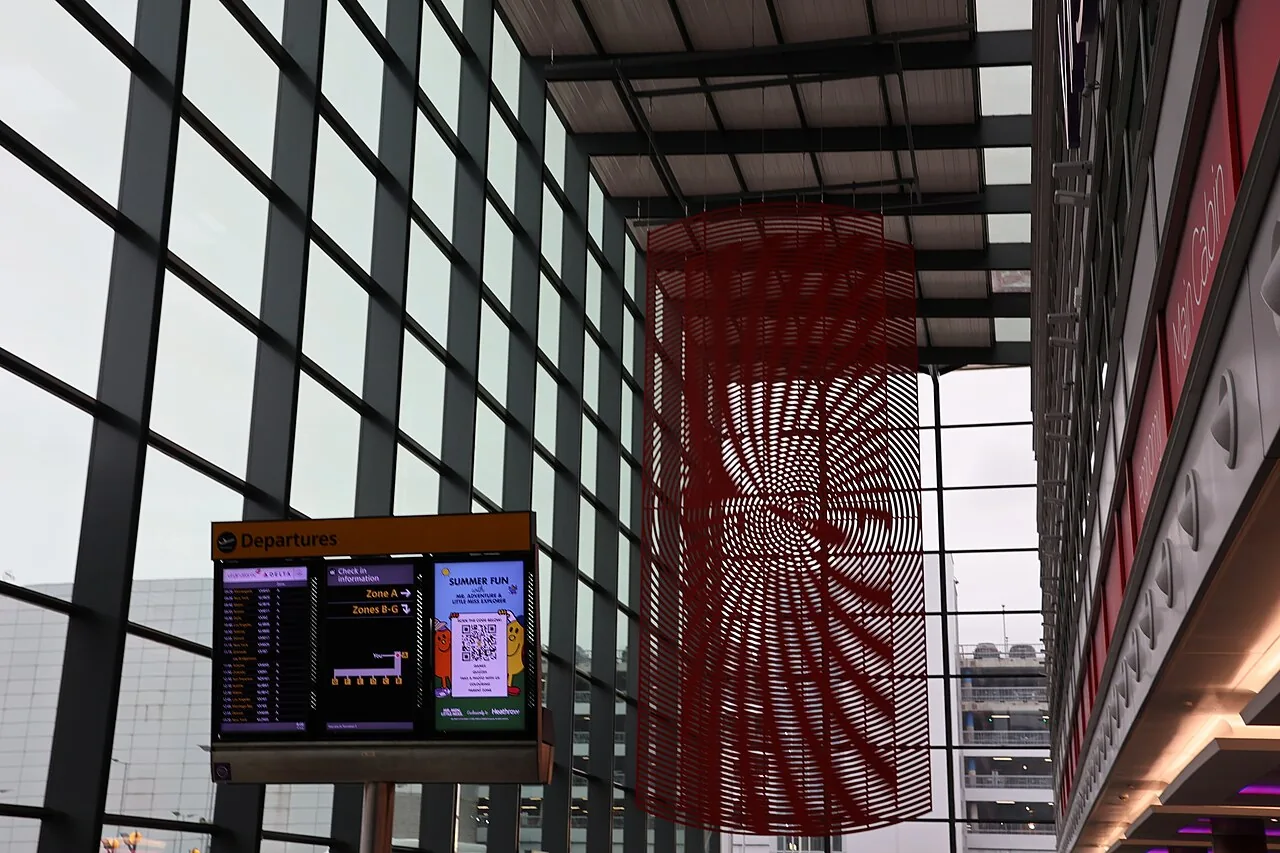
Heathrow opened in 1946 as simply 'London Airport' and wasn't renamed Heathrow until 1966, when officials wanted to avoid confusion with the capital's other airports, Gatwick and Stansted.
Source: Wikipedia
Before it was an airport, Heathrow was a quiet farming hamlet whose name (recorded as far back as around 1410 as 'La Hetherewe') was wiped off the map when the surrounding farms and market gardens were demolished in the 1940s to build the airfield.
Source: Wikipedia
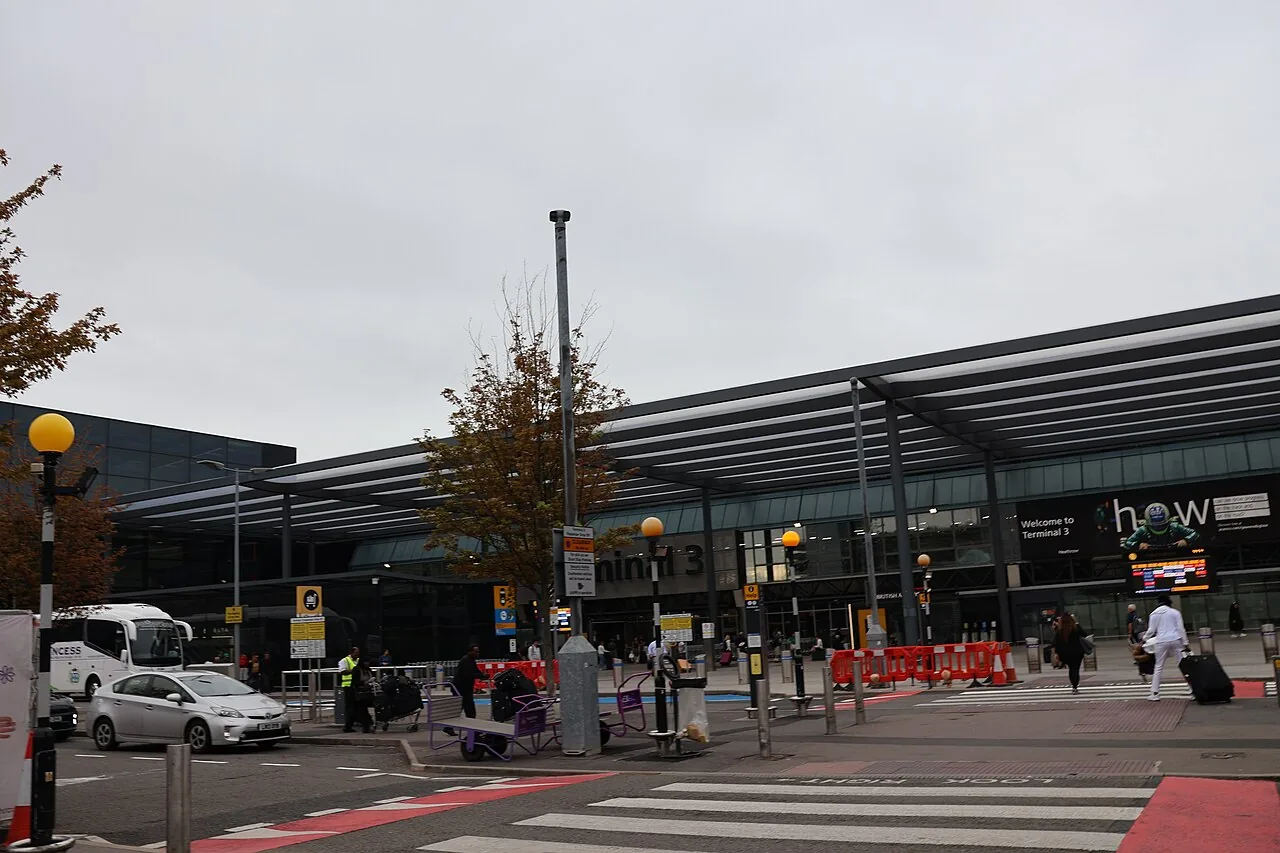
Despite operating with just two runways, Heathrow was Europe's busiest airport and the fifth-busiest in the world by passenger traffic in 2025, with a record 83.9 million passengers passing through in 2024.
Source: Wikipedia
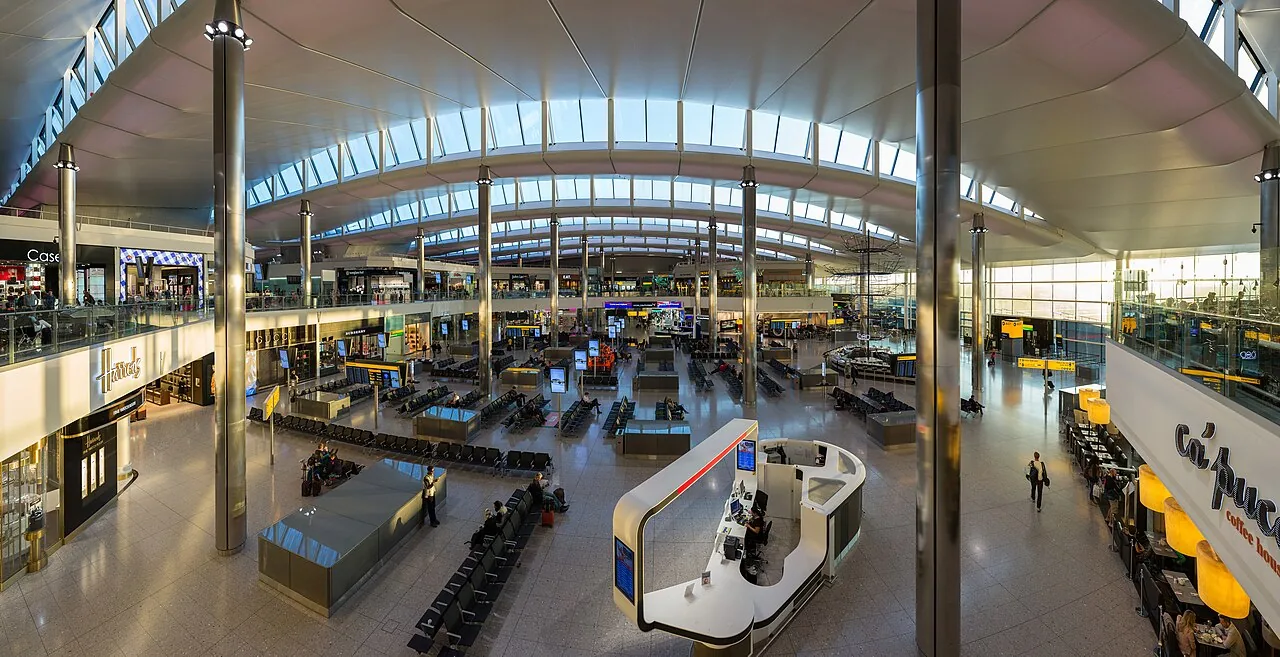
In the 1950s Heathrow had six runways arranged in three intersecting pairs, forming a hexagram around a central terminal so that two runways were always within 30 degrees of the wind; the outlines are still visible in today's taxiways.
Source: Wikipedia
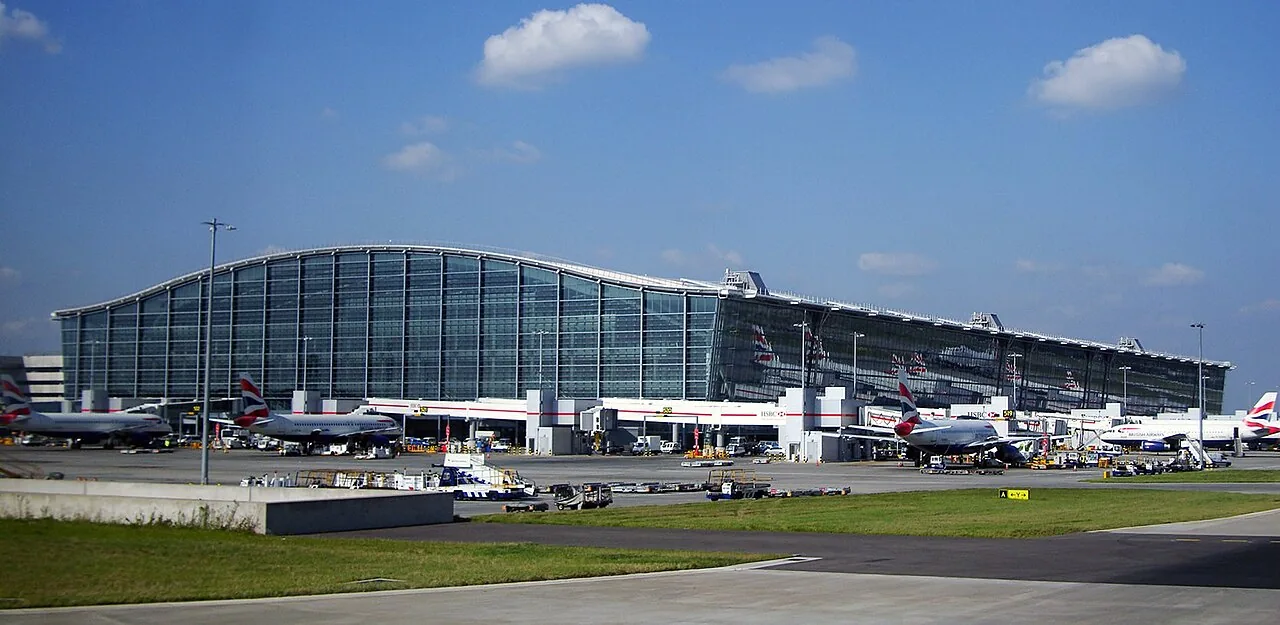
Heathrow's Central Terminal Area, including the control tower and the multi-faith Chapel of St George's, was designed by architect Sir Frederick Gibberd, who laid out the airport's original terminal buildings from the 1950s onward.
Source: Wikipedia
For decades Heathrow was nicknamed "Thiefrow" because of a persistent reputation for theft from checked baggage by handlers on the ramp, with periodic arrests of staff over the years.
Source: Wikipedia
Heathrow sits 14 miles (23 km) west of central London on a site covering 4.74 square miles (12.3 km2), making it the largest of the six airports that together form the London airport system.
Source: Wikipedia
Heathrow handled 1.4 million tonnes of air cargo in 2022, with books, salmon and medicine among its top exports; the United States, China and the United Arab Emirates are its leading cargo destinations.
Source: Wikipedia
The bomb that destroyed Pan Am Flight 103 over Lockerbie in 1988 travelled as interline baggage from Malta through Frankfurt, where it was loaded onto a feeder flight that changed aircraft at Heathrow before the doomed transatlantic leg to New York.
Source: Wikipedia