Incheon International Airport
Facts on ICN
Seoul's main gateway isn't actually in Seoul — Incheon International Airport sits on Yeongjong Island in the city of Incheon, about 48 km west of central Seoul, which is why the code is ICN rather than something tied to Seoul.
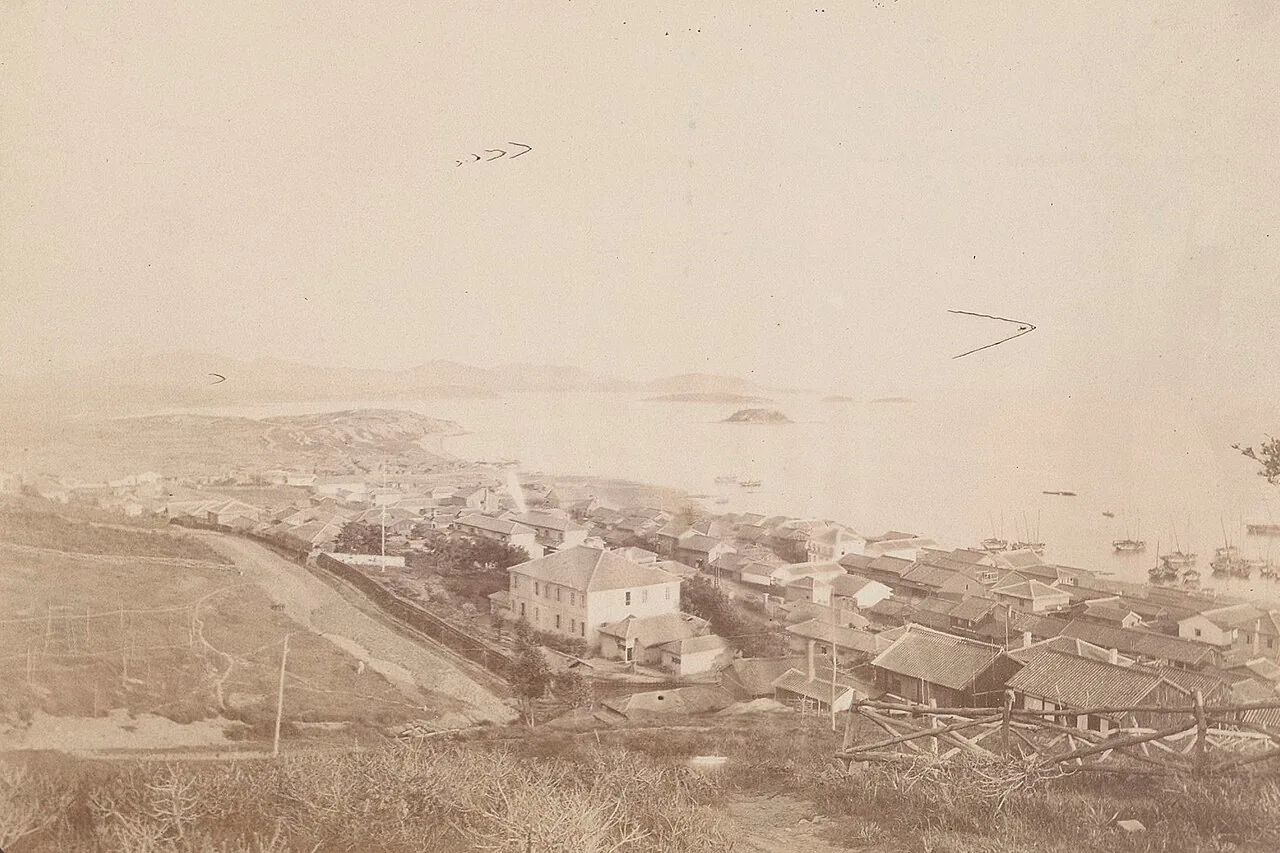
The city has only been called Incheon since 1413; the area first enters the record in 475 AD under the name Michuhol. When its port opened to foreign trade in 1883 the place held about 4,700 people. Roughly three million live there now.
Source: Wikipedia
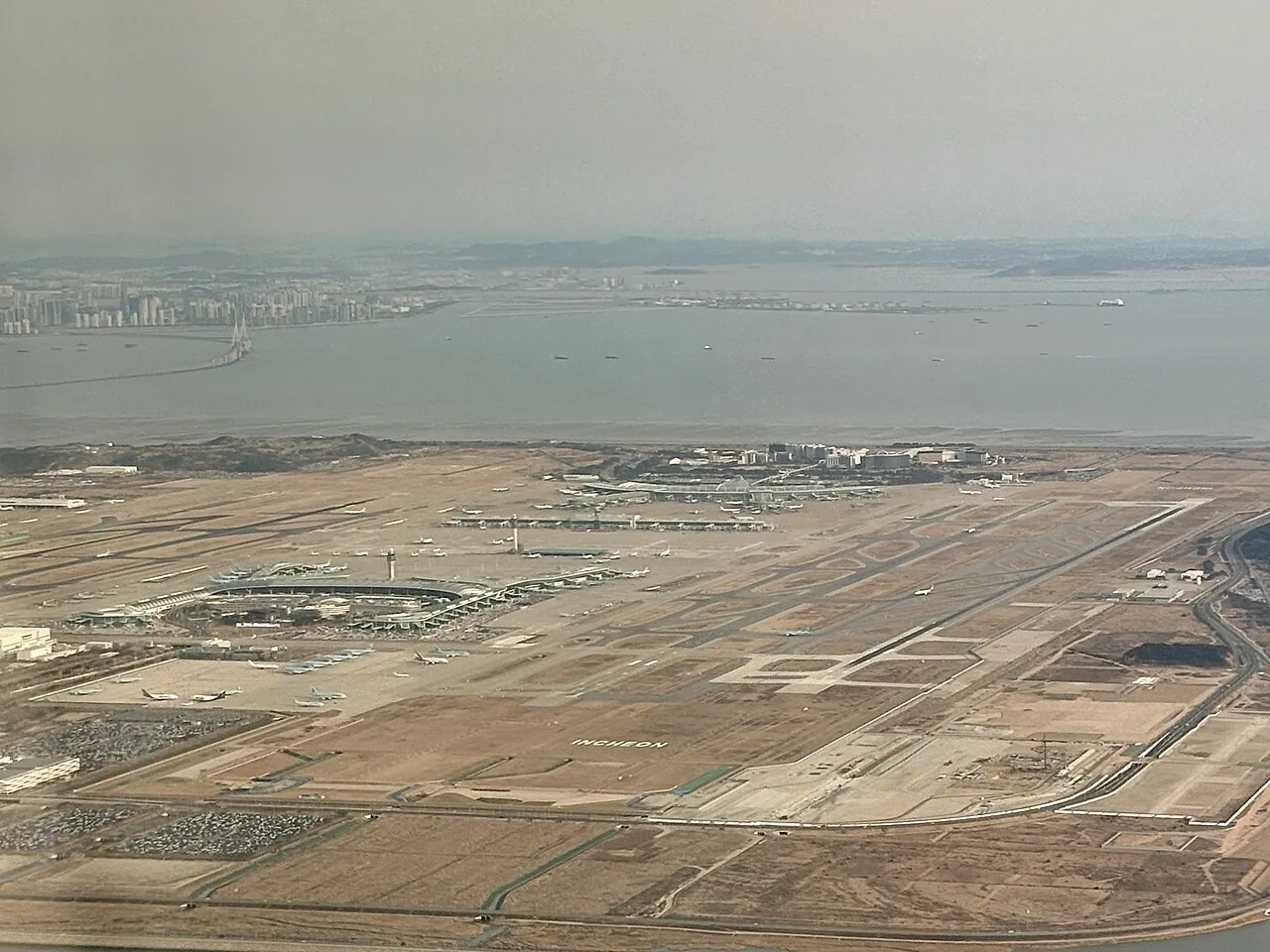
Ground was broken in November 1992 on reclaimed land in the shallow sea between Yeongjong and Yongyu islands — legally part of Yeongjong-gu, a district of the city of Incheon, which is how the airport got its name. Delayed by the Asian financial crisis, it finally opened on 21 March 2001.
Source: Wikipedia
Beyond the usual shops and lounges, Incheon Airport's terminal complex houses an ice-skating rink, a golf course, a spa, a casino, and indoor gardens.
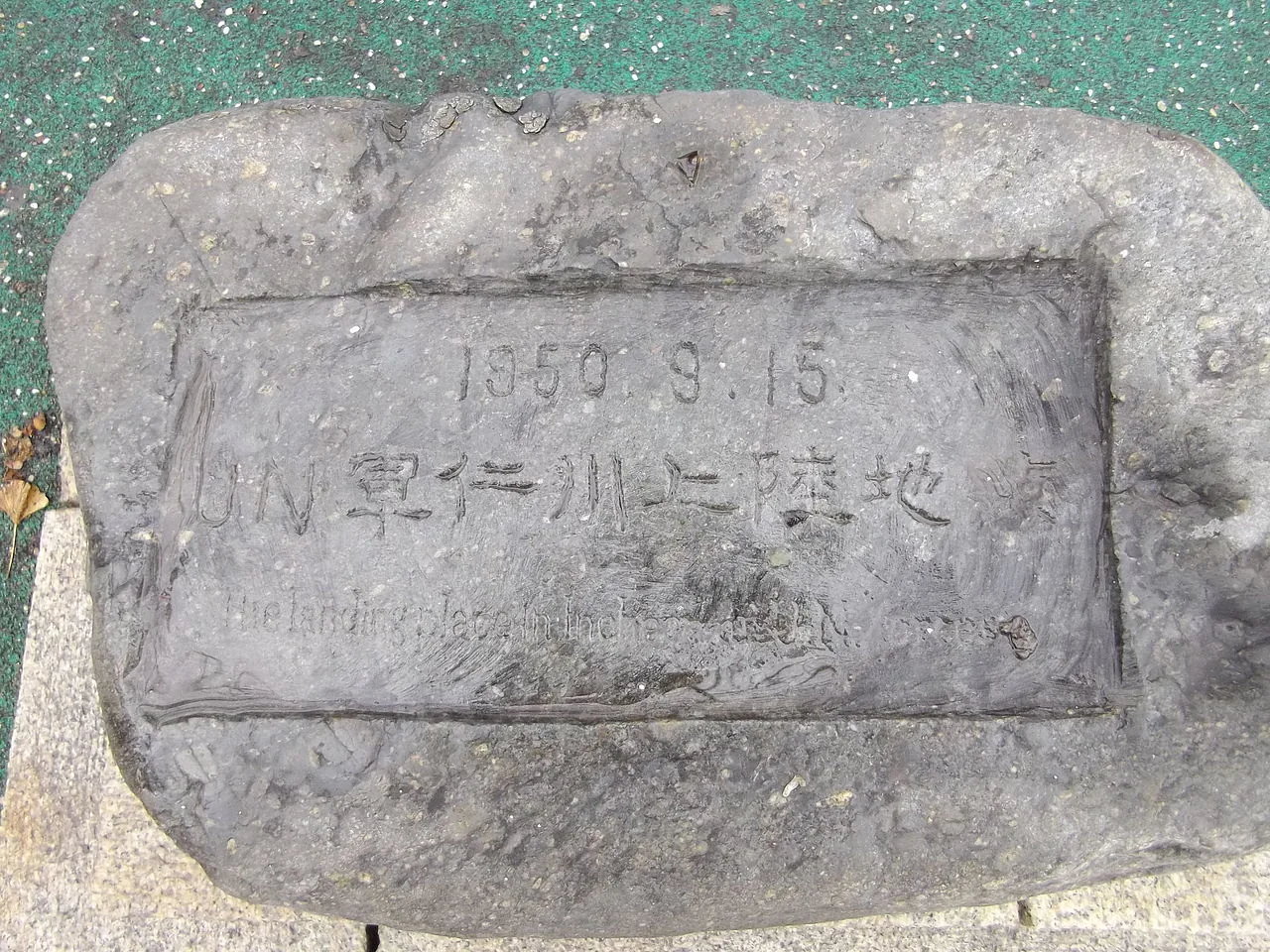
The port that opened in 1883 was widely known as Jemulpo, and it is where UN forces made the amphibious landing of September 1950 that turned the Korean War; the city was retaken on 19 September. A US Navy ship, USS Inchon, was named after the battle.
Source: Wikipedia
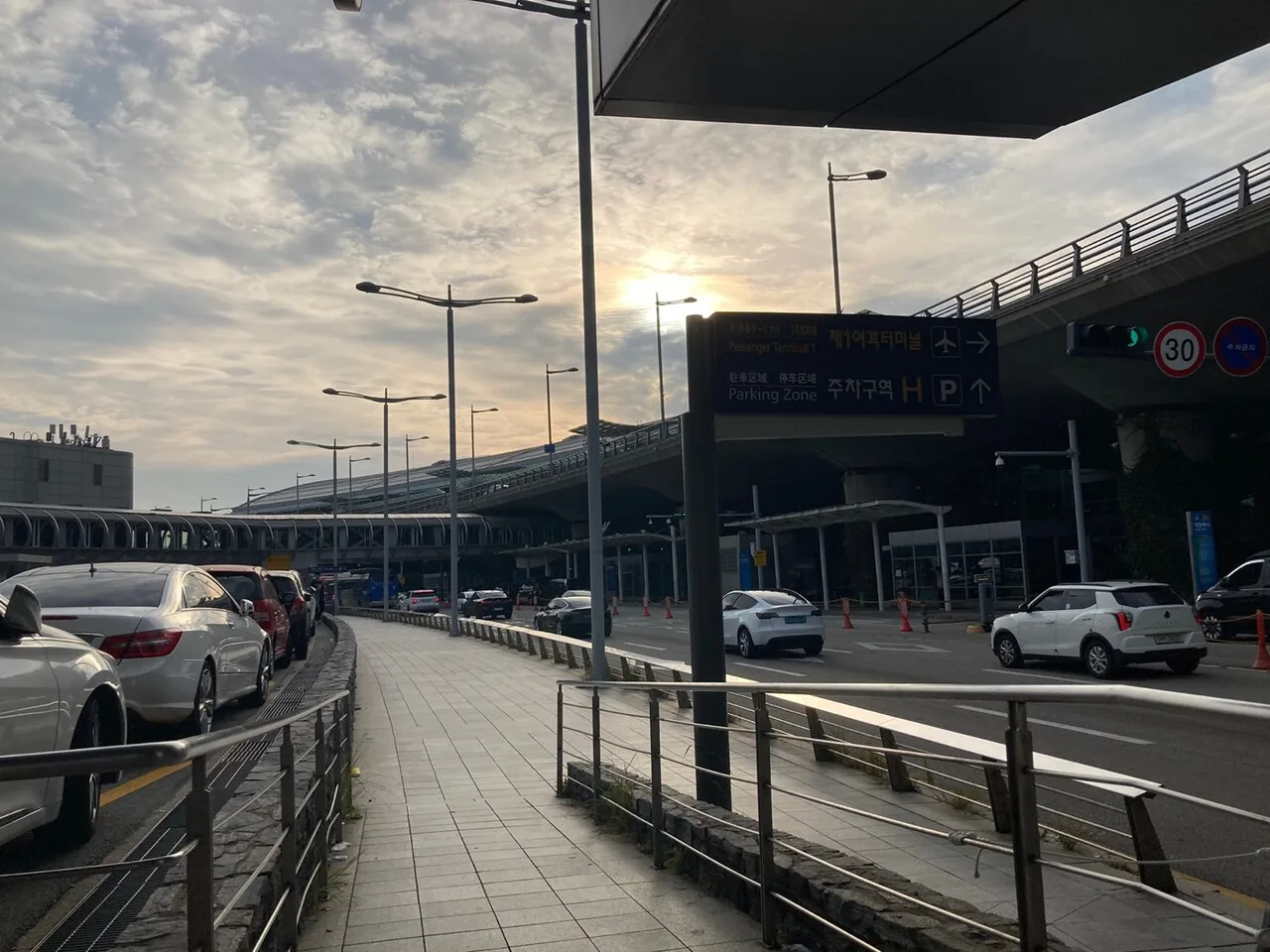
Terminal 1, designed by Curtis W. Fentress, is 1,060 metres long, 149 metres wide and 33 metres high, covering 496,000 square metres — the largest airport terminal in South Korea. All 47 of its boarding ports can take an Airbus A380.
Source: Wikipedia
Terminal 2, designed by Gensler, opened on 18 January 2018, and Korean Air, Air France, Delta and KLM moved across from Terminal 1. The two terminals are joined by an underground train called the Starline.
Source: Wikipedia
The airport has 111 boarding gates in all — 44 in Terminal 1, 30 in the connected Concourse A and 37 in Terminal 2. A fourth construction phase finished on 3 December 2024, adding a runway and lifting hourly capacity from 90 flights to 107.
Source: Wikipedia
Driving in usually means the Incheon Bridge, opened in October 2009: a 21.38-kilometre highway project whose bridge section runs 18.38 kilometres, with a 230.5-metre tower, an 800-metre main span and 74 metres of clearance for ships heading to Incheon port.
Source: Wikipedia
For seven years the airport ran its own maglev. The Incheon Airport Maglev opened on 3 February 2016, with eight stations spanning more than eight kilometres across Yeongjong Island, and closed on 1 September 2023; the tracks were then converted for tram operation.
Source: Wikipedia