Tokyo Haneda Airport
Facts on HND
Haneda's official IATA code is HND, but for decades travel agencies and reservation systems used the older code TYO to refer to it as "Tokyo" collectively -- a holdover from when Haneda was Tokyo's only major airport.
Source: Wikipedia
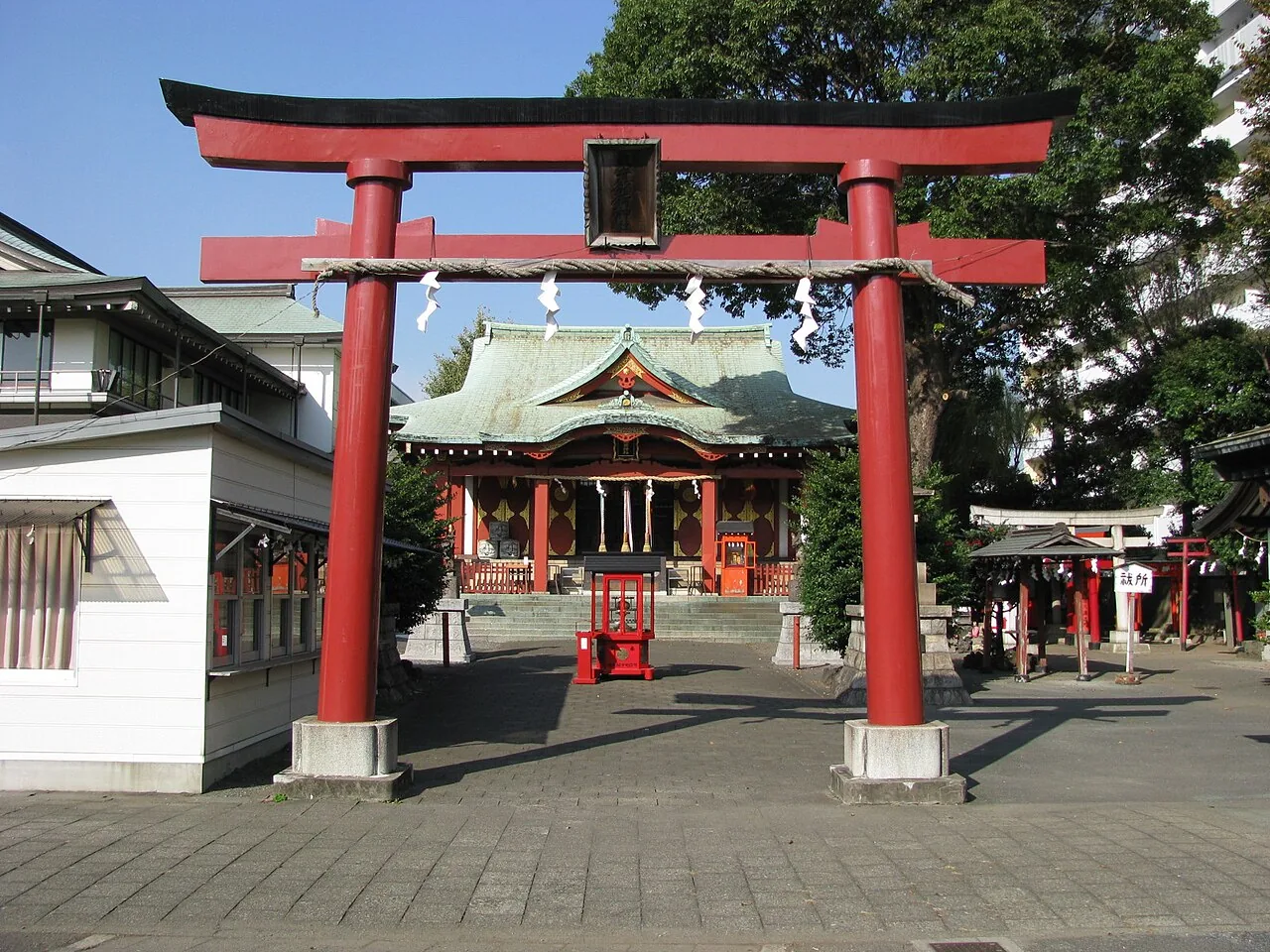
Haneda is a place, not a person: a town on the shore of Tokyo Bay that was absorbed into the Tokyo ward of Kamata in 1932. Before the airport, the area was a prosperous seaside resort centred on the Anamori Inari Shrine.
Source: Wikipedia
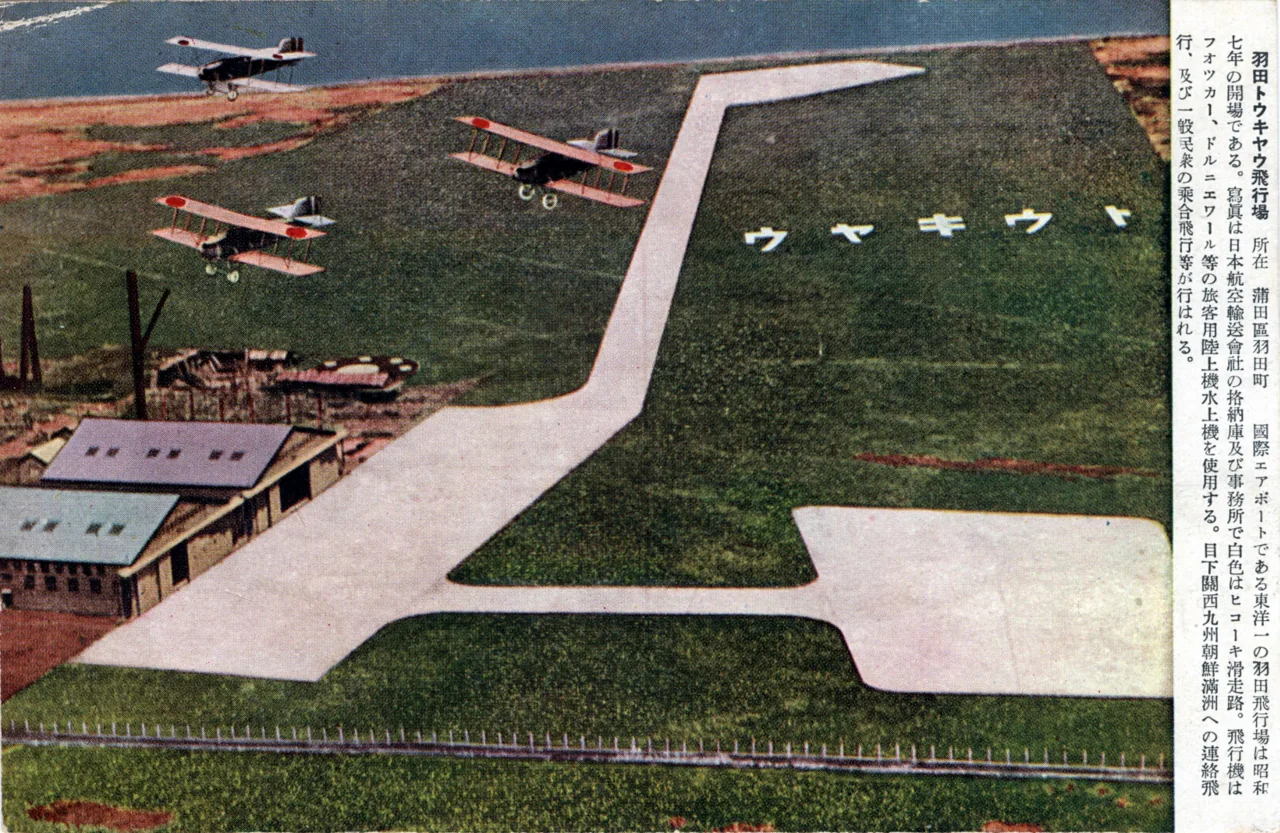
Officially the airport is Tokyo International Airport — the name given to the part of the base the US military returned in 1952 — but almost nobody uses it. 'Haneda' carried over from the airfield the postal ministry built in 1931 on 53 hectares of reclaimed land it had bought from a private owner.
Source: Wikipedia
Haneda lies only about 15 kilometers (9 miles) south of Tokyo Station, connected since 1964 by the Tokyo Monorail, making it dramatically closer to the city center than its counterpart Narita, which took over most international flights from 1978 until Haneda regained a dedicated international terminal in 2010.
Source: Wikipedia
Haneda topped Cirium's global rankings for 2022 with a 90.33% on-time departure rate, making it the most punctual major airport in the world that year.
Source: Travel Voice
Haneda Airfield opened in 1931 with one 300-metre concrete runway, a small terminal and two hangars. Its first flight, on 25 August 1931, carried a load of insects to Dairen in the Kwantung Leased Territory, now part of China.
Source: Wikipedia
On 13 September 1945 the occupation forces took the field over as Haneda Army Air Base. On the 21st, the Anamori Inari Shrine and more than 3,000 residents were ordered to leave their homes within 48 hours; by June 1946 the runways had been lengthened and the site covered 257.4 hectares.
Source: Wikipedia
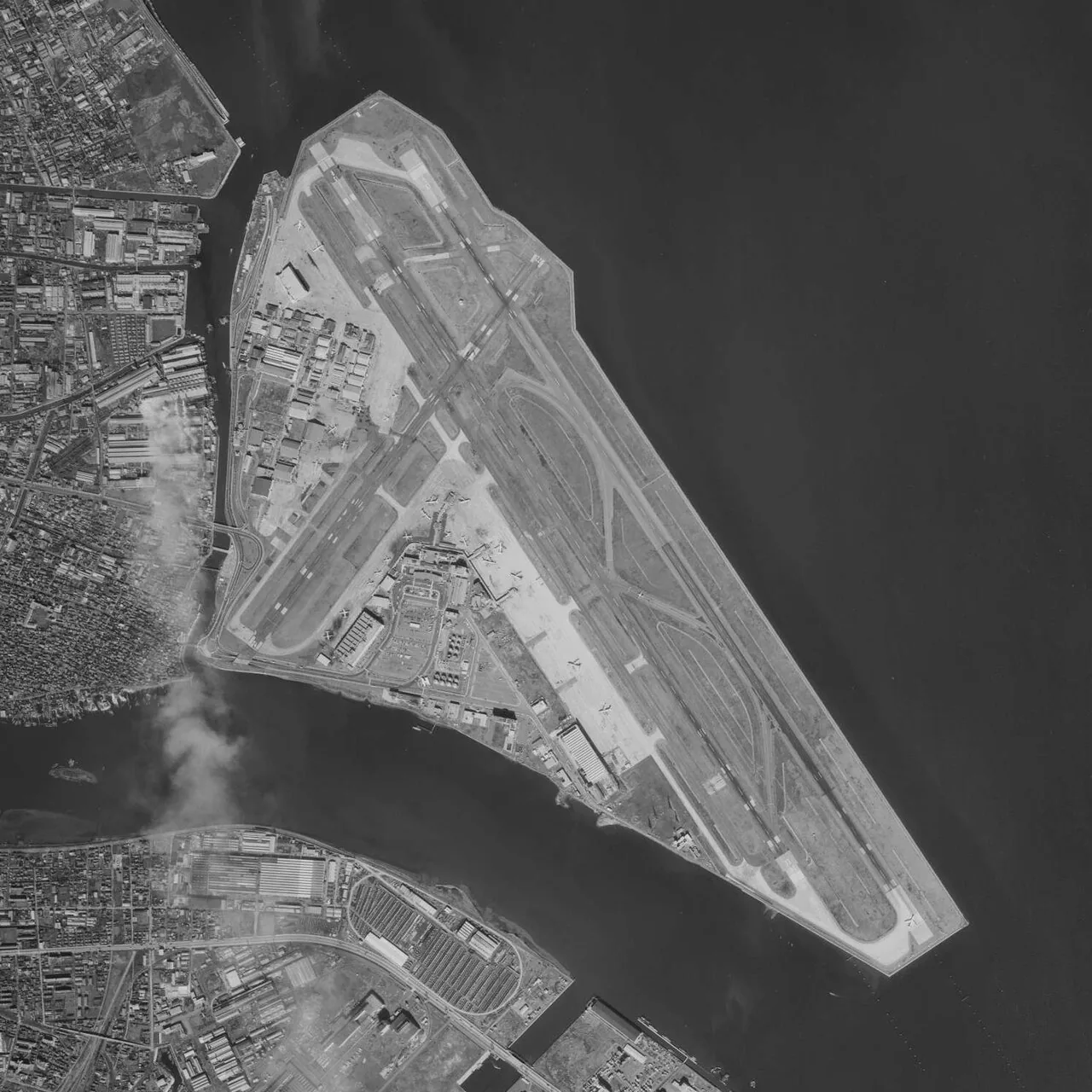
When Narita opened in 1978 it took nearly all of Tokyo's international flights — with one exception. Because Taiwanese and mainland Chinese carriers were kept apart, China Airlines kept flying Taipei and Honolulu from Haneda, the airport's only international routes until the early 2000s.
Source: Wikipedia
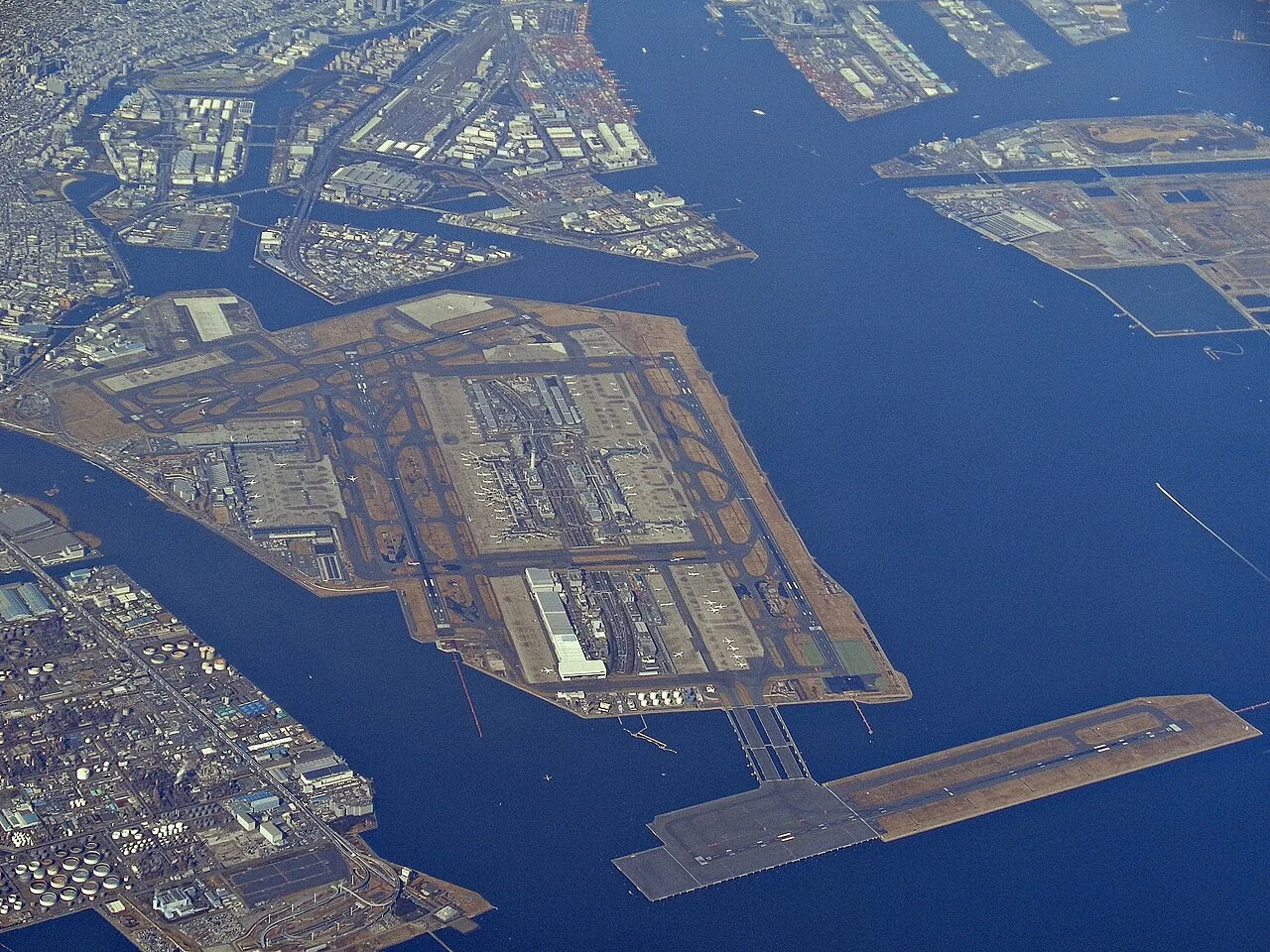
Haneda has four runways arranged in two parallel pairs. The newest, D Runway, was completed in 2010 on land reclaimed south of the existing airfield, and was designed to raise the airport's capacity from 285,000 to 407,000 aircraft movements a year.
Source: Wikipedia
Boxed in by Yokota and Atsugi air bases to the west, Narita to the east and dense city to the north, most Haneda flights loop out over Tokyo Bay. North-wind operations, used about 60% of the time, bring arrivals in from the south and send departures east.
Source: Wikipedia
A 1983 plan pushed the airport out onto fresh landfill in Tokyo Bay, partly to consume the enormous amount of garbage Tokyo was generating. A 3,000-metre runway on the fill opened in July 1988, and in 1993 a terminal nicknamed 'Big Bird' replaced the old one further out on the reclaimed ground.
Source: Wikipedia