Hong Kong International Airport
Facts on HKG
Hong Kong's old Kai Tak Airport was infamous for its 'Checkerboard Hill' approach: pilots had to spot a giant orange-and-white checkerboard painted on a hillside and then make a sharp 47-degree visual turn at under 1,000 feet, low enough that passengers could reportedly see TVs playing in nearby apartments.
Source: Wikipedia - Kai Tak Airport
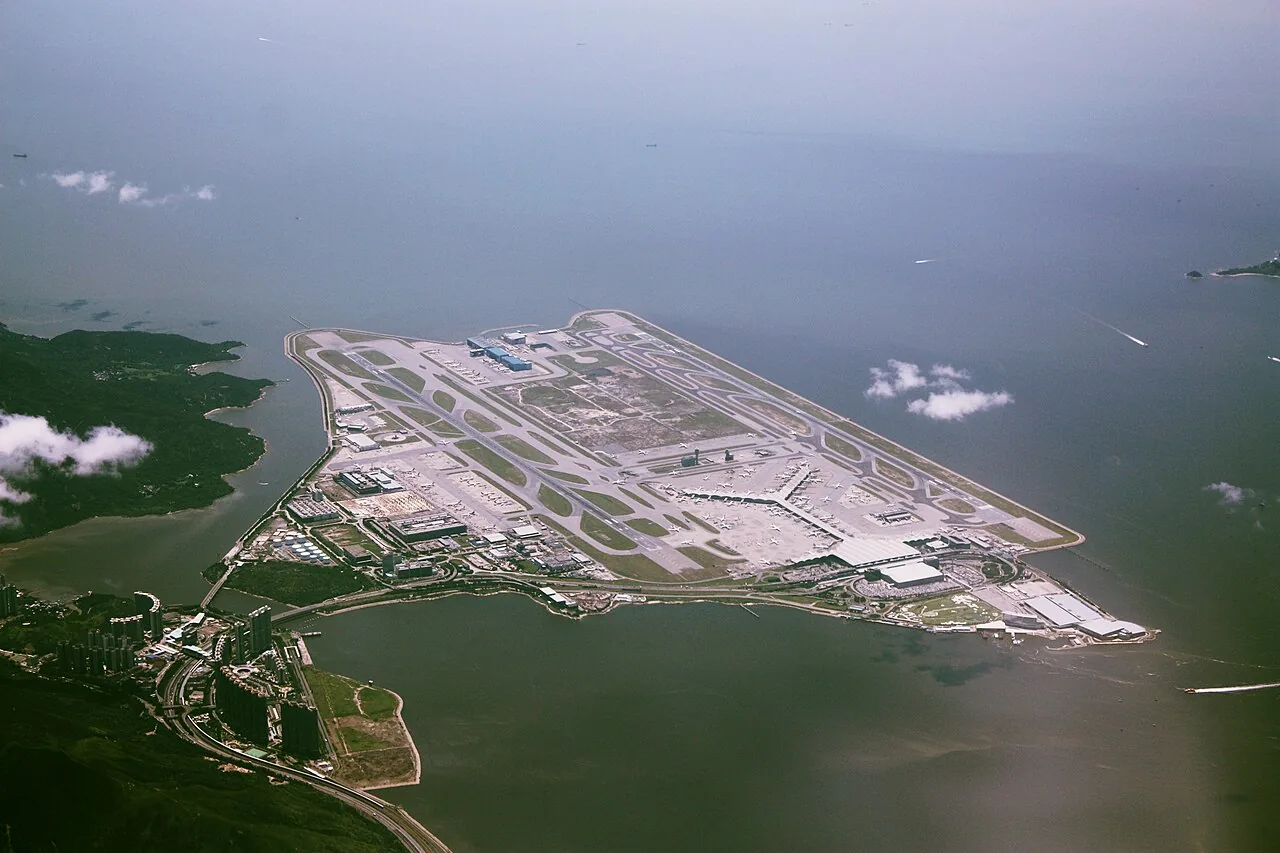
The airport's other name belongs to the island beneath it. Chek Lap Kok (赤鱲角) may be named for the island's bareness, or for the pagrus fish that the characters 赤鱲 describe — a fish once abundant in the surrounding waters.
Source: Wikipedia
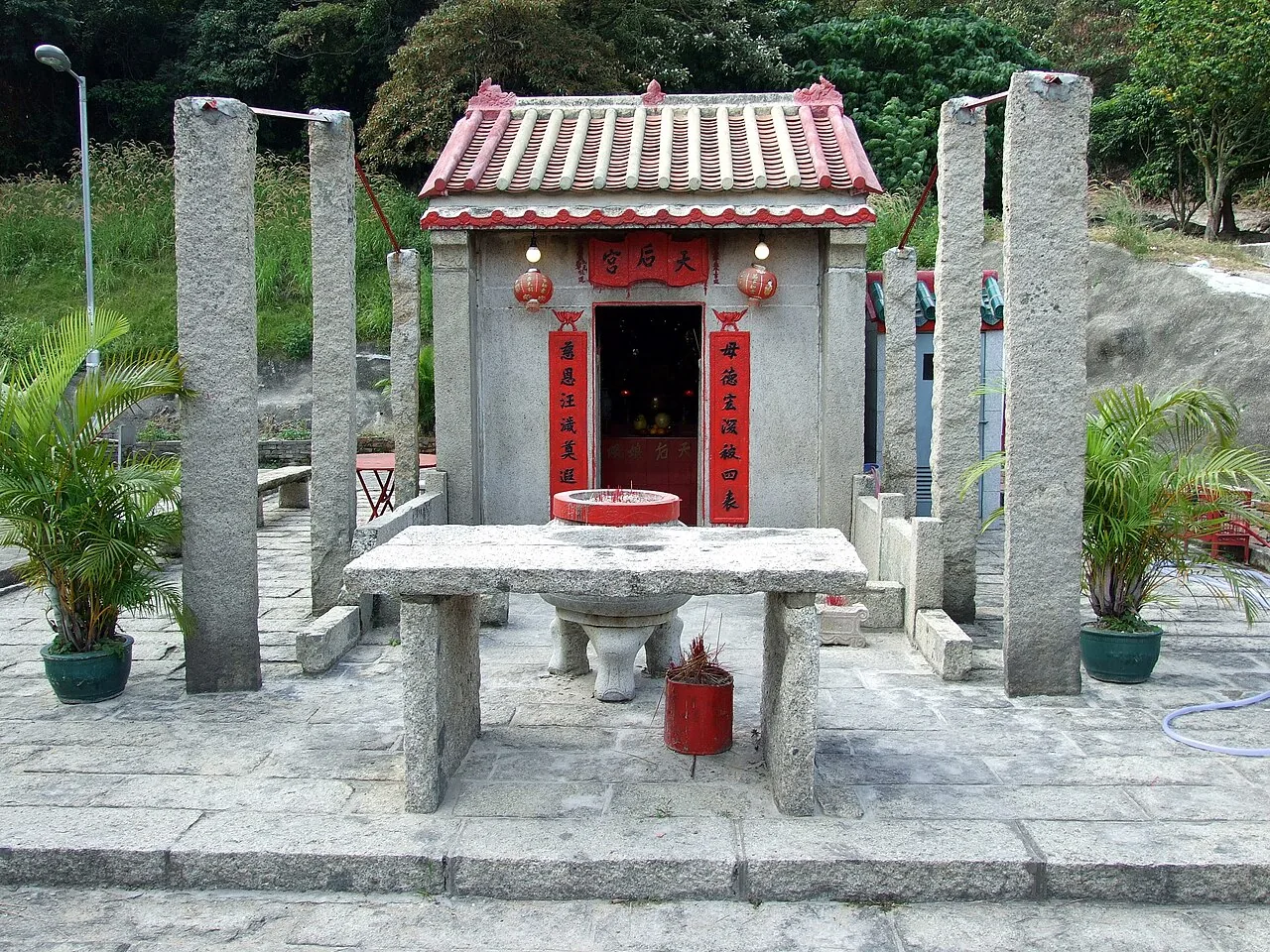
Chek Lap Kok, the island the airport is also named for, was farmed, fished and quarried for centuries; about 20 families still lived there when the airport was announced in the early 1990s. They were moved to Chek Lap Kok New Village near Tung Chung, and the island's granite Tin Hau temple of 1823 was dismantled in 1991 and rebuilt in 1994.
Source: Wikipedia
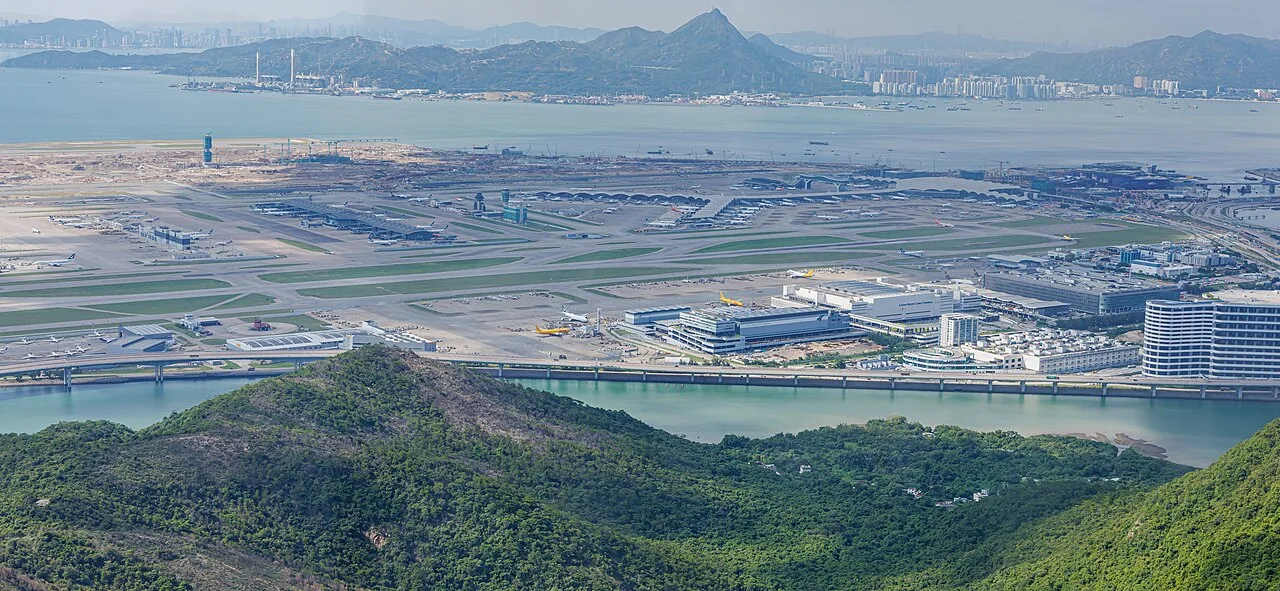
When Kai Tak closed in 1998, its replacement, Hong Kong International Airport, was built by leveling two small islands, Chek Lap Kok and Lam Chau, and fusing them together with reclaimed land into an artificial island four times their original size.
Source: Institution of Civil Engineers
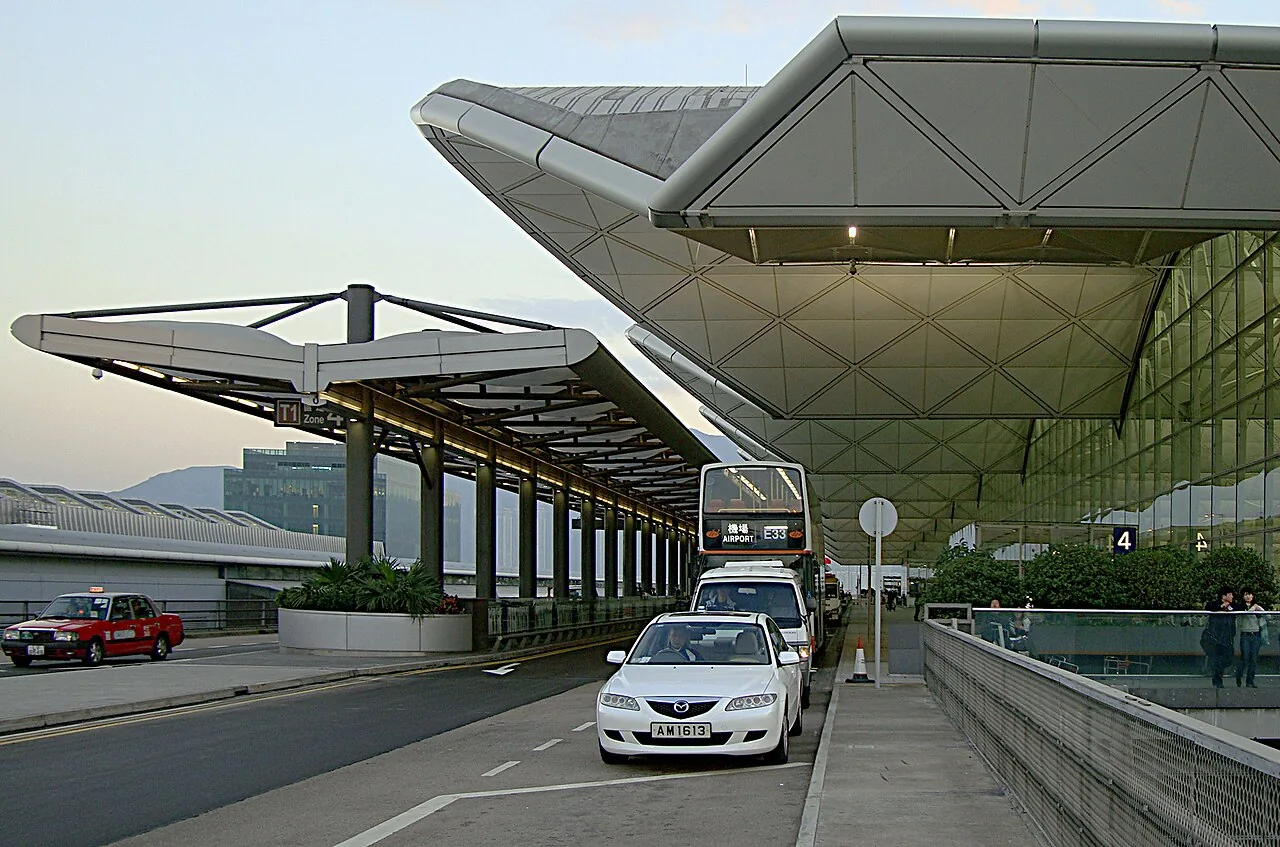
Foster and Partners designed the terminal and Ove Arup engineered its roof. The sides, predominantly glass, were deliberately designed to break during high-speed winds, relieving pressure so the building can ride out an intense typhoon.
Source: Wikipedia
Jiang Zemin opened the airport at noon on 2 July 1998; hours later Air Force One landed with Bill Clinton aboard, the first foreign visitor to arrive. Operations began on 6 July, when Cathay Pacific CX889 from New York JFK touched down at 06:25.
Source: Wikipedia
The first months were a shambles. The flight information display system shut down on opening day, the cargo data link to Kai Tak failed, and someone deleted a cargo database. Hong Kong reopened Kai Tak's cargo terminal, and the problems dragged on for three to five months.
Source: Wikipedia
Building the airport added nearly 1% to Hong Kong's total land area: the 12.48-square-kilometre site fuses the levelled islands of Chek Lap Kok and Lam Chau with 9.38 square kilometres of reclaimed seabed. Guinness World Records lists it as the most expensive airport project ever.
Source: Wikipedia
All three runways are 3,800 metres long and 60 metres wide. The third, laid on 650 hectares of new reclamation north of the island, opened in July 2022; with all three working the airport is designed for 620,000 flights a year, about one every 36 seconds.
Source: Wikipedia
SkyPier lets passengers ferry straight between the airport and Pearl River Delta ports such as Shekou, Macau and Zhuhai without ever clearing Hong Kong immigration — they count as transit passengers. The permanent terminal opened in 2009 with four berths and a link to the airport people mover.
Source: Wikipedia
Romer's tree frog, a finger-sized species found only in Hong Kong, lived on Chek Lap Kok. Before construction started the frogs were caught and relocated to new habitats on Lantau Island.
Source: Wikipedia