Helsinki Vantaa Airport
Facts on HEL
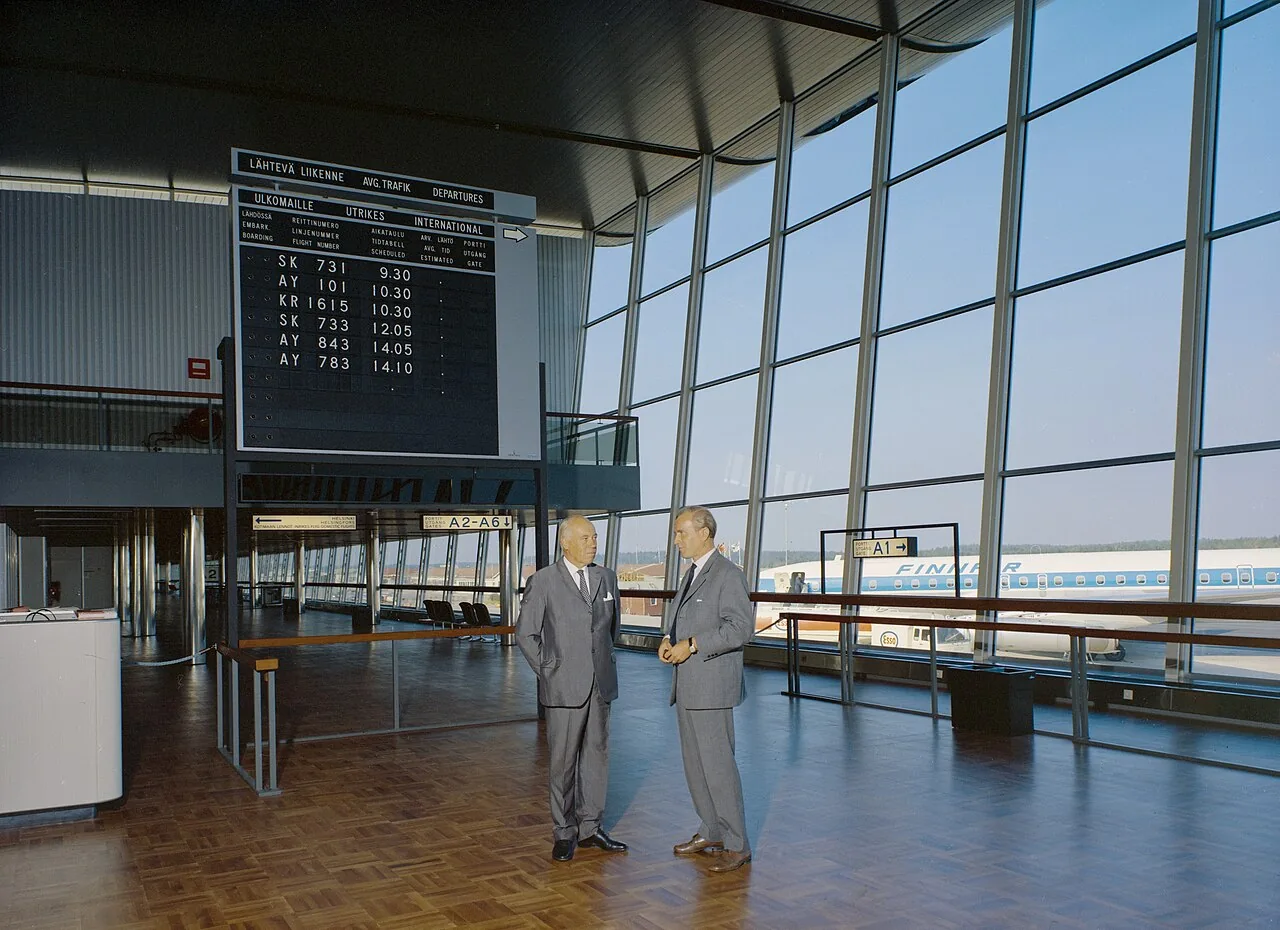
The airport was built for the 1952 Summer Olympics, when the old Helsinki-Malmi field could no longer take the heavier aircraft. Some of the construction was done by prison labourers. It opened temporarily in July 1952 with a single runway; the second came four years later.
Source: Wikipedia
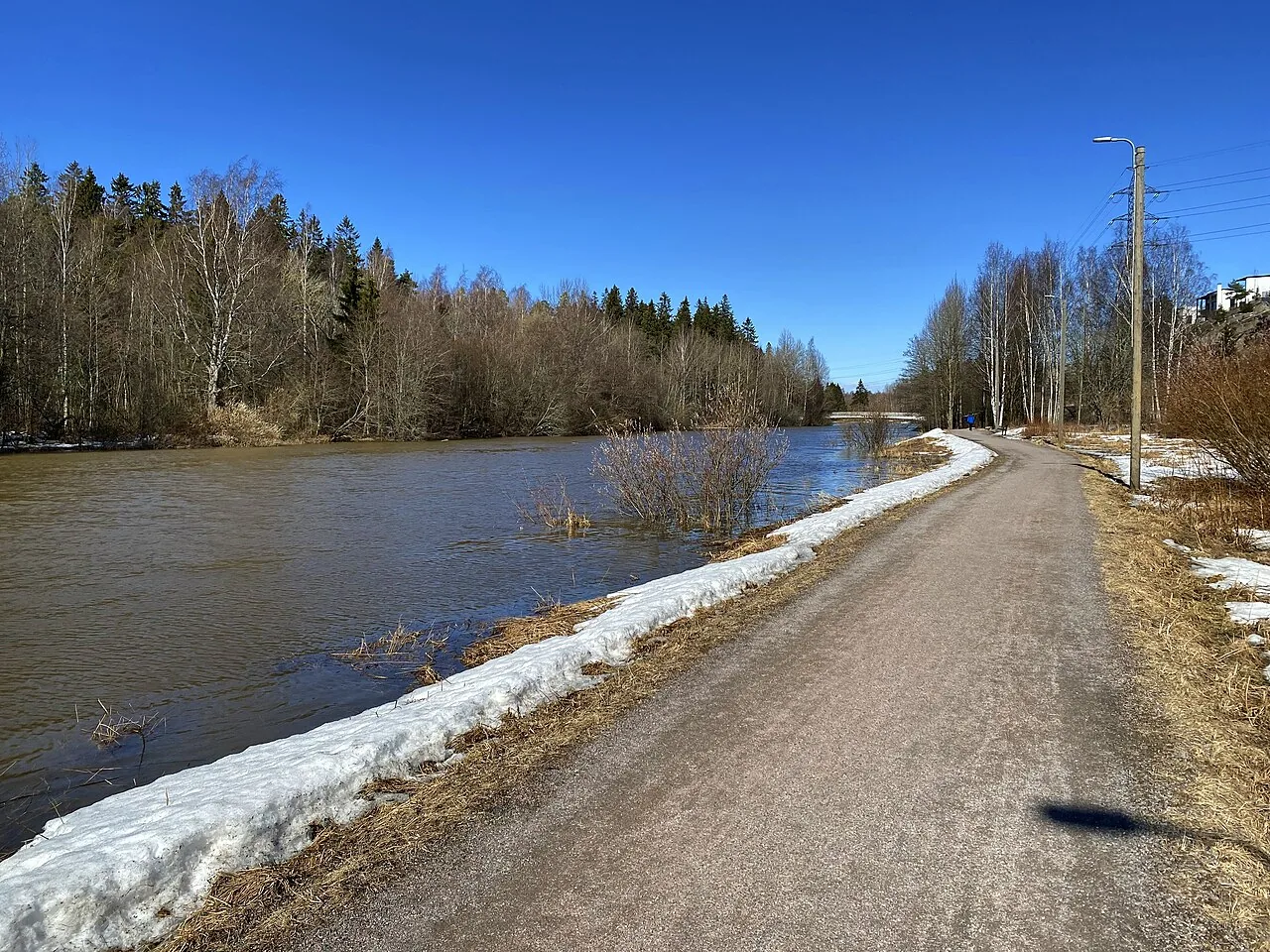
The Vantaa in Helsinki-Vantaa is a river. The Vantaanjoki runs 101 km (63 mi) from lake Erkylänjärvi in Hausjärvi to the Gulf of Finland, and the settlement that became the city of Vantaa grew up along it.
Source: Wikipedia
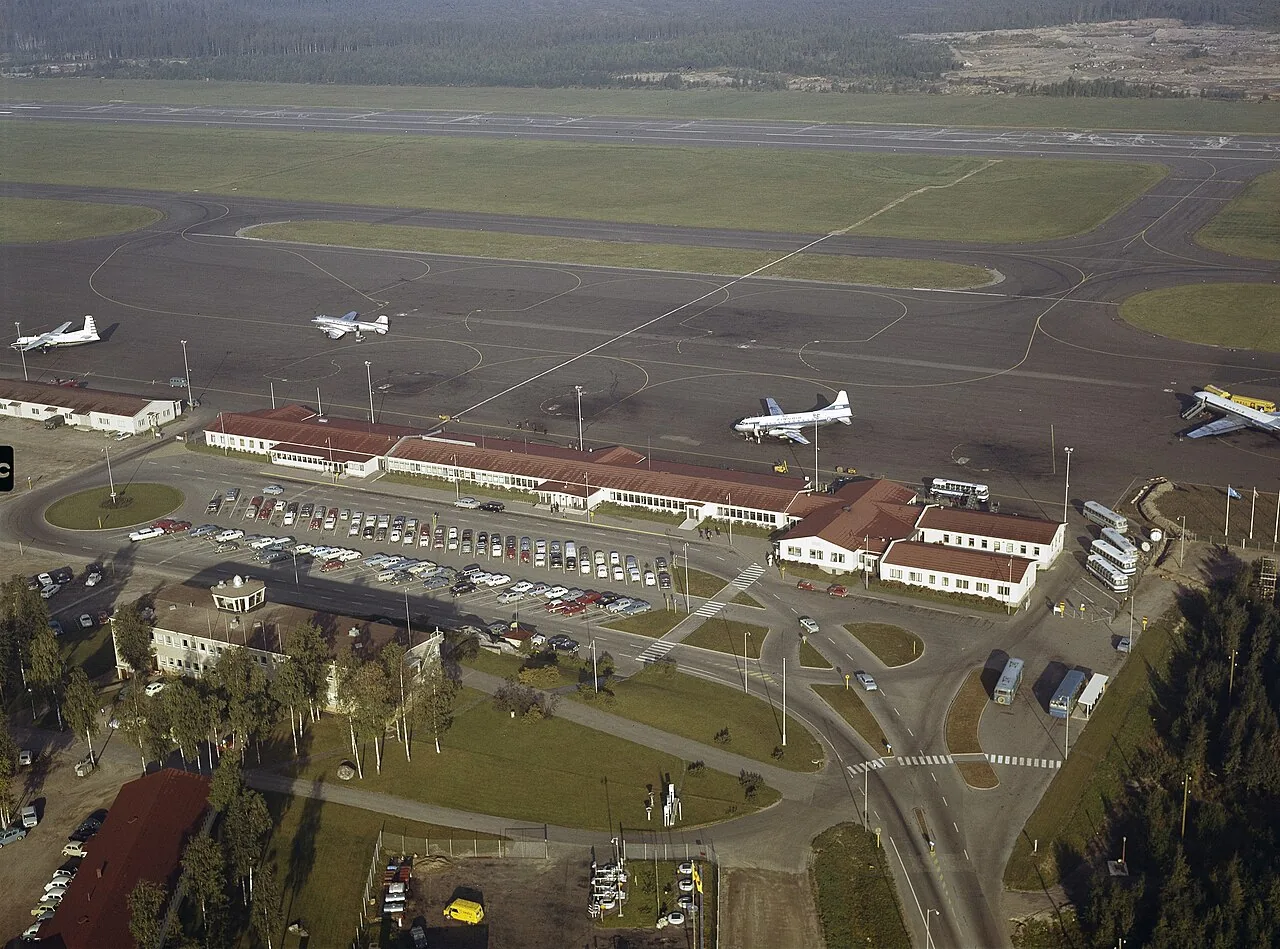
The airport picked up the double name late. Until 1971 the surrounding municipality was Helsingin maalaiskunta, "Rural Municipality of Helsinki"; it was renamed Vantaa in 1972 and got full city rights in 1974, and the airport became Helsinki-Vantaa in 1977. Before that locals called it Seutula Airport, after a nearby village.
Source: Wikipedia
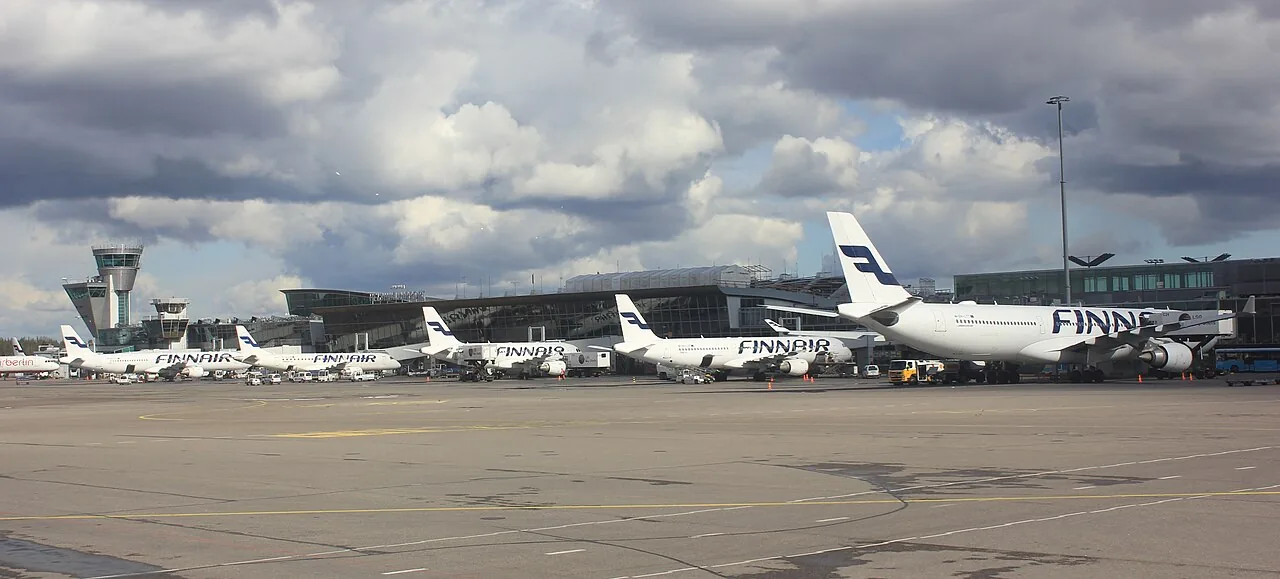
Finland's geography is the whole business model. In 1983 Finnair began the first non-stop service from Western Europe to Japan, Helsinki–Tokyo, with a single McDonnell Douglas DC-10-30ER, and the short northern great circle over Russia made Helsinki a standard connecting point between Europe and Asia.
Source: Wikipedia
That advantage closed in February 2022, when Russian airspace shut to Finnish carriers and long-haul routings east had to detour. Helsinki still recorded 2,299,243 international transfer passengers in 2025, about 10.6% more than the year before, but its Asian network remains smaller than in 2019.
Source: Wikipedia
Helsinki's minimum connecting time of 35 minutes is among the shortest in Europe, and Finavia's own survey found one passenger in three chooses a route based on which airport they change at. The airport averages around 350 departures a day.
Source: Wikipedia
The third runway, opened on 28 November 2002 with a Finnair MD-11 bound for New York, is partly a winter tool: three runways mean two can stay open while snow and ice are cleared from the third, one at a time.
Source: Wikipedia
Helsinki Airport carries about 90% of all of Finland's international air traffic and has twenty times the traffic of Rovaniemi, the country's next-busiest airport. It handled 16,980,287 passengers in 2025 and employs 25,000 people across 1,500 companies.
Source: Wikipedia
Helsinki Airport station opened on 10 July 2015 on the Ring Rail Line, a loop connecting the airport to the Helsinki–Riihimäki railway and running trains straight through to Helsinki Central. Terminals 1 and 2 were merged into a single terminal on 21 June 2022.
Source: Wikipedia