José Martí International Airport
Facts on HAV
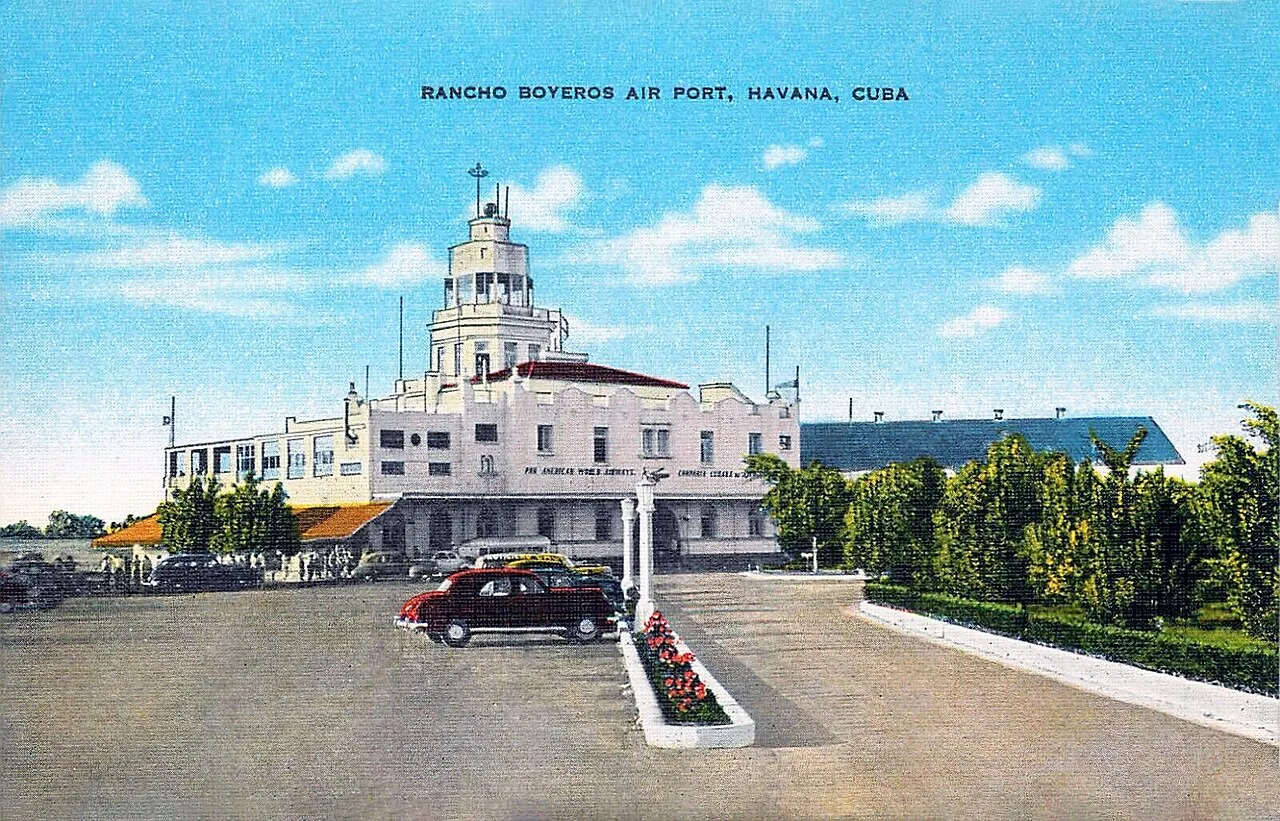
The airport's original name, Rancho Boyeros, meant '(Bull) Drover Ranch' — a nod to a colonial-era family whose thatched-hut inn once fed and sheltered cattle drovers hauling produce to Havana from Batabanó and Vuelta Abajo.
Source: Wikipedia
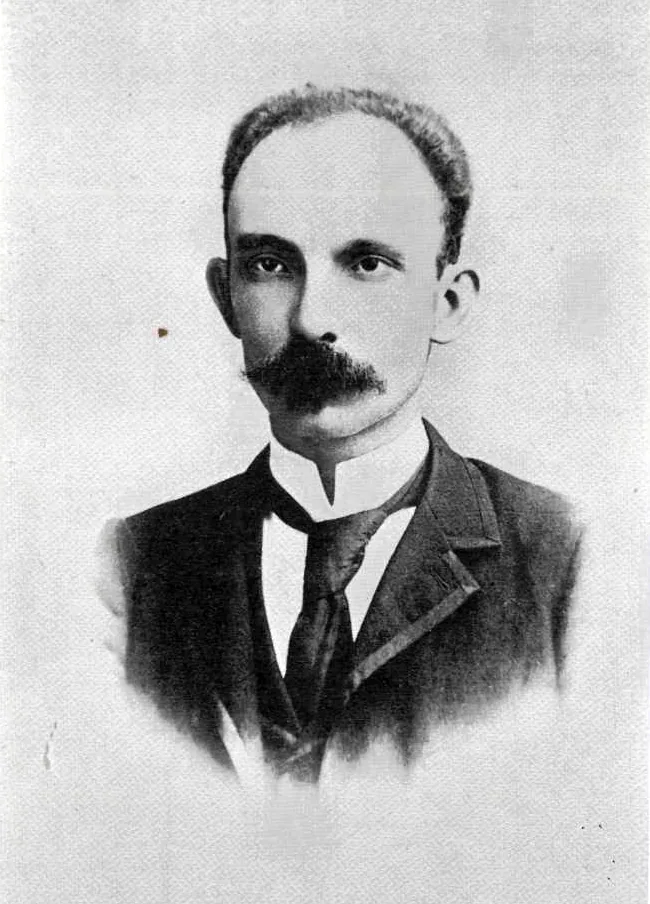
The airport is named for José Martí (1853–1895), who was a Cuban poet, journalist, and revolutionary organizer known as the 'Apostle of Cuban Independence.' He founded the Cuban Revolutionary Party and unified Cuban exiles in Florida before dying in battle at Dos Ríos in 1895, days after landing to fight Spain.
Source: Wikipedia
Havana's airport opened in February 1930 named for President Gerardo Machado, who inaugurated it; that name lasted only until 1933, after which it was known as Rancho Boyeros. Fulgencio Batista's government renamed it Aeropuerto Internacional José Martí in 1953.
Source: Wikipedia (Spanish)
The International Air Transport Association (IATA) was founded in Havana in 1945, the same decade Cubana de Aviación flew the airport's first international route — a Douglas DC-3 to Miami on 15 May of that year.
Source: Wikipedia
Private citizens in Cuba are not permitted to own aircraft — every plane in the country belongs to a state-owned airline or the military, so only government- and foreign-owned aircraft may use José Martí's facilities.
Source: Wikipedia
In 1946, a Douglas DC-4 operated by Aerovías Cubanas Internacionales flew from Havana to Madrid — the first transatlantic flight from any Latin American country to Europe, a milestone reached just 16 years after the airport opened.
Source: Wikipedia
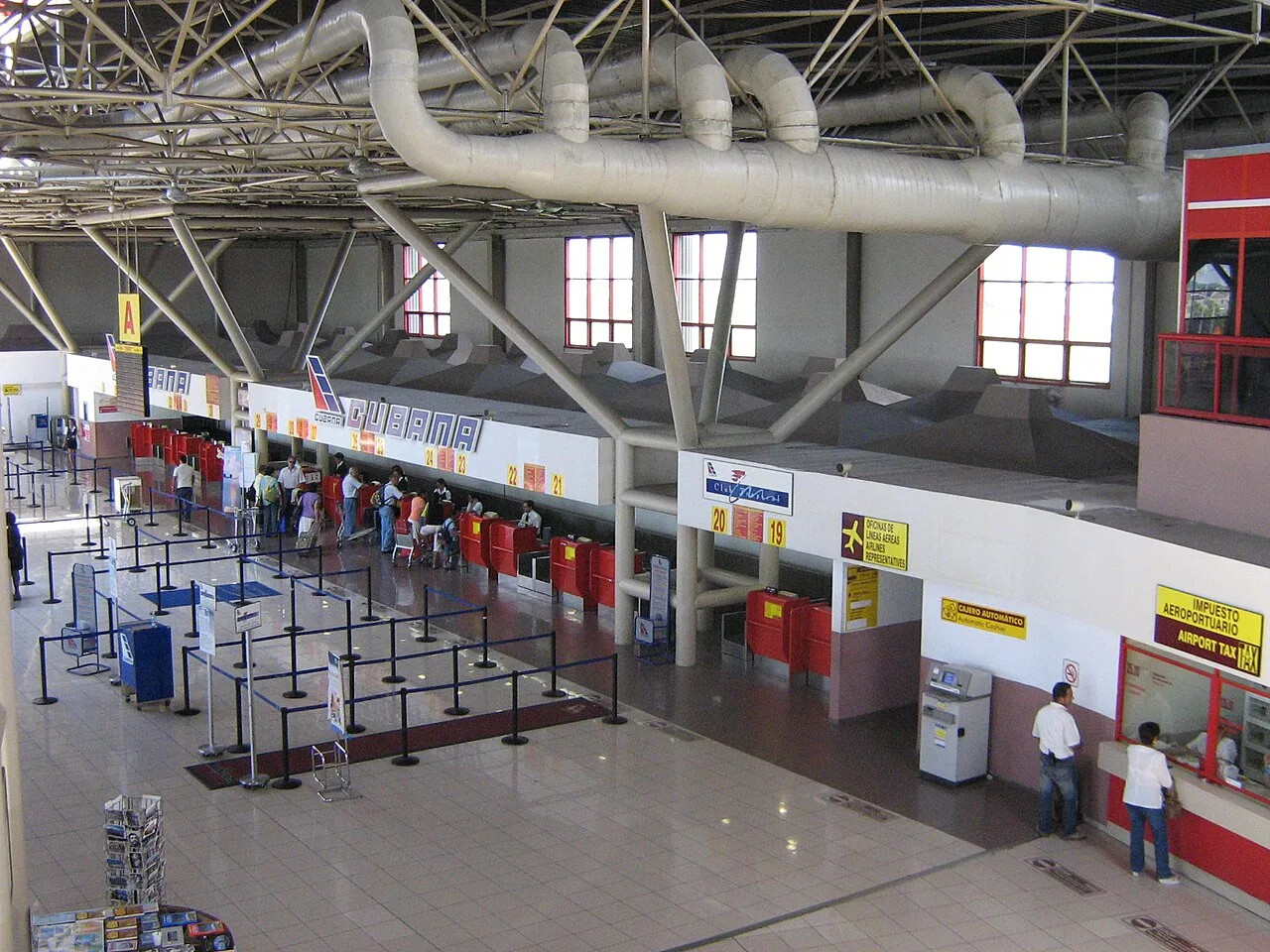
Terminal 3, José Martí's main international terminal, was designed by architect Mario Girona and opened in 1998; it is the airport's largest and most modern building, with ticketing and departures upstairs and arrivals and baggage claim below.
Source: Wikipedia
Two days before the 1961 Bay of Pigs Invasion, Douglas A-26 Invader aircraft flown by CIA-organized Cuban exile Brigade 2506 bombed José Martí Airport along with Antonio Maceo Airport in Santiago de Cuba.
Source: Wikipedia