Noi Bai International Airport
Facts on HAN
Nội Bài opened on 2 January 1978, and at first flew only to fellow communist countries — China, East Germany and the Soviet Union. Three small buildings handled everything: G2 for international departures, G3 for domestic, G4 for international arrivals. They were later demolished for the cargo terminal.
Source: Wikipedia
Hanoi's airport is named after a village, not the capital. Nội Bài was a village in Ninh Bắc canton, Kim Anh district, Phúc Yên province, and most of the airport's land was carved out of it — so the village's name went on the terminal buildings.
Source: Wikipedia (Vietnamese)
Before the airport took the village's name, it was military. The site was a Vietnam People's Air Force base known during the Vietnam War as Đa Phúc airfield, developed just south of Phúc Yên Air Base. Vietnam's civil aviation authority created the civil airport by decision of 28 February 1977.
Source: Wikipedia (Vietnamese)
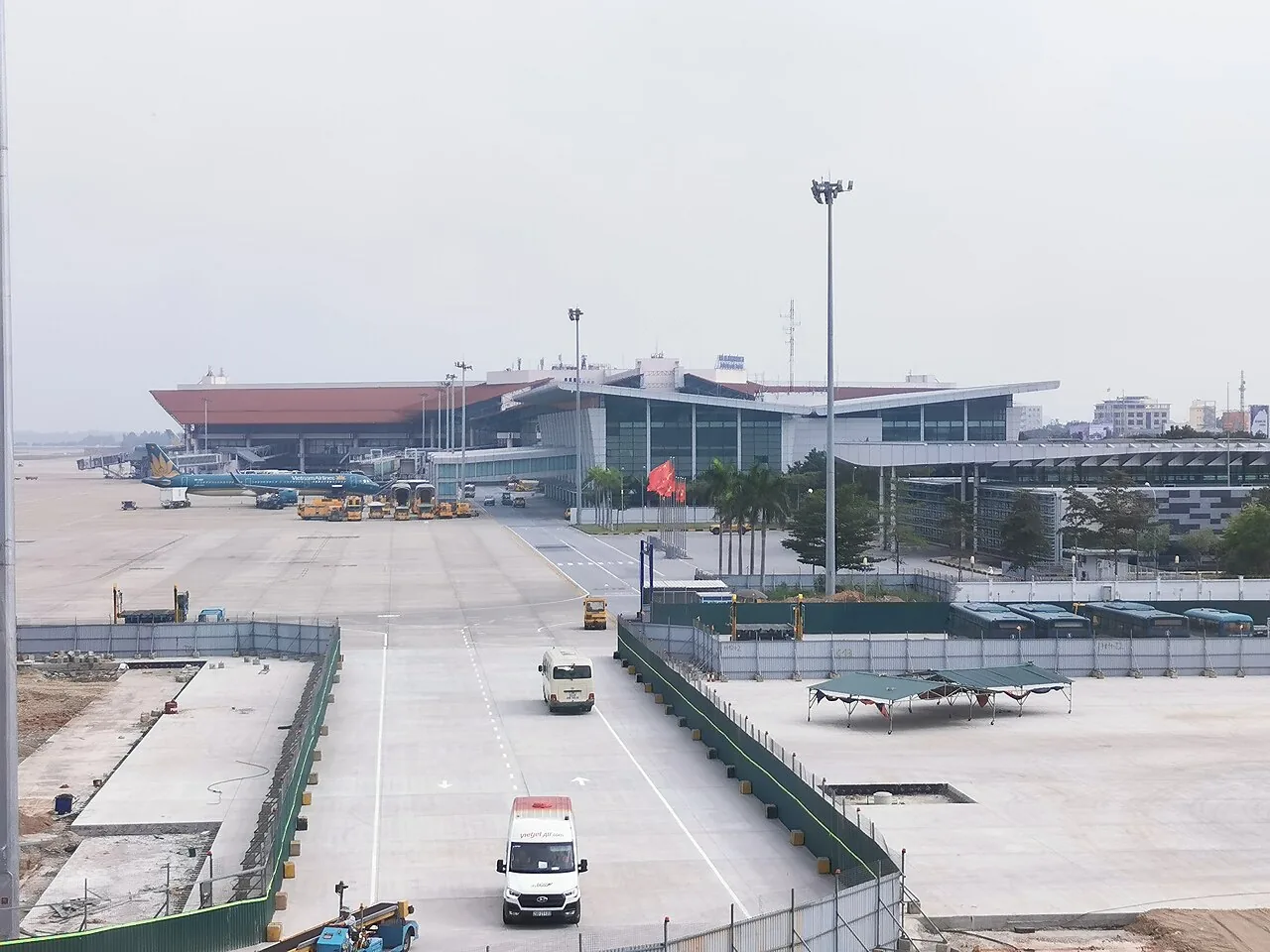
Terminal 1, completed in October 2001, was the first airport terminal in Vietnam designed by Vietnamese architects. Conceived as a "gate of heaven" welcoming visitors to the capital, it took first prize in Vietnam's national architecture awards in 2002, although only part of the design was ever built.
Source: Wikipedia (Vietnamese)
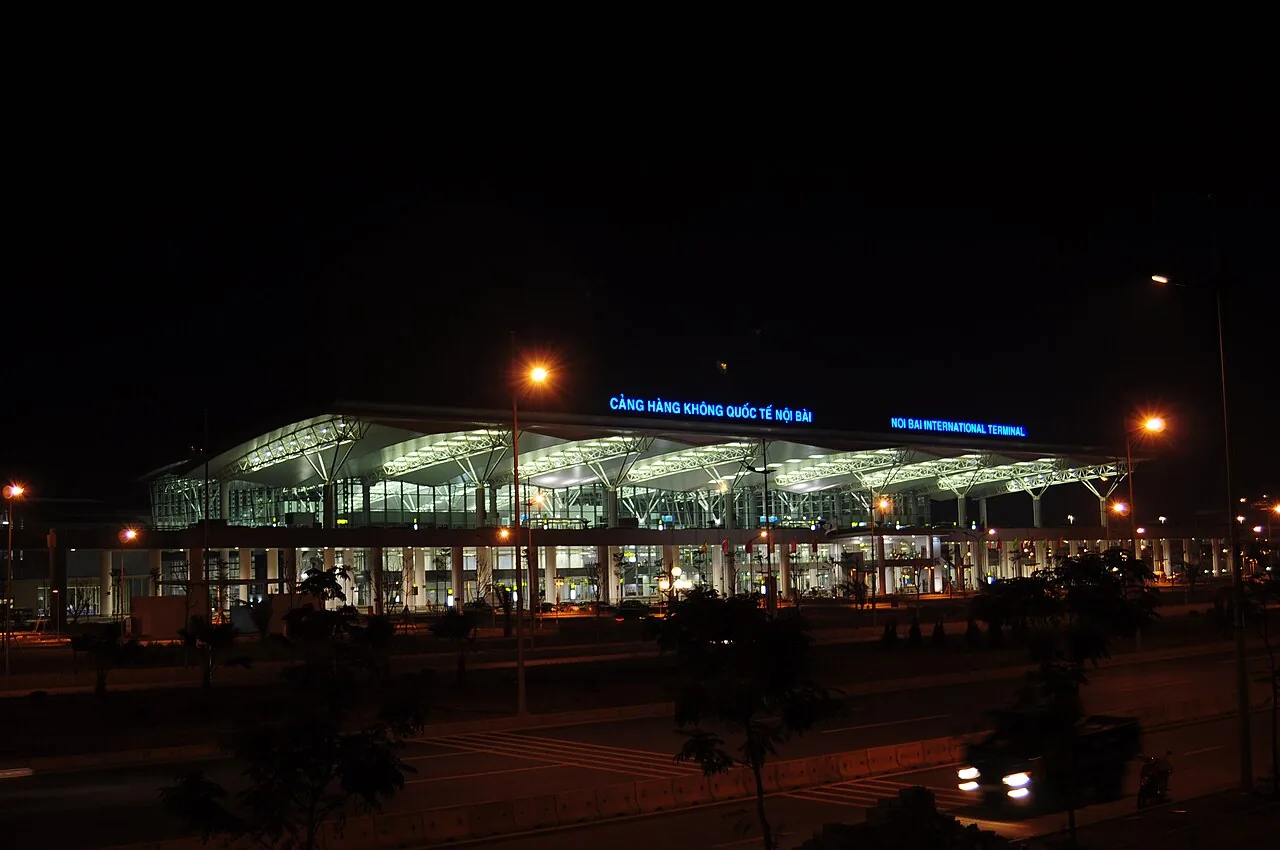
Terminal 2 is a Japanese building on Vietnamese soil: designed by Japan Airport Consultants, built by Taisei, and funded largely by a JICA loan within a total investment of ¥75.5 billion (about US$645 million). The 996-metre terminal opened on 4 January 2015, the same day as the Nhật Tân Bridge.
Source: Wikipedia
The airport's two runways, 3,200 m and 3,800 m, are only 250 metres apart — far less than ICAO wants for independent operations — so aircraft cannot take off or land on both at once. That spacing, not the terminals, is what caps how much traffic Nội Bài can take.
Source: Wikipedia
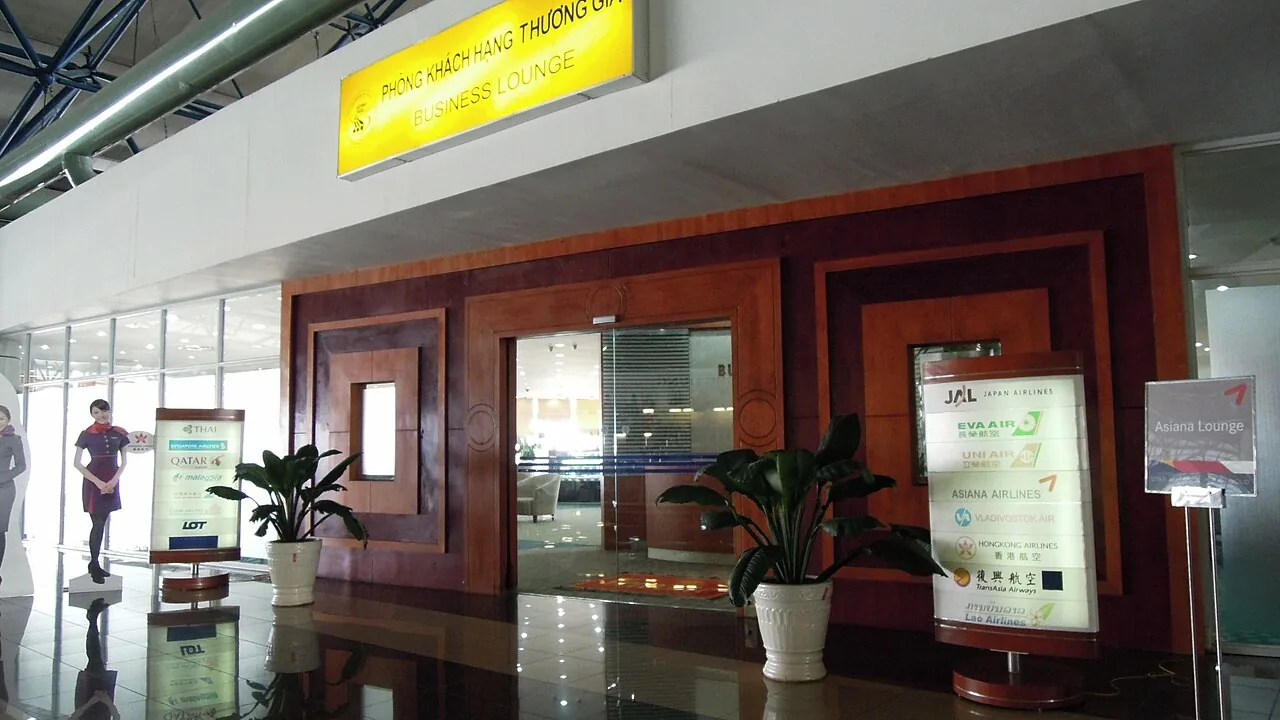
One route dominates the schedule: Hanoi to Ho Chi Minh City carried 10,883,555 passengers in 2023, up three per cent on 2022, making it the busiest air route in Southeast Asia and the fourth busiest in the world.
Source: Wikipedia
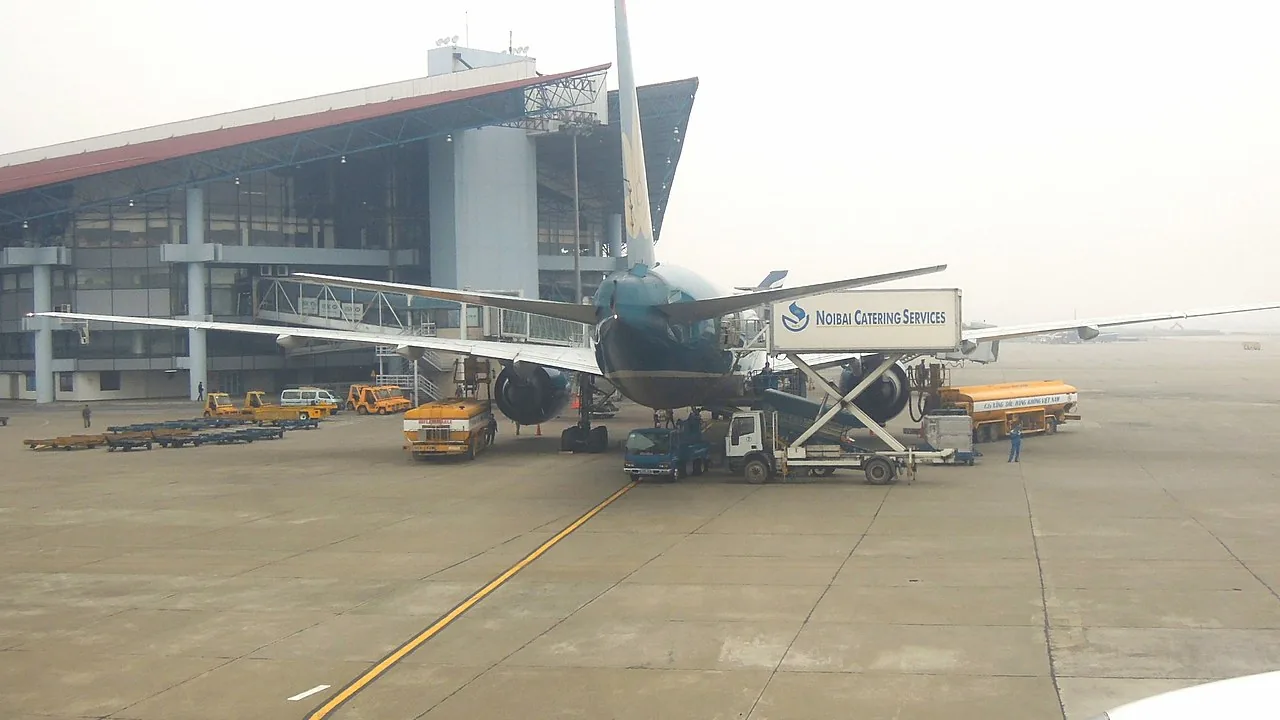
Nội Bài covers 650 hectares at an elevation of 12 m, which makes it Vietnam's second-largest airport after Tan Son Nhat's 800 hectares. It sits 35 km from central Hanoi by road, a distance cut to 27 km once the Nhật Tân Bridge and its approach opened in 2015.
Source: Wikipedia