Hamburg Helmut Schmidt Airport
Facts on HAM
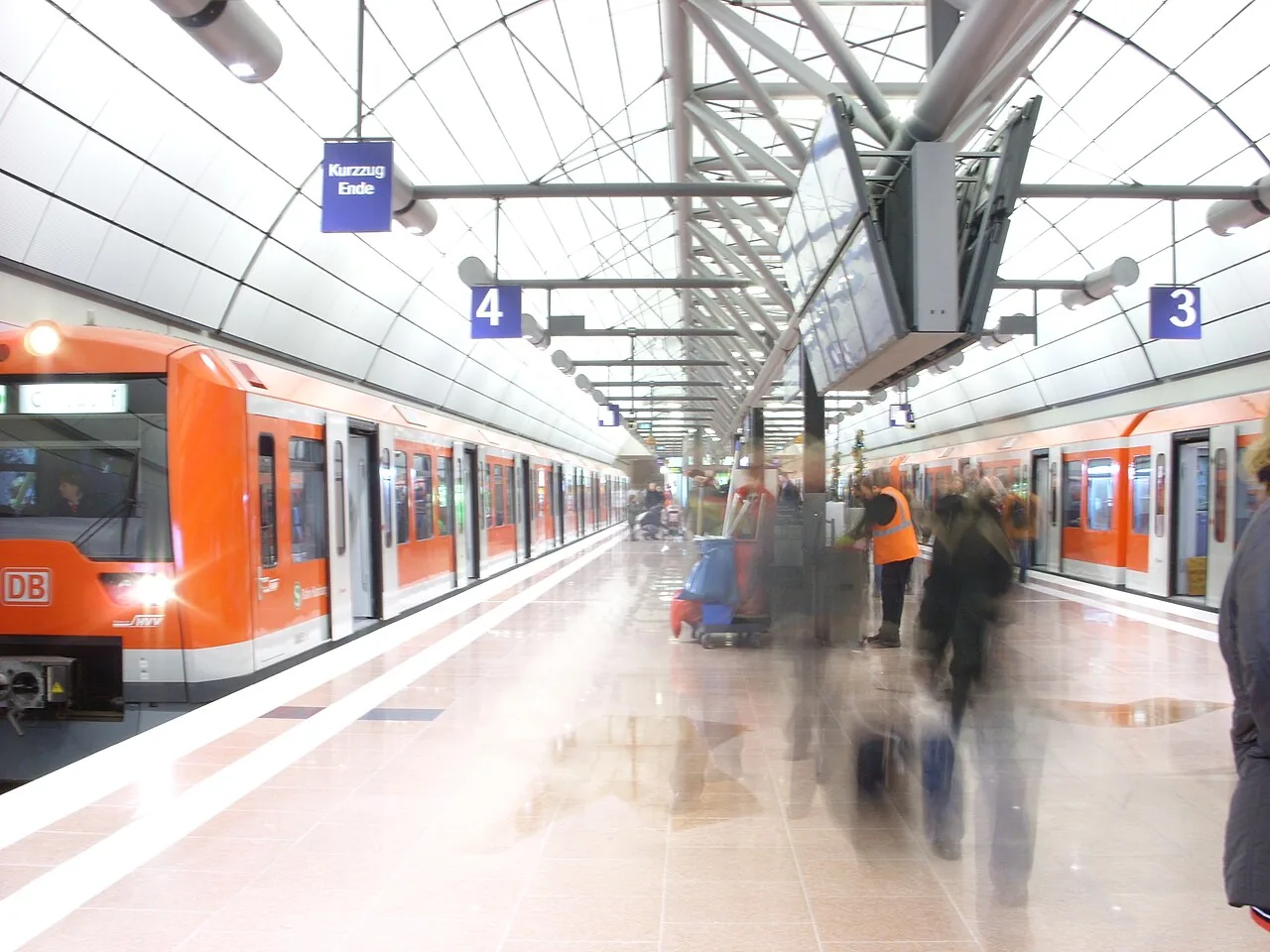
Hamburg Airport opened in January 1911 on 45 hectares of privately funded land in Fuhlsbüttel, making it the oldest international airport in the world still in operation. It began as an airship base; the hangar burned down in 1916 after heavy wartime use by the German military.
Source: Wikipedia
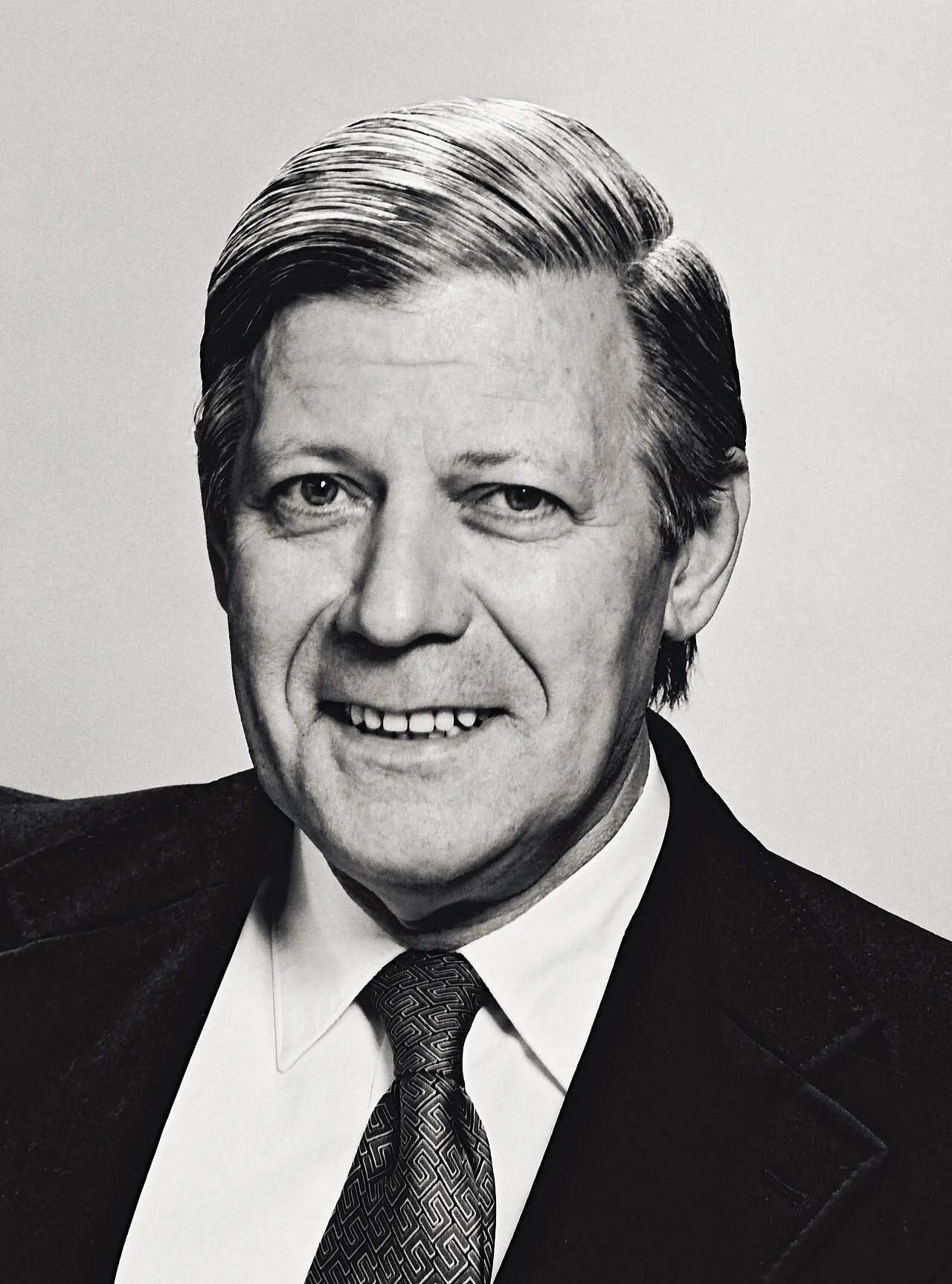
The airport is named for Helmut Schmidt (1918–2015), who was Chancellor of West Germany from 1974 to 1982. A Hamburg native and Social Democrat, he served as defence minister and finance minister first, helped found the world economic summits with Valéry Giscard d'Estaing, and helped set up the European Monetary System in 1978.
Source: Wikipedia

The airport became Hamburg Airport Helmut Schmidt on 10 November 2016 — one year to the day after Schmidt died. Hamburg was claiming its own: he had been the city's interior senator during the 1962 flood, when he commandeered federal police and army units without legal authority and saved about a thousand lives.
Source: Wikipedia
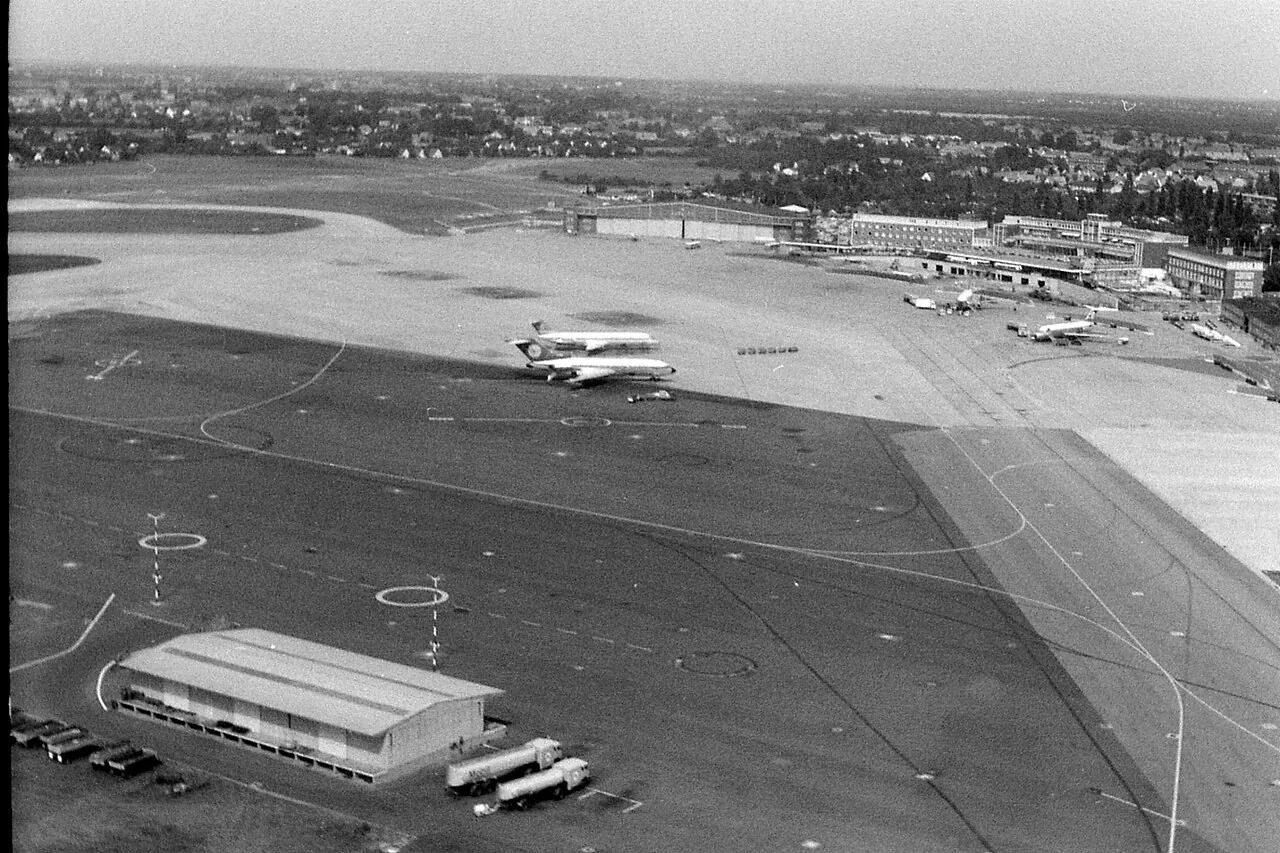
The airport got its present name from the British occupation forces in 1945, and three years later served as a staging area for the Berlin Airlift — the northern of the three air corridors into blockaded West Berlin ran from Hamburg.
Source: Wikipedia
When Lufthansa restarted passenger flying in 1955, Hamburg was its hub — until the site's cramped position inside the city pushed the airline to Frankfurt. Lufthansa Technik still keeps a large maintenance presence at Hamburg as a legacy of those early years.
Source: Wikipedia
In the 1960s the city seriously planned to move the whole airport out to Heidmoor near Kaltenkirchen, citing crossing runways, no room to expand and the noise of Lufthansa's new Boeing 707s. The plan was dropped, partly because other cities had regretted banishing their airports.
Source: Wikipedia
Terminals 1 and 2 were designed by the German practice Gerkan, Marg and Partners, and both have a high, curved ceiling shaped to echo an aircraft wing. Confusingly, Terminal 2 is the older building — Terminal 1 was finished in 2005.
Source: Wikipedia
The site has grown more than tenfold since it opened, from 440,000 m² to 5.7 km² (2.2 sq mi). Its two crossing runways are 3,250 m and 3,666 m long, and the main apron's 320,000 m² holds 54 parking positions.
Source: Wikipedia
Hamburg has a second airport most travellers never see: Hamburg Finkenwerder, the Airbus factory airfield on the Elbe, which is closed to commercial traffic. Everything scheduled goes through Fuhlsbüttel, 8.5 km north of the city centre — 14,770,812 passengers in 2025.
Source: Wikipedia