Geneva International Airport
Facts on GVA
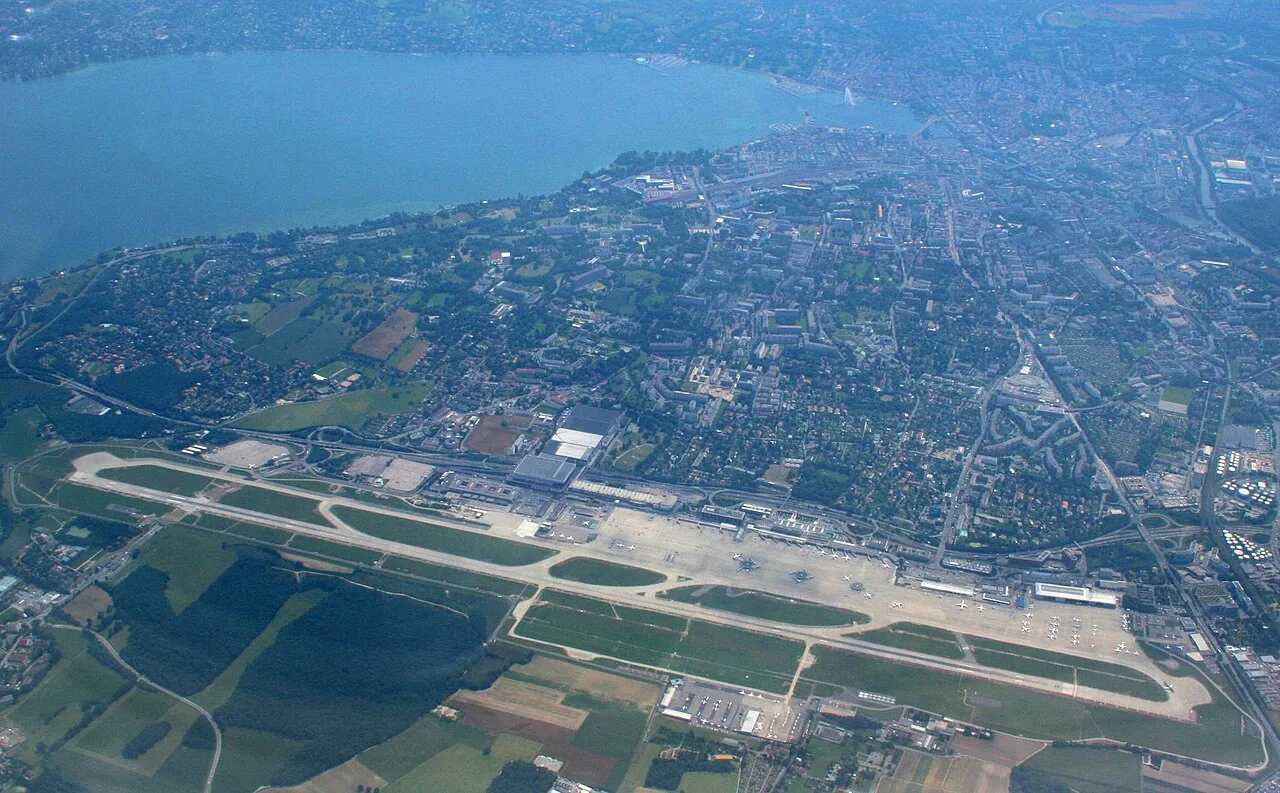
Geneva's single runway is 3,900 m (12,795 ft) long, the longest in Switzerland. Reaching that length in 1956 required a treaty: Switzerland and France signed a convention exchanging strips of national territory so the runway could be built.
Source: Wikipédia (French)
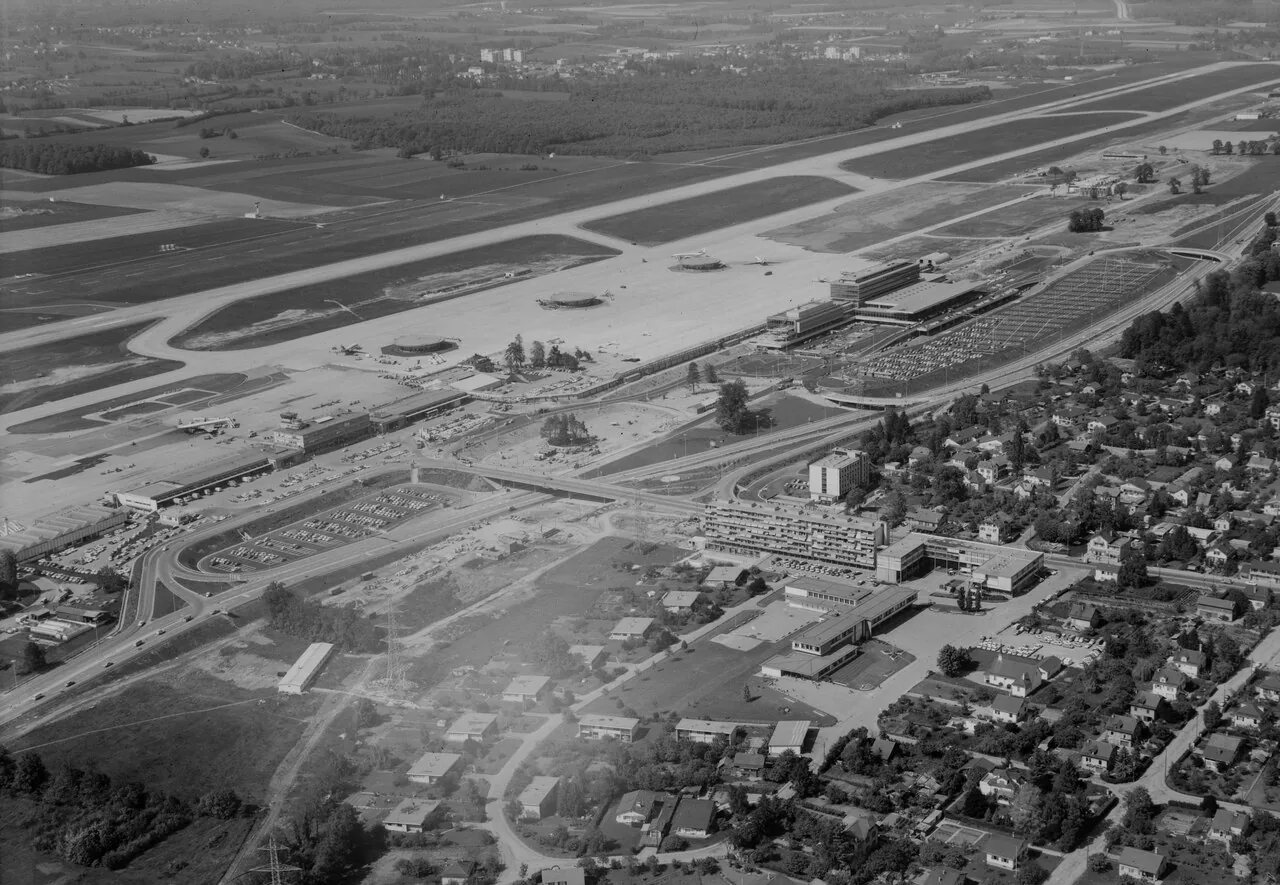
Geneva's airport is still widely called Cointrin, after the village it was laid out beside. Cointrin sits in the municipality of Meyrin, and its neighbourhoods now carry aviation names of their own — Cointrin-Les Ailes, "the wings", and Cointrin-Pré-Bois.
Source: Wikipedia
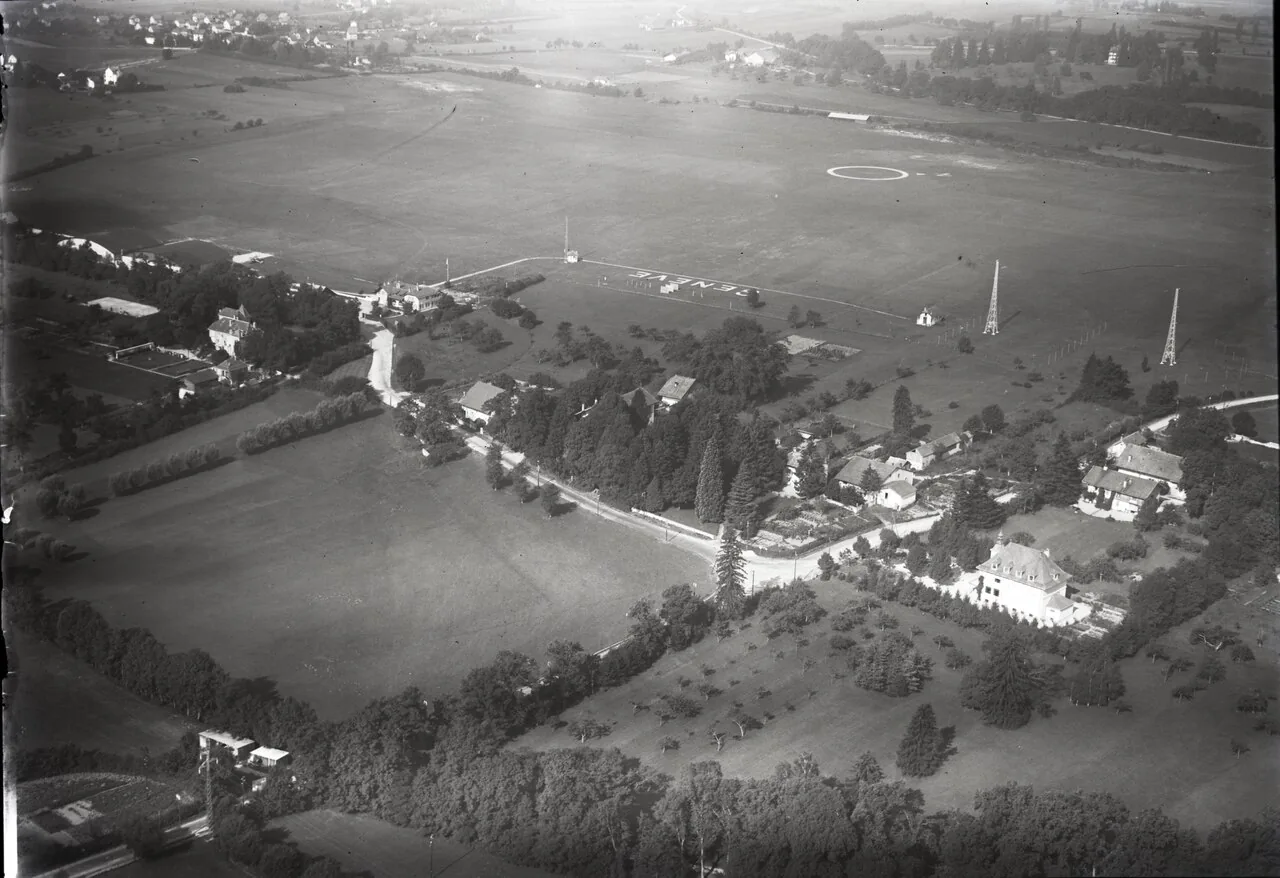
The Grand Council of Geneva voted to create an airfield at Meyrin on 11 October 1919, on 54 hectares next to the village of Cointrin. The first aircraft landed there on 23 September 1920, flown by pilot Edgar Primault. The official name today is simply Genève Aéroport.
Source: Wikipédia (French)
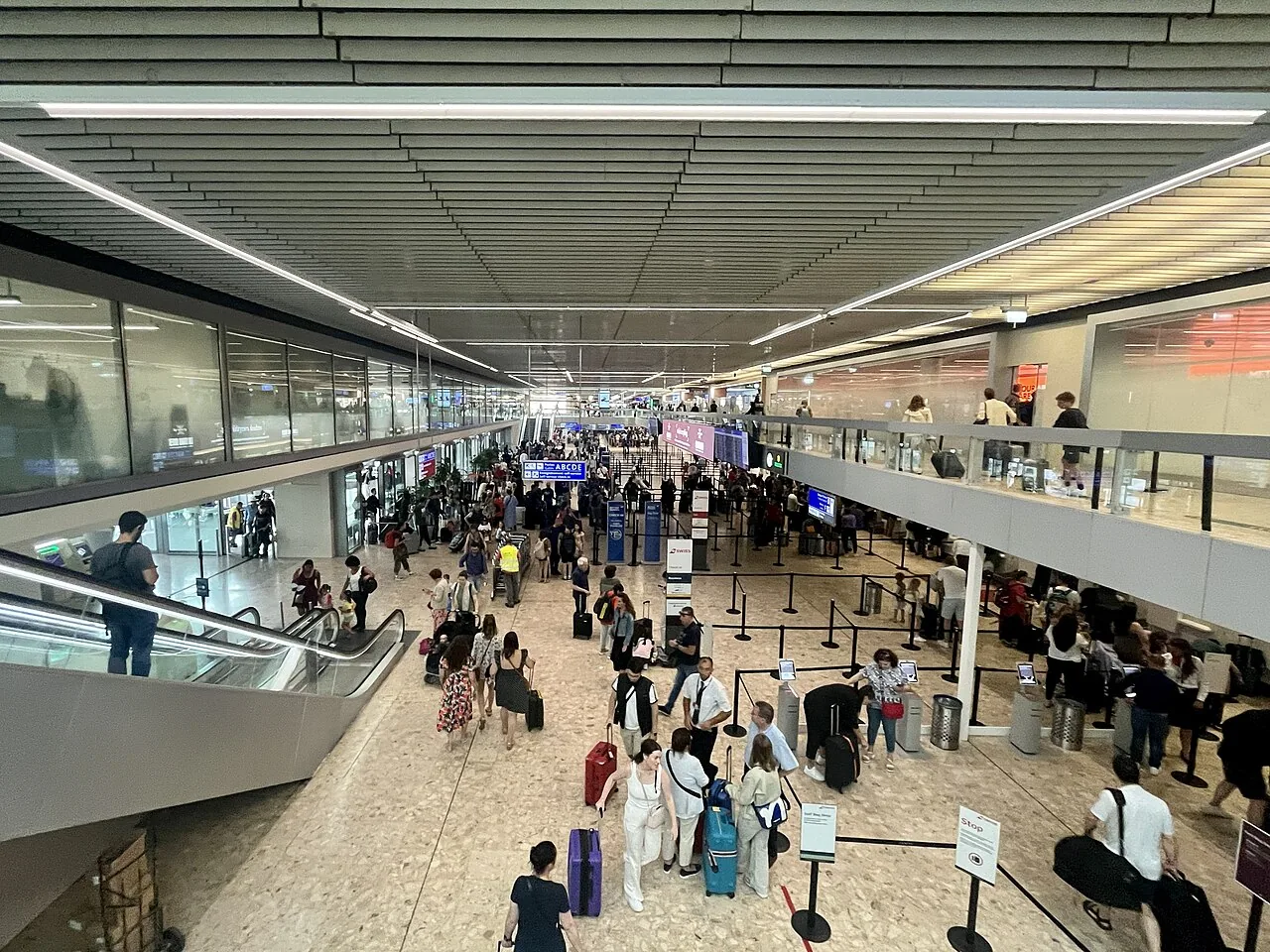
The airport lies wholly on Swiss soil, but its northern edge runs along the French border and it can be entered from either country. Pier F, the French Sector, exists under a 1960s agreement so travellers from the neighbouring Pays de Gex can reach their flights without clearing Swiss customs.
Source: Wikipedia
Geneva renumbered its runway on 13 September 2018. What pilots had called 05/23 since the airport opened became 04/22 — not because the concrete moved, but because the North Magnetic Pole had drifted enough to change the runway's magnetic heading.
Source: Wikipedia
The Aile Est long-haul pier opened on 14 December 2021 after decades of delay. It is 520 m (1,710 ft) long, handles six widebody aircraft at once directly at the building, and runs on 5,000 m² of solar panels plus more than 100 geothermal probes feeding heat pumps.
Source: Wikipedia
Terminal 2 is the airport's original terminal, built in 1946 for 2.3 million Swiss francs and used until the main terminal opened in the 1960s. It survives as a seasonal winter charter building with one restaurant and no duty-free; passengers are bussed from it to the piers of Terminal 1.
Source: Wikipedia
Mont Blanc looms over the approach, and twice it caught Air India. In 1950 Flight 245, a Lockheed Constellation, struck the mountain while descending toward Geneva; in 1966 Flight 101, a Boeing 707, hit it in almost the same way.
Source: Wikipedia
Geneva handled 17,796,333 passengers and 179,106 aircraft movements in 2024. It is owned outright by the Canton of Geneva, and hosts an office of IATA — the body that hands out the three-letter codes in the first place.
Source: Wikipedia