Leonardo da Vinci–Fiumicino Airport
Facts on FCO
Rome's main airport gets its FCO code not from 'Rome' but from Fiumicino, the coastal town 30 km south of the city where the airport actually sits.
Source: Wikipedia
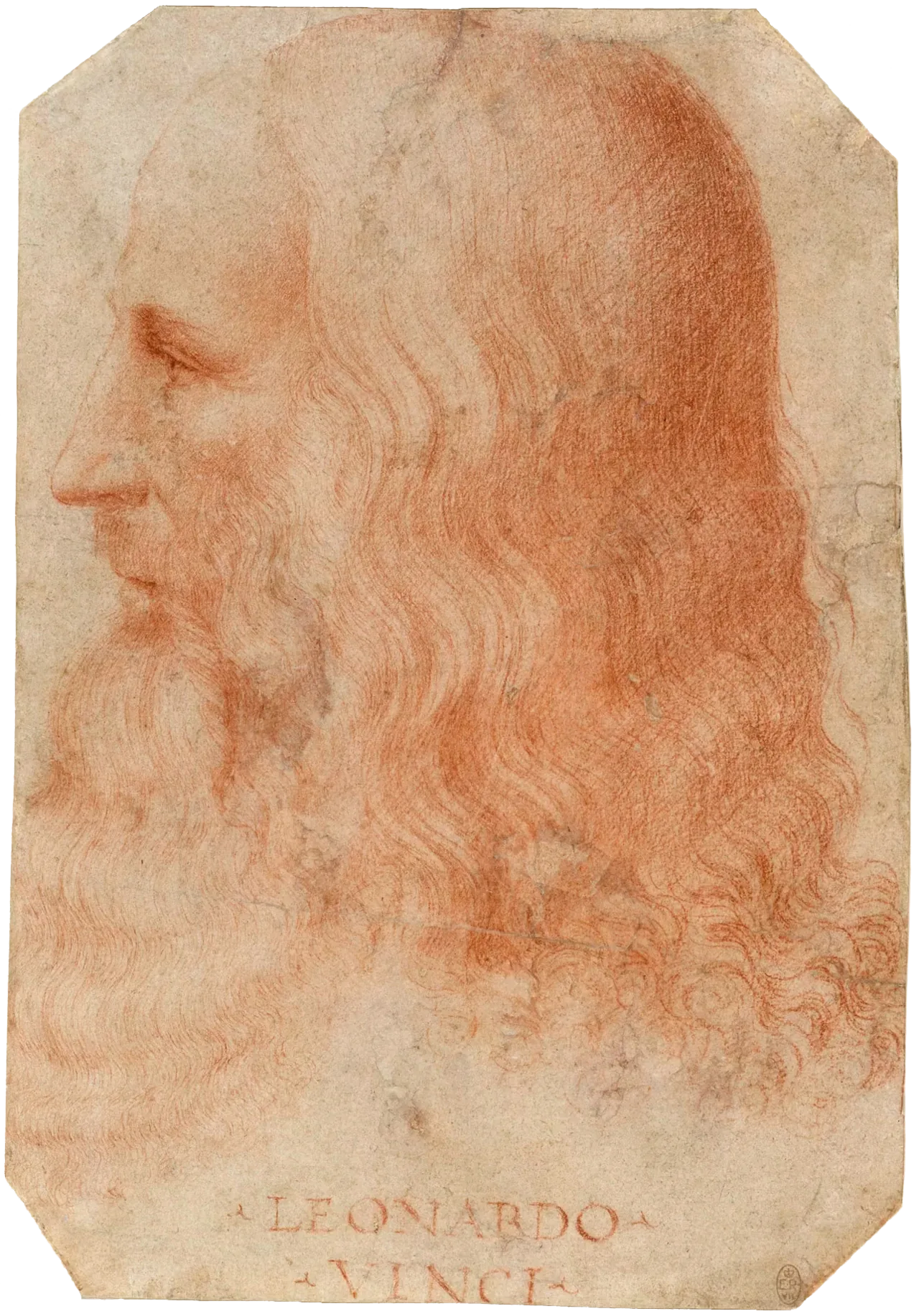
The airport is named for Leonardo da Vinci (1452–1519), who was born out of wedlock near the Tuscan town of Vinci and trained in Florence under Andrea del Verrocchio. Painter of the Mona Lisa and The Last Supper, he also filled notebooks with work on anatomy, cartography, hydrodynamics and optics.
Source: Wikipedia
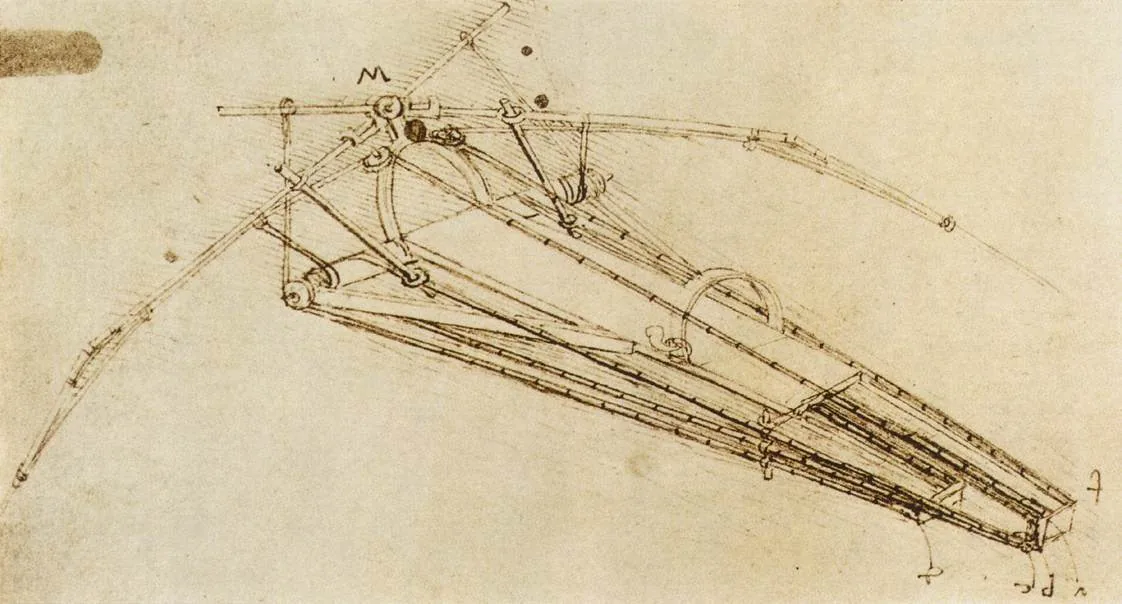
The airport could hardly have chosen a better namesake: around 1505 Leonardo wrote the Codex on the Flight of Birds, 18 folios studying how birds fly and proposing machines to copy them. He built several and tried to launch them from a hill near Florence, without success.
Source: Wikipedia
Officially opened in January 1961 to replace the smaller Ciampino Airport, Fiumicino was named after Renaissance polymath Leonardo da Vinci, and the terminal displays reproductions of his most famous works and invention sketches.
Source: Wikipedia
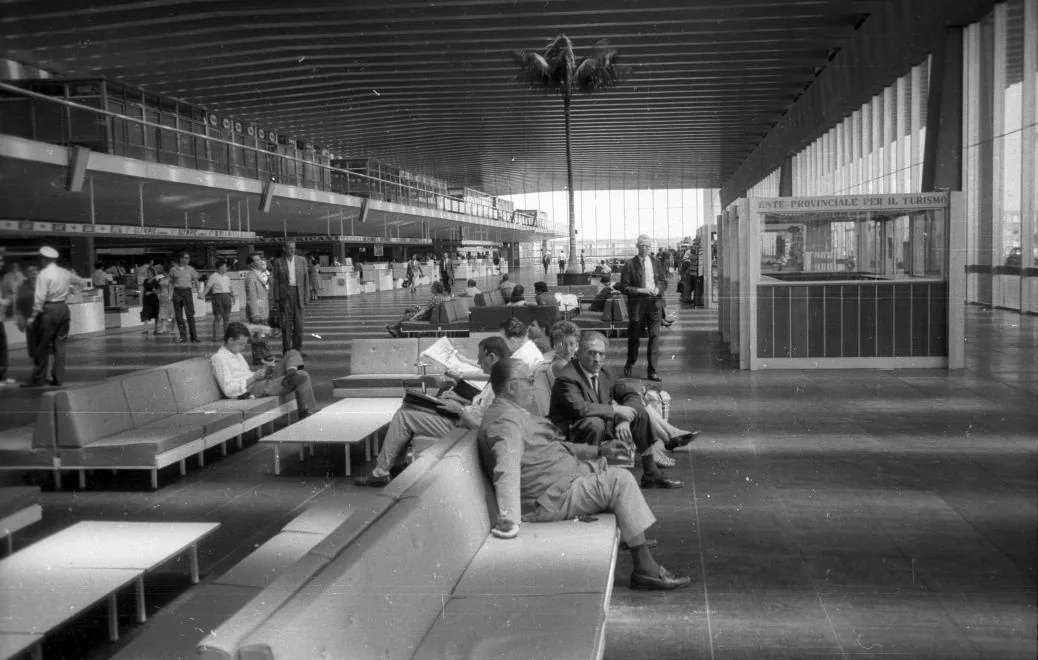
Fiumicino was in use months before its official opening. It started taking flights on 20 August 1960 to relieve the congestion at Ciampino during the 1960 Summer Olympics in Rome, and was only formally inaugurated on 15 January 1961.
Source: Wikipedia
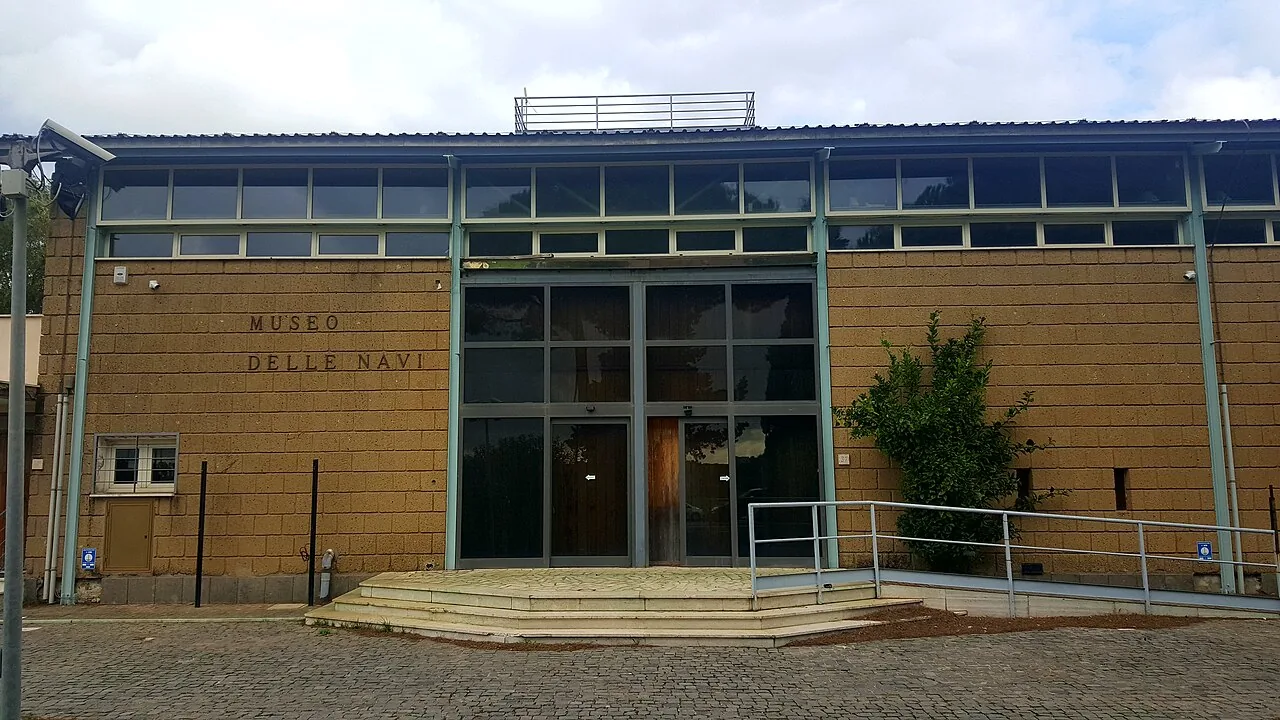
The remains of several Roman ships turned up while the airport was being built. That is no accident of luck: the site sits beside Portus, the great artificial harbour begun by Claudius and enlarged by Trajan, which was Rome's main port for over 500 years.
Source: Wikipedia
Fiumicino means "little river" in Italian. The town of about 80,500 people sits on the northern side of the mouth of the Tiber on the Tyrrhenian coast, and the airport is officially one of its hamlets, Aeroporto "Leonardo da Vinci".
Source: Wikipedia
Three runways are in use. The two parallel ones, 16L/34R and 16R/34L, are each 3,902 metres long and sit 4,000 metres apart; the third, 07/25, is 3,190 metres and used only for westward take-offs because of the prevailing winds.
Source: Wikipedia
Fog used to shut Rome down. Since 2005 the airport has run a CAT IIIB instrument landing system, and improvements in 2007 raised what it can manage in thick fog from about 10 movements an hour to 30.
Source: Wikipedia
The airport's rail link opened in May 1990. The Leonardo Express runs non-stop to Roma Termini in 30 minutes every 15 minutes, and since 2018 Frecciarossa high-speed trains have also connected Fiumicino directly to Florence, Bologna, Padua and Venice.
Source: Wikipedia
Fiumicino covers 16 square kilometres and served over 51 million passengers in 2025, making it Italy's busiest airport and the eighth busiest in Europe. In 2024 alone it handled 315,597 aircraft movements and 271,579 tonnes of cargo.
Source: Wikipedia
The airport was struck by two major terrorist attacks: one in December 1973, when phosphorus bombs thrown aboard a Pan Am Boeing 707 killed 30 passengers, and a second in December 1985 in which 19 people died.
Source: Wikipedia