Ministro Pistarini International Airport
Facts on EZE
EZE's official name, Ministro Pistarini International Airport, honors Juan Pistarini, the Minister of Public Works under President Juan Perón who championed the project — but it's far better known simply as 'Ezeiza,' after the district south of Buenos Aires where it sits.
Source: Wikipedia — Ministro Pistarini International Airport
When it opened on April 30, 1949, Ezeiza was the third-largest airport in the world, covering a sprawling 3,475 hectares as one of the signature infrastructure projects of Perón's five-year plan.
Source: Wikipedia — Ministro Pistarini International Airport
EZE remains Argentina's busiest international gateway, handling about 85% of the country's international air traffic even though Buenos Aires has a second commercial airport, Aeroparque Jorge Newbery, closer to downtown.
Source: Wikipedia — Ministro Pistarini International Airport
Juan Pistarini, the minister honored in the airport's name, laid the project's cornerstone on December 22, 1945; the airport was then designed and built entirely by Argentine technicians over four years of construction.
Source: Wikipedia
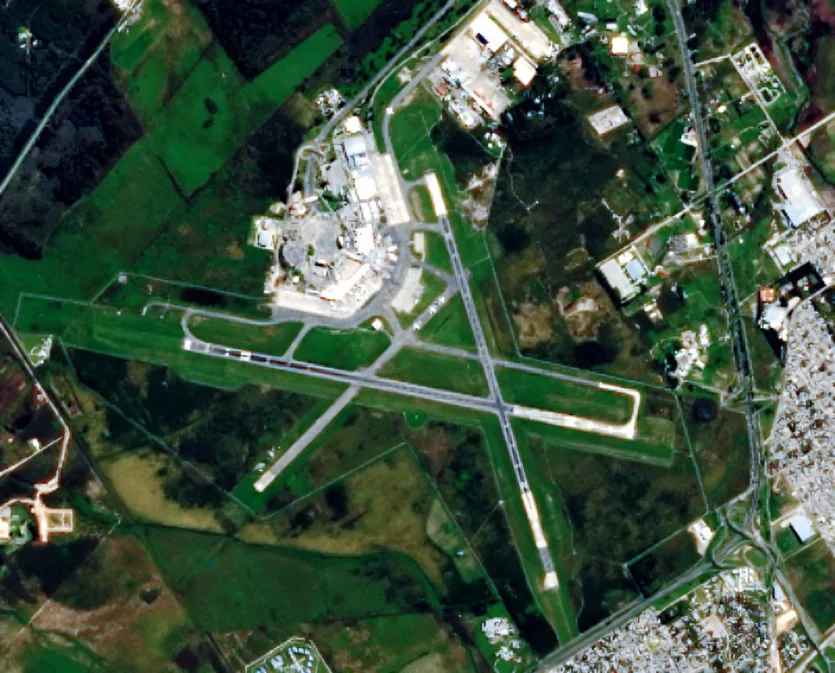
A 1949 diagram of the newly opened airport shows three runways crossing at 60-degree angles — the longest measuring 9,353 feet (2,851 m) — a triangular layout typical of the era before single dominant-wind runway planning became standard.
Source: Wikipedia
On June 20, 1973, camouflaged snipers opened fire on a crowd of an estimated 3.5 million Peronists gathered near the airport to welcome Juan Perón home from 18 years of exile — the Ezeiza massacre, which killed at least 13 people and injured 365.
Source: Wikipedia
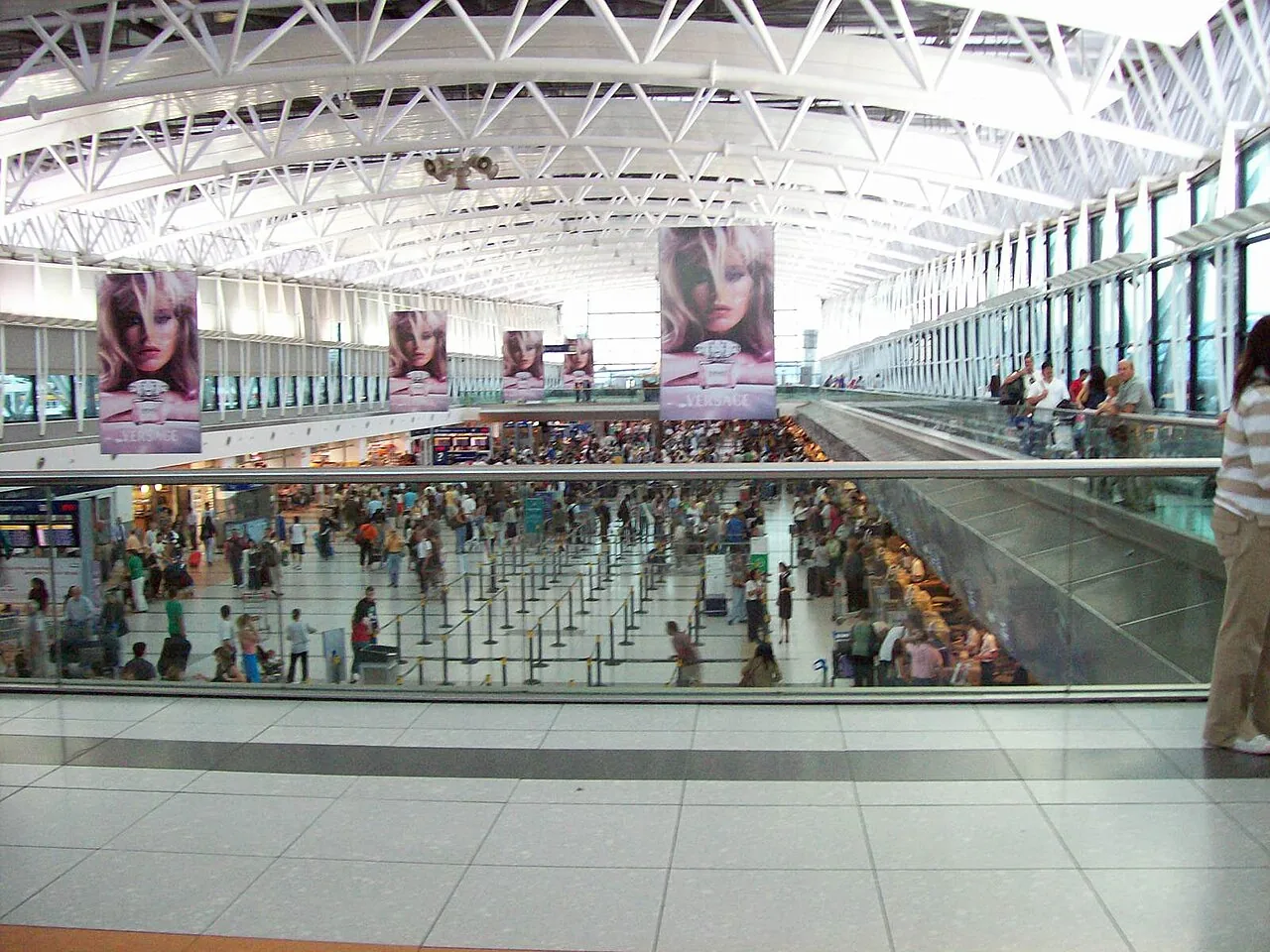
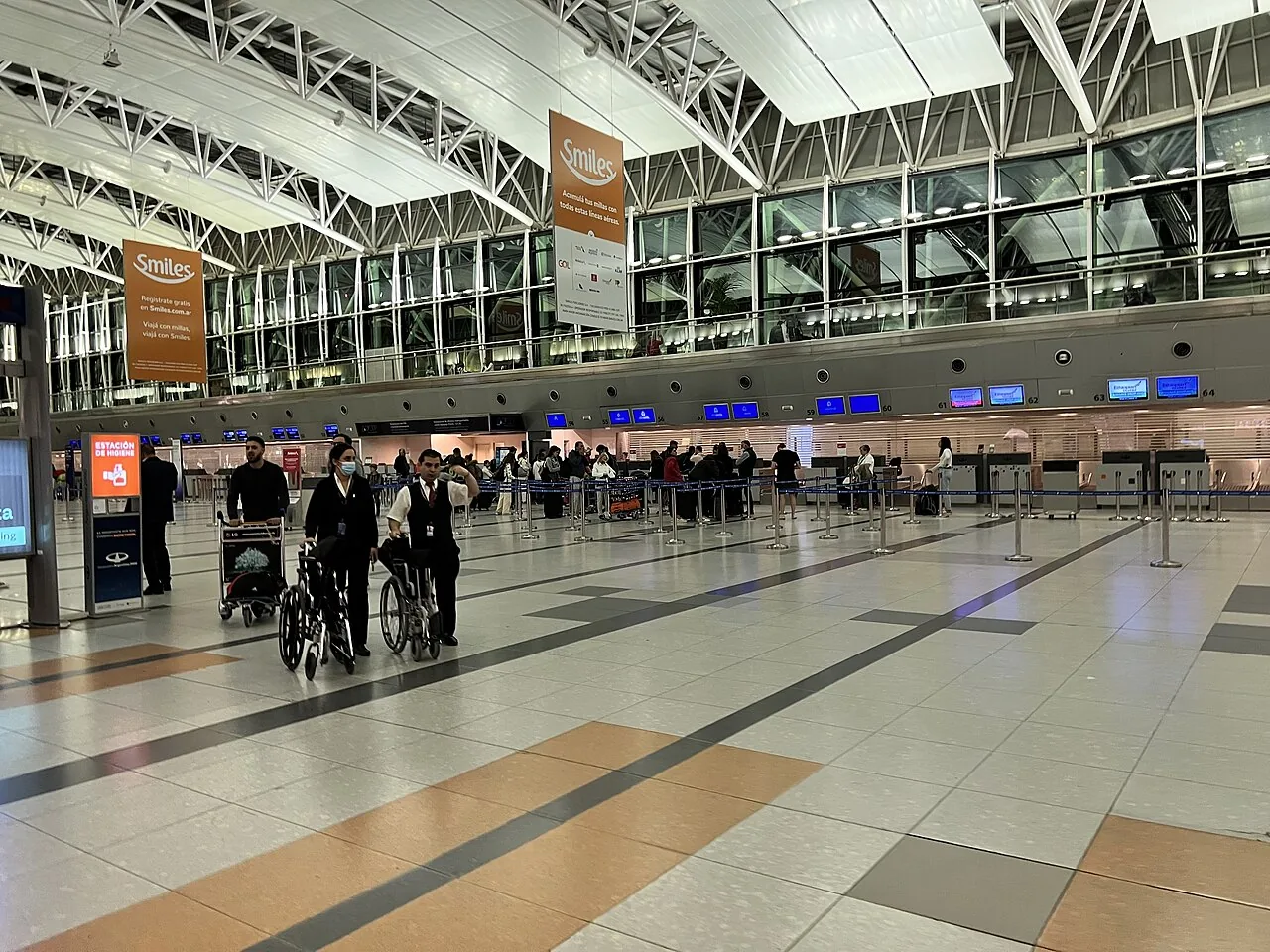
Ezeiza's terminal buildings have grown in stages: Terminal B added 28,795 square metres in March 2013, and on April 14, 2023 a new four-floor, 50,000-square-metre Departures Terminal opened with a projected capacity of 30 million passengers a year.
Source: Wikipedia
October 2012 was Ezeiza's strongest month that year: it handled 767,824 passengers, a 10.9% year-on-year increase driven by a 108.3% jump in domestic traffic alongside 8.7% growth in international traffic.
Source: Wikipedia
Long-haul carriers have cycled through Ezeiza over the years: Qatar Airways launched direct Doha flights in June 2010 and Emirates began Dubai–Buenos Aires service in January 2012, but both airlines pulled out of the route in August 2020.
Source: Wikipedia