Dublin Airport
Facts on DUB
Dublin Airport's original terminal, opened in 1941 and designed by architect Desmond FitzGerald with a tiered shape inspired by ocean liners, won the RIAI Triennial Gold Medal in 1942 and still stands today as a protected building.
Source: Wikipedia
Dublin Airport opened for scheduled service on 19 January 1940, when an Aer Lingus Lockheed 14 departed for Liverpool from what had grown out of the old Collinstown Aerodrome site.
Source: Wikipedia
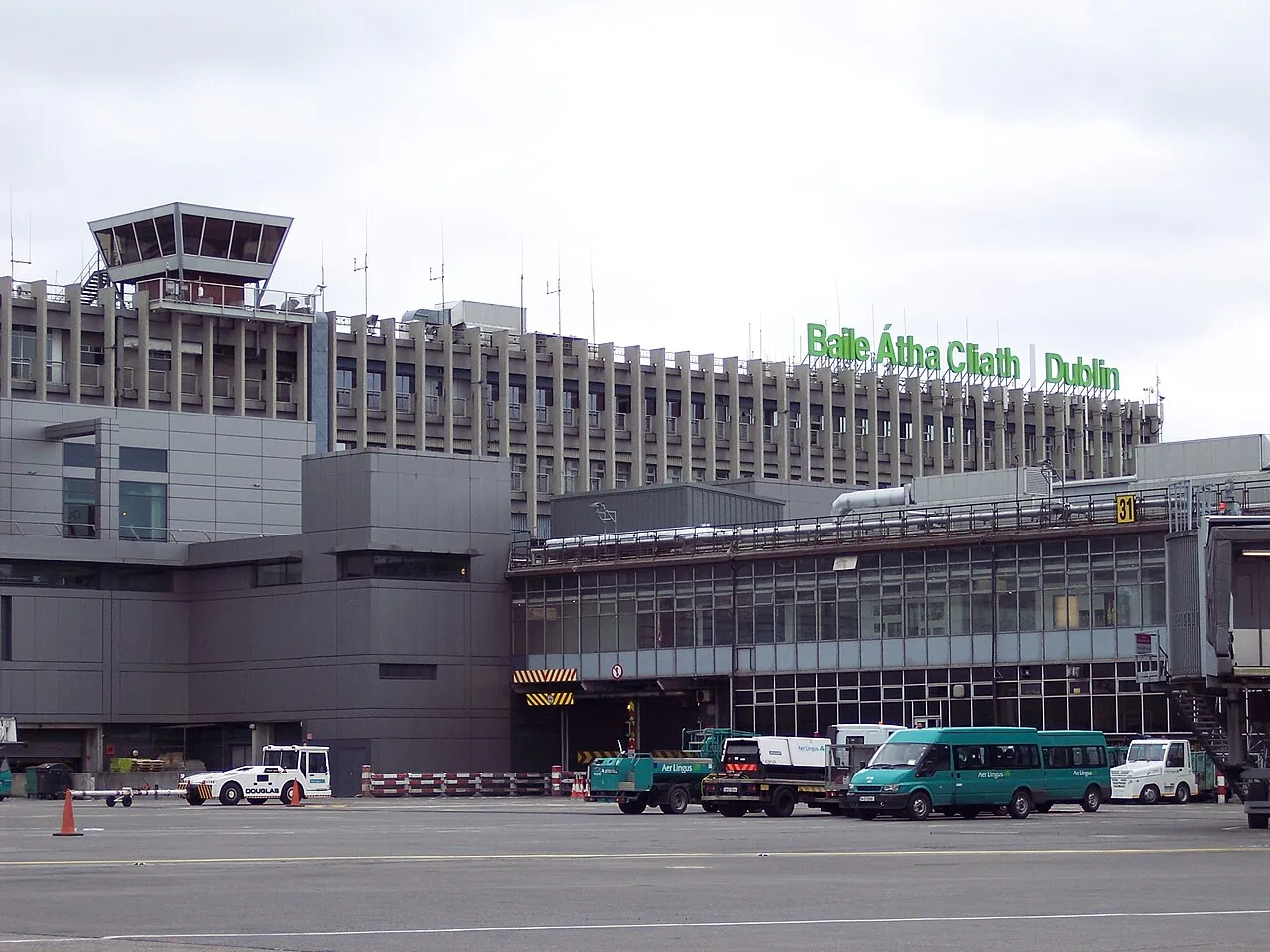
Dublin Airport stands in the townland of Collinstown, a roughly 394-acre patch of Fingal now entirely inside the airport perimeter. The Royal Flying Corps picked the site as an aerodrome in 1917, and the airfield later grew into neighbouring Rock and Corballis.
Source: Wikipedia
On 20 March 1919, thirty Irish Volunteers — five of them employed on the base — raided Collinstown Aerodrome and made off with 75 rifles and 5,000 rounds of ammunition. The site was later used as Collinstown Camp to intern Irish republicans.
Source: Wikipedia
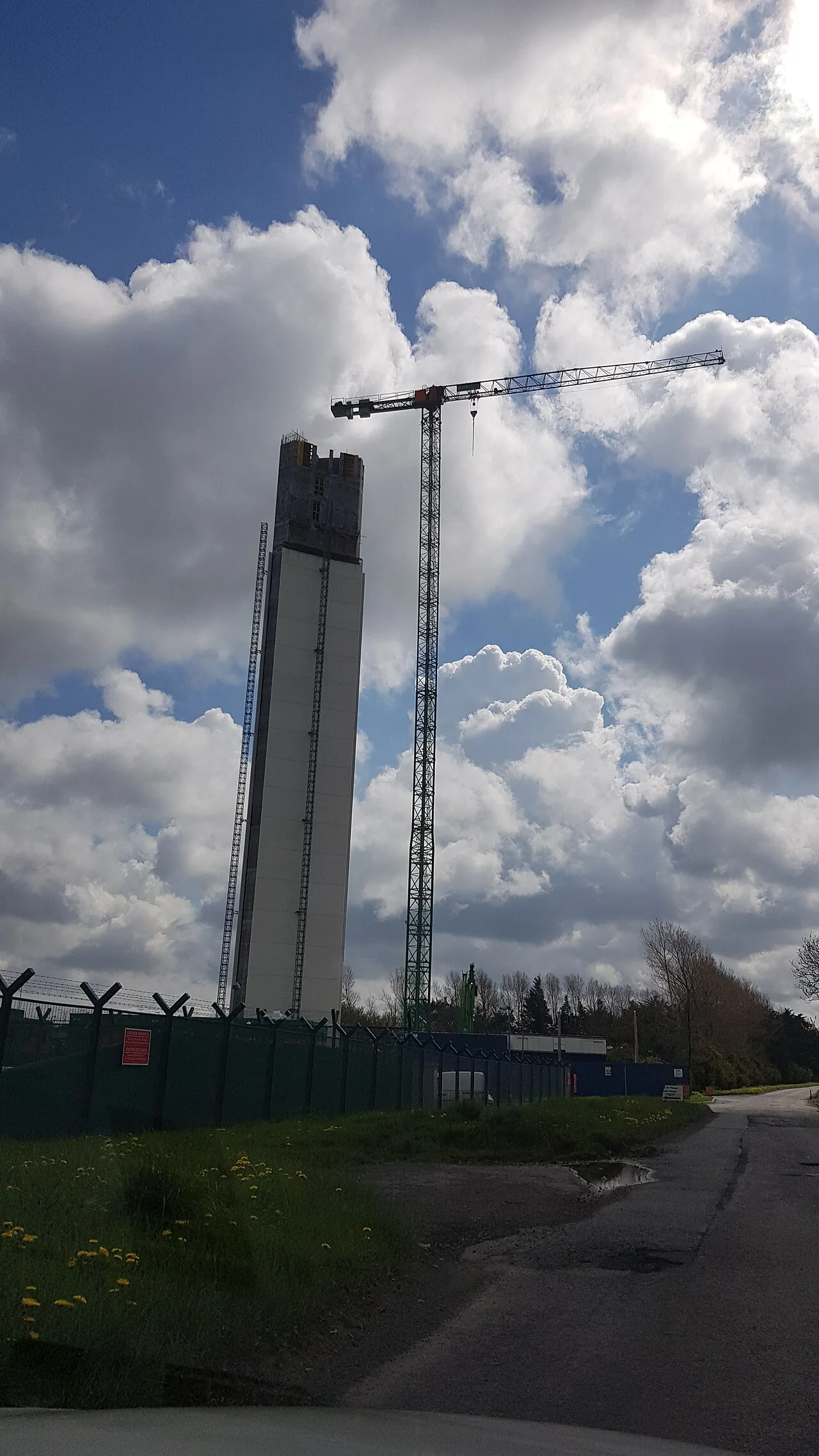
Dublin's new air traffic control complex opened on 15 June 2022. At nearly 87 metres (285 ft) it is the tallest inhabited structure in Ireland, and it has room for twelve controllers where the old tower had five.
Source: Wikipedia
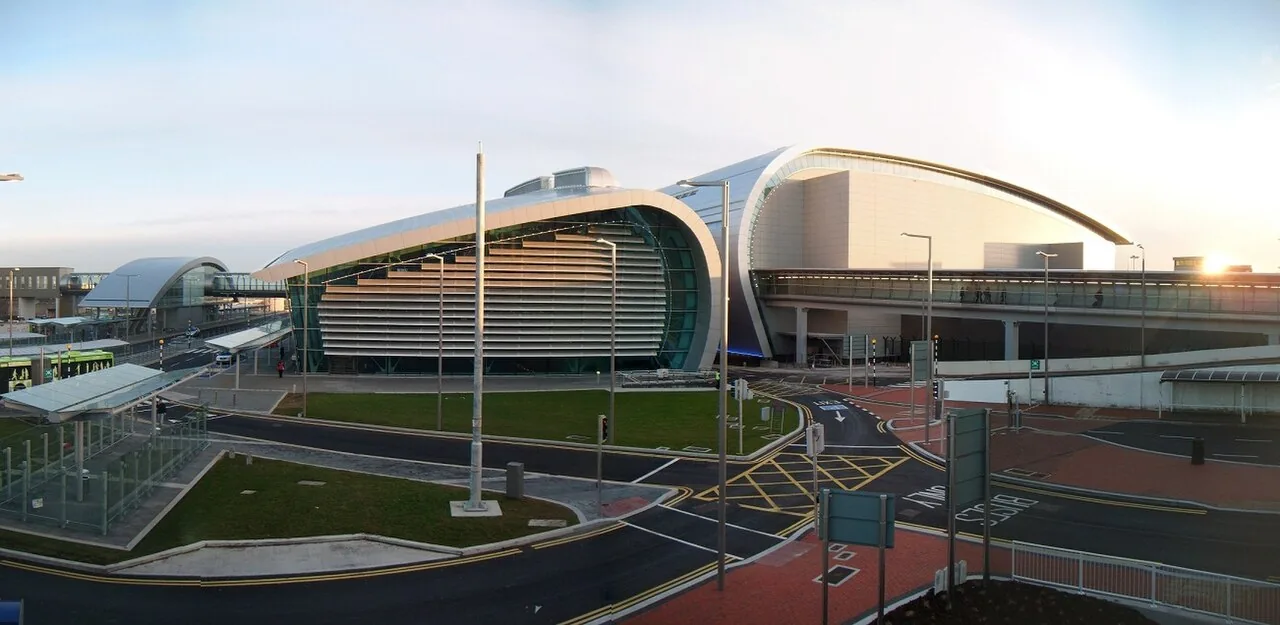
Dublin is one of only two airports in Europe with United States border preclearance — Shannon is the other. Passengers on nonstop US flights clear American immigration and customs before boarding and arrive in the States as domestic passengers.
Source: Wikipedia
A second parallel runway, 10L/28R, opened on 24 August 2022 at a length of 3,110 metres (10,203 ft) and a cost of around €320 million. The first aircraft to use it was Ryanair flight FR1964 to Eindhoven.
Source: Wikipedia
For decades Irish law forced transatlantic airlines to touch down at Shannon on the west coast. The Shannon stopover was watered down from 2006 and disappeared entirely in 2008, freeing Dublin to fly direct to the United States.
Source: Wikipedia
Dublin has its own Catholic church inside the campus, Our Lady Queen of Heaven, built in 1964, along with a multi-faith prayer room in Terminal 2. The airport also runs its own police service and fire and rescue service.
Source: Wikipedia
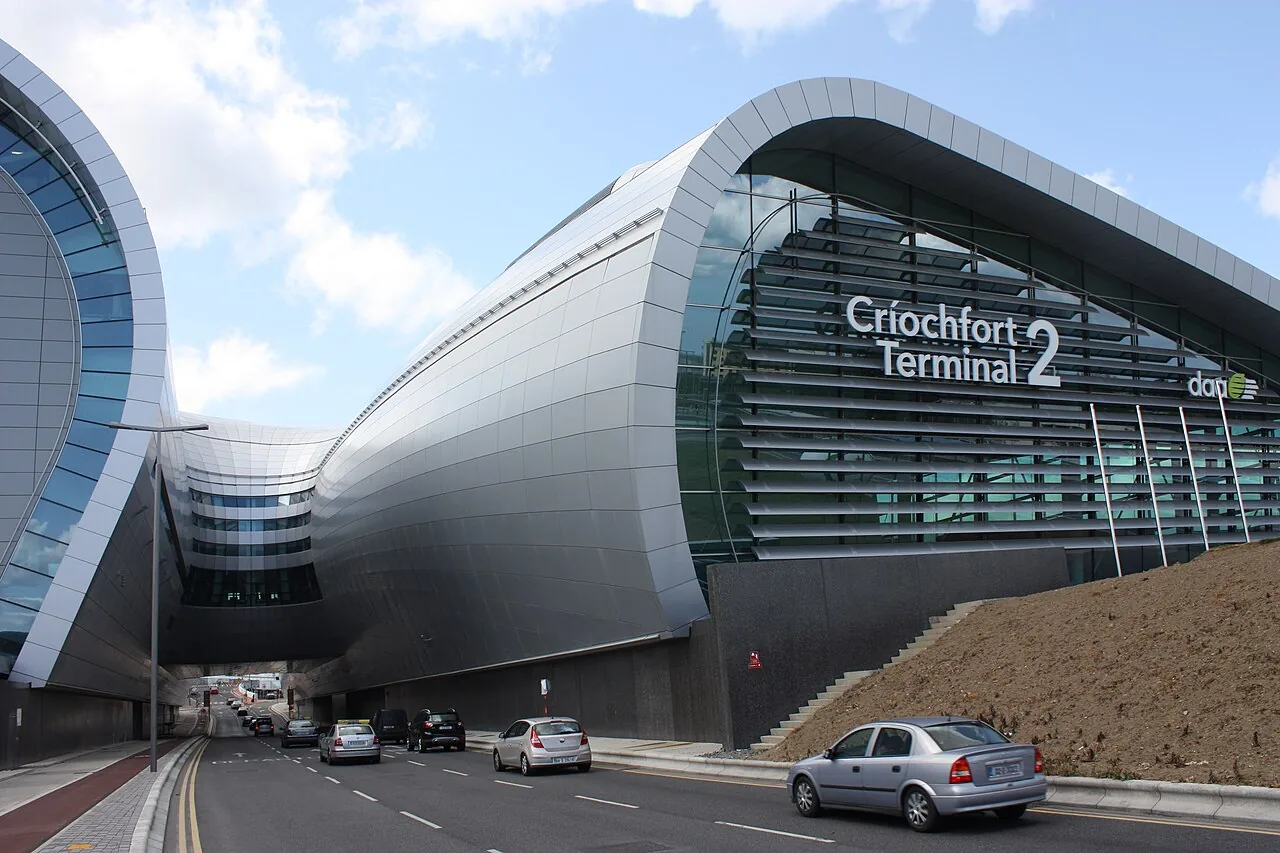
Terminal 2, designed by Pascall+Watson and opened on 19 November 2010, cost €600 million. Its 75,000 square metres and 25 departure gates were built to handle up to 15 million passengers a year, and it houses the US preclearance facility.
Source: Wikipedia
Over 36.4 million passengers used Dublin in 2025, its busiest year on record, on 226,181 aircraft movements. Growth has been constrained by a planning cap of 32 million passengers a year, which the operator has applied to raise to 40 million.
Source: Wikipedia
Dublin is one of Europe's larger airports with no rail link at all: passengers reach the city by bus, coach or taxi. The Metrolink underground line to the airport received planning permission in 2025 and might open around 2035.
Source: Wikipedia