Ronald Reagan Washington National Airport
Facts on DCA
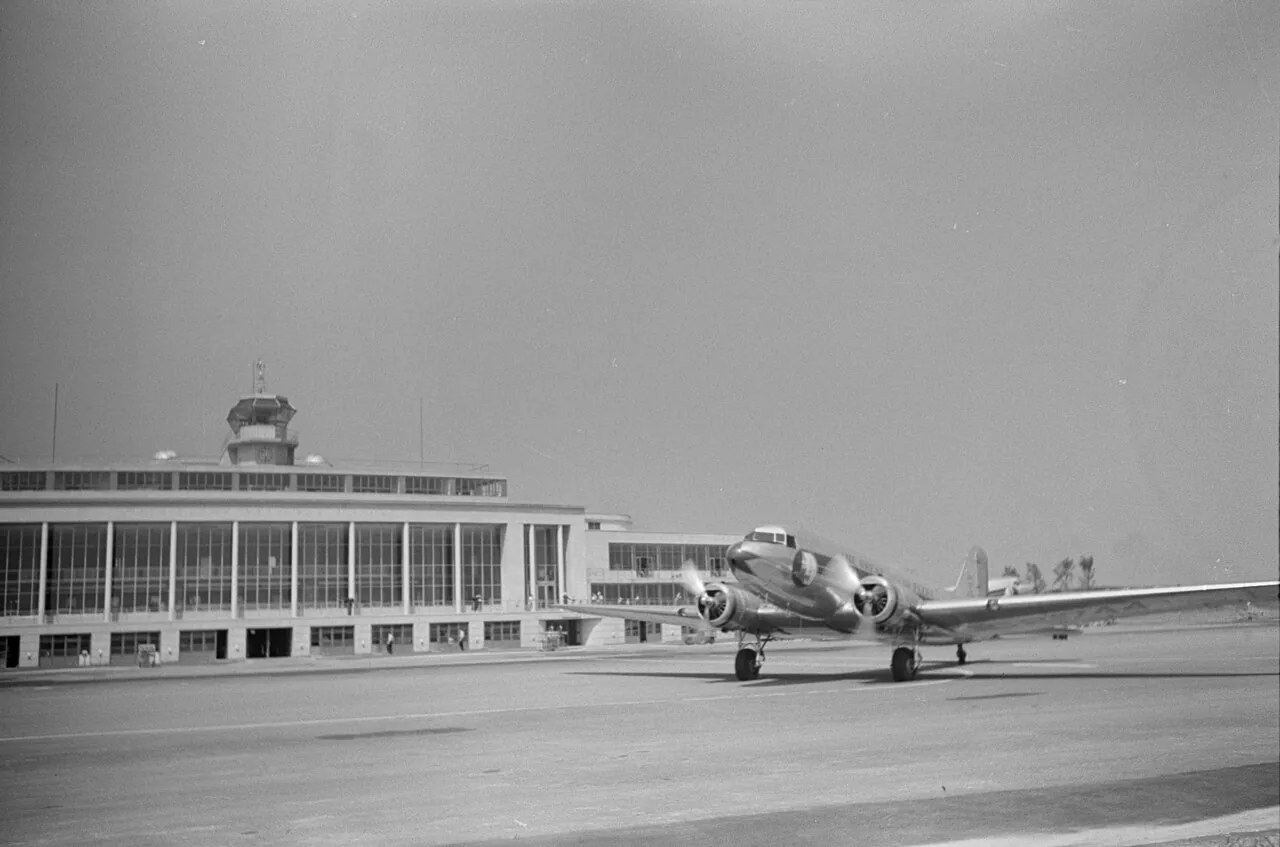
The airport exists because President Franklin Roosevelt made a $15 million recess appropriation to build it in 1938, after Congress lifted a statute that had barred the federal government from developing airports; it opened June 16, 1941, just before the U.S. entered World War II.
Source: Wikipedia

The airport is named for Ronald Reagan, who was a film actor and union leader before entering politics; he served two terms as governor of California starting in 1966 and then two terms as the 40th U.S. president, from 1981 to 1989, becoming a defining figure of the modern American conservative movement.
Source: Wikipedia
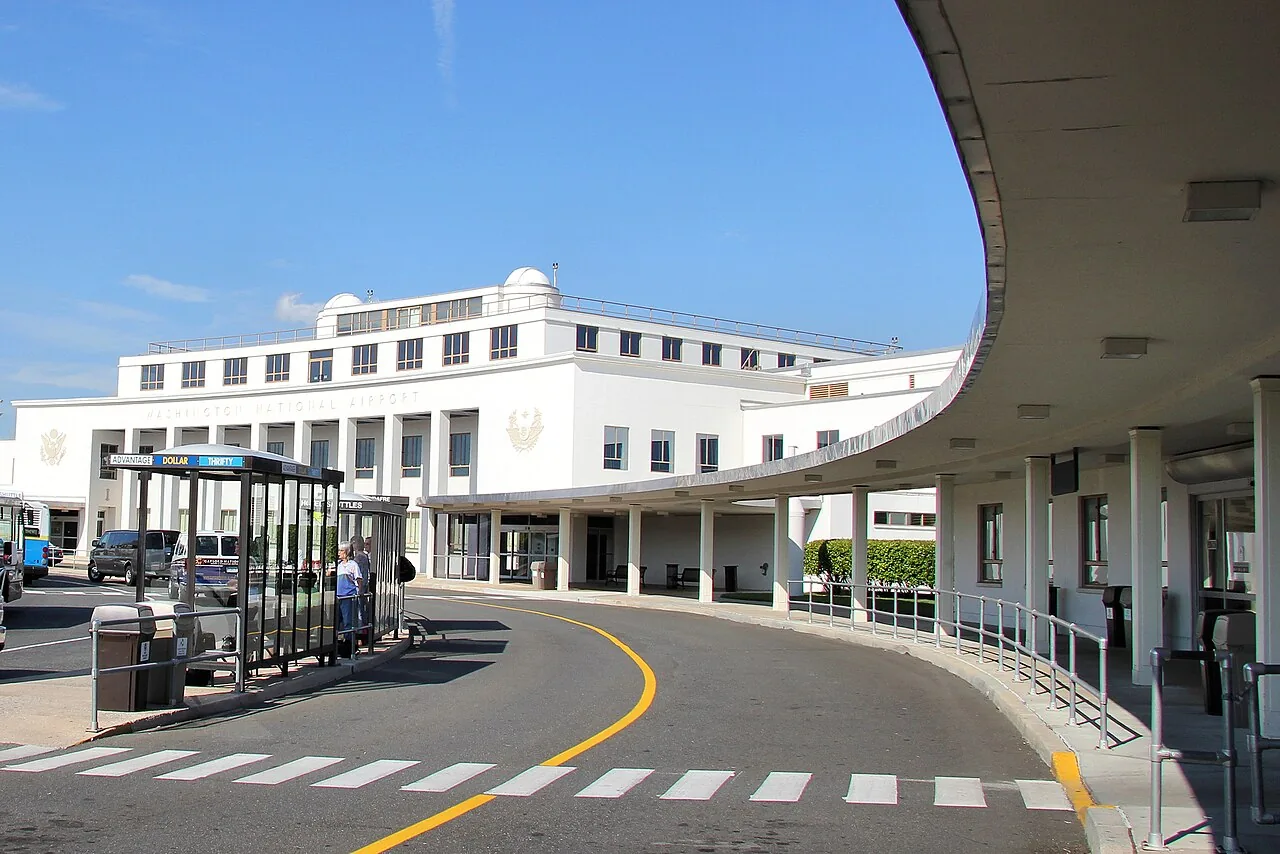
President Bill Clinton signed a bill renaming Washington National as Ronald Reagan Washington National Airport on February 6, 1998, Reagan's 87th birthday. The renaming was drafted over the objections of airport officials and Virginia and D.C. leaders, who noted the airport already honored George Washington and that a federal building nearby was already named for Reagan.
Source: Wikipedia
A 1966 perimeter rule limited nonstop jet flights from National to 650 miles to steer long-haul traffic toward the new Dulles Airport; Congress has stretched the limit twice since, to 1,000 miles in the 1980s and 1,250 miles in 1986, while carving out dozens of city-specific exemptions.
Source: Wikipedia
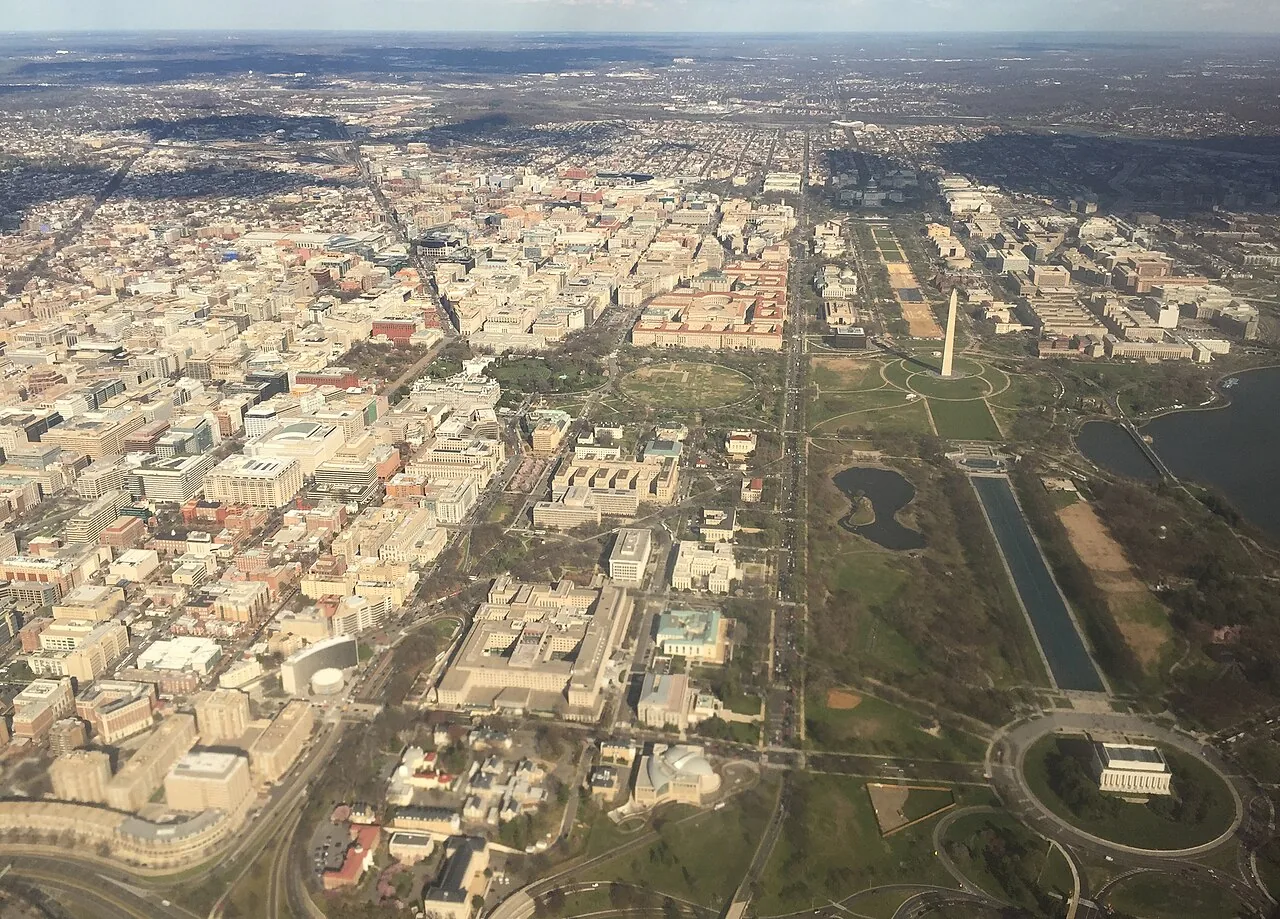
Because the airspace over the National Mall is restricted, aircraft arriving at DCA from the north fly the 'River Visual,' hugging the Potomac and banking sharply just before touchdown; window-seat passengers can see the Capitol, the Washington Monument, the Lincoln Memorial and the White House along the way.
Source: Wikipedia
DCA's Terminal 2, designed by Argentine architect César Pelli, opened on July 27, 1997 at a cost of $450 million, replacing a patchwork of airline-specific terminals built through the 1960s.
Source: Wikipedia
DCA's main runway, 01/19, is reported to be the busiest single runway in the country; the airport served a record 26.29 million passengers in 2024, up 3.3% on the record set the year before.
Source: Wikipedia
Part of the airport sits on the former site of the 18th- and 19th-century Abingdon plantation; since 1998 restored remnants of two of its buildings and a collection of artifacts have been on display near the Terminal 1 Metro station.
Source: Wikipedia