Julius Nyerere International Airport
Facts on DAR
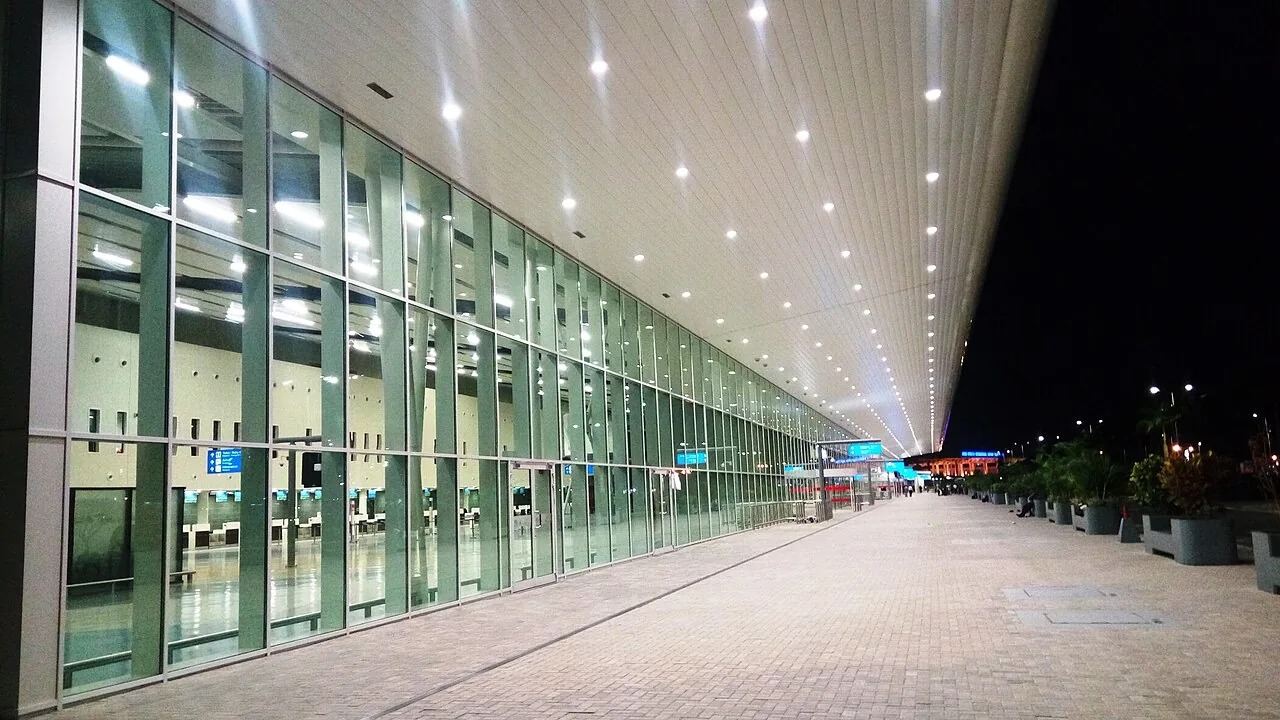
In April 2013, the Tanzania Airports Authority signed a 275 billion Tanzanian shilling contract with the Netherlands' BAM International to build Terminal 3's first phase, adding capacity for 3.5 million passengers a year; the terminal opened in August 2019, funded entirely with domestic money.
Source: Wikipedia
The airport is named for Julius Nyerere (1922-1999), who led Tanganyika to independence, serving as prime minister from 1961 to 1962 and then president of Tanzania from 1964 to 1985. He founded the TANU party, promoted an African-socialist philosophy called Ujamaa, and later mediated in the Burundian Civil War.
Source: Wikipedia
Dar es Salaam's airport was renamed Mwalimu Julius Kambarage Nyerere International Airport in October 2005, then shortened to Julius Nyerere International Airport on 1 November 2006 -- both changes coming after Nyerere's 1999 death, in tribute to the country's founding president.
Source: Wikipedia
Between 1980 and 2004, Dar es Salaam's airport handled a total of 9,501,265 passengers, an average of roughly 2,770 travelers a day -- a scale dwarfed by the millions Terminal 3 alone was later built to accommodate each year.
Source: Wikipedia
On 3 January 1950, a United Air Services Avro Anson C.19 crash-landed at what was then Dar es Salaam International Airport, killing both crew members on board.
Source: Wikipedia
On 18 May 1989, an Aeroflot Ilyushin-62 hijacked after taking off from Luanda, Angola made its scheduled stop at Dar es Salaam; the armed hijacker, holding African National Congress members hostage, was shot by a security guard as he tried to enter the cockpit.
Source: Wikipedia
On 11 April 2014, Kenya Airways flight KQ-482, an Embraer ERJ-190, veered off the runway while landing at Julius Nyerere International in heavy rain. All aboard were evacuated safely, with only three passengers suffering minor injuries.
Source: Wikipedia
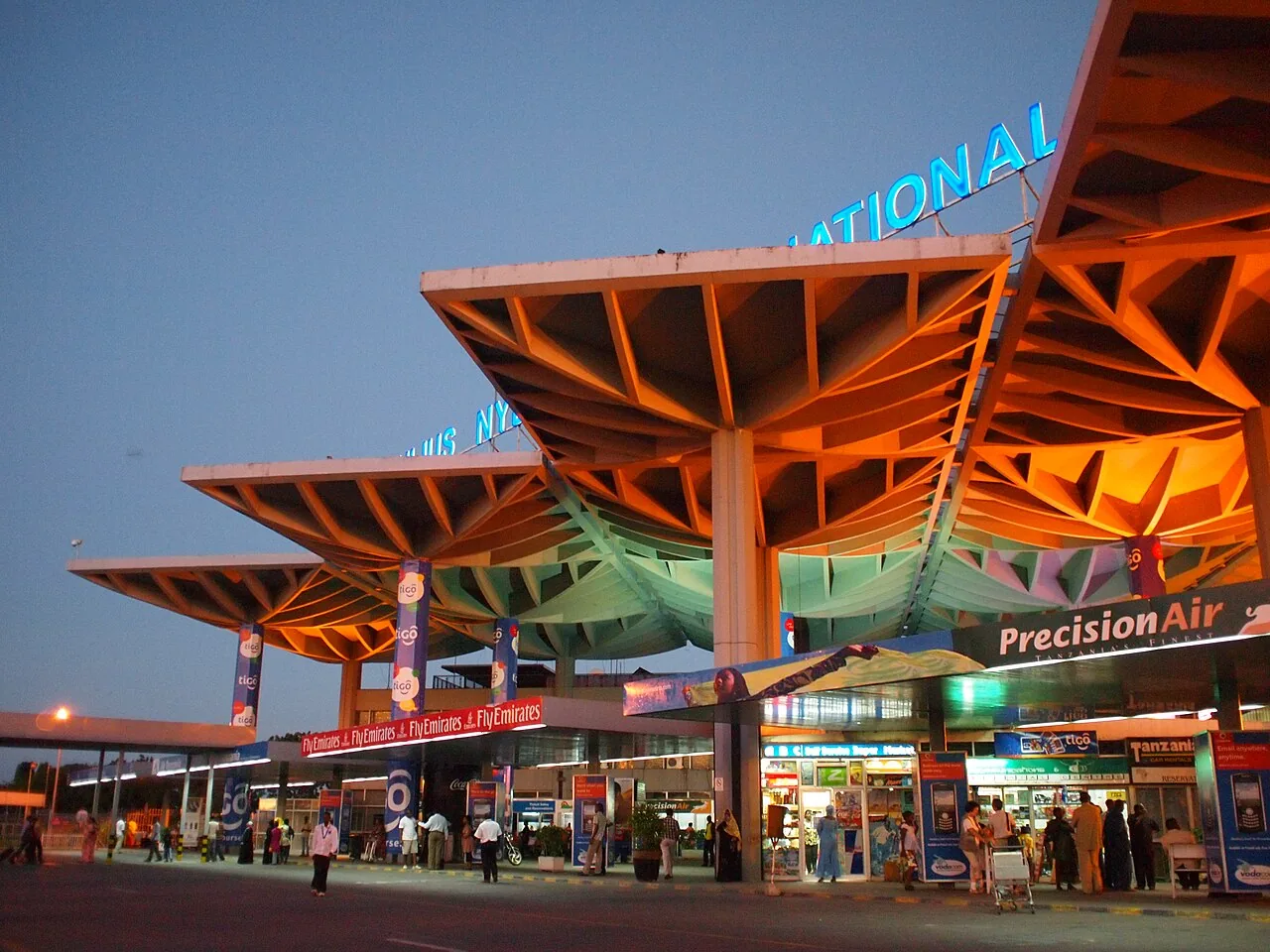
The airport has three terminals: Terminal 1 handles private, charter and small aircraft (plus a new VIP terminal added in January 2026); Terminal 2 serves domestic and regional flights with a 1.5-million-passenger capacity; and Terminal 3, opened in 2019, handles international traffic.
Source: Wikipedia