Hato International Airport
Facts on CUR
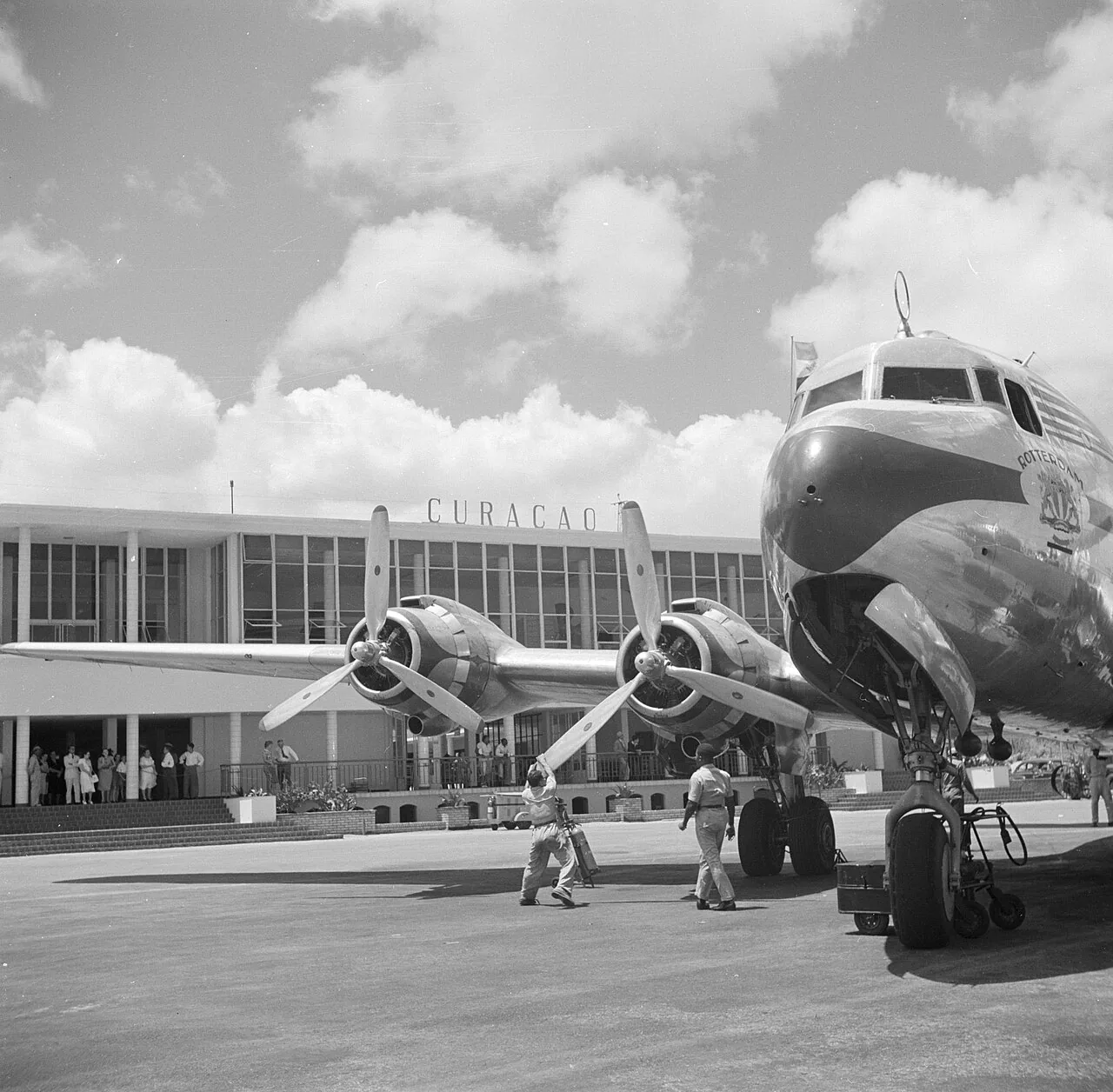
The colonial West Indische government built the airport's original runway on the Hato plantation in the 1930s. On December 22, 1934, the aircraft 'Snip' landed there after an eight-day journey from Amsterdam via Marseille, Alicante, Casablanca, Porto Praia and Paramaribo.
Source: Wikipedia
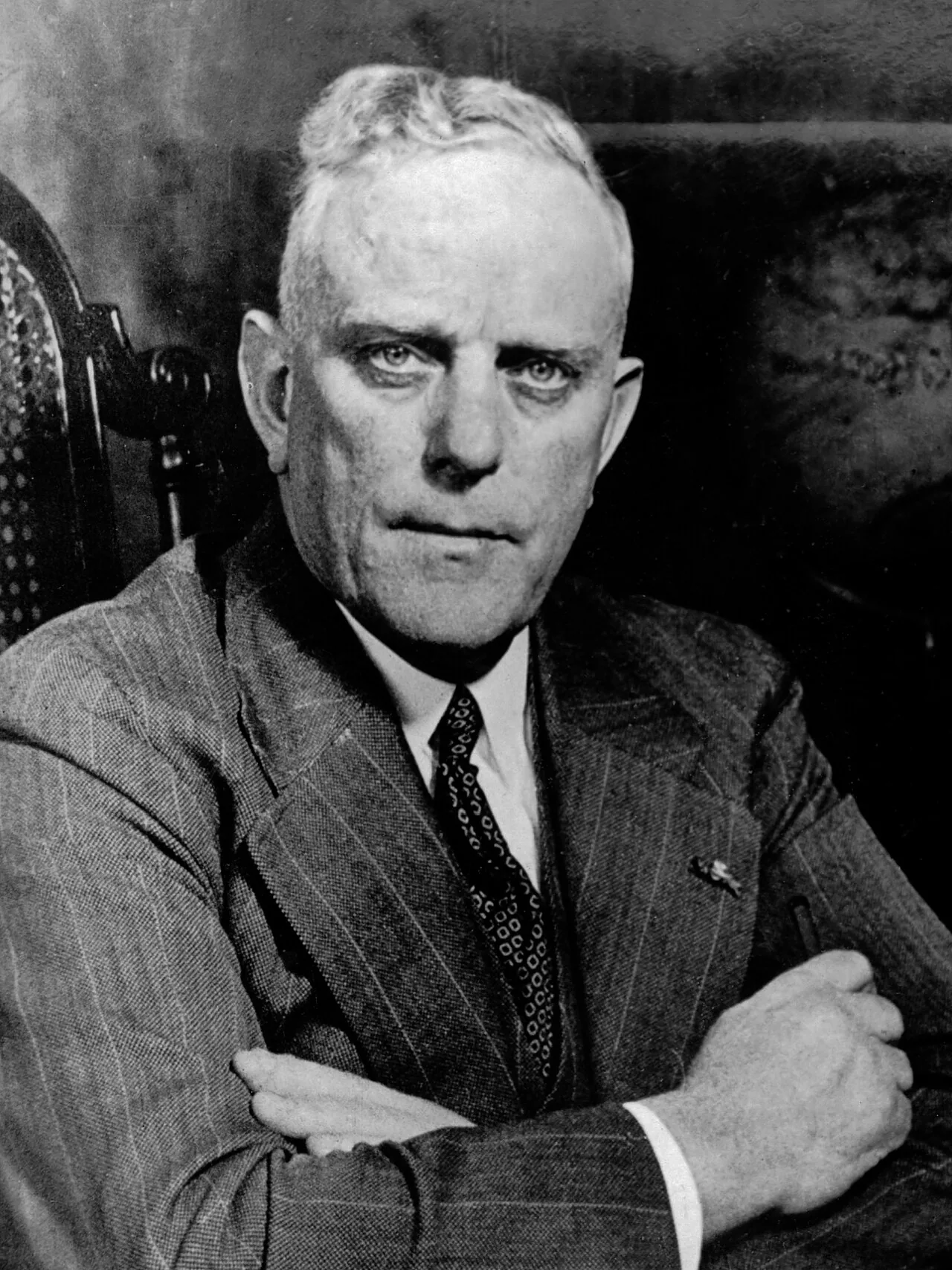
For half a century the airport bore the name of Albert Plesman (1889–1953), a Dutch aviation pioneer who became the first administrator, then longtime director, of KLM — the world's oldest airline still flying under its original name — leading the company for more than 35 years until his death.
Source: Wikipedia
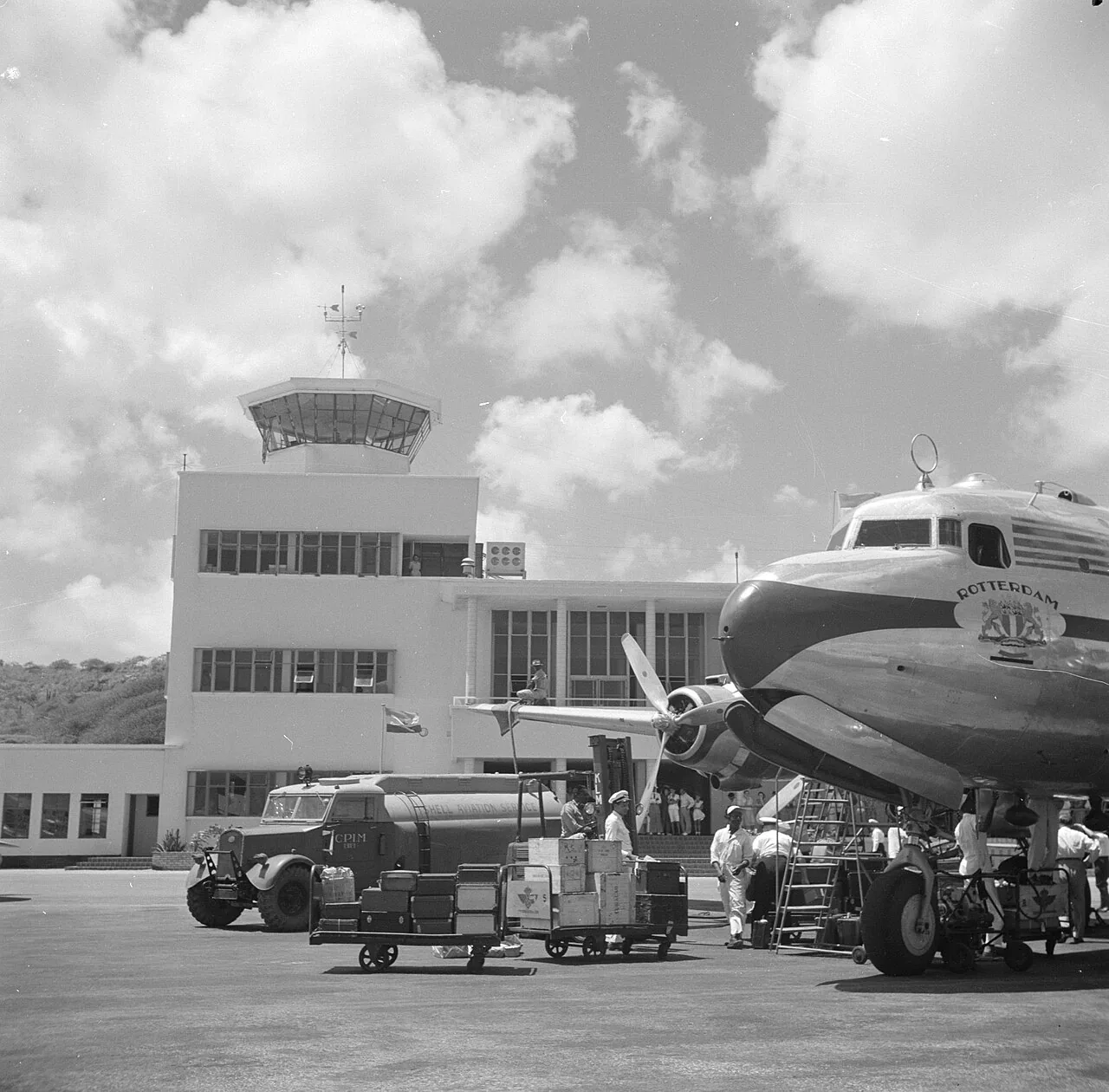
The airport began as plain 'Hato Airport,' named for the nearby Hato plantation. On January 5, 1954, days after Plesman's death, it was renamed Dr. Albert Plesman Airport in his honor; the official name has since reverted to Curaçao International Airport, though 'Hato' has stuck around as the everyday name.
Source: Wikipedia
During the Second World War, Hato was one of the busiest airfields in the Caribbean, hosting United States Army Air Forces squadrons — including A-20 Havocs and P-40 Warhawks — that flew anti-submarine patrols out of the base from 1942 to 1944.
Source: Wikipedia
After the runway was extended in the 1960s for the jet age, the first Boeing 747 to land at Hato — a KLM 'Jumbo' named Mississippi — touched down on November 6, 1971.
Source: Wikipedia
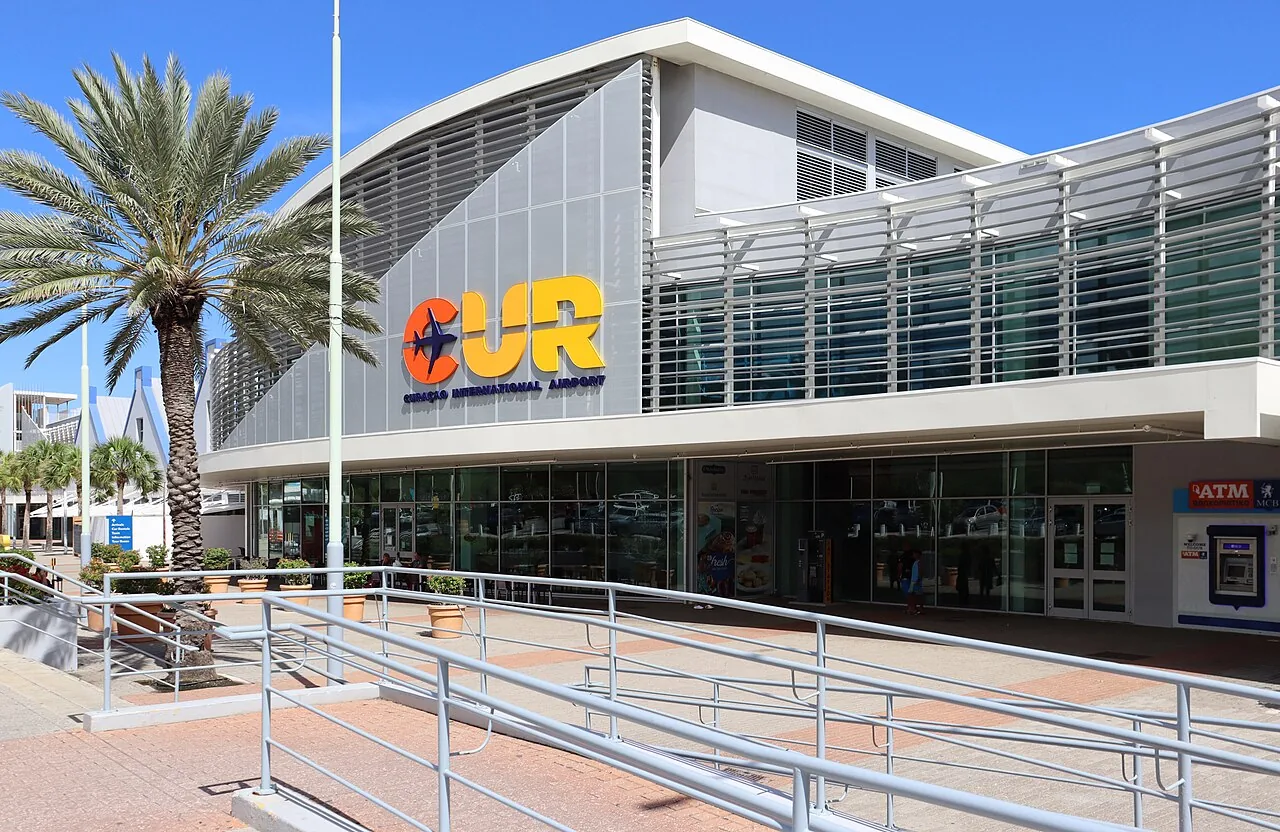
Hato has the third-longest commercial runway in the Caribbean, long enough to accommodate a Boeing 747, and today serves as the main base for regional carriers Divi Divi Air and Z AIR.
Source: Wikipedia
A 2010s renovation demolished the old terminal building for a new departure hall that is fully air-conditioned using a system cooled by seawater — an engineering choice suited to an airport a few miles from Willemstad's coast.
Source: Wikipedia
The airport's west side was a Royal Netherlands Navy airbase for 55 years, until 2007; it now hosts the Dutch Caribbean Coast Guard's patrol aircraft and helicopters alongside a U.S. Air Force Forward Operating Base that flew F-16s until 1999.
Source: Wikipedia