Cape Town International Airport
Facts on CPT
Cape Town's airport started life in 1954 as D.F. Malan Airport, named for a former prime minister, and only became the politically neutral 'Cape Town International Airport' after apartheid ended and the Airports Company South Africa took over in the early 1990s.
Source: Wikipedia
Cape Town International was named Africa's Best Airport at the Skytrax World Airport Awards for the 11th consecutive year in 2026, and it also topped the 2025 AirHelp Score ranking as the best airport in the world.
Source: Wikipedia
Cape Town's airport opened in 1954, a year after Johannesburg's Jan Smuts Airport, and was initially called Bellville Airport for the nearby town before local taxpayers petitioned to rename it after prime minister D.F. Malan.
Source: Wikipedia
The 1954 airport replaced Cape Town's original airfield, Wingfield Aerodrome, and remains today the only facility in the Cape Town metropolitan area offering scheduled passenger flights.
Source: Wikipedia
Proposals to rename the airport surfaced repeatedly after apartheid: in 2018 the transport minister floated renaming it for Nelson Mandela, and in 2019 a parliamentary motion sought Winnie Madikizela-Mandela's name instead, but only South Africa's Geographical Names Council can enact such a change, and neither proposal advanced.
Source: Wikipedia
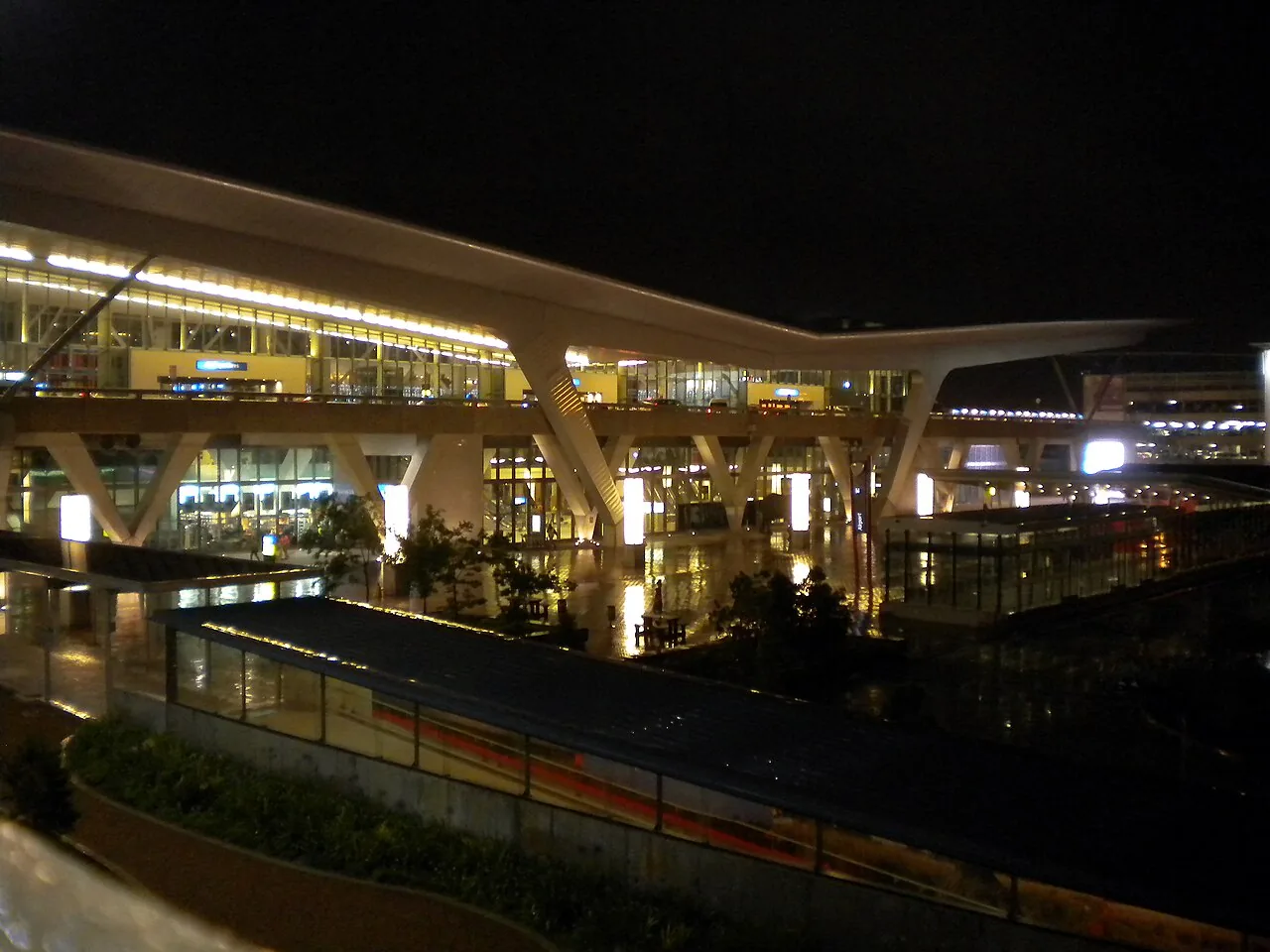
Ahead of the 2010 FIFA World Cup, a R1.6 billion Central Terminal Building was constructed to link the airport's previously separate domestic and international terminals under one shared check-in area; its departures level opened in November 2009.
Source: Wikipedia
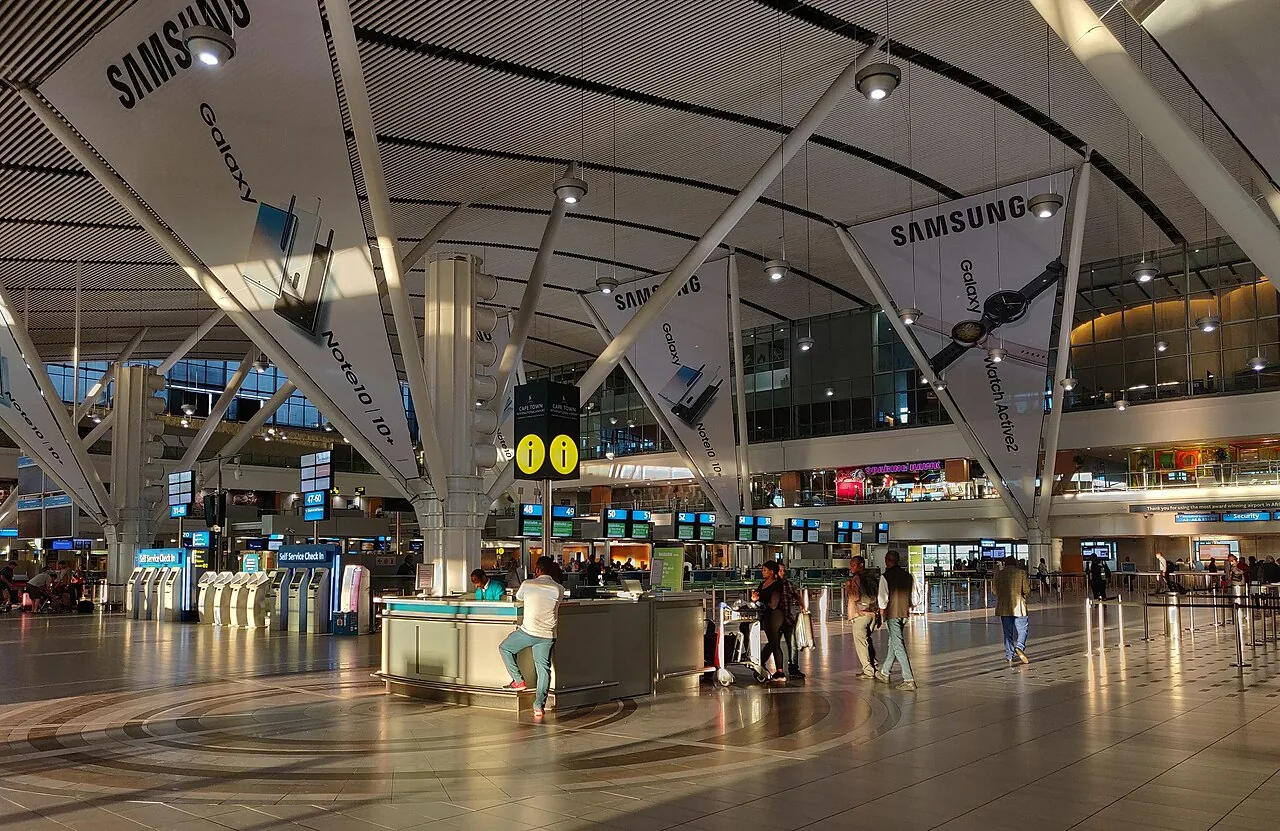
The Central Terminal Building's automated baggage system can process 30,000 bags an hour, backed by 120 check-in desks and 20 self-service kiosks.
Source: Wikipedia
Despite a 2013 proposal by the Passenger Rail Agency of South Africa for a 4-kilometre link to the suburban rail network, Cape Town International still has no direct rail access; travellers rely on taxis, ride-hailing and shuttle companies.
Source: Wikipedia