Copenhagen Kastrup Airport
Facts on CPH
Copenhagen Airport opened on 20 April 1925 as one of the world's first airports built exclusively for civilian air traffic, rather than converted from a military field.
Source: Wikipedia
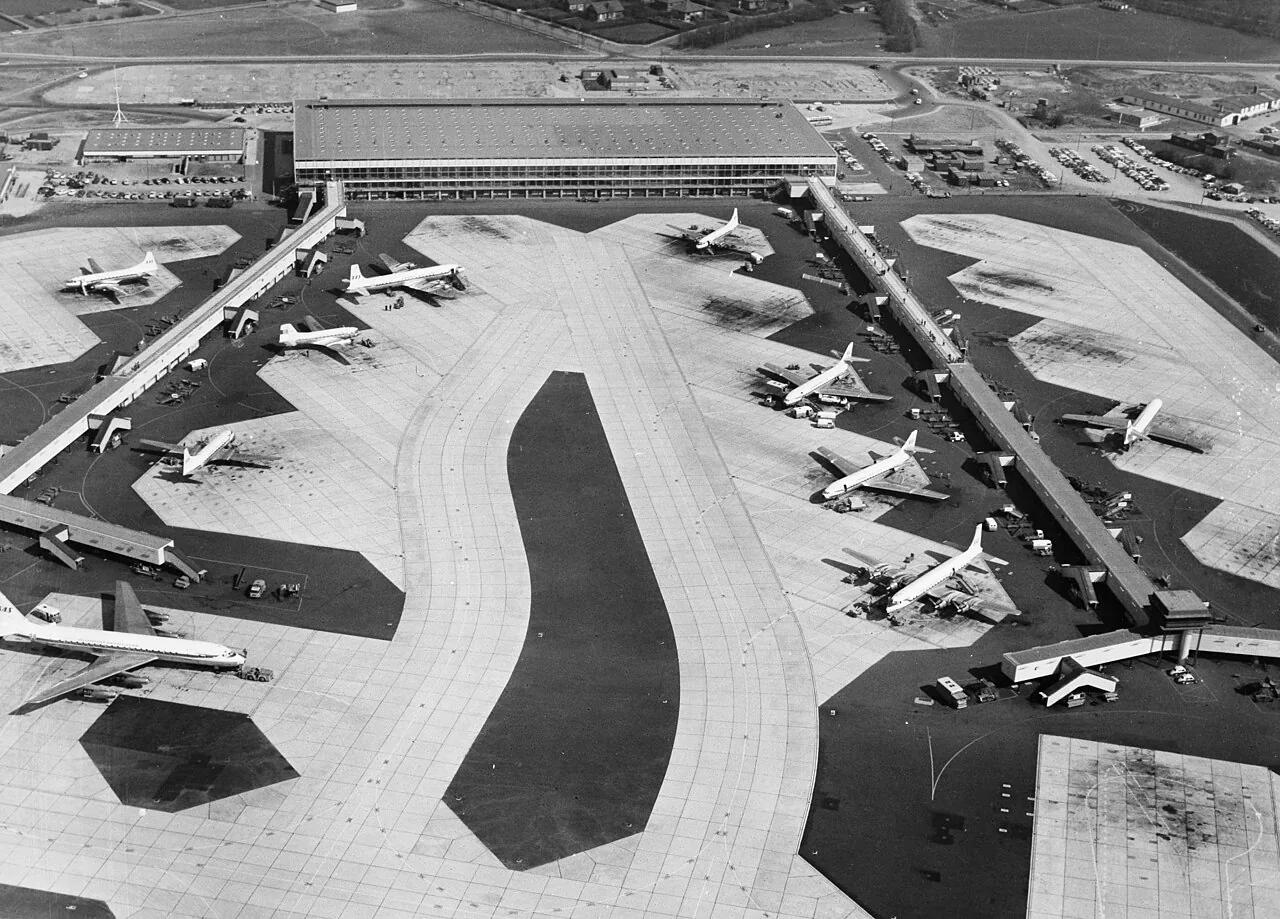
Kastrup, the name Danes usually give the airport, is a suburb on the east coast of the island of Amager in Tårnby Municipality. The airport was originally called Kastrup Airport after that small town, and the buildings still stand mostly within Tårnby.
Source: Wikipedia
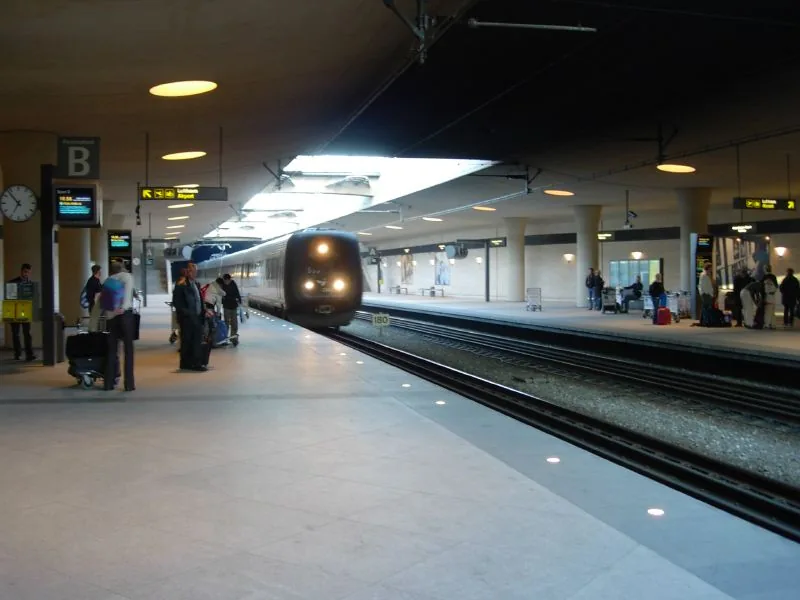
The formal name is still "Copenhagen Airport, Kastrup" — the suffix survives to distinguish it from Roskilde Airport, which the same company also runs. In Danish it is commonly just Kastrup Lufthavn.
Source: Wikipedia
In its early decades, Copenhagen Airport kept its grass runways trimmed the old-fashioned way: sheep grazed the field and were shepherded out of the way before each takeoff and landing.
Source: Wikipedia
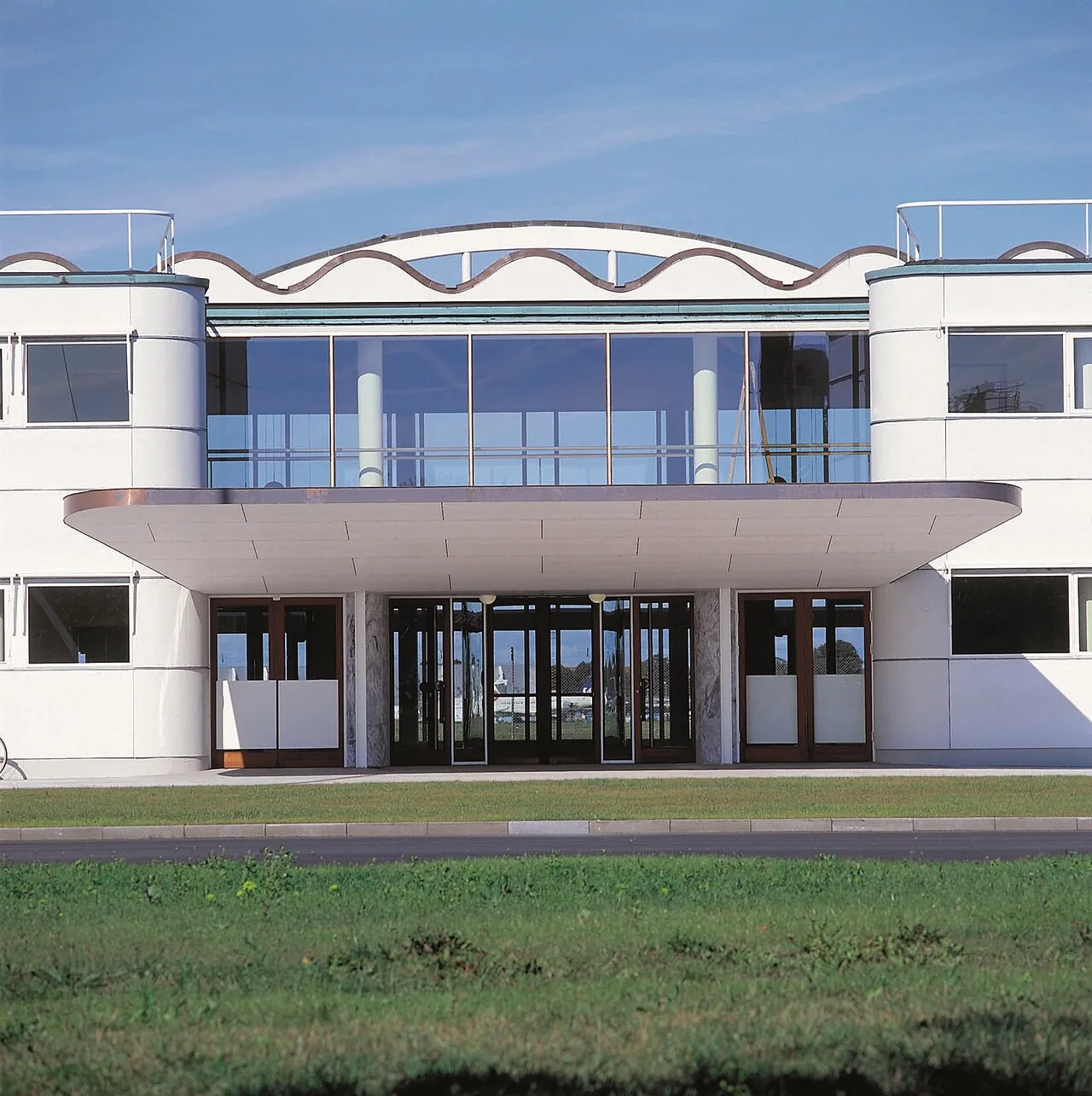
Between 1936 and 1939 Copenhagen built a new terminal by architect Vilhelm Lauritzen that is considered one of the finest examples of Nordic functionalism. Lauritzen was a pioneer not only in construction but in thinking about service and passenger comfort.
Source: Wikipedia

The airport's first terminal building was never demolished. During the 1990s it was physically moved about two kilometres across the site, and it now serves as the VIP terminal at Copenhagen Airport South.
Source: Wikipedia
Although the terminals are only 8 km from the centre of Copenhagen, almost nothing flies over the city: the parallel runways 04L/22R and 04R/22L are aimed at the Øresund strait, so approaches and departures are over water in both directions.
Source: Wikipedia
Copenhagen sits just 5 metres (17 ft) above sea level and has three runways: 3,600 m, 3,300 m and a cross runway of 2,800 m. Runway 22L carries a CAT IIIC instrument landing system, which lets suitably equipped aircraft land in zero visibility.
Source: Wikipedia
The airport's first hard-surface runway opened in the summer of 1941, 1,400 metres long and an unusually wide 65 metres. Because Copenhagen came through the war untouched by fighting, in May 1945 it was left with the most modern international airport in Europe.
Source: Wikipedia
Scandinavian Airlines was founded on 1 August 1947 with Copenhagen as its main hub. Traffic grew so fast that by 1948 the airport was the third largest in Europe, with 150 departures a day and almost 300,000 passengers that year.
Source: Wikipedia
From 1984 SAS ran a sea link across the Øresund to a check-in terminal in Malmö, first by hovercraft and from 1994 by catamaran. The service closed in 2000 when the Øresund Bridge opened, putting Malmö 24 km from the airport by road and rail.
Source: Wikipedia
In 2025 Copenhagen handled a record 32,433,694 passengers and 256,737 aircraft movements. Only about 1.3 million of those passengers were domestic — the airport is overwhelmingly an international gateway for Denmark and southern Sweden.
Source: Wikipedia