Paris Charles de Gaulle Airport
Facts on CDG
The airport's IATA code CDG comes from the initials of Charles de Gaulle himself; the site sits in the town of Roissy-en-France and was actually planned under the working name 'Aéroport de Paris Nord' before being renamed in honor of the president after his death in 1970.
Source: Wikipedia
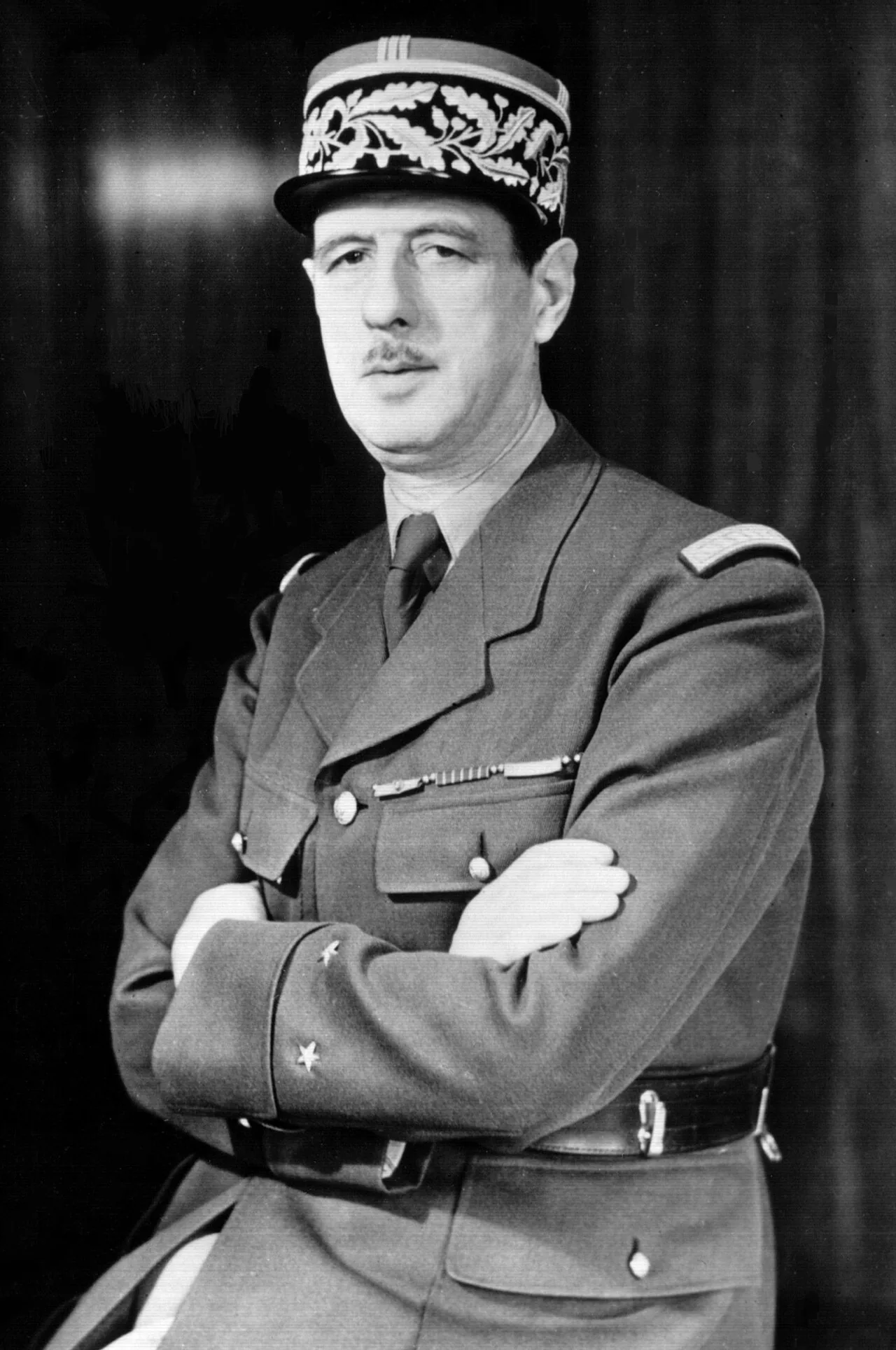
The airport is named for Charles de Gaulle, a French general who refused to accept the 1940 armistice with Germany, fled to England and broadcast his Appeal of 18 June urging the French to keep fighting. He led the Free French Forces and headed the provisional government that ran France after its liberation in 1944.
Source: Wikipedia
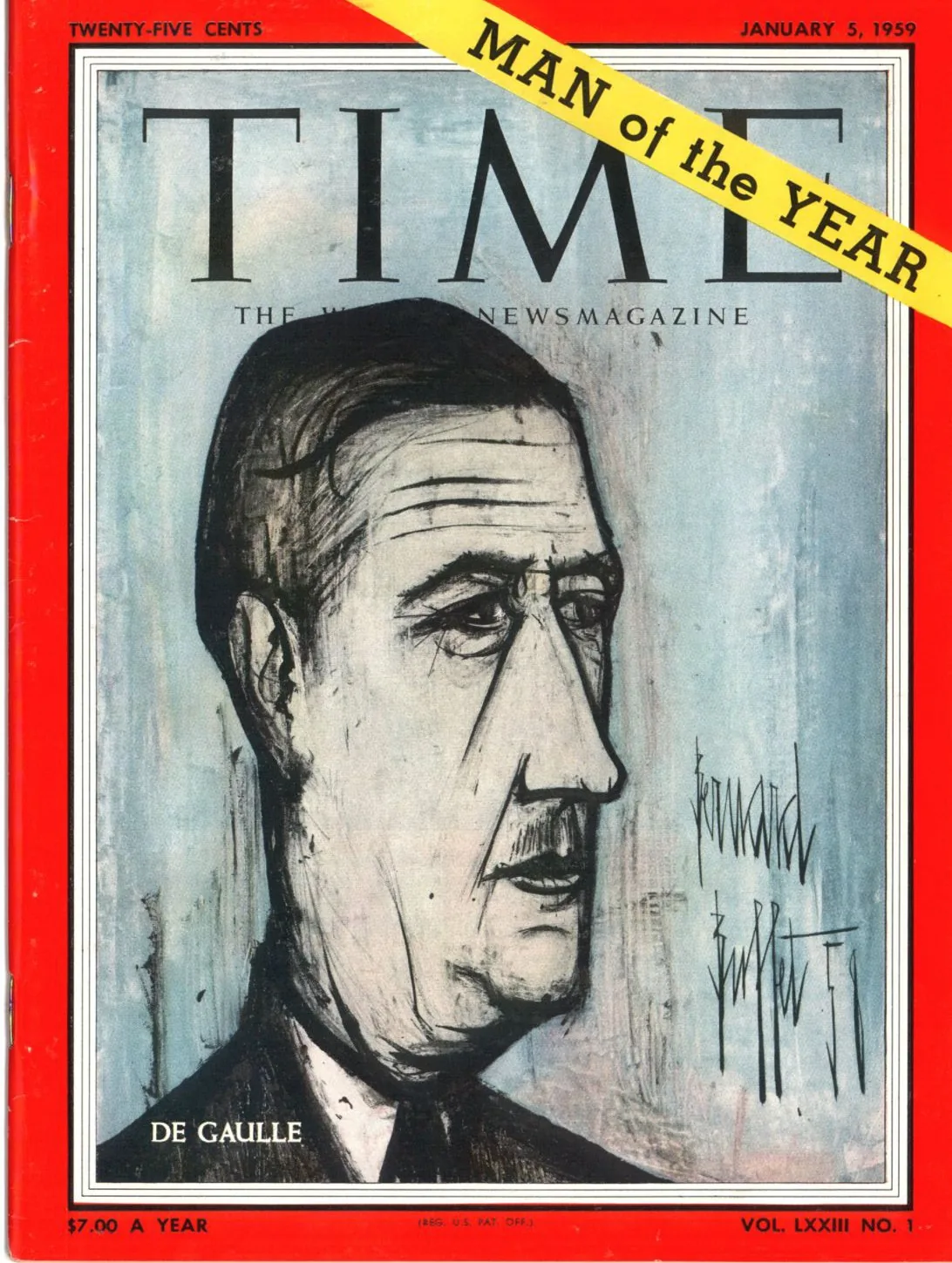
The airport's namesake was born in Lille in 1890; de Gaulle was wounded several times in World War I and taken prisoner by Germany. He returned to power in 1958, wrote the constitution of the Fifth Republic, served as president until 1969 and died on 9 November 1970 at the age of 79.
Source: Wikipedia
CDG's original Terminal 1, designed by architect Paul Andreu, is a striking ten-story circular building ringed by seven satellite gate buildings, with apertures cut into the concrete to let sunlight pour into the structure.
Source: Wikipedia
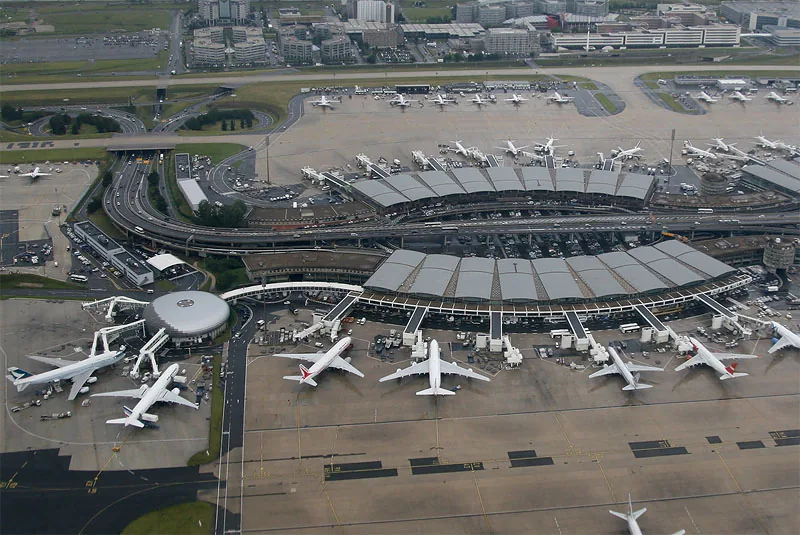
The airport sprawls over 32.38 square kilometres and is so large that it spills across three French départements and six separate communes; Terminal 1 sits in Mauregard, Terminal 2G in Mitry-Mory and Terminal 2E in Le Mesnil-Amelot.
Source: Wikipedia
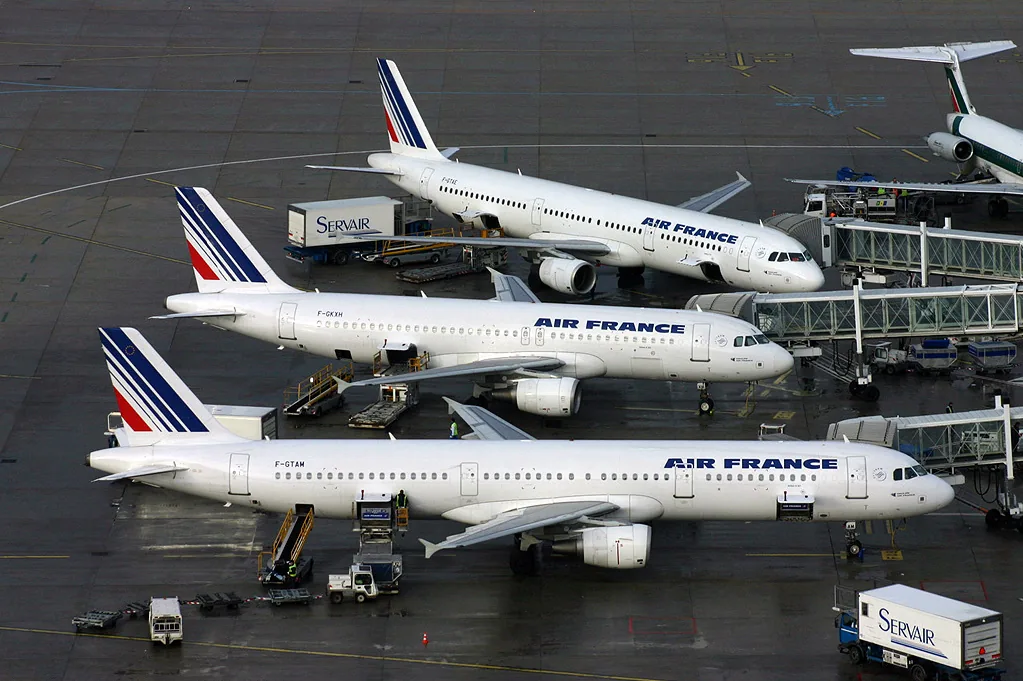
In 2024 Charles de Gaulle handled 70,290,260 passengers and 466,543 aircraft movements, making it the busiest airport in the European Union. It also moved 1,914,681 tonnes of cargo, second in Europe only to Frankfurt.
Source: Wikipedia
CDG has four parallel runways, arranged in two widely spaced pairs. The longest, 09R/27L, runs 4,200 metres (13,780 ft) and its neighbour 08L/26R is 4,142 metres, while the two inner runways are each 2,700 metres.
Source: Wikipedia
The typeface on the airport's signs was commissioned specially for it and installed in 1975 under the name Roissy. It was later renamed Frutiger after its designer, Adrian Frutiger, and went on to become one of the most widely used sans-serifs in the world.
Source: Wikipedia
Iranian refugee Mehran Karimi Nasseri lived in the departure lounge of Terminal 1 from 26 August 1988 until July 2006, stranded at first without papers and later refusing the residency France and Belgium offered him. His story inspired Spielberg's 2004 film The Terminal.
Source: Wikipedia
On 23 May 2004, a year after it opened, part of Terminal 2E collapsed near Gate E50, killing four people. Investigators found no single fault but a concrete vaulted roof pierced by metal pillars and a design with very little margin for safety; the section was rebuilt in steel and glass.
Source: Wikipedia
Until 2005 every announcement in Terminal 1 opened with a distinctive chime known as the Indicatif Roissy, composed by Bernard Parmegiani in 1971. It can be heard in Roman Polanski's film Frantic before it was retired for a new Groupe ADP chime.
Source: Wikipedia
Two free automated shuttle railways move people around the site: CDGVAL links Terminals 1, 3 and 2 with the car parks and rail stations, while LISA connects Terminal 2E to its two remote satellites. Terminal 2 also has its own TGV station on the high-speed network.
Source: Wikipedia