Maiquetía Simón Bolívar International Airport
Facts on CCS
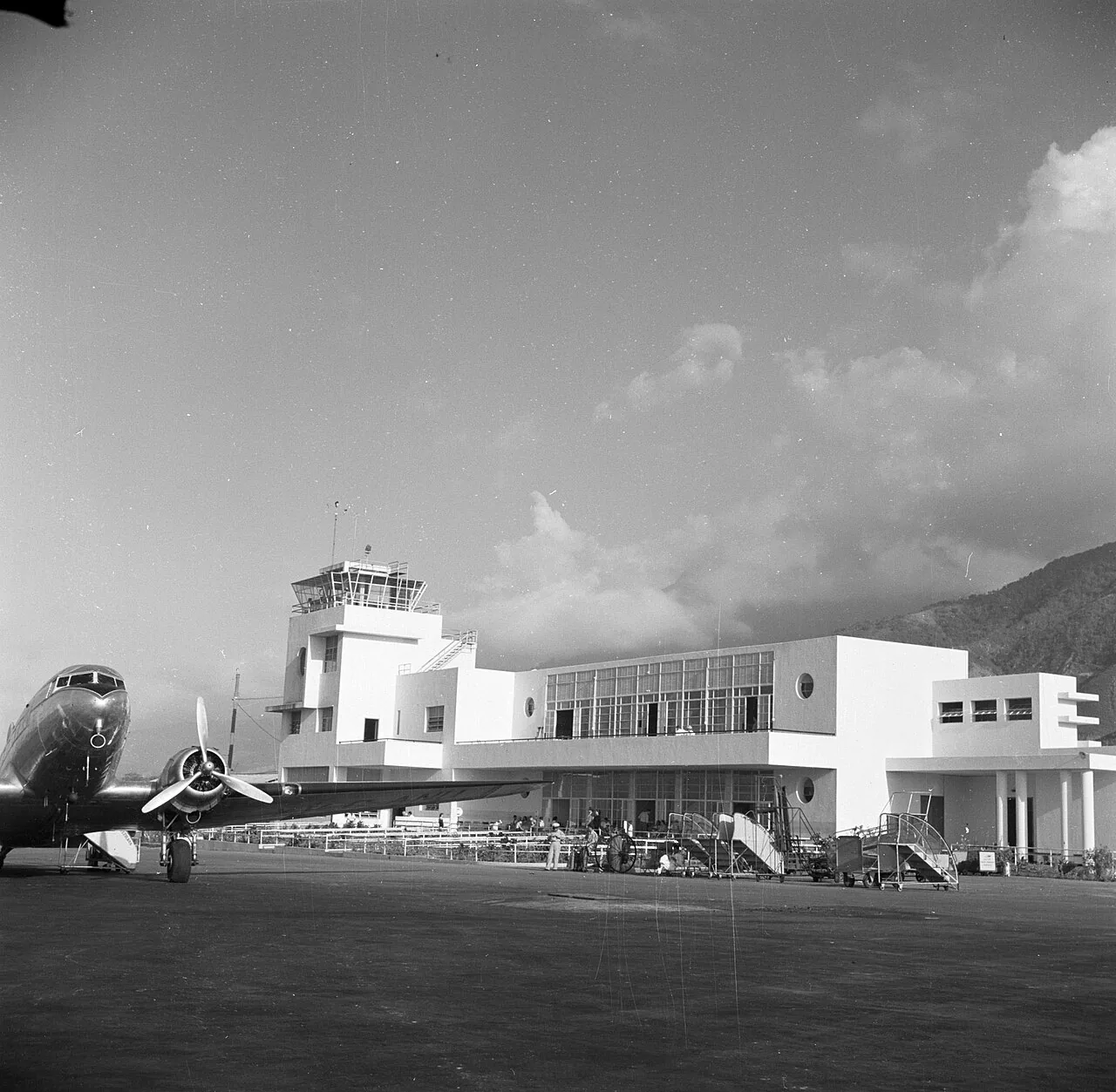
The airport's site was recommended in 1928 by aviator Charles Lindbergh, who scouted locations in Venezuela for Pan Am; construction was later subsidized by the United States as part of its wartime Airport Development Program.
Source: Wikipedia
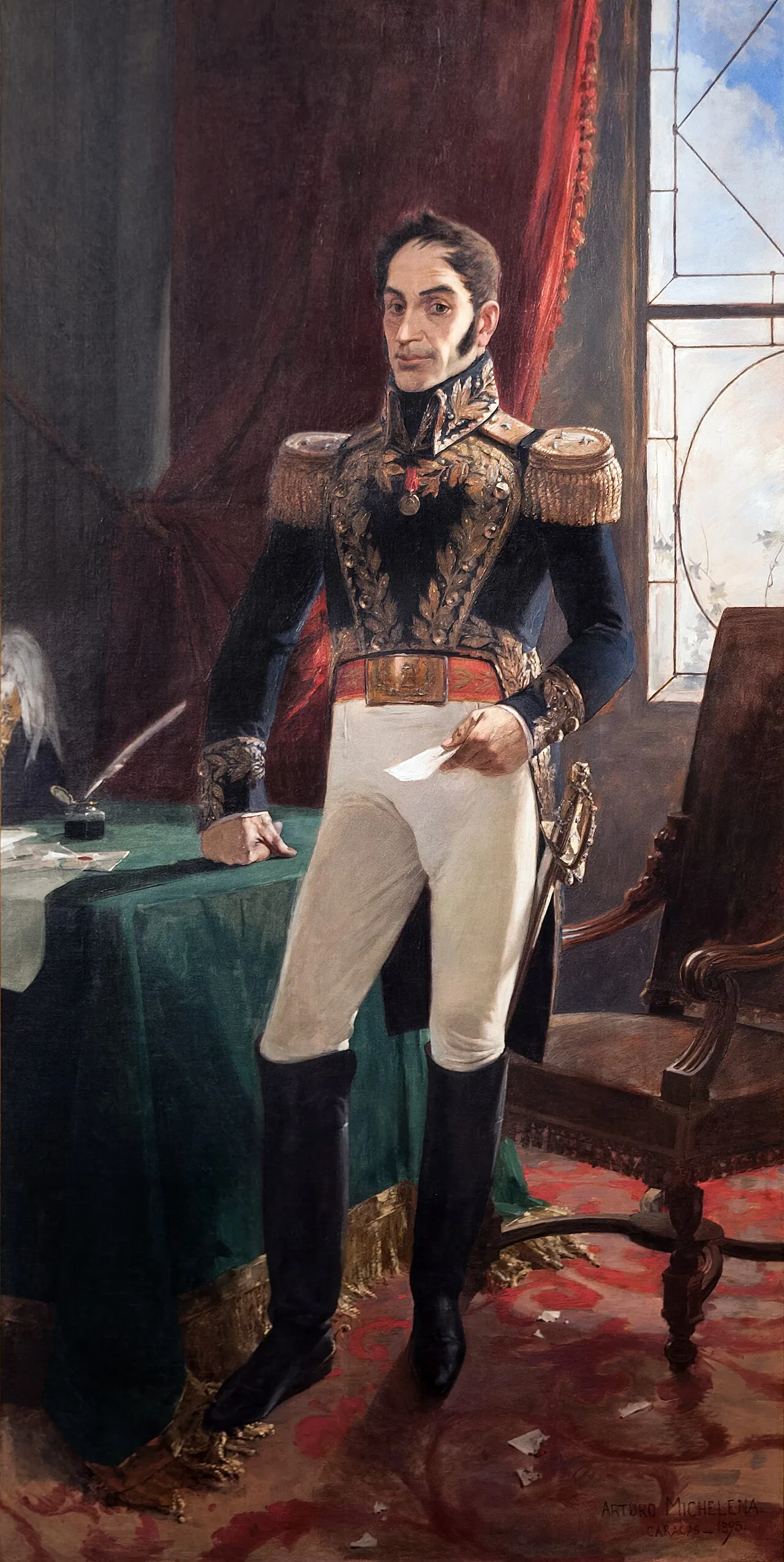
Simón Bolívar led the wars of independence that freed what are now Venezuela, Colombia, Ecuador, Panama, Peru and Bolivia from Spain, earning the title 'El Libertador.' Born in Caracas in 1783, he died of tuberculosis in 1830; Bolivia was named for him.
Source: Wikipedia
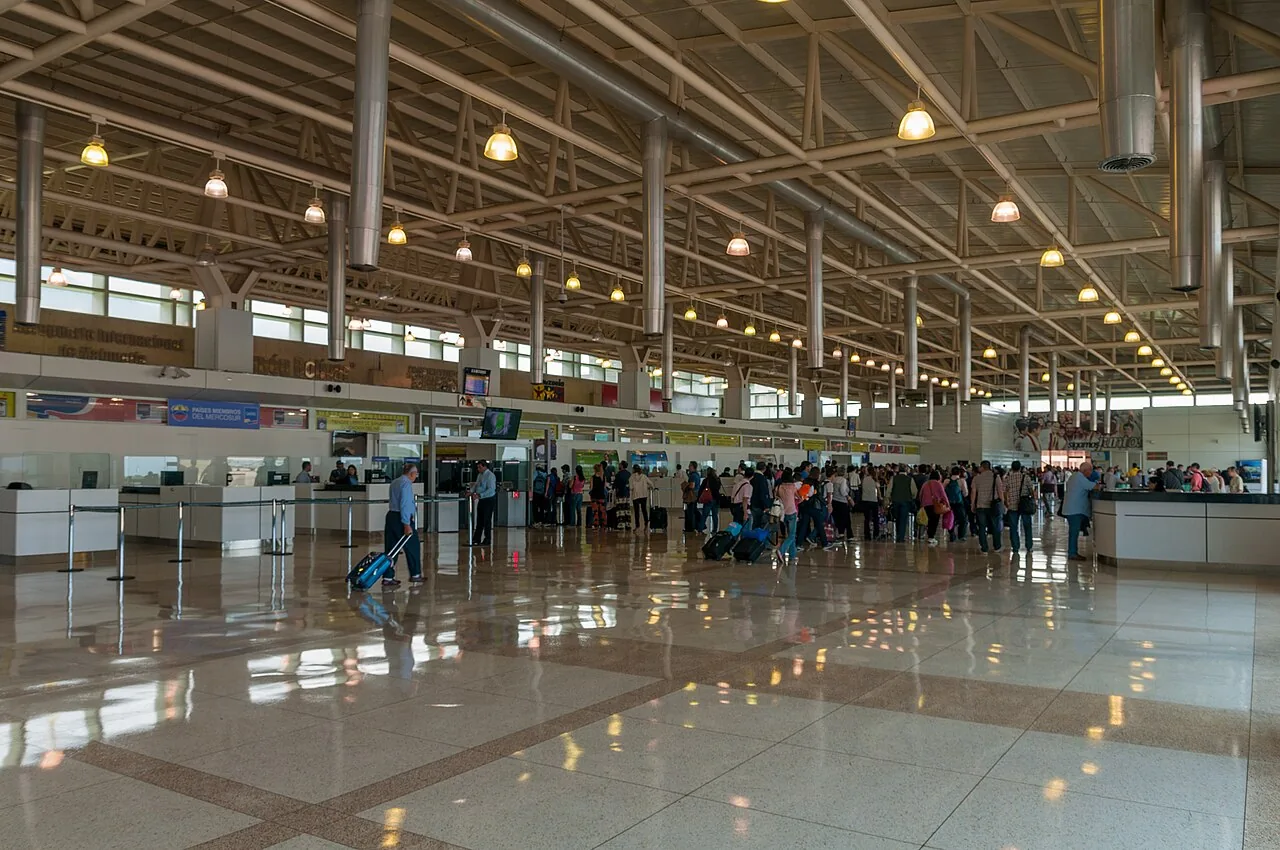
Caracas's airport, opened on 1 January 1945 by President Isaías Medina Angarita, was formally christened the Aeropuerto Internacional de Maiquetía 'Simón Bolívar' from the start, one of dozens of Venezuelan streets, plazas, states and institutions carrying the Liberator's name.
Source: Wikipedia (Spanish)
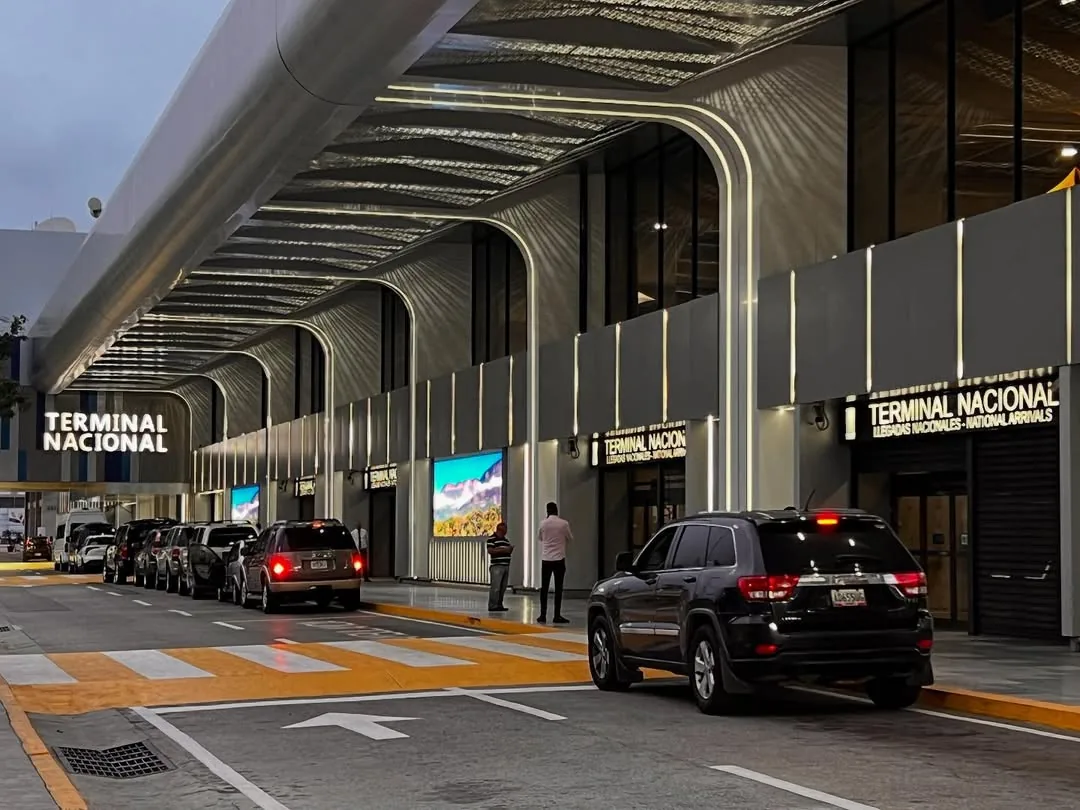
The original passenger terminal was designed by architect Luis Malaussena, who also created Caracas's ceremonial Paseo Los Próceres avenue and buildings for the Bolivarian Military Academy.
Source: Wikipedia (Spanish)
From the late 1970s into the 1980s, Air France flew Concorde between Caracas and Paris with a refueling stop in the Azores, making Maiquetía one of the few airports in the world to host the supersonic airliner on a scheduled route.
Source: Wikipedia
Maiquetía was the home hub of Viasa, Venezuela's flag carrier, which connected Caracas to more than 67 international destinations before going bankrupt in January 1997.
Source: Wikipedia (Spanish)
The airport's runway was lengthened repeatedly in its early decades, reaching 3,000 metres (9,800 feet) long by 60 metres (200 feet) wide by 1962, with lighting added for night operations along the way.
Source: Wikipedia
The terminal has doubled as a movie set, appearing in the 1975 French film Le Sauvage, starring Catherine Deneuve and Yves Montand, and in the 1981 film Menudo: La Película.
Source: Wikipedia