Guangzhou Baiyun International Airport
Facts on CAN
CAN comes from Canton, the historical romanisation of Guangzhou. The letters were handed down from the old Baiyun Airport that this one replaced in 2004, so the code has outlived both the airport that earned it and the spelling of the city.
Source: Wikipedia
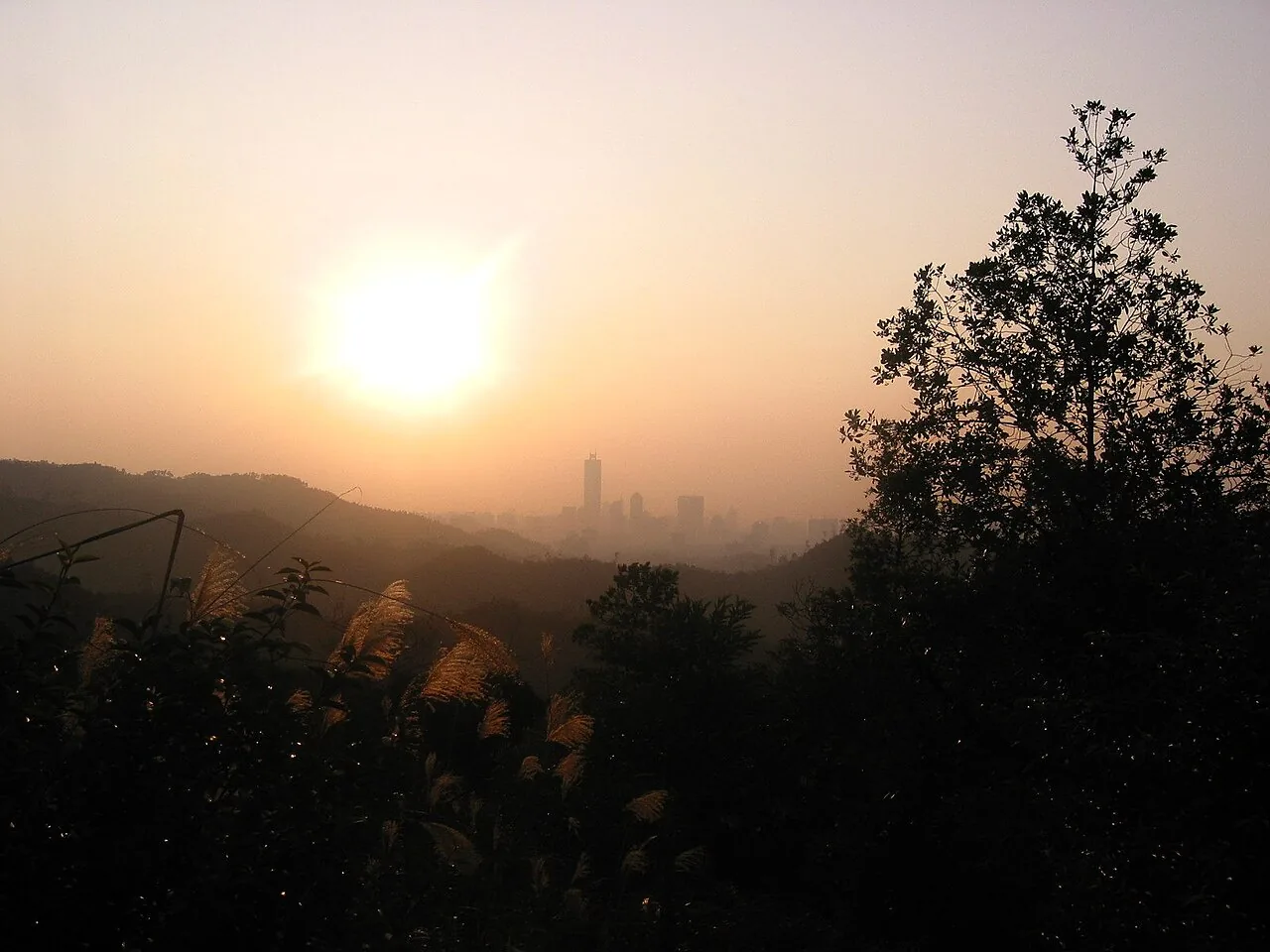
Baiyun, the middle word of the airport's name, means "white cloud" in Mandarin. It is the name of a mountain range just north of Guangzhou, 427 metres at its highest, so called because the peaks are often wrapped in mist in late spring or after rain.
Source: Wikipedia
The airport inherited its name and its codes from the old Baiyun Airport, which sat near the mountain. The current field, opened in 2004, is 28 km north of downtown Guangzhou, so the mountain it is named for is now much closer to the city than to the airport.
Source: Wikipedia
The first Baiyun airport began construction in 1932 and opened in November 1933, one of the earliest civil airports in China. By 2002 it was pushing 16 million passengers a year, ringed by high-rises with nowhere left to grow.
Source: Wikipedia
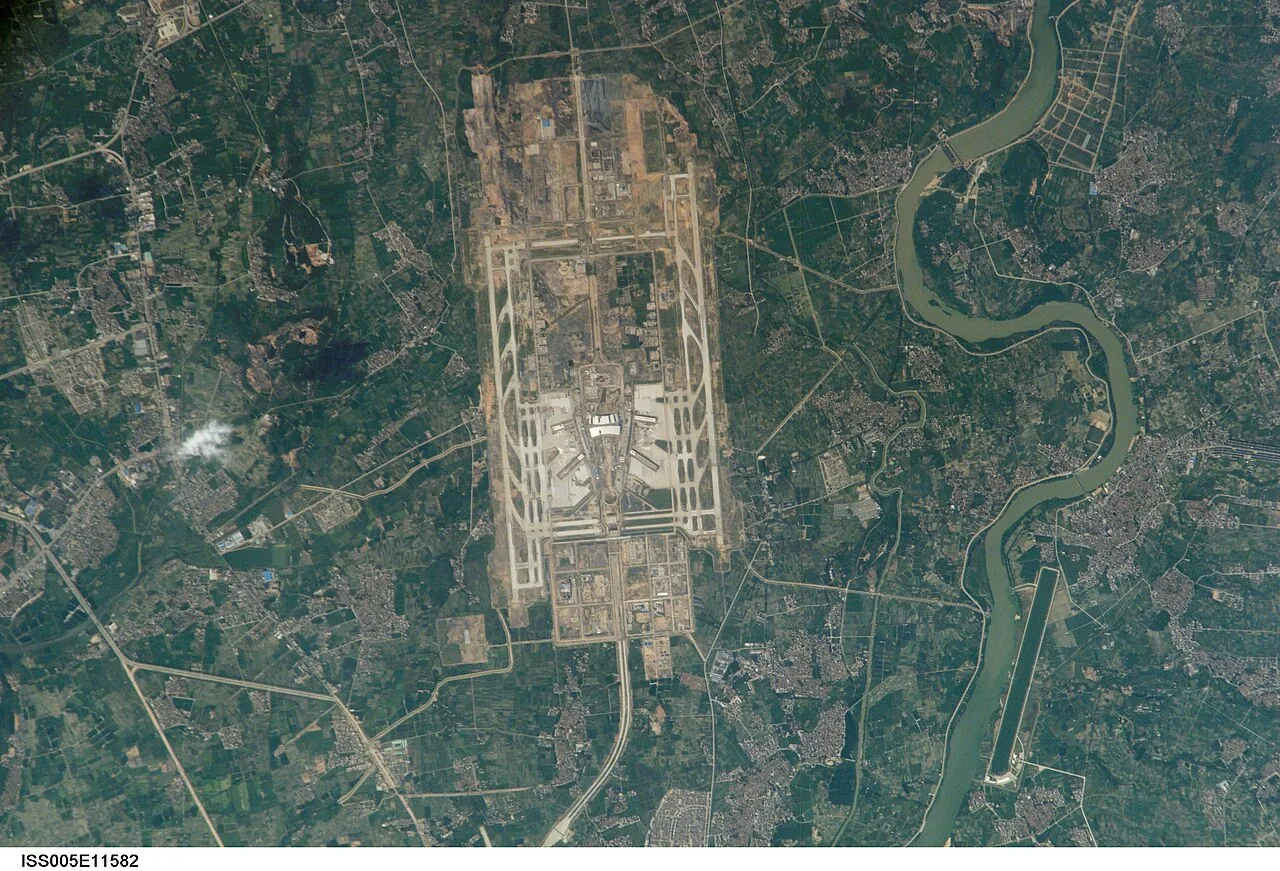
The replacement opened on 5 August 2004, built for 19.8 billion yuan on a site nearly five times larger than its predecessor. The old curfews did not carry over, so China Southern could finally run intercontinental flights through the night.
Source: Wikipedia
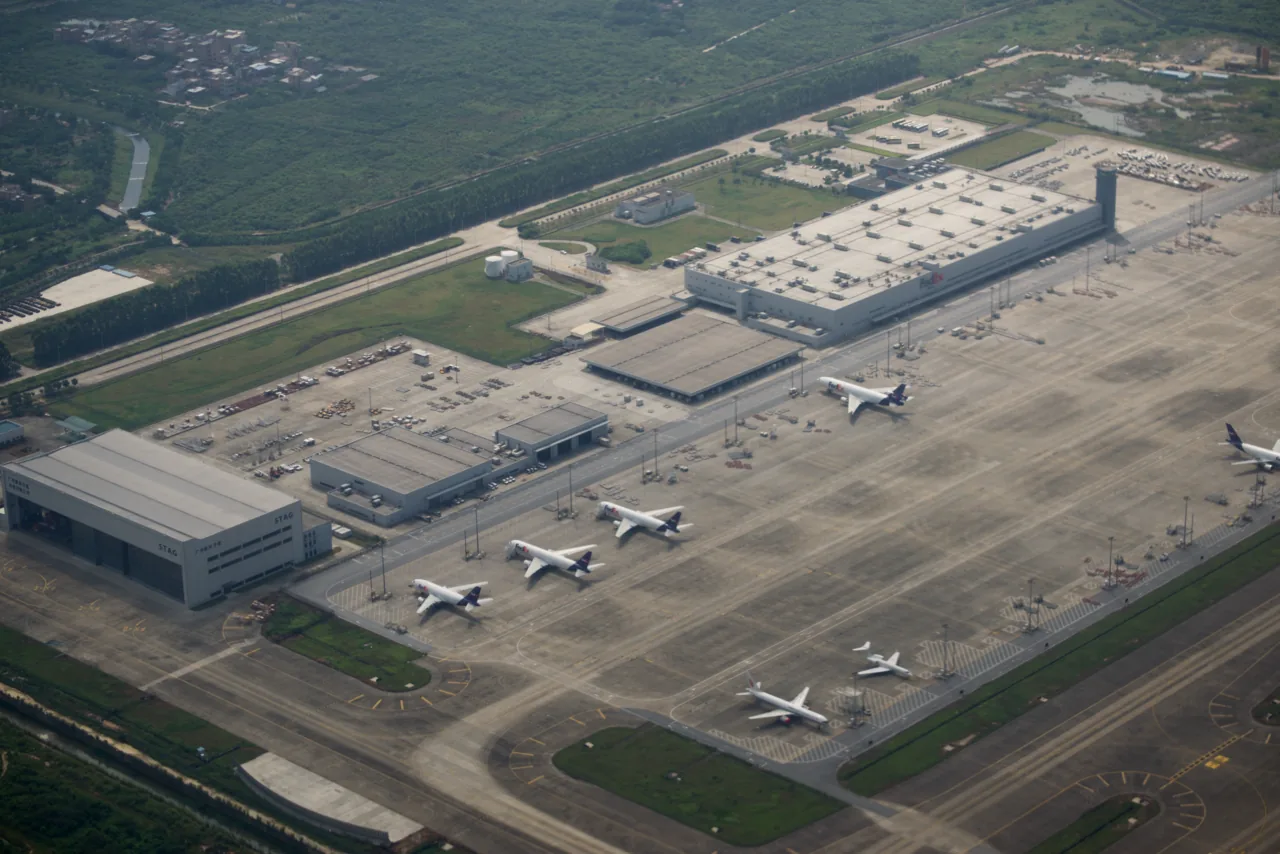
FedEx moved its Asia-Pacific hub here from Subic Bay in the Philippines in February 2009. The 63-hectare facility has its own ramp control tower, a first for an air express company in China, and sorting lines rated at 24,000 packages an hour.
Source: Wikipedia
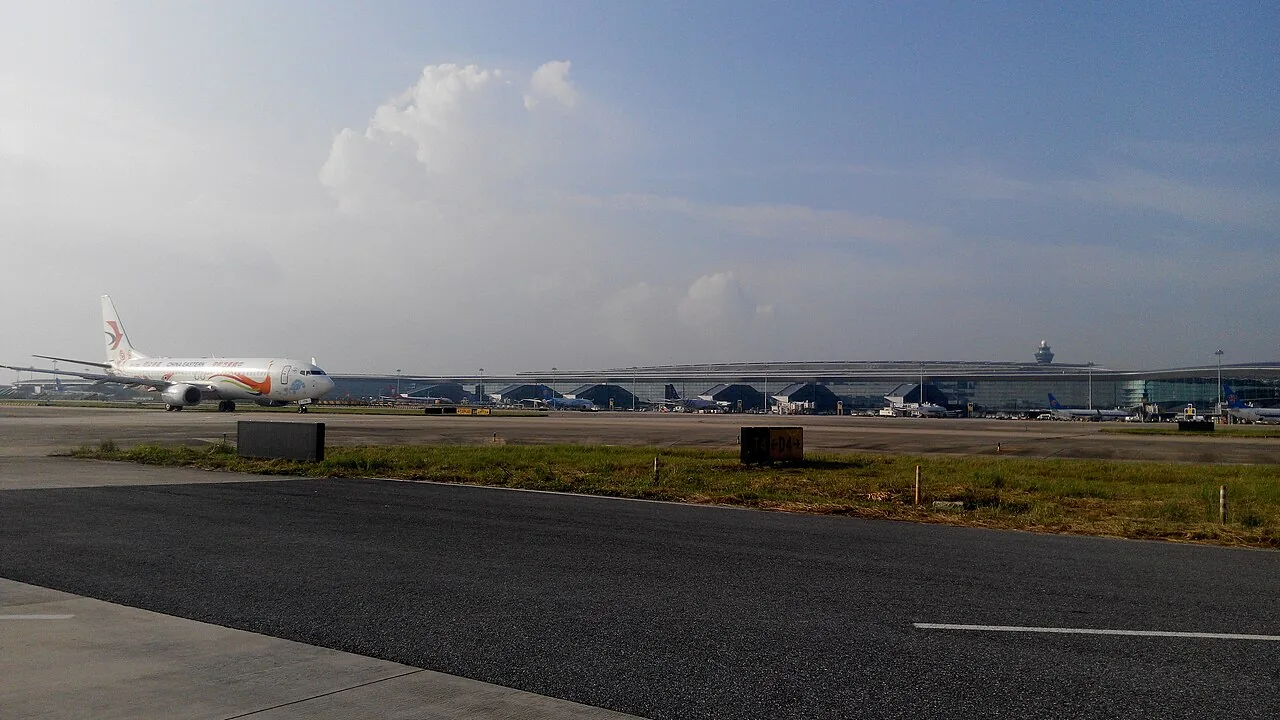
The third runway, opened on 5 February 2015, can only be used for landings: its departure airspace clashes with nearby Foshan Shadi Airport. A fifth runway opened on 30 October 2025, making Baiyun the second Chinese airport after Shanghai Pudong to run five.
Source: Wikipedia
Terminal 3 opened on 30 October 2025 with more than 422,000 square metres of floor space and a "flower" design theme. It was the first Chinese terminal built to keep paper-free archives, and it carries the country's first open-air airport observation deck.
Source: Wikipedia
In 2020, when long-haul traffic collapsed elsewhere, Baiyun's largely domestic network made it temporarily the world's busiest airport by passenger traffic, with 43.8 million people. In 2023 it handled 63.1 million, twelfth in the world and first in China.
Source: Wikipedia