Cairo International Airport
Facts on CAI
Cairo International Airport, inaugurated by President Gamal Abdel Nasser on 18 March 1963, replaced the older Heliopolis (Almaza) Airport, whose site had earlier served as an Allied air base called John Payne Field during World War II.
Source: Wikipedia
Unlike many capital-city airports whose codes trace back to old military or place names, CAI is simply the first three letters of 'Cairo' -- straightforward in English even though the city's Arabic name, Al-Qahirah, is quite different.
Source: Wikipedia
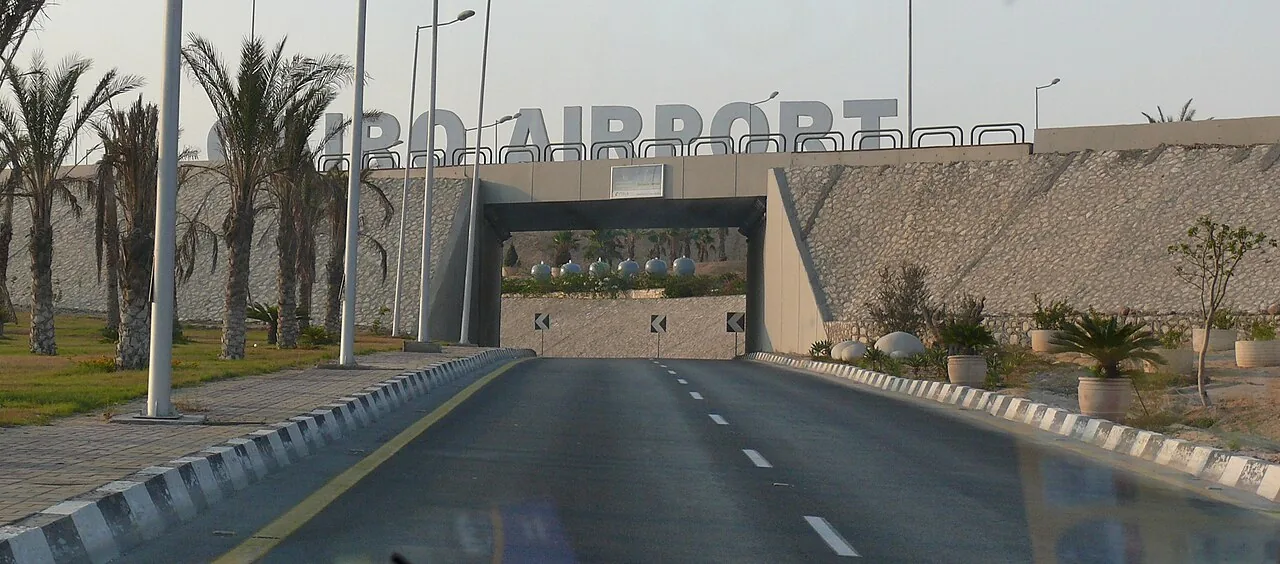
Cairo International Airport sits in Heliopolis, about 15 kilometres northeast of the city's business district, and covers roughly 37 square kilometres (14 square miles) -- making it Africa's busiest airport and the ninth-busiest in the Middle East by total passengers.
Source: Wikipedia
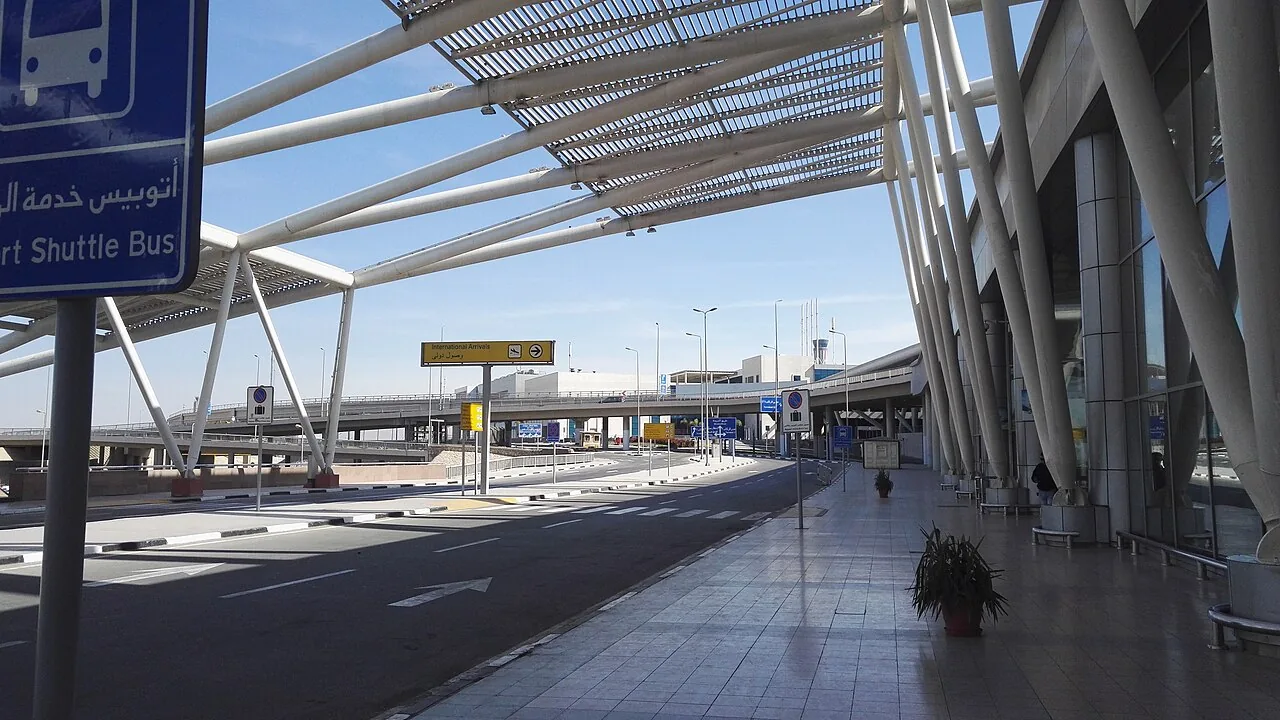
Terminal 3, inaugurated on 18 December 2008 and opened for commercial service in April 2009, is the airport's largest terminal and can handle wide-body aircraft including the Airbus A380; it became EgyptAir's primary hub under Star Alliance's 'Move Under One Roof' strategy.
Source: Wikipedia
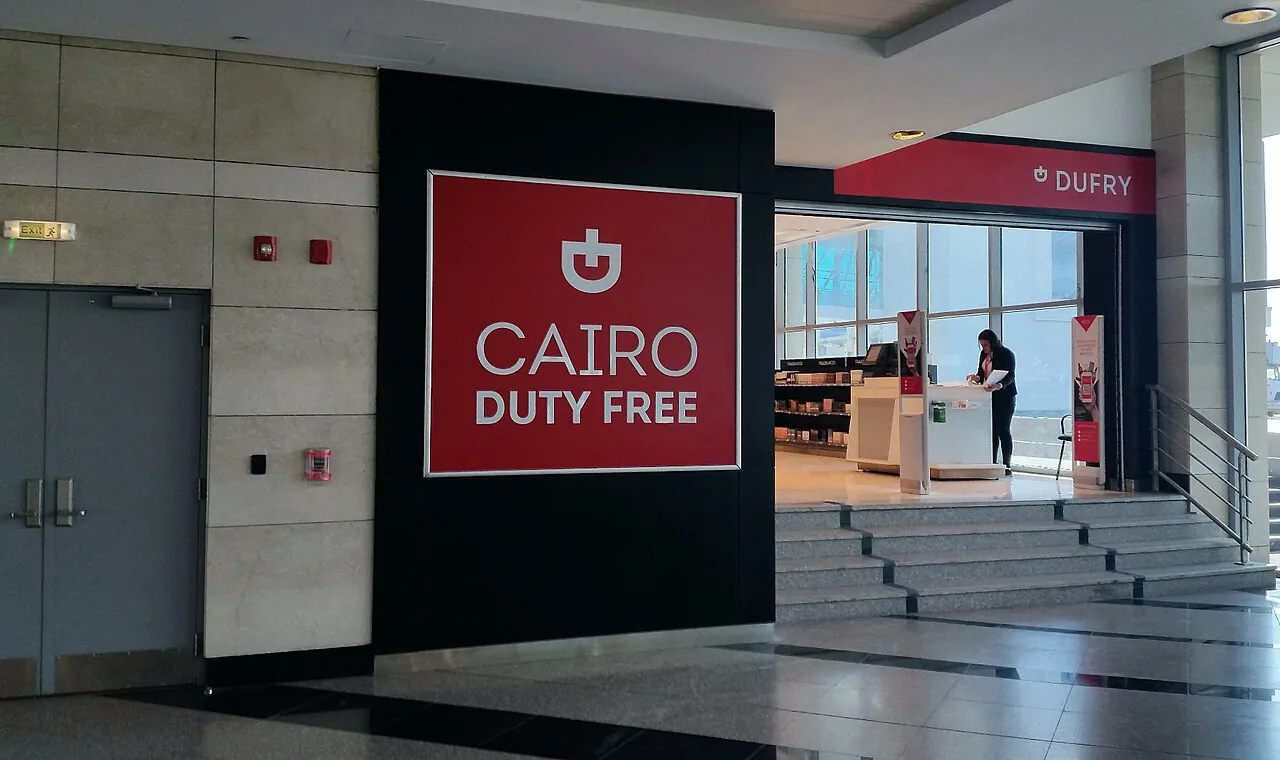
A $280 million World Bank loan approved in 2010 funded the redevelopment of Terminal 2, demolishing and rebuilding much of the original 1986 structure; the number of gates rose from seven to fourteen when it reopened in 2016.
Source: Wikipedia
The airport operates three parallel runways, the longest of which, 05C/23C, stretches 4,000 metres (about 13,100 feet); a third runway was added in 2010 to replace an older crossing runway.
Source: Wikipedia
A dedicated Seasonal Flights Terminal, opened in September 2011, was built to ease pressure on the main terminals during pilgrimage seasons; it can process 1,200 passengers an hour through Cairo's first common-gate, single-security checkpoint design.
Source: Wikipedia
Cairo International handled 30.94 million passengers in 2025, and a proposed fourth terminal -- estimated to cost $3.5 to $4.5 billion -- could push total capacity beyond 60 million passengers a year once complete, as early as 2030.
Source: Wikipedia